Your Quick Guide
- The Geology Behind the Beauty: How Did This Even Form?
- More Than Just One: The Arches of Arches National Park
- Your Delicate Arch Hike: A Step-by-Step Guide
- When to Go: Timing is Everything
- Getting That Perfect Shot: Photography Tips
- What to Pack: The Non-Negotiables
- Frequently Asked Questions (The Stuff You're Actually Wondering)
- Beyond the Hike: Respecting the Landscape
Let's be honest. You've probably seen a picture of it. That perfect, freestanding sandstone arch framing a backdrop of distant La Sal Mountains and endless Utah sky. It's on license plates, in movies, and plastered all over Instagram. That's the Delicate Arch. And if you're reading this, you're likely thinking about seeing it for yourself. Good call. It's one of those places that actually lives up to the hype.
But here's the thing a lot of guides don't tell you straight up: seeing the Delicate Arch involves a bit of work. It's not a drive-up attraction. And in the summer, it's hot. Like, fry-an-egg-on-the-rock hot. I learned that the hard way on my first visit, showing up at noon with a single small water bottle. Not my finest moment.
So I'm writing this guide to give you the real, unfiltered lowdown. Not just the pretty pictures, but the gritty details—the best times to go, what to really expect on the hike, how to get that perfect photo without a hundred people in it, and even some cool facts about how this thing formed in the first place. Consider this your one-stop shop for everything Delicate Arch.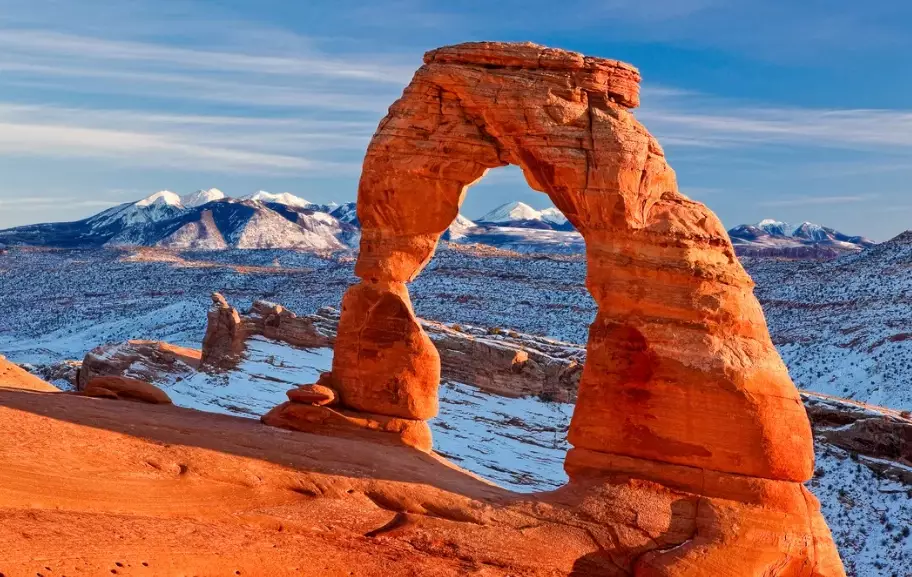
The Geology Behind the Beauty: How Did This Even Form?
Okay, let's start with the science because it makes the whole thing even more impressive. The Delicate Arch isn't just a random hole in a rock. It's a masterpiece of erosion, a slow-motion sculpture carved over millions of years.
The story begins around 300 million years ago with an ancient sea. When it evaporated, it left behind a massive salt bed. Over eons, thousands of feet of sandstone, deposited by winds and shifting deserts, piled on top of this salt layer. The weight of all that rock caused the unstable salt to move, buckling and shifting the sandstone above into the fins and domes we see today.
Then, the real artist got to work: water and ice. In a place like Arches National Park, which gets maybe 10 inches of rain a year, it's not the amount but the force that matters. Rare but powerful rainstorms would pour down the sides of a sandstone fin. Water would seep into tiny cracks. In winter, that water would freeze, expand, and pop off pieces of rock (a process called frost wedging). Wind would sandblast the surface. Bit by bit, a small indentation in a fin grew into an alcove, which eventually wore all the way through to the other side, creating an arch.
Geology Fun Fact: The "Delicate Arch" we see is just the latest stage. The opening will keep getting wider until, one day far in the future, the span becomes too thin to support its own weight and it will collapse. What we're seeing is a snapshot in geologic time. Pretty wild to think about.
The rock itself is part of the Entrada Sandstone formation. It has that beautiful reddish-orange color thanks to iron oxide—essentially, rust. The varying layers within the rock erode at different rates, which helps create those dramatic, sweeping curves.
So when you finally stand under the Delicate Arch, you're not just looking at a cool rock. You're looking at the result of 300 million years of geological drama: ancient seas, crushing pressure, desert winds, and sporadic, violent storms. It gives the whole experience a lot more weight, doesn't it?
More Than Just One: The Arches of Arches National Park
While the Delicate Arch is the superstar, calling the park "Arches" National Park is no joke. It's home to over 2,000 documented natural stone arches. It's the densest concentration of natural arches on Earth. Once you've paid your respects to the big one, it's worth checking out a few others. They all have their own personality.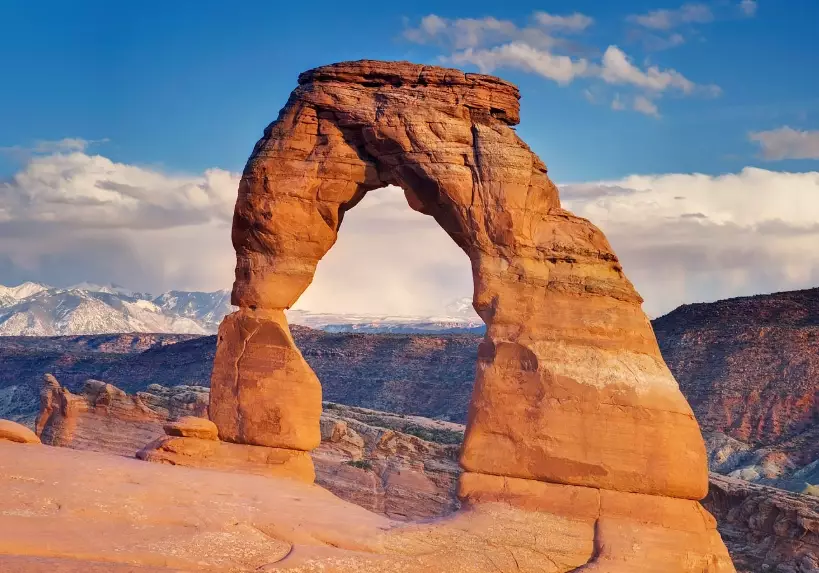
Here’s a quick comparison of some of the other headline acts, so you can plan your time.
| Arch Name | Key Feature | Hike Difficulty & Length | My Personal Take |
|---|---|---|---|
| Delicate Arch | Iconic, freestanding, dramatic setting. | Moderate. 3 miles round trip, 480 ft elevation gain. | The must-do. The hike is part of the experience. Feels like a pilgrimage. |
| Landscape Arch | Longest span in North America (306 ft). | Easy. 1.6 miles round trip, flat trail. | Shockingly thin and graceful. Feels fragile. The trail continues to other cool arches. |
| Double Arch | Two massive arches sharing a common leg. | Easy. 0.5 miles round trip, flat. | Powerful and imposing. You can walk right up under it. Great for kids. |
| Windows Section (North & South Window, Turret Arch) | Classic, easily accessible arches clustered together. | Easy to Moderate. 1-mile loop. | Incredibly popular for sunrise. The view through the North Window framing the South Window is iconic. |
| Sand Dune Arch | Hidden in a narrow slot canyon, surrounded by sand. | Easy. 0.3 miles round trip. | A fun, shady surprise. The sand is cool on your feet. Feels like a secret hideout. |
My personal runner-up favorite after Delicate Arch is actually the often-overlooked Partition Arch, on the same trail as Landscape Arch. The view from its window, looking down onto the valley with the La Sals in the distance, is absolutely breathtaking and feels more private.
The variety is what makes this park so special. You can spend days just wandering from one incredible stone formation to the next, each one a unique product of the same relentless forces.
Your Delicate Arch Hike: A Step-by-Step Guide
Alright, let's get down to the main event. Hiking to the Delicate Arch. This is the part where good planning makes the difference between an epic memory and a miserable slog.
Before You Even Get to the Trailhead
First, you need to get into Arches National Park. This seems obvious, but it's the biggest hurdle most people face. The park often reaches capacity and closes its entrance gate, sometimes by 8 AM. My strong, strong advice? Reserve a timed entry ticket in advance during the peak season (April through October). You can do this on Recreation.gov. If you don't have one, you'll need to enter before 6 AM or after 4 PM. Check the official Arches National Park website for the latest rules—they change.
Drive all the way to the Wolfe Ranch parking lot. That's the dedicated trailhead for the Delicate Arch. It fills up fast. If it's full, you'll have to wait or come back later.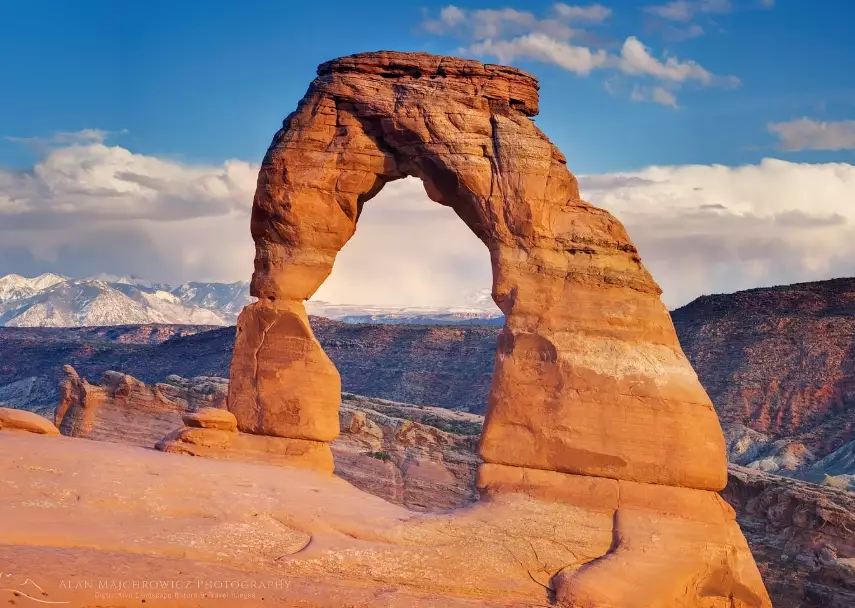
Pro Tip: The smaller Delicate Arch Viewpoint trail is a different thing! It gives you a distant, framed view of the arch from across a canyon. It's easier (a flat 100-yard walk or a moderate 0.5-mile climb), but it's not the same as being up there with it. Know which experience you want.
The Hike Itself: What to Expect
The trail is 3 miles round trip. The park says it's "moderately difficult," and I'd agree. It's not a technical climb, but it's not a stroll in the park either.
The first section is a well-defined path. Then you hit the slickrock. This is the famous part—climbing up the smooth, sloping face of the rock. There are no handrails. The trail is marked by small rock cairns (piles of stones). Follow them. The incline is steady, and on a hot day, this section is a beast. There's zero shade.
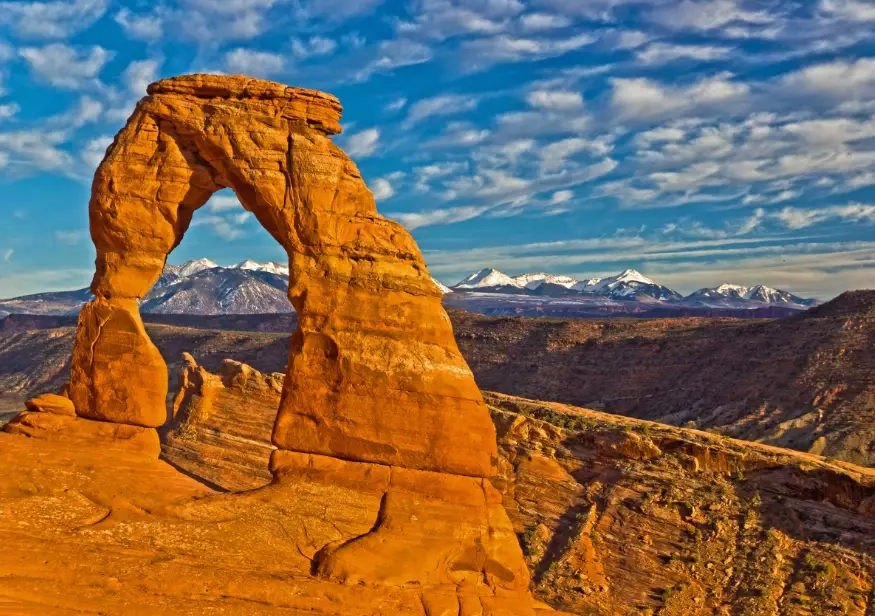
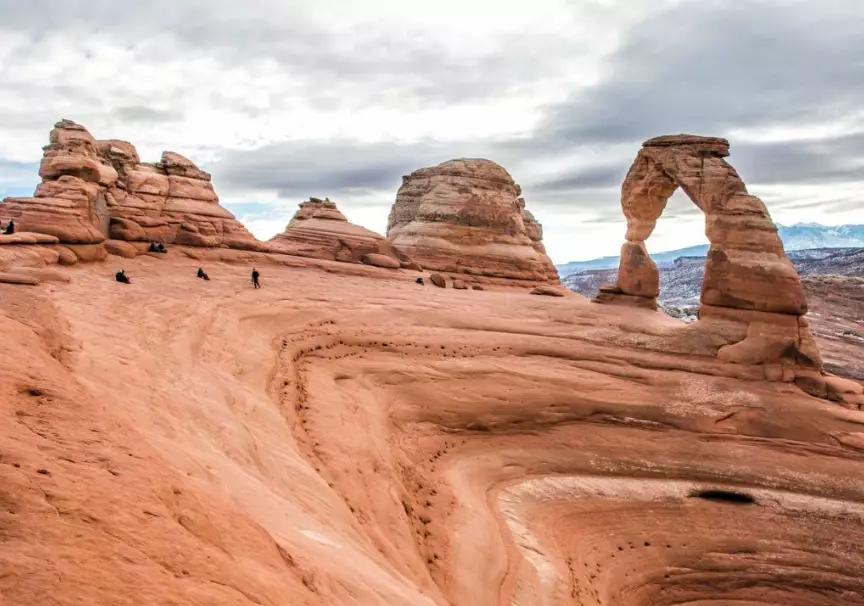
Just when you're wondering if it's ever going to end, the trail curves around a corner along a rock ledge (it's wide, don't worry). And then, bam. There it is. The Delicate Arch, sitting in a giant natural sandstone bowl called an amphitheater. The first view is always a gasp moment.
Heads Up: That final amphitheater bowl is exposed and can be windy. The rock around the arch itself is sloping and smooth. Be incredibly careful, especially if it's wet or icy. Every year, people get hurt by slipping. The National Park Service has tons of warnings about this for a reason. Enjoy the view, but don't do anything stupid for a photo.
The hike down is usually quicker, but watch your step on the slickrock. It's easier to slip going downhill.
When to Go: Timing is Everything
This might be the most important section in this whole guide. When you visit the Delicate Arch dramatically changes the experience.
Best Time of Day
- Sunset: The classic, and for good reason. The low sun sets the arch on fire with a deep orange glow. It's magical. However, it's also the most crowded. You'll be sharing the view with hundreds of others. Remember, you'll be hiking back in the dark, so bring a headlamp or flashlight (not just your phone light).
- Sunrise: My personal favorite. Far fewer people. The morning light is soft and beautiful, and you often get the arch to yourself for a few quiet minutes. The hike up in the cool morning air is much more pleasant.
- Midday: Generally the worst time. The light is harsh and flat for photos, the heat is intense, and the crowds are peak. I'd only do this in the cooler off-season months.
- Under a Full Moon: An incredible, advanced option. Hiking by moonlight is an unforgettable experience, and seeing the arch silhouetted against a starry sky is next-level. This requires serious preparation, confidence in night hiking, and checking moonrise times.
Best Time of Year
- Spring (March-May) & Fall (September-October): The sweet spot. Daytime temperatures are pleasant (60s-80s F). Spring has wildflowers; fall has crisp air. These are the busiest seasons, though.
- Summer (June-August): Brutally hot. Temperatures regularly soar above 100°F. If you go, you MUST start your hike at sunrise or near sunset. Carry way more water than you think you need—I'd recommend at least 1 gallon per person. Seriously.
- Winter (November-February): Cold, with potential for ice and snow on the trail. The slickrock becomes, well, *slick rock*. Microspikes or traction devices for your shoes are a great idea. But the crowds are minimal, and seeing the Delicate Arch with a dusting of snow is incredibly rare and special.
Getting That Perfect Shot: Photography Tips
Let's talk photos. You're going to want them. Here's how to move beyond the basic snapshot.
First, the classic shot is taken from the far side of the bowl, using a wide-angle lens to capture the entire arch with the mountains behind it. For sunset, position yourself so the sun is setting to the side of the arch, not directly behind it, to avoid lens flare and get that side glow.
A more creative shot? Get low. Shoot from the base of the bowl looking up to emphasize the arch's grandeur. Or, if you're lucky enough to be there under a clear night sky, try a long exposure to capture the arch with the Milky Way behind it (this requires a tripod and some camera know-how).
What about people in your shot? It's a reality. Either embrace them to show scale (a tiny human under the massive arch tells a great story), or use a longer exposure if they are moving to blur them out. Patience is key—wait for a brief moment when the area under the arch clears.
And a word on drones: they are strictly prohibited in all national parks without a special permit. The noise ruins the experience for others and disturbs wildlife. Don't be that person.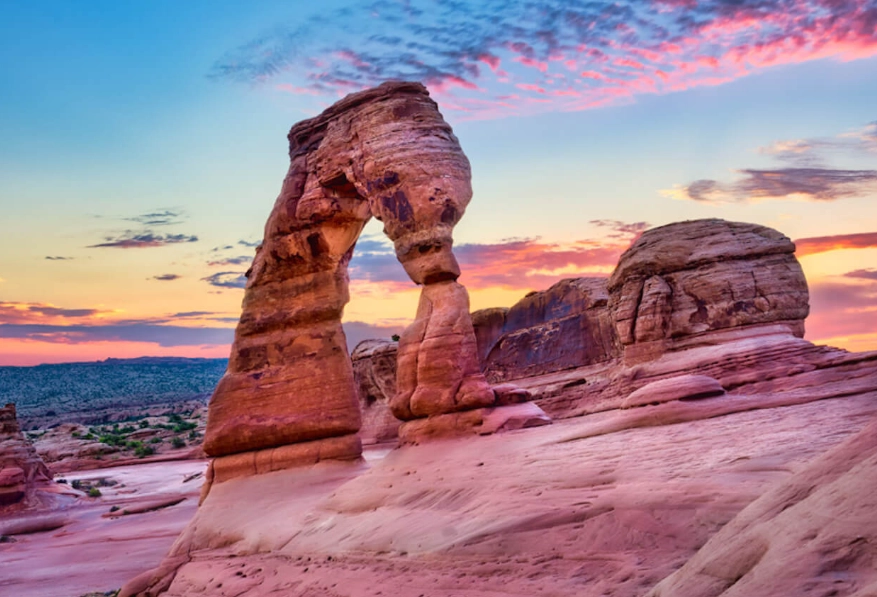
What to Pack: The Non-Negotiables
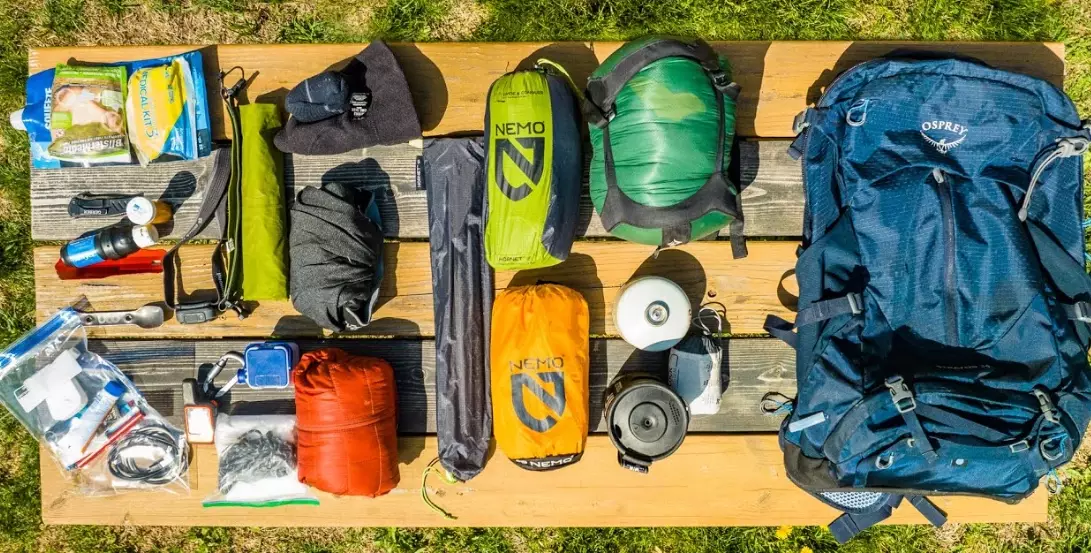
Packing wrong can ruin your trip. Here’s my essential list, honed from experience (and past mistakes).
- Water, Water, and More Water: I can't stress this enough. A minimum of 1 liter per hour of hiking in the heat. For the Delicate Arch hike, that's at least 3 liters (about 1 gallon) per person in summer. A hydration bladder is great for sipping on the go.
- Sturdy Footwear: Hiking shoes or boots with good grip. The slickrock is no place for flip-flops or smooth-soled sneakers.
- Sun Protection: A wide-brimmed hat, sunglasses, and sweat-resistant sunscreen (SPF 30+). The desert sun is relentless.
- Navigation: A map or offline map on your phone. The trail is well-marked, but it's good to have.
- Light Source: If you're hiking for sunset or sunrise, a headlamp with extra batteries is essential.
- Layers: Desert temperatures swing wildly. A warm layer for a chilly sunrise or a cool evening after sunset.
- Snacks: Trail mix, energy bars, jerky. Keep your energy up.
Leave the bulky cotton jeans at home. Moisture-wicking clothes are your friend.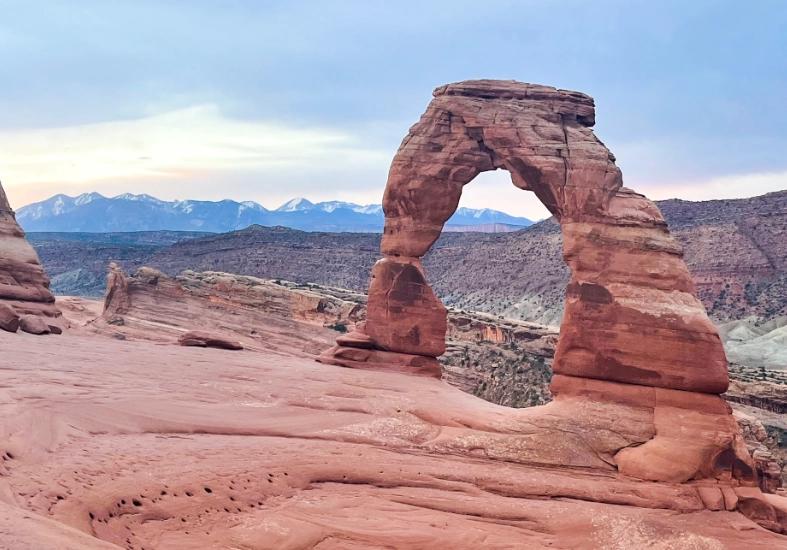
Frequently Asked Questions (The Stuff You're Actually Wondering)
Beyond the Hike: Respecting the Landscape
This feels important enough to deserve its own section. The Delicate Arch and the surrounding park are incredibly fragile. The cryptobiotic soil—that black, crusty living ground cover—is the desert's skin. It prevents erosion and takes decades to grow. Stay on designated trails and rock surfaces. Don't cut switchbacks or walk on the crypto.
Don't climb on the arch itself. Not only is it dangerous, but the oils from your skin also damage the rock over time. The same goes for carving or scratching your name into the sandstone. It's not just graffiti; it's permanent vandalism of a millions-of-years-old formation.
We're all just visitors in this ancient place. Let's keep it pristine for the people (and the rock formations) that come after us.
So there you have it. The complete, no-BS guide to experiencing the Delicate Arch. From the deep geological history to the very practical tip about bringing a headlamp, I hope this covers every question swirling in your head. It's a journey worth taking, a hike worth sweating for, and a view you will absolutely never forget. Just remember the water. Seriously.
Now go out there and see it for yourself. You won't regret it.