Quick Navigation
- Gearing Up Without Going Broke
- Planning Your Shoot: It's All About Timing
- Where to Point Your Camera: Park-by-Park Spot Guide
- Composition & Technique: Moving Beyond the Snapshot
- The Essential (and Non-Negotiable) Ethics of Park Photography
- From Camera to Screen: A Simple Editing Workflow
- Answers to Questions You're Probably Asking
Let's be honest. You've seen those jaw-dropping photos of Half Dome at sunrise or a bison steaming in the Yellowstone frost. You want to create those images yourself, not just buy the postcard. But standing there with your camera, the scene never quite matches what you imagined. The light is wrong, there are a hundred other people in your shot, and you're not sure if your lens is even the right one.
I've been there. I've driven hours for a sunset that fizzled into gray. I've forgotten crucial filters. I've gotten so focused on the “iconic shot” that I missed the perfect, quiet moment happening right beside me. National parks photography is equal parts preparation, patience, and a willingness to ditch the plan when something better comes along.
This guide isn't about fancy jargon. It's about what actually works when you're out there, from the gear that won't fail you to the spots where you can actually find some solitude. We'll talk about how to think about light and seasons, and I'll even point out some overrated locations so you can spend your time better.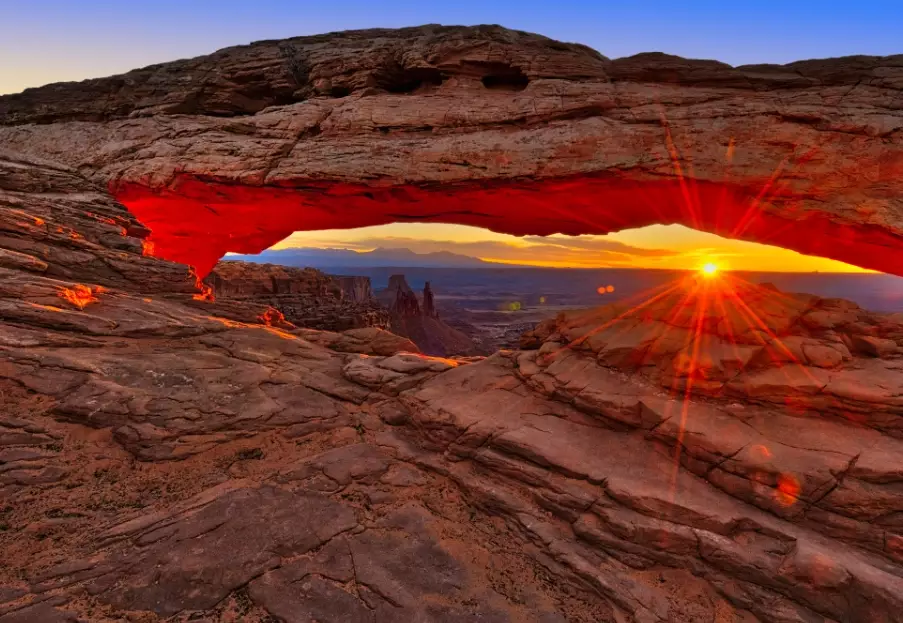
Gearing Up Without Going Broke
The biggest mistake I see? People thinking they need the most expensive camera to start. You don't. A modern smartphone can do incredible things. But if you're serious about national parks photography, a dedicated camera gives you control. The question is, what kind?
DSLRs are the old reliables. They have huge lens selections and great battery life. Mirrorless cameras are the present and future—lighter, faster, and what most pros are switching to. I made the switch a few years back and haven't missed the weight one bit. A good entry-level or mid-range model from Canon, Nikon, or Sony is more than enough. Don't get hypnotized by megapixels; a 24MP sensor is plenty for huge prints.
Now, lenses. This is where the magic happens, more so than the camera body.
The Lens Trifecta for National Parks
You can cover 95% of scenes with three lenses (or two, if you're smart about it).
- A Wide-Angle Zoom (like a 16-35mm or 14-24mm): This is your grand landscape workhorse. It's for capturing those vast canyon vistas, winding rivers, and starry skies. It makes things feel epic.
- A Standard Zoom (like a 24-70mm or 24-105mm): This is your walk-around lens. It's versatile for everything from environmental portraits (a person with a mountain backdrop) to tighter landscape details, like a cluster of wildflowers or textures in a rock face.
- A Telephoto Zoom (like a 70-200mm or 100-400mm): This is the secret weapon most beginners skip. It compresses distance, bringing far-off mountains closer together. It's essential for wildlife safety and detail shots—like capturing the expression on a distant elk or the intricate patterns in a cliff wall you can't physically reach.
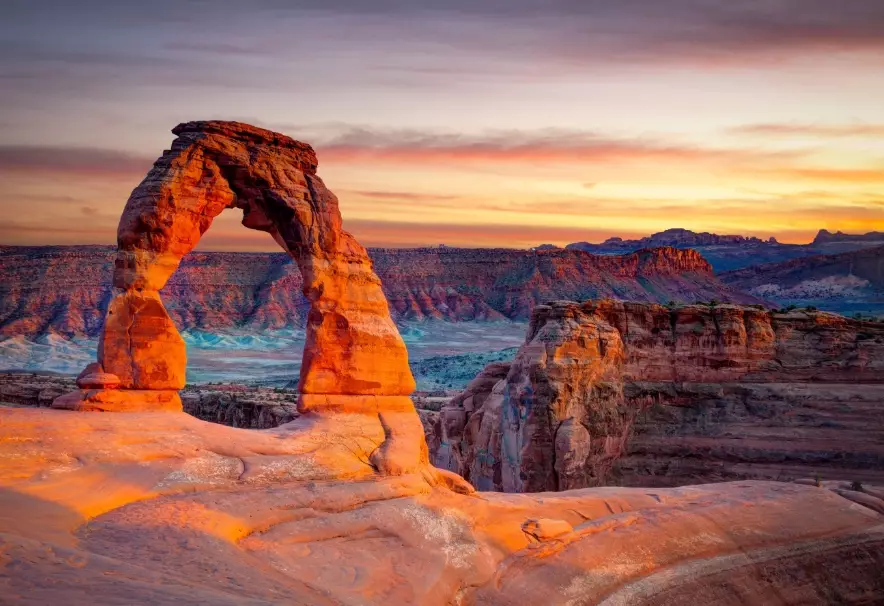
Pro Tip: If you can only afford one lens to start, get a superzoom like an 18-200mm. It won't be as sharp as the professional ones, but it lets you experiment with every focal length and figure out what you really like to shoot before investing thousands.
Other non-negotiable gear? A sturdy tripod. Not a flimsy $30 one, but something that can hold steady in a breeze. It's crucial for sunrise, sunset, and any low-light situation. A set of polarizing and neutral density (ND) filters. The polarizer cuts glare from water and leaves, making colors pop in a way you can't replicate in software. A good ND filter (like a 6-stop) lets you smooth out waterfalls and streams in broad daylight.
And pack more batteries and memory cards than you think you'll need. There are no convenience stores in the backcountry.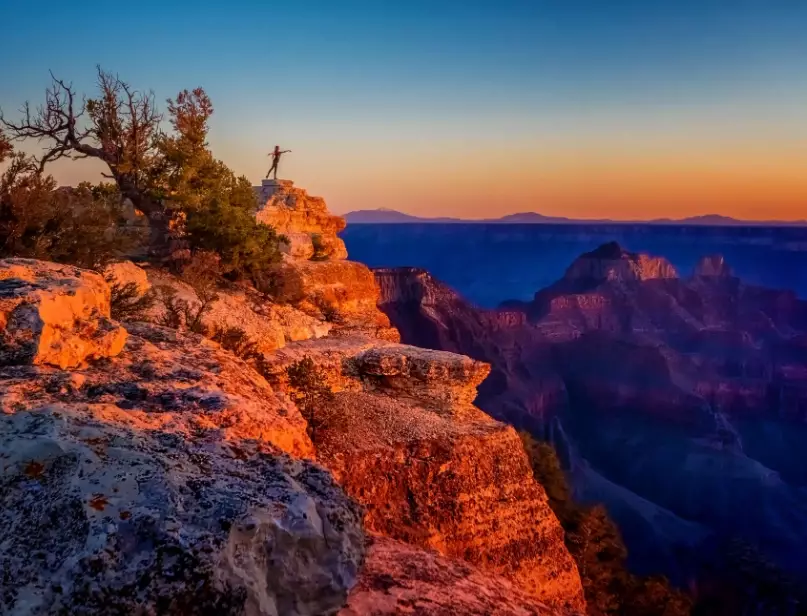
Planning Your Shoot: It's All About Timing
Showing up at noon on a Saturday in July and expecting great photos is a recipe for frustration. Your number one planning tool for national parks photography isn't a camera manual; it's the National Park Service (NPS) website. Check for road closures, construction, permit requirements (especially for iconic spots like Angels Landing or The Wave), and, critically, wildfire or flood impacts.
Seasons change everything. Summer offers accessibility and wildflowers but also crowds and harsh midday light. Fall brings stunning colors and cooler temps. Winter is for solitude and stark, beautiful scenes, but many roads and facilities are closed. Spring has rushing water and greenery, but unpredictable weather.
My personal favorite? The “shoulder seasons”—late spring and early fall. You get decent weather without the peak summer masses.
But what about bad weather? Don't hide in your car! Storm clouds, mist, and rain create mood and atmosphere you can't get on a sunny day. Some of my most memorable national parks photography came during a clearing storm, when rays of light broke through the clouds.
Where to Point Your Camera: Park-by-Park Spot Guide
Every park has its postcard spots. They're popular for a reason—they're stunning. But the real joy is finding your own composition. Here’s a breakdown of some heavy hitters and a few lesser-known gems.
Yellowstone National Park
It's not just Old Faithful. The geothermal features are a photographer's dream, but they can look chaotic in a photo.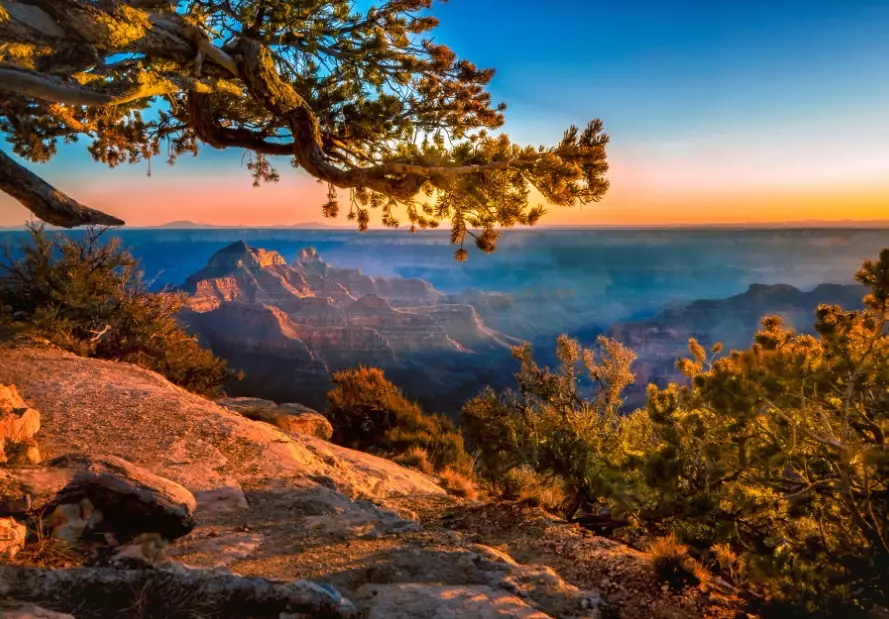
- Iconic Shot: Grand Prismatic Spring from the overlook on the Fairy Falls trail. Go in late morning when the steam is less dense. Midday sun actually helps the colors pop here.
- Hidden(ish) Gem: The terraces at Mammoth Hot Springs at sunrise. The low angle lights up the steaming, textured formations beautifully. Lamar Valley for wildlife at dawn—think bison, wolves, bears. You need a long lens (400mm+ is ideal).
- Overrated (in my opinion): Shooting Old Faithful straight-on from the boardwalk. It's been done a million times. Try a different angle, include people for scale, or focus on the anticipation on faces instead.
Yosemite National Park
Tunnel View is the classic, but it's a zoo. You have to work for the good shots here.
- Iconic Shot: Tunnel View at sunset (yes, it's still worth it). Get there at least 90 minutes early to claim a tripod spot. For Half Dome, try the pullouts along Northside Drive for reflections in the Merced River.
- Hidden Gem: Taft Point at sunset. It's a moderate hike, but the view of El Capitan and the valley floor is insane, and you'll have far fewer people than at Glacier Point. For something easier, the meadow near Sentinel Bridge gives you Half Dome reflected in the river.
- Seasonal Tip: In February, if conditions are right, Horsetail Fall can look like it's on fire at sunset. This event has become a massive, crowded phenomenon requiring reservations. Honestly? It's spectacular, but the logistical headache is real. There are other, quieter waterfalls in the park.
Let's compare a few top parks and their unique photographic personalities.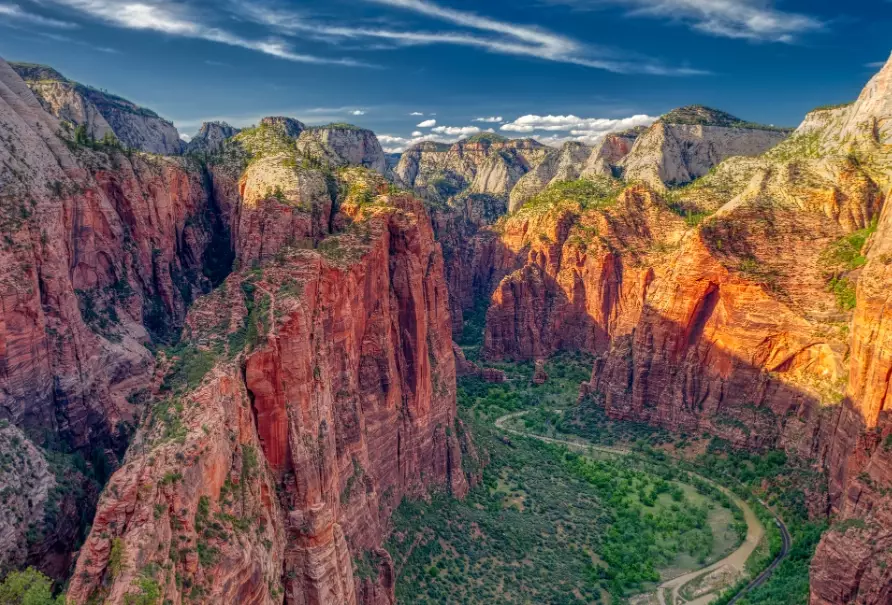
| National Park | Primary Photo Subjects | Best Season for Photography | Biggest Challenge |
|---|---|---|---|
| Yellowstone | Geothermal features, wildlife, grand valleys | Fall (colors), Winter (steam & snow) | Unpredictable weather, vast distances |
| Yosemite | Granite cliffs, waterfalls, giant sequoias | Spring (waterfalls), Fall (colors) | Extreme crowds, limited parking |
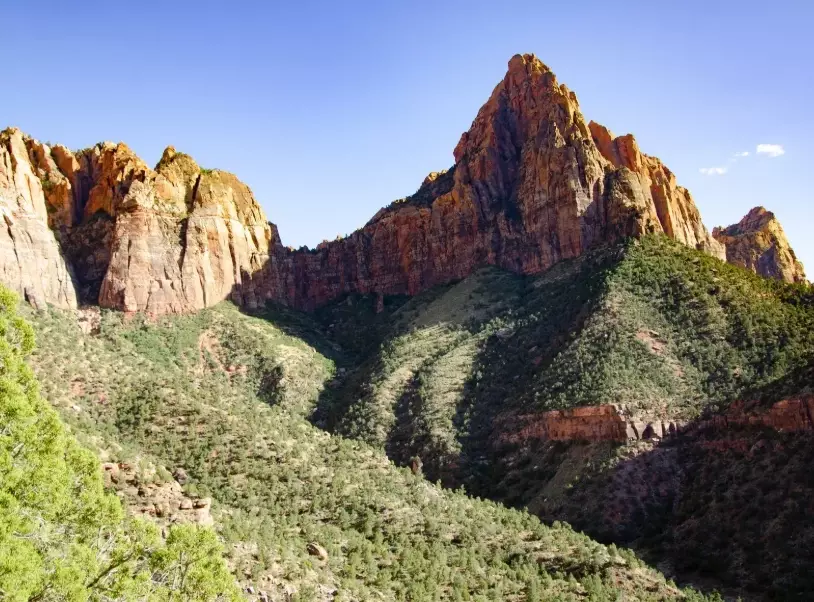
| Zion | Narrow slot canyons, towering sandstone | Spring/Fall (pleasant temps) | Permits for key spots (Angels Landing, Narrows) |
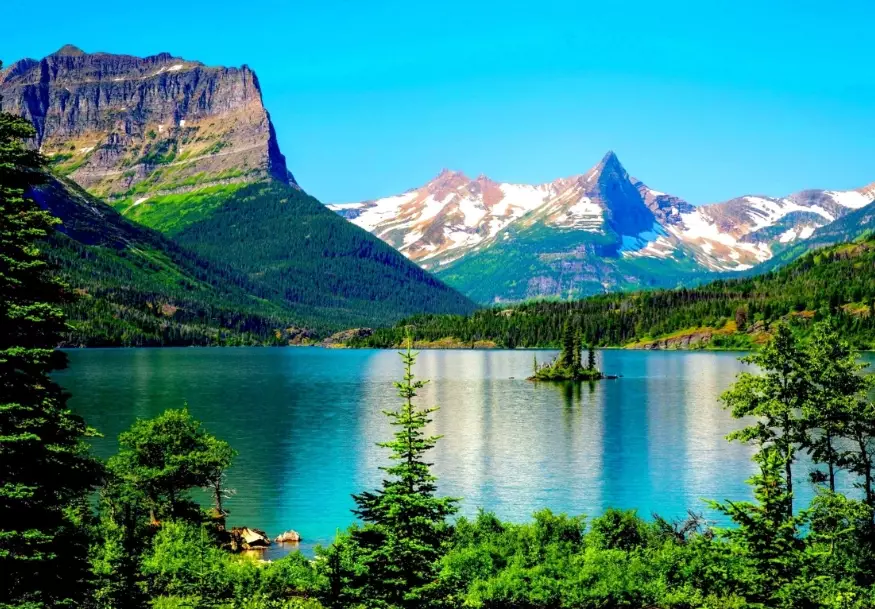
| Glacier | Alpine lakes, rugged peaks, glaciers | Summer (access), Fall (colors) | Short season (Going-to-the-Sun Rd closed Oct-June) |
| Great Smoky Mountains | Mountain fog/"smoke", forests, historic structures | Fall (epic colors), Spring (wildflowers) | Frequent rain and fog (can also be a pro!) |
Composition & Technique: Moving Beyond the Snapshot
Great national parks photography is more than just a pretty place. It's about guiding the viewer's eye.
Use leading lines—a winding river, a trail, a row of trees—to pull people into the scene. Look for foreground interest. A colorful rock, a patch of flowers, or even your own backpack in the corner of the frame adds depth and scale to a massive mountain backdrop. It makes the viewer feel like they're there.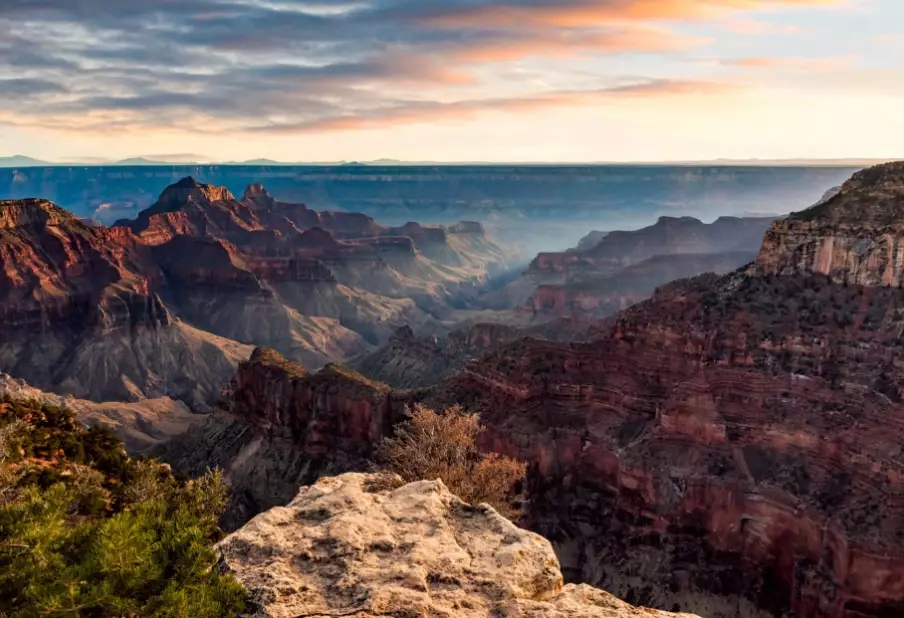
The rule of thirds is a good starting point. Don't always plop the horizon in the middle. If the sky is dramatic, let it occupy the top two-thirds. If the foreground is amazing, give it more room.
Common Mistake: Trying to fit too much in. One strong subject is better than ten competing ones. Is your photo about the mountain, the lake, or the forest? Pick one.
Shoot in RAW format. It sounds technical, but it just means your camera saves all the data it captures, giving you way more flexibility to fix exposure or color later. JPGs are baked-in and limited.
For waterfalls, use that tripod and ND filter to get slow shutter speeds (1/2 second or slower) for that silky water effect. For starry skies (astrophotography), you'll need a fast wide-angle lens (f/2.8 or wider), high ISO (3200+), and shutter speeds following the “500 Rule” (500 divided by your lens's focal length = max seconds before stars blur). Apps like PhotoPills are invaluable for planning Milky Way shots.
The Essential (and Non-Negotiable) Ethics of Park Photography
This is the most important part of the guide. We are guests in these places.
Stay on Trails. Trampling fragile soil or cryptobiotic crust (that black, crusty soil in the desert) can cause damage that takes decades to heal. Your shot is not worth it.
Give Wildlife Space. Use your long lens. The NPS rule of thumb is to stay at least 25 yards from most animals and 100 yards from bears and wolves. If your presence changes an animal's behavior—if it stops eating, looks at you nervously, or moves away—you are too close. It's stressful for them and dangerous for you.
No Drones. With very few exceptions, drones are illegal in national parks. They disturb wildlife, annoy other visitors, and the noise ruins the natural soundscape. Just don't.
Leave No Trace. This includes not moving branches, rocks, or flowers to “improve” your composition. Leave everything exactly as you found it.
From Camera to Screen: A Simple Editing Workflow
Editing isn't “cheating.” It's the digital darkroom. You're just finishing what the camera started. I keep it simple: Adobe Lightroom is my go-to for 90% of work.
- Global Adjustments First: Fix the overall exposure, contrast, white balance, and lens distortions.
- Local Adjustments: Use graduated filters to darken a bright sky or brush tool to selectively brighten a dark foreground. This mimics what our eyes see.
- Color & Sharpening: Enhance vibrancy (more subtle than saturation), and add a touch of sharpening for the web. Don't overdo the clarity or dehaze sliders—it makes things look grungy and fake real fast.
- Export: For web, export as JPG, sRGB color space, long edge 2000-2500 pixels. For prints, talk to your lab about their specs.
My pet peeve? The over-processed HDR look where everything is radioactive orange and blue, and there are no shadows. Nature has shadows. It has contrast. Let it.
Answers to Questions You're Probably Asking
National parks photography is a journey, not a destination. It's about the early mornings, the sore feet, the unexpected encounters, and the quiet satisfaction of finally nailing a shot you've envisioned for years. It connects you to these incredible places in a deep way. So pack your bag, check the weather, and get out there. The light's waiting.