Explore the Guide
Let's be honest. We've all seen it. You're hiking a beautiful trail, breathing in the fresh air, and then you round a corner to find a crumpled energy bar wrapper or a pile of toilet paper tucked under a rock. It feels like a slap in the face, doesn't it? It breaks the spell. Suddenly, you're not just in nature; you're in a place where someone else couldn't be bothered.
That feeling, that frustration, is where the idea of leave no trace really hits home. It's not some rigid set of rules handed down by park rangers to spoil your fun. It's a mindset. A promise we make to the land and to each other. It's the understanding that my adventure shouldn't come at the cost of yours, or at the cost of the place itself.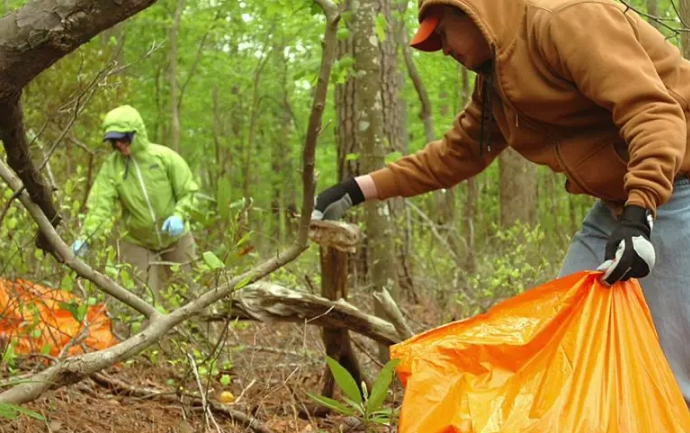
The phrase gets thrown around a lot. You see it on bumper stickers and trailhead signs. But what does it really mean, day-to-day, on the trail or at the campsite? It's more than just packing out your trash (though that's a massive part of it). It's a whole system of thinking that covers everything from where you step to how you poop in the woods. Seriously.
The Seven Pillars: Your Blueprint for Invisible Travel
Most people think Leave No Trace is just one thing. It's not. It's a framework. The folks at the Leave No Trace Center for Outdoor Ethics—the real authority on this—have boiled it down to seven core principles. These aren't just good ideas; they're the result of decades of research on how recreation impacts fragile ecosystems.
Think of them as your toolkit. You don't need to use every tool on every single trip, but you need to know what's in the box.
Plan Ahead and Prepare
This is where it all starts, and honestly, it's the principle most of us skim over. Bad planning leads to problems that force you to break other principles. If you don't know the regulations, you might camp illegally. If you don't check the weather, you might get cold and cut live branches for a fire. If your map fails, you might have to create a new trail.
Good planning means:
- Knowing the rules of the area you're visiting. Is camping allowed? Are fires permitted? Check the official land manager site, like the National Park Service or US Forest Service.
- Preparing for extreme weather and emergencies. A simple first-aid kit and an extra layer can prevent a lot of trouble.
- Repackaging food to minimize waste before you even leave the house. Ditch the cardboard boxes.
- Traveling in small groups. Large groups have a much bigger physical and social impact.
Travel and Camp on Durable Surfaces
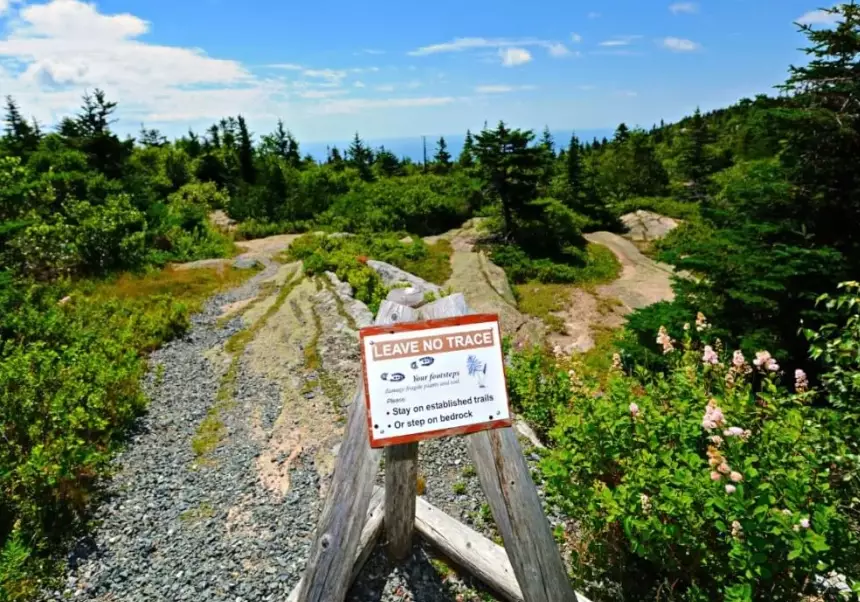
This is all about where you put your feet and your tent. The goal is to concentrate your impact. Vegetation, especially in alpine or desert areas, can take decades to recover from a single boot print or tent stake.
On the trail: Stay on the designated path, even if it's muddy. Walking around the mud puddle widens the trail, creating more damage. Rock, sand, gravel, and dry grass are your friends—they're durable.
At the campsite: This is crucial. Use established campsites whenever they exist. I know, I know—the allure of that "perfect" virgin spot by the secret creek is strong. But creating a new site fragments habitat and starts a scar on the landscape. In pristine areas where there are no sites, camp at least 200 feet (about 70 big steps) from lakes and streams, and spread out your tent, kitchen, and gear on durable surfaces to avoid creating one obvious beaten-down zone.
Dispose of Waste Properly
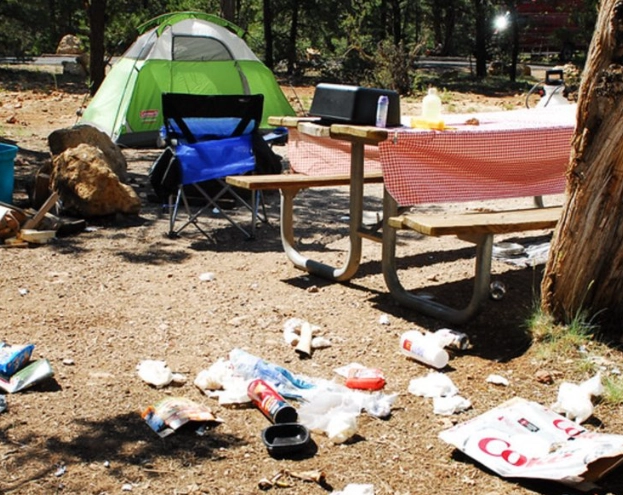
If there's one principle people know, it's "Pack it in, pack it out." And yes, that means everything. Orange peels? They take years to decompose and aren't native. Toilet paper? Yep. That gum wrapper you dropped and didn't notice? Go back and get it.
But let's talk about the big one: human waste. This is the part everyone is shy about, but mismanaged human waste is a major pollutant and health hazard.
For washing, use biodegradable soap sparingly and carry water 200 feet away from streams before washing yourself or dishes. Scatter strained dishwater.
Leave What You Find
This is the preservation principle. That pretty rock, that cool antler, those wildflowers—they are part of the ecosystem. Taking them removes them for everyone who comes after you and can disrupt natural processes. A rock might be a home for insects or shelter for a small animal. Picking flowers prevents them from going to seed.
And please, don't build structures like rock cairns, log benches, or "fairy houses." They're visual pollution and alter the natural state. I've seen beautiful riverbanks littered with amateur rock stacks, and it just feels like graffiti. Enjoy things with your camera, not your pockets.
Minimize Campfire Impacts
Campfires are iconic, but they're also one of the most lasting signs of human impact. A fire ring stays for years. In many high-use or dry areas, they're simply prohibited for good reason.
Ask yourself: Do I really need a fire? A small backpacking stove is far more efficient for cooking and leaves no scar. If you must have a fire:
- Use an existing fire ring in an established campsite.
- Keep it small. A "leave no trace" fire is just a few inches across, just big enough to enjoy.
- Only burn small sticks you can break by hand, found dead and already on the ground. Never cut live or standing wood.
- Burn everything completely to ash, put the fire out COLD with water (not dirt), and scatter the cool ashes. If you made a new ring (which you shouldn't have), dismantle it completely.
Respect Wildlife
This means observing from a distance. Never feed animals. It's not cute; it's a death sentence. It alters their natural behaviors, makes them dependent on humans, and can make them aggressive. Store your food and trash securely—use a bear canister or hang a proper bear bag, not just to protect your snacks, but to protect the bear from becoming a "problem" animal that might be euthanized.
Keep your dog under control or, better yet, leave it at home if the area requires it. A dog chasing wildlife is pure stress for the animal.
Be Considerate of Other Visitors
This is the social side of leaving no trace. Your noise, your unleashed dog, your large group taking over a viewpoint—these all degrade the experience for others seeking solitude. Yield to other users on trails (typically, uphill hikers have the right of way, and everyone yields to horses). Keep voices and music low. Let the natural sounds prevail.
Putting Principles into Practice: Scenarios and Solutions
Okay, so you know the seven principles. But how do they actually play out? Let's get specific. Here’s a quick-reference table for common situations. I find having a mental checklist like this helps more than just memorizing the list.
| Situation | Common Mistake (The Trace Left) | Leave No Trace Action |
|---|---|---|
| Finding a perfect camping spot off-trail | Pitching your tent on soft, green meadow grass for comfort. | Camp on a durable surface like rock, sand, or dry, compacted ground, even if it's less "perfect." The grass recovers poorly. |
| Need to go to the bathroom | Going just behind a bush near camp or a stream because it's convenient. | Walk 200+ feet away from all water, dig a proper cathole 6-8" deep, and pack out your TP. |
| Washing dishes after dinner | Scrubbing pots directly in the lake or stream with soap. | Carry water in a pot 200+ feet from the shore. Use a tiny drop of biodegradable soap. Scatter strained wastewater widely. |
| Seeing cool wildlife | Approaching closely for a better photo or to get a reaction. | Use a zoom lens. Observe quietly from a distance that doesn't change the animal's behavior. If it notices you, you're too close. |
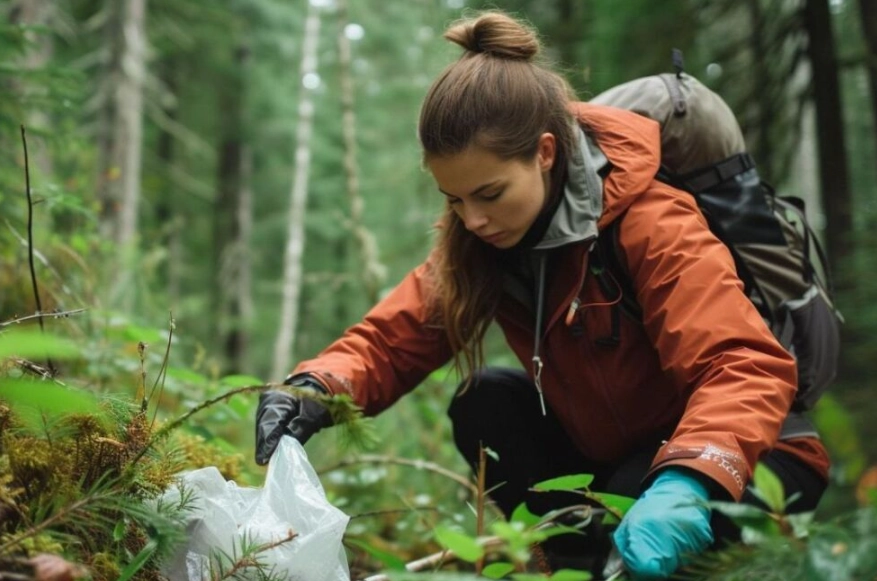
| Coming across other hikers' litter | Ignoring it because "it's not mine." | If it's safe to do so, pick it up. Practicing leave no trace sometimes means cleaning up traces others left. |
The Gear That Actually Helps You Leave No Trace
You don't need a ton of specialty gear, but a few key items make practicing these principles infinitely easier and more habitual.
The Non-Negotiable Basics
- Multiple Stuff Sacks/Ziplock Bags: One for clean trash, one for used toilet paper, one for smelly food waste. Color-code them so you don't mix them up.
- A Small Trowel: The plastic ones are light. Don't try to dig a proper cathole with a stick or a trekking pole—it's nearly impossible and leads to shallow, ineffective holes.
- A Portable Stove: Reliable, fast, and leaves zero fire scar. In my opinion, it's the single most important piece of leave no trace gear for most trips.
Next-Level Investments
- A Bear Canister: Required in many areas. It's not just for bears; it's a raccoon, mouse, and marmot-proof food locker. It guarantees you won't have a food-related impact.
- A Backcountry Bidet or Kula Cloth: Seriously, game-changers for waste reduction. A small bidet bottle eliminates the need for most toilet paper. A Kula Cloth is an antimicrobial pee cloth that replaces countless wipes or paper.
- A Collapsible Sink/Basin: Makes washing dishes 200 feet from water much more manageable and contained.
Answering the Tough Questions (The Stuff People Actually Search)
You've got questions. I've heard them all, and I've asked plenty myself. Let's tackle some real queries that pop up when people are trying to figure this out.
Is it really that big of a deal if I just leave one apple core?
Yes, it is. First, it's litter. Second, it introduces non-native seeds and organic matter that can alter soil chemistry and attract animals to trails, putting them at risk. An apple core can take months to years to decompose fully. Just eat the core or pack it out. It's not food for local wildlife; it's junk food.
What's the best way to handle feminine hygiene products in the backcountry?
This is a vital and often overlooked topic. The answer is simple: pack them out. Use a dedicated opaque zip-lock bag with a dash of baking soda. Tampons and pads do not decompose in a reasonable timeframe in a cathole. There are also excellent reusable options like menstrual cups or discs that significantly reduce waste and are far more practical for multi-day trips. Plan ahead—this is a perfect example of Principle 1.
How do I deal with my dog's waste on a long hike?
This is a major point of contention. The leave no trace standard is clear: pack it out. Burying it often leads to it being dug up by other animals. Leaving it beside the trail in a bag is worse (the "landmine with a flag" problem). Use biodegradable bags if you like, but they still go in your pack to a trash can. In some highly sensitive or high-traffic areas, it's best to leave your dog at home. Their waste concentrates nutrients and pathogens in ways wild animal waste does not.
Can I ever break a principle in an emergency?
Of course. Your safety always comes first. The principles are for minimizing recreational impact. If you're lost, injured, or in a survival situation, you do what you must to stay safe—build a signal fire, create shelter, whatever it takes. The goal of planning and preparation is to avoid ever getting into that situation.
Beyond the Backpack: Leave No Trace in Everyday Life
This mindset doesn't magically switch off when you get back to the trailhead. The core idea—minimizing your impact—is relevant everywhere.
Think about the car you drove to the trail. Could you carpool next time? The single-use plastic water bottle you bought at the gas station. Could you bring a reusable one? The souvenirs you're tempted by that are made from endangered woods or shells. Voting for policies and representatives that fund and protect public lands. It all connects.
Practicing leave no trace in the woods teaches you to see your "trace" everywhere. It builds a sense of personal responsibility that spills over. You start noticing litter in your local park and picking it up. You question your consumption. It's a powerful ethic.
We don't inherit the earth from our ancestors; we borrow it from our children. The goal of leaving no trace is to return it in as good, or better, condition than we found it.
Look, nobody's perfect. I've made mistakes. I've forgotten a zip-lock and had a messy trash situation. I've dug a pathetic, shallow cathole when the ground was too rocky. The point isn't perfection; it's diligent, thoughtful effort. It's trying to be a ghost in the places you love.
The next time you're out there, take a second before you do anything. Ask: "If everyone did what I'm about to do, what would this place look like?" If the answer is "worse," then don't do it. That's the heart of it. That's how we ensure these wild places remain wild, not just for us, but for the critters that live there, and for the people who will come looking for magic long after we're gone.
It's a simple promise: I was here, but you'd never know it. Let's all try harder to keep it.