Quick Navigation
- Why Spring Trails Are Special (And Tricky)
- The Mud Factor and Trail Preservation
- Finding Your Perfect Spring Trail: A Strategic Approach
- Spring Trail Conditions: A Quick-Reference Table
- The Spring Hiking Gear Shuffle: What Actually Matters
- Answering Your Spring Trail Questions (The Stuff You Actually Google)
- Making the Most of Your Spring Trail Adventure
There's something in the air. Literally. The smell of damp earth, the faint sweetness of buds about to burst. You've been staring at your boots all winter, and now the call of a good spring trail is impossible to ignore. But let's be honest, hiking in spring isn't just a sunnier version of summer hiking. It's its own beast. One day you're in a t-shirt, the next you're getting sleet in your face. The path that was a hard-packed dream in July is now a slippery, muddy slog in April.
I learned that the hard way years ago. Eager for an early season adventure, I picked a favorite local mountain trail. The parking lot was sunny and clear. An hour in, I was post-holing through knee-deep, slushy snow I wasn't prepared for, my sneakers soaked through. It was miserable, and frankly, a bit dumb. I turned back cold and frustrated. That experience taught me that hitting the spring trails successfully requires a different playbook.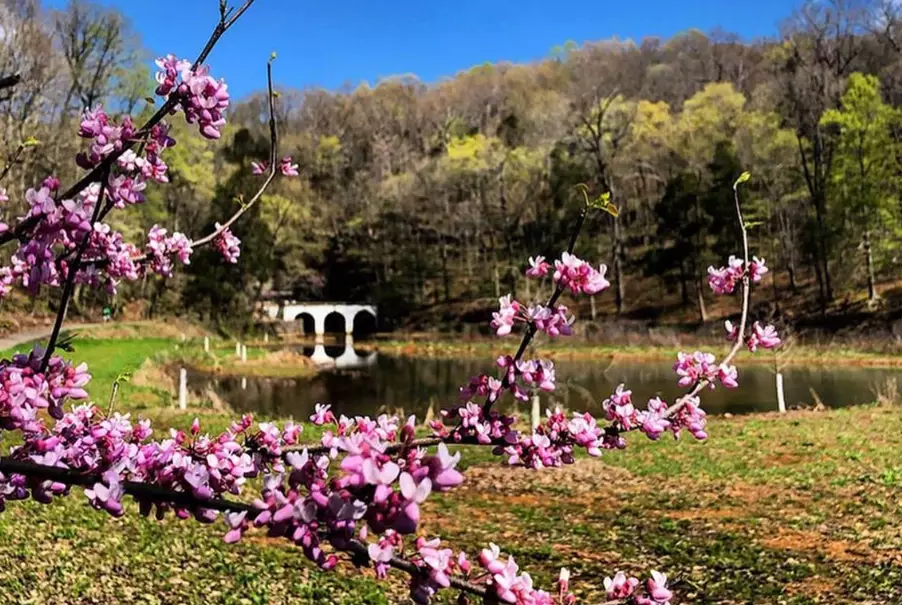
This guide is that playbook. We're not just going to list pretty trails (though we'll get to that). We're going to dig into the nitty-gritty of what makes spring hiking unique, challenging, and incredibly rewarding. How do you find trails that are actually passable? What gear sits in the frustrating space between winter parka and summer tank top? And how do you enjoy those first wildflowers without accidentally trampling them?
Why Spring Trails Are Special (And Tricky)
First off, let's acknowledge the magic. Hiking in spring is like getting VIP access to a show that's still in rehearsal. You see the stage being set. The streams are loud and full, powered by snowmelt. You might spot more wildlife as animals become active. And the colors... the subtle greens of new leaves, the sudden explosion of wildflowers in a meadow. It's dynamic in a way that a stable summer landscape isn't.
But the magic comes with complications. The big one? Variable conditions. This is the single most important thing to understand about spring trails. You can encounter dry dirt, deep mud, lingering ice, and flowing water—all on the same hike. This variability affects everything: your safety, your gear choices, and your impact on the trail itself.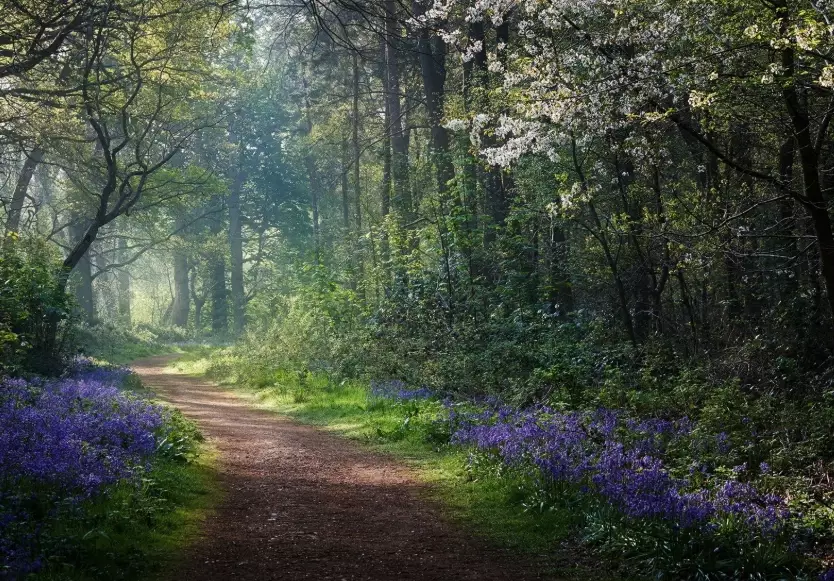
Then there's the weather. Spring is famously fickle. A sunny, 60-degree (Fahrenheit) forecast can quickly turn into a cold, rainy 40-degree reality once you gain some elevation. I've started hikes in a light jacket and ended them wishing for a hat and gloves. This isn't being pessimistic; it's being prepared for what spring trails famously dish out.
Pro Tip: Always check multiple weather sources for your trailhead and your summit or turnaround point. The temperature difference can be staggering. Resources like the National Weather Service offer detailed point forecasts which are more reliable for mountain areas than a general city forecast.
The Mud Factor and Trail Preservation
This deserves its own spotlight. Mud is the defining characteristic of many spring trails, especially in deciduous forests and at certain elevations. And here's my potentially unpopular opinion: sometimes, the most responsible thing to do is to avoid a super popular trail in early spring.
Why? When a trail is saturated, walking on it causes serious damage. Your boots create deep ruts that then channel water, accelerating erosion. Plants on the trail edges get trampled. It turns a maintained path into a muddy trench. Land managers from places like the U.S. Forest Service often advise hikers to stay off certain trails during peak mud season to prevent long-term damage.
So what do you do? Seek out trails that handle moisture better. South-facing slopes dry out faster. Trails with sandy or rocky bases are better choices than those on pure clay. Or, consider lower-elevation hikes, paved paths in nature preserves, or even urban greenways until things firm up. It's about enjoying the season without loving the trails to death.
Finding Your Perfect Spring Trail: A Strategic Approach
You can't just pick a trail from a "best hikes" summer list and go. Finding the right spring trail is an act of research and timing. Here’s how I break it down.
First, know your sources. AllTrails is a great start, but pay less attention to the star rating and more to the most recent reviews. Someone who hiked it last week will tell you about snow patches, stream crossings, and muddiness in a way the five-star review from last August never could. Official park websites are gold. For example, if you're looking at a National Park, their site will often have "current conditions" pages that are updated by rangers. The National Park Service site is a central hub for finding these.
Second, think about aspect and elevation. A trail on a north-facing slope at 3,000 feet might hold snow and ice for weeks after a south-facing trail at the same elevation is dry and clear. Use mapping tools (like CalTopo or even Google Earth) to get a sense of which way the trail faces. Lower is generally better and drier in early spring.
Third, have a backup plan. Seriously. You drive two hours, get to the trailhead, and the path is a river of mud or the parking lot is inexplicably full. It happens. Always have a Plan B hike in the same general area. It saves the day.
Spring Trail Conditions: A Quick-Reference Table
To make sense of what you might find, here’s a breakdown of common spring trail conditions and what they mean for your hike.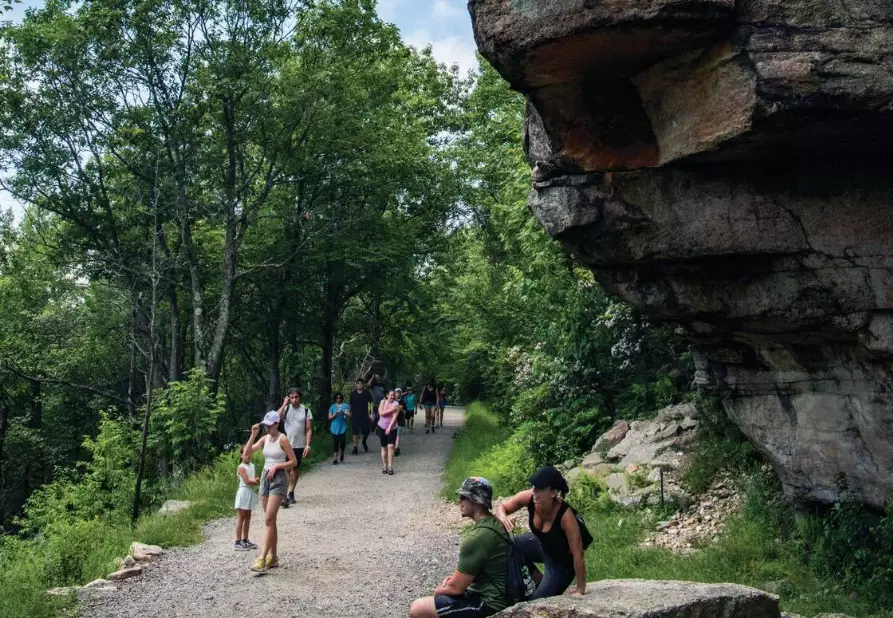
| Condition | What It Looks/Feels Like | Key Considerations & Tips |
|---|---|---|
| Deep, Saturated Mud | Boots sink in several inches; trail is soft and watery. | Consider postponing or choosing a different trail. Walking through it causes severe erosion. If you must proceed, walk straight through the mud, not around it (widening the trail). |
| Monorail (Ice/Snow) | A narrow, compacted path of snow/ice surrounded by softer snow or ground. | Tricky and potentially dangerous. Requires microspikes for stability. Poles are essential. Step carefully to avoid slipping off the packed track. |
| High, Fast Water Crossings | Streams are wider, deeper, and faster due to snowmelt. | Do NOT cross if water is above your knees or moving very swiftly. Scout upstream/downstream for a safer spot. Unbuckle your pack's waist strap before crossing. Trekking poles provide crucial stability. |
| Post-Holing | Your leg plunges unexpectedly through a deceptively solid snow crust. | Exhausting and can lead to injury. If you're frequently post-holing, it's a sign you need snowshoes. Turn back if you don't have them. |
| Dry & Firm | The ideal! Trail is mostly dry dirt, gravel, or rock. | Still watch for isolated muddy patches or icy spots in the shade. Enjoy the hike, but stay on the established trail to protect budding vegetation on the edges. |
See what I mean? Spring trails are a mixed bag. That table isn't meant to scare you off, but to make you a smarter hiker. Knowing what you might face is 90% of the battle.
The Spring Hiking Gear Shuffle: What Actually Matters
Forget having the perfect, ultralight kit. Spring hiking is about layers and adaptability. Your pack might be a bit heavier because you're carrying insurance against the weather's mood swings.
Let's start with footwear. This is non-negotiable. Your summer trail runners probably won't cut it for muddy spring trails. You need boots with good traction (look for deep, multi-directional lugs like on Vibram soles) and ideally, some water resistance. Full waterproof (Gore-Tex) boots are great until they get water over the top; then they take forever to dry. I personally prefer sturdy, water-resistant hiking shoes or boots paired with gaiters. Gaiters are the unsung hero of spring hiking—they keep mud, snow, and debris out of your boots. A short pair is a fantastic investment.
Traction devices. Do you need microspikes? For many spring trails, especially in mountains or anywhere with lingering snow patches, the answer is a resounding yes. They strap onto your boots and provide metal teeth for grip on ice and hard-packed snow. I keep mine in my pack from March through May. They're lightweight and can turn a sketchy, slippery hike into a safe, confident one. Crampons are overkill for most spring trail conditions; microspikes are the perfect tool.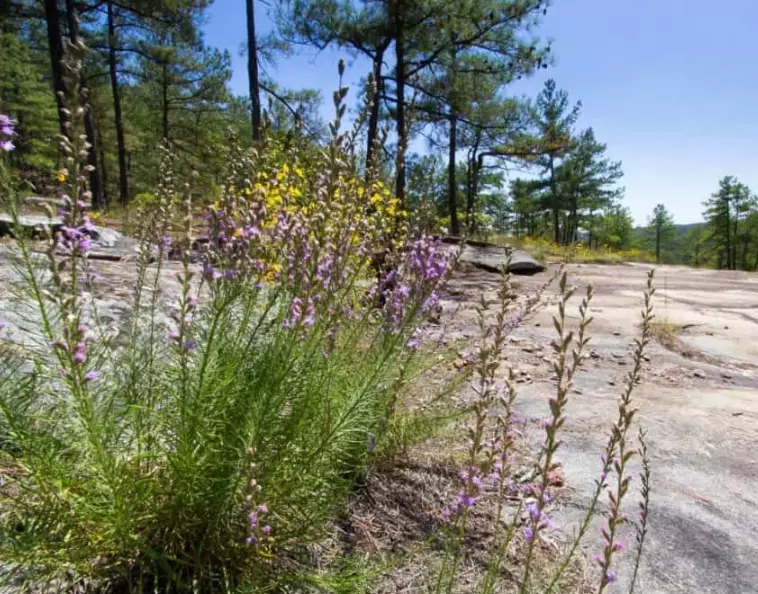
The Layering System is your best friend. Ditch the heavy winter coat. Think in terms of:
- Base Layer: Moisture-wicking (synthetic or wool), not cotton. Cotton kills, as they say, because it holds sweat and gets cold.
- Mid Layer: Insulation like a fleece or a lightweight puffy jacket for when you stop moving.
- Outer Shell: A waterproof and windproof jacket with a hood. This is your shield against spring showers and chilly wind.
- Extra: Always pack a warm hat and gloves. They weigh nothing and save the day.
Other gear must-haves? Trekking poles. They provide stability on mud, snow, and slippery stream rocks. They save your knees on descents. Get collapsible ones. A reliable map and compass (and the knowledge to use them). Trails can be obscured by snow or blowdowns (fallen trees) in spring. Don't rely solely on your phone GPS. And of course, the ten essentials: extra food, water, first-aid kit, headlamp, etc.
Safety First: Spring days are shorter than you think. A headlamp is not optional, even for a day hike. Getting caught in the dark on a wet, unfamiliar spring trail is a serious situation. Pack it every single time.
Answering Your Spring Trail Questions (The Stuff You Actually Google)
When is it *actually* safe to hike a high-elevation spring trail?
There's no universal date. It depends on the winter's snowpack, spring temperatures, and the trail's aspect. The best indicator is recent trip reports from other hikers or official trail condition updates from land managers. A good rule is to wait until most of the snow is gone from the trail at your skill level. If you're not comfortable with snow travel and navigation, wait longer. There's no shame in it.
Are wildflowers really that fragile?
Yes. Especially when they're just sprouting. That green carpet next to the trail? That's next month's flowers. Sticking to the established trail, even if it's muddy, protects that fragile ecosystem. If you want a wildflower photo, use a zoom lens. Don't trample the meadow to get a selfie. Organizations like the Leave No Trace Center for Outdoor Ethics have great resources on minimizing your impact.
What's the deal with ticks on spring trails?
They're out, and they're hungry. Ticks become active as soon as temperatures are consistently above freezing. Wear light-colored clothing (to spot them), treat your clothes with permethrin (follow instructions carefully!), and do a thorough tick check every time you get back from a hike. Check hairlines, behind ears, armpits, etc. Lyme disease and other tick-borne illnesses are real risks.
How do I handle a stream crossing if the bridge is out?
This is common in spring due to high water. First, don't assume you have to cross. Is the hike worth the risk? If you decide to proceed, look for the widest part of the stream (where it's often shallower and slower), not the narrowest. Use trekking poles downstream for a three-point stance. Loosen your pack straps so you can ditch it quickly if you fall. And if it looks or feels unsafe, turn around. The trail will be there another day.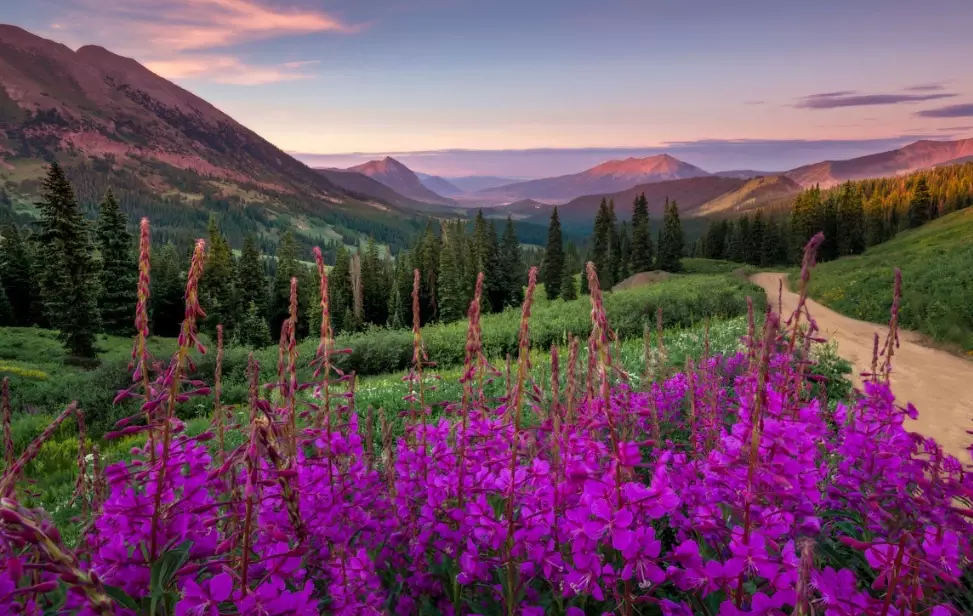
Making the Most of Your Spring Trail Adventure
Okay, you've picked a trail, packed your gear, and you're ready to go. Here’s how to shift your mindset to truly enjoy the unique rhythm of a spring hike.
Slow down. I mean it. Spring trails demand more attention. You're navigating conditions, not just cruising. Look at the small things—the buds on the trees, the first insects, the patterns of melting snow. The pace might be slower, but the experience is richer.
Embrace the mud. You're going to get dirty. Your boots will be caked. Your pants might be splattered. If you go out worrying about staying pristine, you'll have a bad time. See it as a badge of honor.
Listen to the water. The sound of rushing creeks and dripping trees is the soundtrack of spring trails. It's a sign of the earth waking up. Find a safe spot by a stream and just listen for a few minutes. It's better than any meditation app.
Be flexible and humble. Your planned 8-mile loop might turn into a 3-mile out-and-back because you hit an impassable snowfield or a raging creek. That's not failure; that's smart hiking. The goal is to return safely, not to conquer at all costs.
Final Thought: The best spring trail is the one that matches your preparation and respect for the season. It’s about witnessing renewal, testing your skills gently after a winter indoors, and coming home tired, maybe a little muddy, but deeply refreshed. Do your homework, pack thoughtfully, and then get out there. That first real hike of the year is waiting, and it’s worth every bit of the extra planning.
Now, lace up those boots—the ones with good traction—and go see what's happening on the trail. Just maybe check the recent reviews one more time first.