Quick Navigation
- Safety Starts on the Ground: Your Pre-Climb Ritual
- Core Skills That Aren't Optional
- Reading the Rock and the Day
- A Structured Approach to Risk: The "CLIMB" Checklist
- Answering Your Real-World Questions
- When Things Go Wrong: The Bail and Self-Rescue Mindset
- Wrapping It Up: Safety is a Conversation, Not a Test
Let's be honest. When you first start climbing, safety can feel like a boring afterthought. The rock calls, the adrenaline pumps, and you just want to get up there. I get it. I've been there, fumbling with a figure-eight follow-through while my more experienced friends sighed impatiently. But here's the uncomfortable truth I learned the hard way: ignoring climbing safety tips is the fastest way to turn an awesome day out into a really bad one. And not just for you.
This isn't about scaring you off the wall. It's the opposite. Good safety practices are what give you the confidence to push your limits, to try that tricky move, to trust your gear and your partner. They're the foundation that lets the fun happen. So whether you're just starting out at the gym or you've been hitting the crag for a few seasons, this guide is a down-to-earth, no-BS look at the safety tips for climbing that actually matter. We're going beyond the pamphlet basics and into the nitty-gritty that makes a real difference.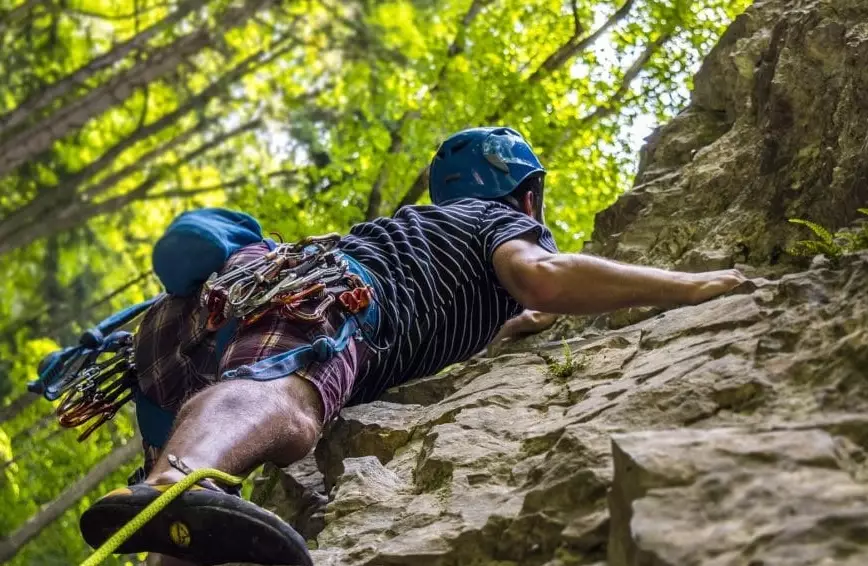
Safety Starts on the Ground: Your Pre-Climb Ritual
Most accidents don't happen because of a sudden, catastrophic rock failure. They happen because of a series of small oversights that stacked up. The solution? A ritual. A non-negotiable series of checks you do every single time, before your shoes even touch the rock. It might feel tedious at first, but soon it becomes as automatic as tying your shoes.
The Non-Negotiable Gear Check
Your gear is your lifeline. Treat it with respect, and inspect it with a paranoid eye. I'm not kidding. Be paranoid.
Helmet: Is it cracked? Does the adjustment system work smoothly? I see so many climbers leave their helmet at the base of easy climbs. Big mistake. A single falling pebble from a climber 50 feet above you can change your life. The American Alpine Club has countless reports where a helmet prevented a serious injury. Just wear it.
Rope: Run the entire length through your hands. Feel for flat, hard, or excessively soft spots. Look for core shots (where the sheath is cut, exposing the white core). Any doubt? Retire it. A rope is cheaper than a hospital bill.
Carabiners and Quickdraws: Gate action should be smooth and snappy. Check for hairline cracks, especially around the spine and gate nose. Any grit or dirt? Clean it out—it can prevent the gate from closing fully.
Belay Device: Check for excessive wear on the grooves. Is it the right type for your rope diameter? A device meant for a skinny single rope can be dangerously slippery with a fat gym rope.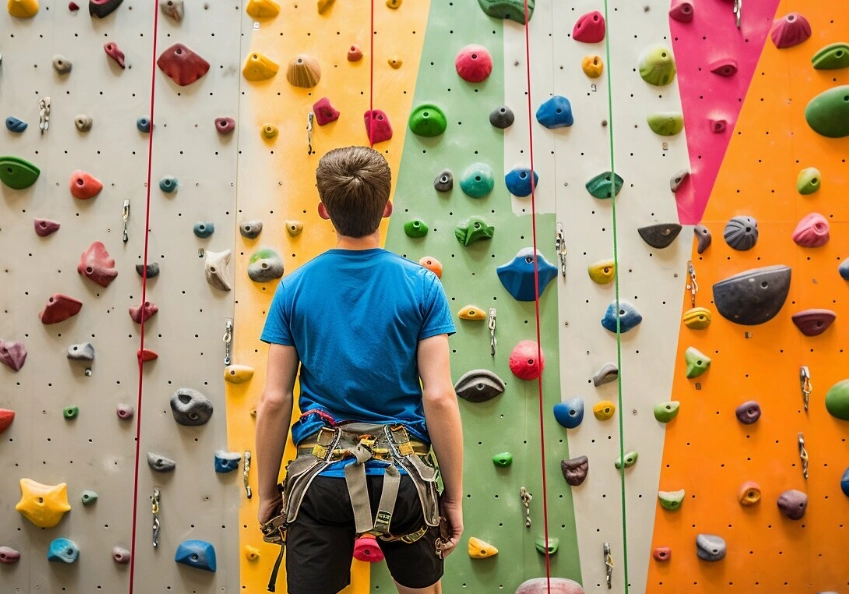
The Partner Check: More Than Just a Quick Glance
This is the most critical human interaction in climbing. The "partner check" or "buddy check" is sacred. It's not a casual glance. It's a systematic, verbal, and physical inspection of each other's systems.
Don't just say "you're good." Be specific.
- "Okay, your harness is doubled back through the buckle. Leg loops look secure."
- "Your figure-eight follow-through is dressed and has at least a fist's width of tail."
- "The rope is through your belay device, carabiner is locked, and you're attached to the anchor."
This process is the bedrock of all safety tips for climbing. It catches 90% of potential errors before they become disasters.
Core Skills That Aren't Optional
You can have all the shiny gear in the world, but if your foundational skills are shaky, you're building on sand. Let's break down the big three.
Knots: Know Them in Your Sleep
You really only need a few knots for most climbing, but you need to know them perfectly. Blindfolded. With someone yelling beta at you. In the rain.
- Figure-Eight Follow-Through: The gold standard for tying in. Learn to check that it's "dressed" (all strands running parallel) and has adequate tail (the rule of thumb is a fist's width, but check your rope manufacturer's recommendation).
- Clove Hitch: Your best friend for adjusting your position at an anchor. Quick to tie, easy to adjust, but it can loosen if unloaded and jerked. Always finish it with a backup if it's critical.
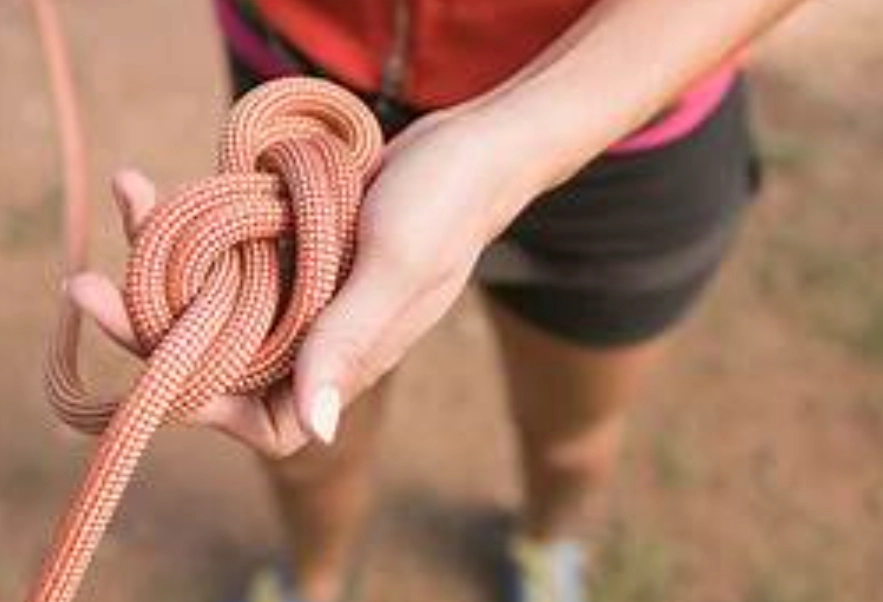
- Munter Hitch: A belay/rappel knot you can tie with just a carabiner. A total lifesaver if you drop your belay device. Practice it!
- Double Fisherman's: For joining two ropes or creating cordelettes. Make sure the two knots are snug against each other.
Practice these at home while watching TV. Seriously. Muscle memory saves brainpower for when you're scared and pumped at the anchor.
Belaying: It's a Active Job, Not a Spectator Sport
Belaying is boring until the exact second it becomes the most important job in the world. Stay engaged.
Communicate constantly. "Slack!" "Tension!" "Climbing!" "Watch me here!" Use clear commands. Know your device—whether it's an assisted-braking device (like a GriGri) or a tube device (like an ATC). Each has its own nuances. With a GriGri, you must still keep your brake hand on the rope; it's a backup, not an autopilot. The UIAA (International Climbing and Mountaineering Federation) sets global safety standards for equipment and techniques, and their resources are a goldmine for proper belay methods.
Top rope vs. lead belaying are different beasts. For lead belaying, you need to manage rope drag, give soft catches to protect your climber's back, and be ready to take in rope quickly as they clip. It's a dynamic dance.
Falling: The Skill Nobody Wants to Practice (But Should)
Fear of falling is the biggest mental barrier in climbing. The best way to fight it? Take practice falls in a controlled environment.
On a safe, overhanging route with a trusted belayer, start small. Fall from just above the clip. Then higher. Shout "Falling!" every time. Learn how your body reacts. A good practice fall is relaxed—you go into a slight sitting position, keep your limbs away from the wall, and trust the rope. A panicked, spread-eagle fall is how you get inverted or hit features.
Your belayer is key here too. They should be giving a "soft catch" by jumping slightly as they catch you, absorbing the force. A hard, static catch hurts and can shock-load the gear.
This is one of the most advanced safety tips for climbing—mastering the fall itself transforms your mental game.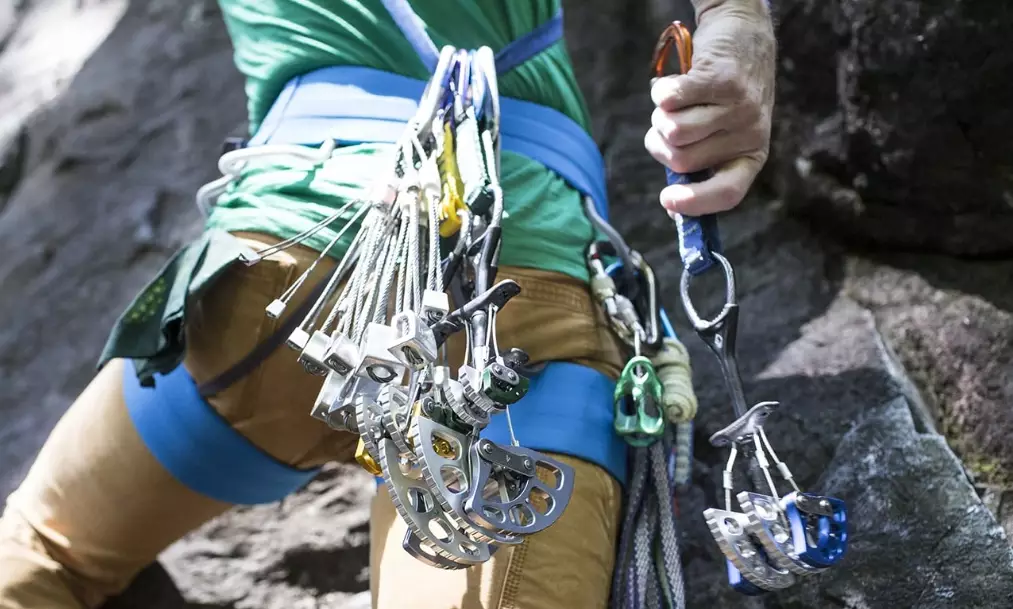
Reading the Rock and the Day
Safety isn't just about your gear and knots; it's about the environment. The rock is not a static gym wall.
Rock Quality and Weather
Tap holds before you trust them. Hollow-sounding flakes can break. Wet rock, especially sandstone or limestone, is dangerously weak. If it rained last night, maybe today's a rest day. Check the weather forecast religiously. A sudden afternoon thunderstorm isn't just wet—it's a lightning risk. The National Weather Service has great resources on lightning safety, a real threat for alpine and multi-pitch climbers.
Heat is a silent danger too. Dehydration leads to poor decision-making. Bring more water than you think you need. Sun exposure on a south-facing wall can be brutal.
Route Choice and Your Honest Assessment
Be brutally honest about your abilities. That classic 5.10 might be safe for an experienced leader but a deathtrap for a nervous beginner on their first lead. Consider the route's style (slabby, overhanging, crack), the protection quality (are there bolts? good gear placements?), and the descent (walk-off? rappel?).
Guidebooks and apps like Mountain Project often have crucial safety notes. Read them. Look for comments about loose rock, tricky anchors, or runouts (sections with no protection).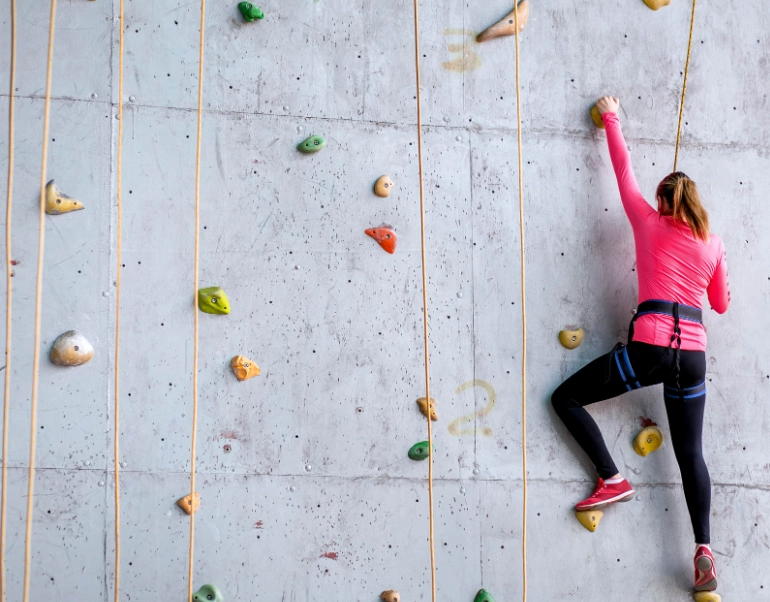
A Structured Approach to Risk: The "CLIMB" Checklist
When things get complex—on a multi-pitch route or in an unfamiliar area—having a mental framework helps. I like the CLIMB acronym. It’s a simple way to structure your risk assessment.
| Letter | Stands For | Questions to Ask |
|---|---|---|
| C | Conditions | How's the weather? Rock dry? Windy? How crowded is the route? Is it getting dark? |
| L | Location | Do I know the descent? Where are the rappel anchors? What's the cell service like (for emergencies)? |
| I | Individual | Am I tired, dehydrated, scared, or distracted? Is my partner in a good headspace? Are our skills up for this? |
| M | Management | Do we have the right gear? Enough water/food/layers? A communication plan? A bail plan if things go south? |
| B | Behavior | Are we rushing? Skipping checks? Letting ego drive decisions? Is everyone communicating clearly? |
Run through this in your head at the base of the climb, and again at any major transition point (like a belay ledge). If you get multiple red flags in any category, it's a powerful signal to pause, discuss, or even turn around. The summit will still be there another day.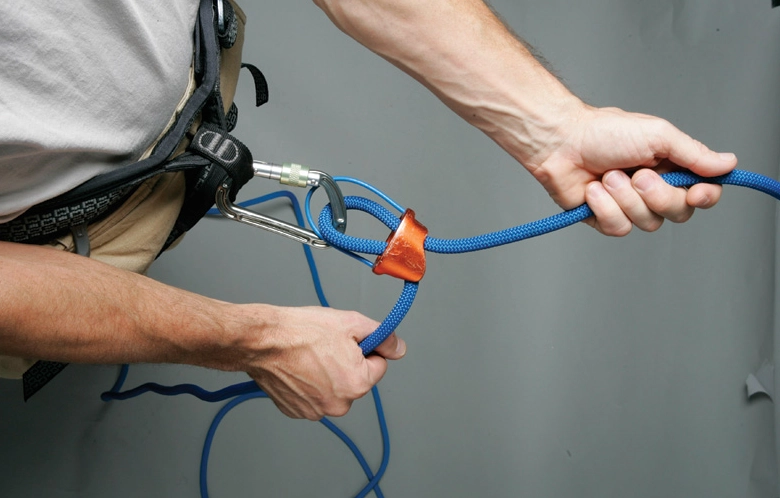
Answering Your Real-World Questions
When Things Go Wrong: The Bail and Self-Rescue Mindset
Part of being safe is having an exit strategy. You need to know how to retreat. This is where self-rescue skills come in—things like escaping the belay, passing a knot on a rappel, or hauling an injured partner. These are advanced skills best learned from a qualified instructor or a detailed manual like those from the American Mountain Guides Association (AMGA).
But the basic mindset is simple: Don't wait until you're in a storm, lost, and panicked to think about your options. At the first sign of serious trouble—weather rolling in, an injury, getting hopelessly off-route—start the retreat process early. It's always harder and scarier in the dark.
Carry a few extra items for bail: two extra locking carabiners, a knife or trauma shears (for cutting tangled cord/webbing in an emergency), and a headlamp with fresh batteries, even for a day climb.
Wrapping It Up: Safety is a Conversation, Not a Test
Look, the goal of all these safety tips for climbing isn't to create a rulebook that sucks the joy out of the sport. It's to build a framework of habits so solid that you don't have to think about it under pressure. It becomes part of the flow.
Start with the absolute basics: the partner check, the helmet, knowing your knots. Drill them until they're boring. Then layer on the next skill: managing falls, assessing rock, planning your descent.
The most important tip of all? Stay humble. The rock doesn't care about your Instagram feed or your hardest redpoint. It's indifferent. Our safety systems are what allow us to play in that vertical world and come back down to tell the story. Respect the process, trust your systems, and you'll have a lifetime of incredible days ahead of you.
Now go double-check that knot.