Quick Navigation
- Why Even Try Beginner Climbing?
- Your First Step: Where Does Beginner Climbing Happen?
- Gear Talk: What Do You Actually Need to Buy (and Not Buy)?
- The Non-Negotiables: Safety for Beginner Climbers
- Okay, I'm on the Wall. Now What? Basic Technique Over Strength.
- Answering Your Burning Questions (The FAQ Section)
- Making It a Habit: Beyond the First Visit
Let's be real for a second. Walking into a climbing gym for the first time can feel... intimidating. You see people clinging to walls like spiders, a confusing mess of colorful holds, and more gear than a hardware store. You might be thinking, "Where do I even put my hands? Do I need to be super strong? What if I fall?"
I remember my first time. I wore running shoes, had no idea what a 'belay device' was, and spent more time staring at the wall than actually climbing. It was awkward. But you know what? Everyone starts somewhere, and that 'somewhere' is exactly what we're going to talk about.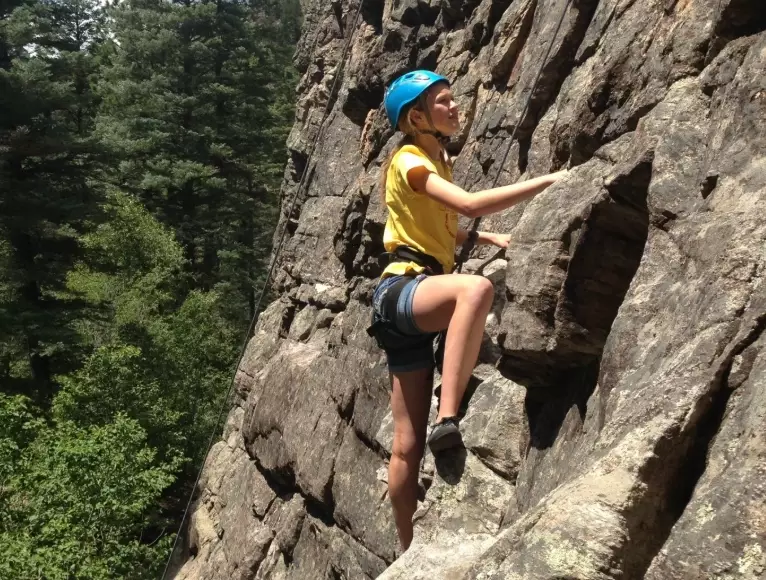
This isn't just another generic list of tips. This is the guide I wish I had. We're going to strip away the jargon and the intimidation and talk about beginner climbing in plain English. We'll cover the how, the where, the what, and the why-nots. By the end, you'll know exactly what to do for your first climb, whether it's in a gym or on real rock.
Why Even Try Beginner Climbing?
Before we dive into gear and techniques, let's talk about why you're here. Maybe you saw a cool video, or a friend won't stop raving about it. The reasons to start climbing for beginners are better than you might think.
It's a full-body workout that doesn't feel like one. You're solving a puzzle with your body. Your brain is so focused on finding the next hold that you forget you're exercising your back, arms, core, and legs all at once. Unlike lifting weights in a gym, the goal is clear: get to the top. It's functional fitness in its purest form.
Then there's the mental game. Climbing is often called "vertical chess." You have to plan your route, manage your energy, and stay calm when you're up there. It teaches focus and problem-solving in a way few other activities do.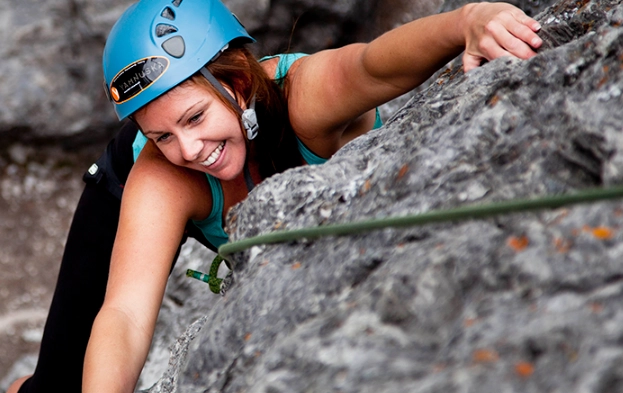
But honestly, for me, the biggest sell is the community. Walk into most climbing gyms, and you'll find people are genuinely supportive. They'll offer beta (that's climbing talk for advice on a sequence of moves) if you're stuck, cheer you on when you're trying hard, and share a laugh when you peel off the wall. It's a social sport. You might go in alone, but you rarely leave without having talked to someone.
Your First Step: Where Does Beginner Climbing Happen?
You basically have two avenues: indoors or outdoors. For 99.9% of true beginners, the gym is the absolute best and only place you should start.
The Climbing Gym: Your Controlled Playground
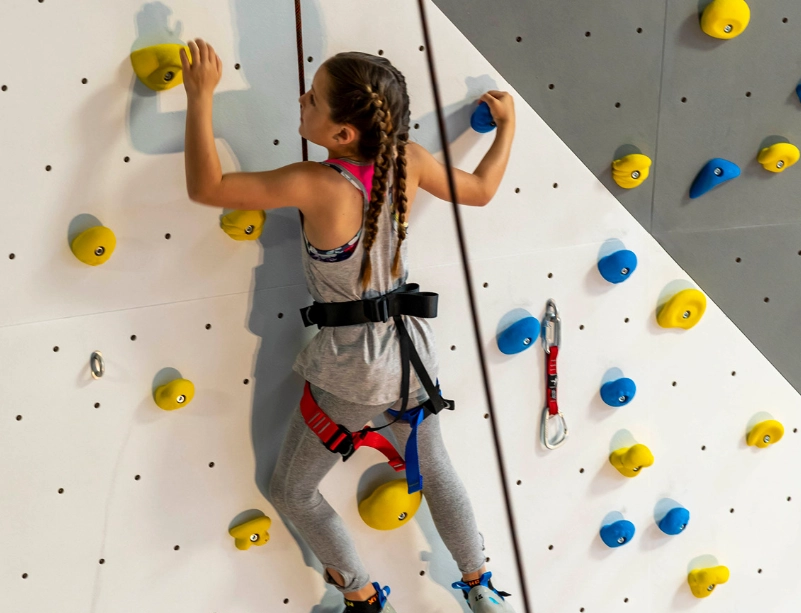
Think of a climbing gym as a safe, weather-proof training ground. The walls are padded at the bottom, the routes are color-coded by difficulty, and staff are around to help. Most offer beginner packages that include a day pass, shoe rental, and a harness rental. Some even throw in a short introductory lesson.
Gyms typically offer two main types of climbing for newcomers:
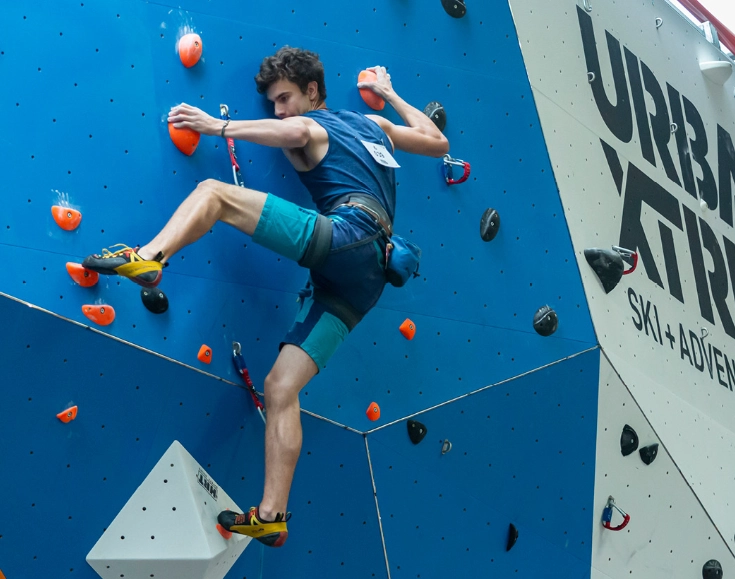
- Bouldering: This is climbing shorter walls (usually 12-15 feet high) over thick, padded mats. You don't use a rope or harness. It's just you, the wall, and the puzzle. It's fantastic for beginner climbing because you can start immediately. You learn movement, balance, and technique without having to learn complex rope systems first. You also get to try a move, fall, and try again quickly. It's social, as people tend to work on "problems" (that's what boulder routes are called) together.
- Top-Rope Climbing: This is what most people picture: climbing a taller wall while tied into a rope that goes up to an anchor at the top and back down to a partner who manages the rope (belays you). It feels higher and more exposed, but it's incredibly safe when done correctly. You need to learn basic knots and belay commands, which most gyms teach in a certification class.
How do you find a good gym? Search for "climbing gym near me" and read reviews. Look for ones with good "beginner-friendly" mentions. Don't be shy to call them and ask about their intro programs for first-timers. The Climbing Business Journal maintains industry lists, but local Google or Yelp reviews from other new climbers are your best bet.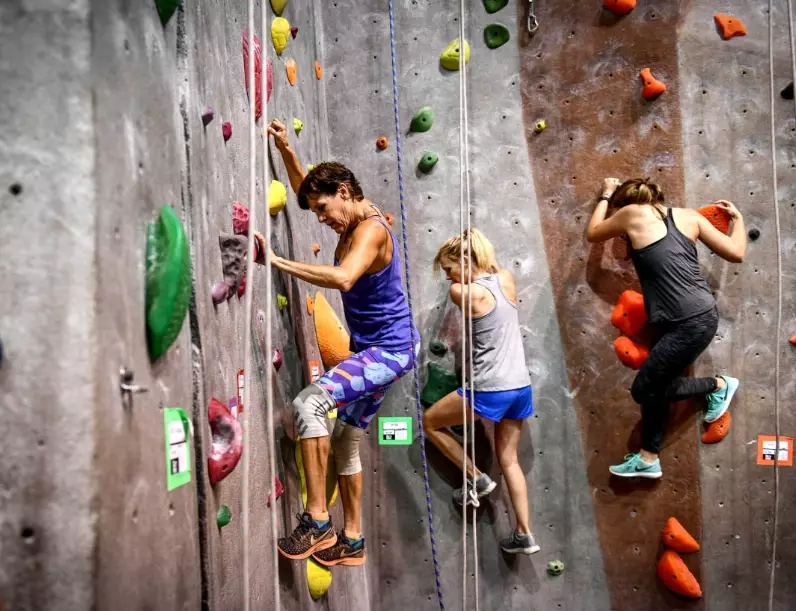
Outdoor Climbing: Hold Your Horses
I'm going to be blunt here: Do not try to go outdoor climbing as your very first experience. It's not just a harder version of the gym. It involves finding crags, assessing rock quality, placing your own safety gear (or trusting fixed gear), dealing with weather, and having a much higher level of self-sufficiency and risk management.
The transition from gym to outdoors is a big leap and should be done with an experienced climber or, better yet, a certified guide from an organization like the American Mountain Guides Association (AMGA). They'll teach you about outdoor ethics, leave-no-trace principles for crags, and how to stay safe on real rock. Save this for after you've caught the bug indoors.
Gear Talk: What Do You Actually Need to Buy (and Not Buy)?
This is where people get paralyzed. The gear looks technical and expensive. The good news? You need almost nothing to start.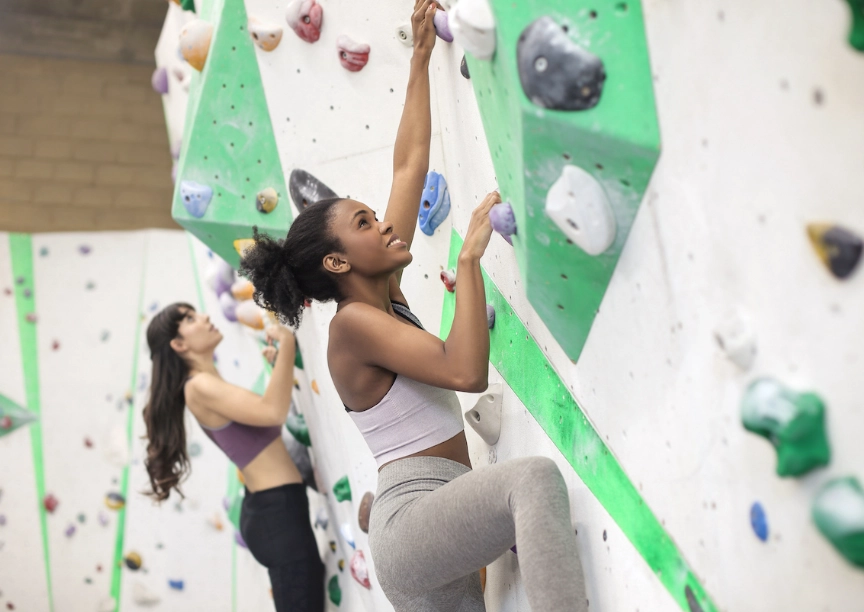
For your first several visits, rent everything. Gyms have rental shoes, harnesses, and chalk bags. This lets you figure out if you even like the sport before dropping cash. It also lets you try different shoe brands to see what feels good.
When you're ready to commit, here's a realistic breakdown of what to get, in order of priority.
| Gear Item | What to Look For | Beginner Price Range (USD) | Personal Take & Pitfalls |
|---|---|---|---|
| Climbing Shoes | Flat or moderate downturn. Comfort is KEY for beginners. Avoid aggressively downturned "aggressive" shoes. | $80 - $120 | This is your most personal piece of gear. They should be snug but not painfully tight. Your toes should be at the end, but not curled violently. A common mistake is buying them too small because "that's what climbers do." For beginner climbing, comfort promotes better technique. I made this mistake and my first shoes gave me cramps after 10 minutes. |
| Harness | A basic, padded gym harness. Adjustable leg loops are a plus for wearing over different clothes. | $50 - $80 | Just make sure it fits. You should be able to fit a flat hand between your leg and the leg loop. The waist belt should sit above your hip bones. Don't overthink this one. A simple Black Diamond or Petzl model is perfect. |
| Chalk & Chalk Bag | Loose climbing chalk (magnesium carbonate) and a simple bag with a belt loop. | $15 - $25 total | Chalk keeps your hands dry for better grip. The bag is more about convenience than necessity at first. You can often just use gym chalk. Don't get a giant, expensive bag. A simple one works fine. |
| Belay Device & Locking Carabiner | Only if you plan to top-rope. An "ATC"-style tube device is the standard starter. Get a pear-shaped screw-gate locking carabiner. | $25 - $40 total | Your gym will likely require you to use your own after you're certified. An ATC is simple, reliable, and teaches good habits. Avoid fancy assisted-braking devices (like a GriGri) until you're very solid on the fundamentals with a basic device. |
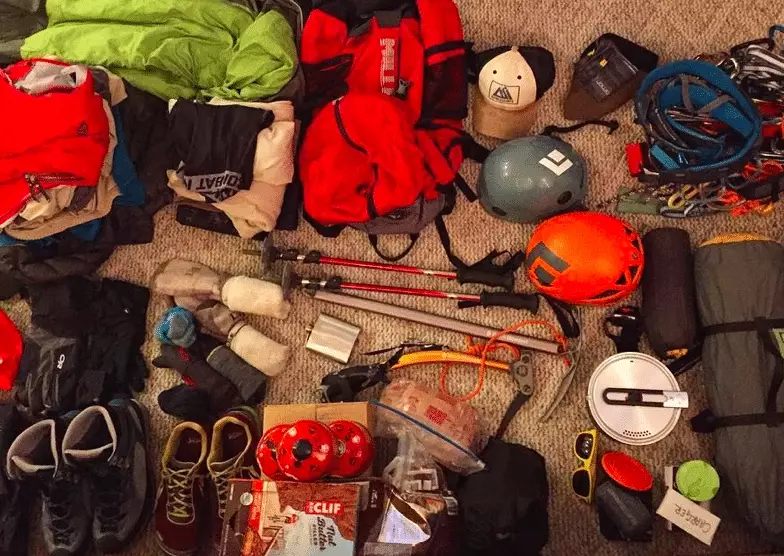
See? It's not a huge list. Notice what's not on there: a rope, quickdraws, cams, nuts, helmets (for gym climbing). Don't buy that stuff yet.
Where to buy? Local gear shops are awesome for trying on shoes and harnesses. Staff are usually climbers. Online retailers like REI or Backcountry are also great, especially if you know your size. REI's return policy is famously generous if something doesn't fit right.
The Non-Negotiables: Safety for Beginner Climbers
This is the most important section. Climbing is a risk-managed sport, not a risk-free one. Managing that risk is your number one job.
Gym Safety 101
If you're bouldering, the rules are simple but critical:
- Always look before you fall or jump. Is someone walking underneath you? Wait.
- Land with your knees bent and roll onto your back if needed. Don't lock your knees.
- Keep all items (water bottles, phones, bags) well away from the landing zones.
For roped climbing, safety is a partnership. If you take a belay class (which you must do to belay in a gym), you'll learn this in detail, but the golden rules are:
- Partner Checks: Every. Single. Time. Before you leave the ground, you check your partner's harness buckle, knot, and belay device setup, and they check yours. It takes 10 seconds and is the single best habit to prevent accidents.
- Communication: Use the standard commands clearly.
- Climber: "On belay?" (Are you ready to secure me?)
- Belayer: "Belay on." (I'm ready.)
- Climber: "Climbing." (I'm starting.)
- Belayer: "Climb on." (Go ahead.)
- To come down: Climber: "Take!" (Pull the rope tight.) then "Lower me!"
- Stay Focused: The belayer's job is to watch the climber, not their phone, not a conversation across the gym. The climber's life is literally in their hands.
Listening to Your Body
Safety isn't just about gear and systems. Beginner climbers often get hurt because they try to do too much too soon. Your tendons and ligaments in your fingers and elbows are not used to this kind of stress.
If something hurts (a sharp pain, not a muscle burn), stop. Climbing through joint pain is a fast track to a chronic injury like tendonitis. Rest days are not optional; they're when your body gets stronger. Start with 2-3 sessions a week max.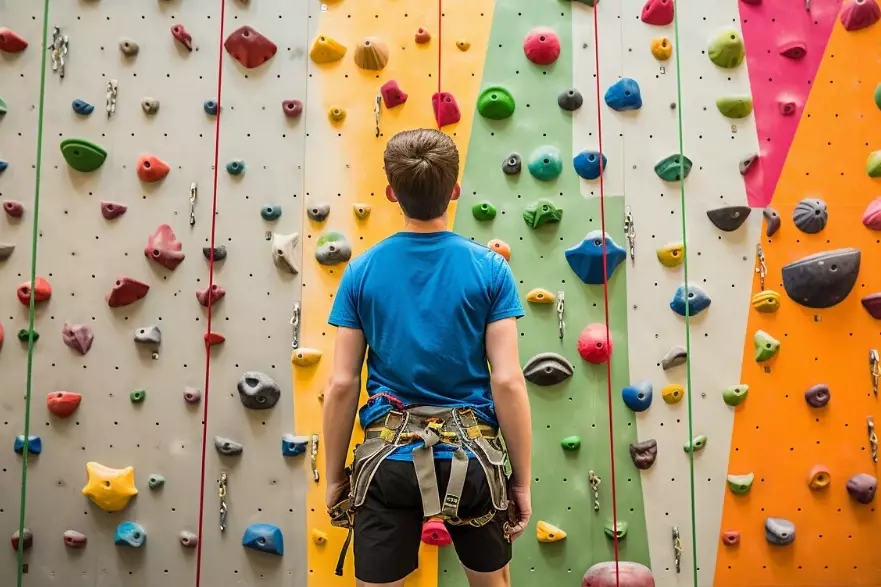
Okay, I'm on the Wall. Now What? Basic Technique Over Strength.
This is the fun part. The biggest misconception in beginner climbing is that you need Herculean arm strength. Wrong. Good climbers use their legs and their brains.
Footwork is Everything
Your legs are much stronger than your arms. The goal is to use your feet to push your body up, not your arms to pull it up.
- Look at your feet. Seriously, watch them until they are precisely placed on the hold. Don't just kick at the wall.
- Use the inside edge of your shoe, near the big toe. It's the most precise and powerful part.
- Try to keep your hips close to the wall. If your butt is sagging out, your arms are doing all the work. Twist your hips and torso to reach holds.
I see so many new climbers doing "the bicycle"—desperately pulling with their arms while their feet skate off the holds. Focus on quiet, precise foot placements. If your foot slips, look at it and place it again deliberately.
Handholds: How to Grip (Without Burning Out)
You don't need to death-grip every hold. In fact, that's the quickest way to pump out (get forearms so pumped with blood they stop working).
- Open-hand grip: Your fingers are more straight than curled. This uses your tendons more efficiently and saves energy. Use this on bigger holds or when resting.
- Crimp grip: Your fingers are sharply bent, with the thumb sometimes over the index finger for support. This is powerful but stressful on finger joints. Use it sparingly as a beginner.
- Remember to breathe. It sounds silly, but people hold their breath when they're scared or trying hard. Breathe out on the hard move.
Answering Your Burning Questions (The FAQ Section)
Am I too old/too heavy/not strong enough to start climbing?
Probably not. I've seen people in their 60s start climbing. I've seen people of all body types excel. Climbing is about technique, balance, and problem-solving more than raw power or a specific physique. Your strength will build naturally as you climb. The only real barrier is a specific medical condition that your doctor would warn you about.
How do I deal with the fear of heights?
This is super common, and it's a user pain point we need to address head-on. First, start with bouldering. The heights are lower, and the fear is more about falling than the height itself. You'll get used to letting go and landing on the pad.
For roped climbing, trust in your gear and your belayer is key. Practice taking small falls on purpose from a low height. Have your belayer take up all the slack so you only drop an inch. Then try a slightly bigger one. This "fall practice" de-mystifies the process. The rope and system are designed to catch you. The fear never fully goes away for most people, but you learn to manage it and push your comfort zone slowly.
What's the etiquette? I don't want to look like a jerk.
Good on you for asking. Climbing has a strong culture of respect.
- Don't spray beta. Don't give unsolicited advice on how to do a climb. If someone looks stuck, it's polite to ask, "Would you like some beta?" before offering it.
- Be aware of your space. Don't walk under someone who is climbing on a boulder problem. Give roped climbers a wide berth.
- Sharing is caring. If a route or boulder problem is busy, take turns. Climb, then step back and let others try.
- Clean up your chalk spills and take your trash with you.
How do I know what route to try?
Gyms use a grading system. In the US, bouldering uses the V-scale (V0, V1, V2...) and roped climbing uses the Yosemite Decimal System (5.5, 5.6, 5.7...). The key thing: these grades are subjective and vary wildly between gyms. A V2 in one gym might feel like a V1 in another.
As a total beginner, look for the easiest grade in the gym (usually V0 or VB for bouldering, 5.5-5.6 for roped). If you can't do it, that's fine! Try an individual move. See if you can just get off the ground. The grade is just a suggestion, not a judgment. The Outdoor Industry Association notes the huge growth in indoor climbing participation, which means gyms are catering more and more to absolute beginners—so there will be climbs for you.
Making It a Habit: Beyond the First Visit
Let's say you go once and have a blast. How do you keep the momentum without burning out or getting injured?
Warm up. I mean it. Don't just jump on the hardest-looking problem. Start on the easiest climbs in the gym. Do some light cardio, arm circles, and wrist stretches. Get blood flowing to your fingers.
Set process-oriented goals, not outcome-oriented ones. Instead of "I will send V2 today," try "Today I will focus on placing my feet silently" or "I will try three different climbs that scare me a little." This keeps it fun and focuses on learning.
Climb with people better than you. You'll learn so much by just watching how they move, where they rest, how they plan their sequence. Don't be intimidated to ask to join a group. Most are happy to have more people.
Cross-train gently. Antagonist training (working the muscles opposite your climbing muscles) is huge for injury prevention. Simple push-ups, rows, and shoulder exercises can balance out all the pulling you do on the wall.
So, there you have it. The whole messy, wonderful, challenging world of beginner climbing laid out as honestly as I can. It's a sport that will humble you, frustrate you, and then give you a thrill like few others when you finally stick that move you've been working on for weeks.
The door is open. The gyms are waiting. Your first climb doesn't have to be perfect. It just has to be a start.
Now go get on the wall.