In This Winter Park Guide
- Why Bother? The Case for a Winter Park Visit
- Your Blueprint: Planning a Winter National Park Trip
- Safety First: Navigating the Cold Reality
- Top National Parks for a Winter Experience
- What to Actually *Do*: Winter Activities Decoded
- Answering Your Winter Park Questions
- Making It Happen: Your Final Checklist
Let's be honest. When most people think of national parks, they picture summer hikes, crowded overlooks, and the hum of RVs. Winter? That's when you close the guidebook and wait for spring, right?
Wrong. So wrong.
If you've never experienced winter in national parks, you're missing out on a completely different world. The summer crowds vanish, replaced by a profound silence broken only by the crunch of snow under your boots. The landscapes transform into stark, breathtaking monochromes or glittering wonderlands. Wildlife becomes more visible against the white canvas, and the air feels crisper, cleaner.
But it's not all serene postcard scenes. Planning a trip to a national park in winter is a different beast altogether. It demands respect, preparation, and a willingness to embrace the cold. I learned that the hard way on my first winter trip to Yellowstone, shivering in a parking lot because I underestimated just how quickly the sun disappears behind the mountains. That experience taught me more than any guidebook could.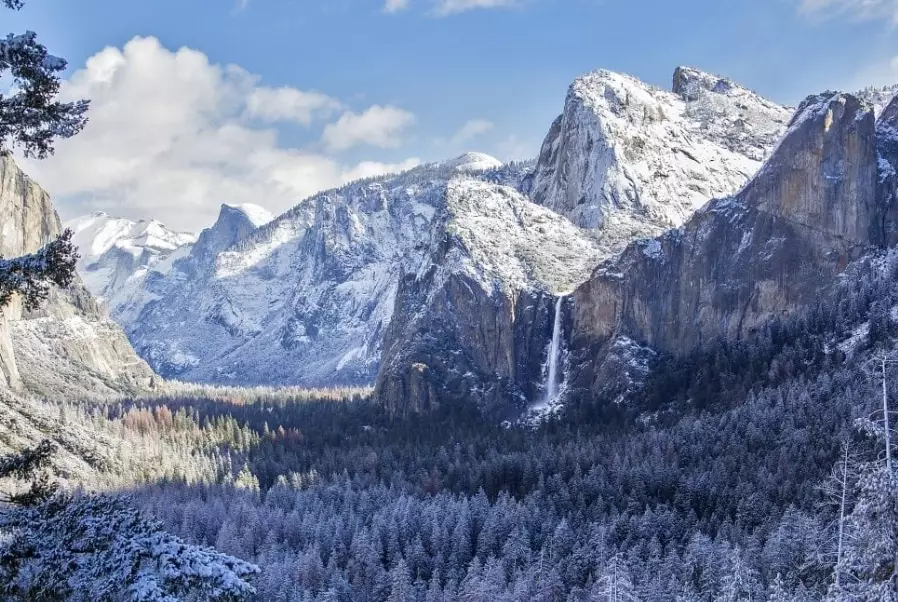
This guide isn't just a list of pretty places. It's the manual I wish I'd had. We're going to walk through everything—from the initial spark of an idea to the moment you're driving home with tired legs and a full camera roll. We'll talk about how to plan, what to pack, where to go, and most importantly, how to stay safe while chasing that perfect winter solitude.
Why Bother? The Case for a Winter Park Visit
Before we dive into the nitty-gritty, let's talk about the "why." Why trade a warm fireplace for a frozen trail?
The solitude is the biggest sell for me. I remember hiking a popular trail in Rocky Mountain National Park one January Tuesday. In July, you'd be in a conga line of hikers. That day, I saw two other people in four hours. The only sound was my own breathing and the wind in the pines. You get a sense of ownership, a private viewing of America's most spectacular scenery.
Then there's the wildlife. Animals are more active during daylight hours in winter as they search for food. Without foliage, spotting them is easier. I've had closer (safe, respectful) encounters with bison, elk, and eagles in winter than in any other season. The scenery itself undergoes a dramatic change. Geysers in Yellowstone steam more violently in the cold air. Waterfalls partially freeze into intricate ice sculptures. The low winter sun casts long, dramatic shadows across snow-covered peaks, creating a photographer's dream.
And let's not forget the activities. Winter unlocks a new set of adventures. Snowshoeing, cross-country skiing, winter photography, and even snow-coach tours become the main attractions.
Simply put, winter in national parks offers a purer, more challenging, and often more rewarding experience.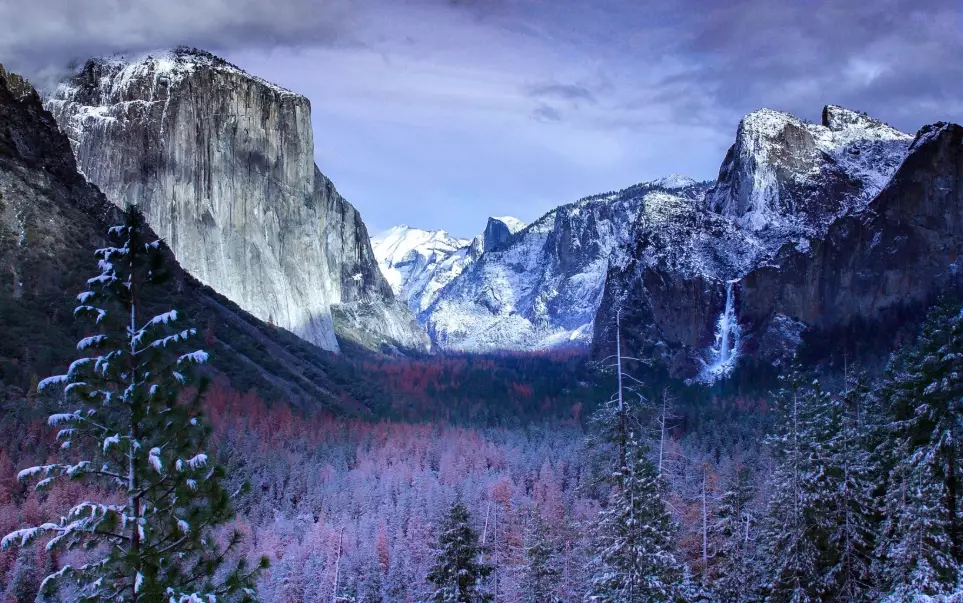
Your Blueprint: Planning a Winter National Park Trip
This is where trips are made or broken. Summer spontaneity doesn't fly here. A successful winter trip is built on research and preparation.
Timing is Everything (And It's Not Just "Winter")
"Winter" covers a long period. Early December is different from late February. You need to think about what you want.
Want deep, powdery snow for skiing? Target January and February in mountain parks like Yosemite or Glacier. More interested in accessibility and slightly milder temperatures for hiking? Late fall (November) or early spring (March) might be your window in parks like the Grand Canyon or Zion, where the South Rim stays open but gets dustings of snow. Holiday periods (Christmas, New Year's, Presidents Day) will see a spike in visitors, even in winter. If true solitude is the goal, avoid them.
Always, always check the park's official website for seasonal road closures. This is the single most important piece of research. Going to Crater Lake to see the deep blue water against the snow? Great. Just know that the rim drive is almost always closed from November to May. Your access will be limited. The National Park Service website for each park is your bible here.
Where You'll Lay Your Head: Accommodation Strategies
Lodging inside parks is often limited and books up fast, sometimes months in advance for popular spots like the Old Faithful Snow Lodge in Yellowstone. If park lodges are full, look to gateway towns. They're quieter in winter but usually have at least one hotel or inn open. Camping? It exists, but it's for the prepared and hardy. Many campgrounds close. Those that remain open often have no running water (vault toilets only). Winter camping is a serious commitment.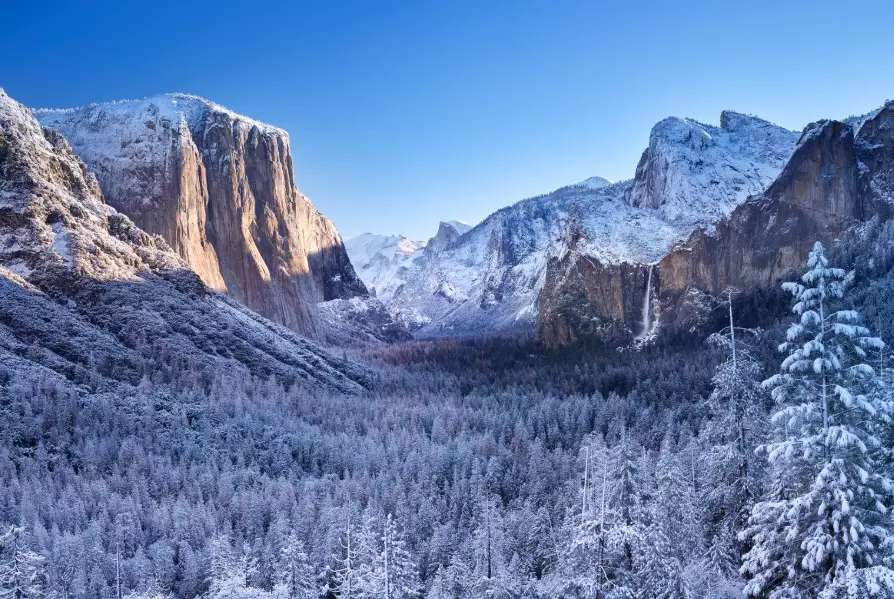
My personal strategy? I often book a lodge inside the park for a night or two for the full immersion, then move to a cheaper motel in a nearby town for the rest of the stay. It splits the cost and gives you flexibility.
The Art of Winter Driving and Getting Around
This is the biggest hurdle for many and the source of most winter trip anxieties. You must be prepared.
First, your vehicle. All-wheel drive or four-wheel drive is highly recommended, and sometimes legally required on certain park roads (they'll post signs saying "Chains or 4WD Required"). Even with AWD, you need winter tires. All-season tires harden and lose grip below 45°F. Winter tires are made of a softer rubber compound for cold pavement, snow, and ice. They are a game-changer. Don't have them? At the very least, carry a set of traction devices like AutoSock or traditional tire chains—and know how to put them on *before* you're in a blizzard on the side of the road. Practice in your driveway.
Pack a winter emergency kit in your car: blankets, sleeping bags, extra food and water, a flashlight, a small shovel, kitty litter or sand for traction, jumper cables, and a portable phone charger.
Inside the parks, your options shrink. Scenic drives may be closed or converted to groomed trails for snowmobiles and skis. Shuttle services that run in summer are often suspended. You become reliant on your car or guided tours. Always check road statuses the morning of your outing. Conditions can change by the hour. The National Weather Service site is crucial for forecasts, but the park's own social media or alert page will have the most specific road info.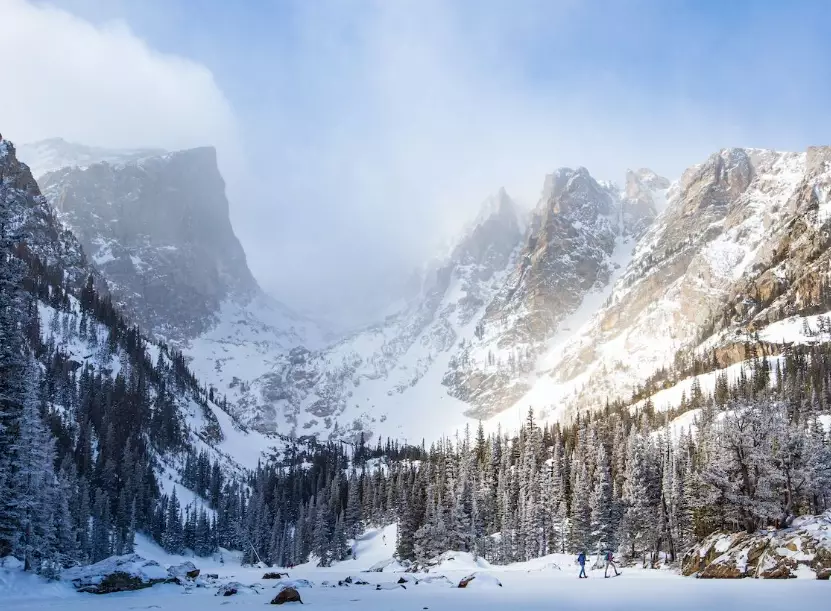
Heads up: Gas stations can be few and far between, and some close in winter. Never let your tank drop below half a tank. Running out of gas in a remote area in winter isn't an inconvenience; it's a life-threatening situation.
Safety First: Navigating the Cold Reality
This isn't about being a scare-monger. It's about respect. The beauty of winter in national parks is matched by its risks. A little knowledge goes a long way.
Dressing for Success (Not Just Comfort)
Forget cotton. It's a killer in the cold because it absorbs moisture and loses all insulating power. You need a moisture-wicking base layer (think synthetic or merino wool), an insulating mid-layer (fleece or down), and a waterproof/windproof outer shell. The classic rule is to dress in layers so you can adjust as you heat up from activity or cool down when you stop.
Extremities need extra love. A good hat, insulated gloves (plus a spare pair), and warm, moisture-wicking socks are non-negotiable. I'm a fan of mittens over gloves for really cold days—your fingers share warmth.
And your feet! Waterproof, insulated boots with good traction are worth every penny. Cold, wet feet will ruin your day faster than anything.
Avalanche Awareness: It's Not Just for Skiers
If you're venturing into mountainous terrain, even on snowshoes, you need to think about avalanches. They are a real danger in the backcountry of many western parks. Staying on established, groomed, or frequently traveled trails is your safest bet. If you plan to go into avalanche terrain, you need training, a beacon, a probe, and a shovel—and the knowledge to use them. Check the local avalanche forecast (like from the American Avalanche Association) every single day. This is serious business.
Hypothermia and Frostbite: Knowing the Signs
Hypothermia happens when your body loses heat faster than it can produce it. Early signs include shivering, confusion, slurred speech, and clumsiness. Frostbite is the freezing of skin and underlying tissues. It often affects fingers, toes, nose, and ears. The skin becomes cold, numb, and may turn white or grayish-yellow.
Prevention is key: stay dry, stay covered, stay fueled with snacks and water. Dehydration happens just as easily in winter. If you or a companion show signs of either, get to shelter and warmth immediately. A thermos of hot tea or soup isn't just a nice-to-have; it's a safety tool.
Pro Tip: Tell someone your plans. Leave a note at your lodge or with a friend detailing where you're going, what trail you're taking, and when you expect to be back. In winter, with fewer people on the trails, this simple step is your best backup plan.
Top National Parks for a Winter Experience
Not all parks are created equal in winter. Some shut down significantly, while others come alive. Here are my top picks, each offering something unique for a winter in national parks adventure.
| Park | Winter Vibe | Signature Activity | Key Consideration |
|---|---|---|---|
| Yellowstone | Steamy, surreal, wildlife-focused | Snowcoach tours, viewing geothermal features, wolf watching | Most roads closed to regular cars; access via guided tour or oversnow vehicle is primary mode. |
| Yosemite | Majestic, quiet, snowy wonderland | Snowshoeing in Mariposa Grove, ice skating at Curry Village, photography of Half Dome | Tioga Pass and Glacier Point roads closed. Valley is accessible but can get busy on weekends. |
| Rocky Mountain | High-altitude, crisp, serene | Cross-country skiing, winter hiking on lower trails, wildlife spotting in Estes Park | Trail Ridge Road closed. Weather changes extremely fast; wind is a major factor. |
| Grand Canyon (South Rim) | Crowd-free, stark, peaceful | Hiking into the canyon (with extreme caution), scenic drives along the rim | North Rim closed. South Rim trails can be icy; traction devices for boots are essential. |
| Acadia | Rugged, coastal, storm-watching | Snowshoeing on carriage roads, watching waves crash on icy cliffs | Park Loop Road mostly closed. Access to sights is piecemeal via plowed sections. |
Yellowstone in winter is my personal favorite, but it's also the most logistically complex. You're largely giving up control to tour operators for access into the interior. The payoff—seeing bison plowing through deep snow with geyser steam in the background—is absolutely worth it.
For a first-time winter park visitor, I often recommend Rocky Mountain or the Grand Canyon's South Rim. They offer a more accessible taste—you can still use your own car to get to key viewpoints and trailheads, and the towns nearby have solid services.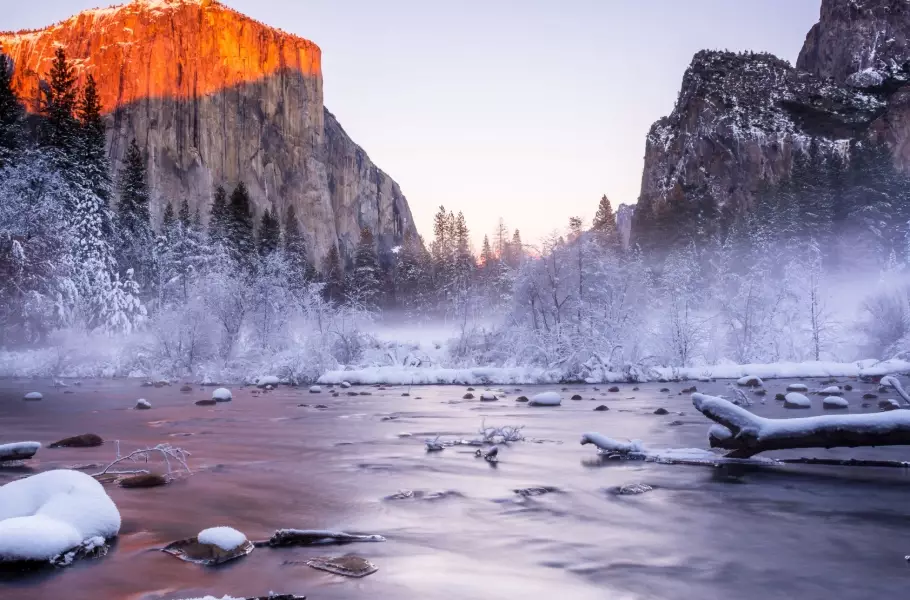
What to Actually *Do*: Winter Activities Decoded
Okay, you're there. You're bundled up. Now what? The activity list shifts in winter.
Snowshoeing: Winter Hiking for Everyone
This is the easiest way to hit the trails. If you can walk, you can snowshoe. It's a fantastic workout and lets you access pristine, silent forests and meadows. Many parks offer ranger-led snowshoe walks (they often provide the snowshoes!), which is a brilliant way to learn and get interpretive info. Just remember that trails are buried, so following markers or a GPS map is crucial.
Cross-Country Skiing: Gliding Through Silence
Many parks groom specific trails for classic cross-country skiing. It's more efficient than snowshoeing for covering distance and offers a magical, rhythmic experience. You can rent gear in gateway towns. Start on beginner terrain.
Winter Photography: Capturing the Blue Hour
The light in winter is low and golden, casting long shadows. Snow acts as a giant reflector, filling in shadows beautifully. Protect your gear: keep batteries warm in an inner pocket (cold drains them fast), and be careful bringing your camera from the cold outside into a warm, humid room—condensation can form inside. Put it in a sealed plastic bag first to let it acclimatize slowly.
Scenic Drives & Wildlife Viewing
What's open is often spectacular. A slow drive along the plowed roads in Grand Teton or along the South Rim of the Grand Canyon with frequent stops is a perfect low-key day. Wildlife tends to congregate at lower elevations near roads in winter, making viewing easier. Use pullouts, stay in your vehicle if appropriate (like with bison or elk), and bring binoculars.
Don't overlook: Simply sitting. Find a sheltered bench with a view, pour that hot chocolate from your thermos, and just absorb the quiet. It's the most underrated activity of all.
Answering Your Winter Park Questions
I get a lot of questions from friends planning their first trip. Here are the most common ones.
Is winter in national parks safe for families with kids?
Absolutely, with the right park and planning. Choose parks with easy, accessible activities like short, flat snowshoe trails, visitor center programs, and easy scenic drives. Parks like Yosemite Valley or the South Rim of the Grand Canyon are great starters. The key is managing time outside—keep excursions short, have lots of warm layers and snacks, and have a cozy base (like a lodge with a fireplace) to return to.
What's the one piece of gear you wouldn't go without?
Besides the obvious warm layers, microspikes or traction devices for my boots. Trails are often packed snow or ice, even if they look clear. A simple pair of Yaktrax or Kahtoola microspikes gives you incredible confidence and prevents slips and falls. They're small, lightweight, and worth their weight in gold.
Are park facilities like restrooms and visitor centers open?
It varies widely. Major visitor centers are usually open, but with reduced hours. Restrooms at key trailheads or overlooks may be open, but often they are vault toilets (non-flushing). Never assume running water is available anywhere outside the main developed areas. Always check the specific park's winter services page on the National Park Service website.
Can I just show up, or do I need reservations for everything?
The era of just "showing up" to national parks is largely over, even in winter. While you might not need a timed entry permit (common in summer), you absolutely need reservations for lodging inside the park, and often for popular guided tours like snowcoaches in Yellowstone or special access programs. Book these as far in advance as possible.
Making It Happen: Your Final Checklist
Let's wrap this up with a simple, actionable list. Two weeks before your trip, you should be ticking these off.
- Lodging & Tours Booked: Confirm all reservations.
- Vehicle Prepared: Winter tires checked, emergency kit packed, ice scraper/brush in car.
- Gear Sorted: Test all clothing layers. Rent snowshoes/skis in advance if not bringing your own.
- Research Done: Know which roads and facilities are open/closed. Download offline maps of the park and area.
- Pack Mindfully: Thermoses, high-energy snacks, multiple pairs of gloves/socks, headlamp, portable power bank.
- Mindset Adjusted: Embrace flexibility. A storm may cancel your big hike. Have a backup plan (a museum in town, a scenic drive, a day spent reading by the fire).
Experiencing winter in national parks is more than a vacation; it's a skill you learn and a perspective you gain. It teaches you self-reliance, respect for nature's power, and how to find profound beauty in stillness.
The summer parks will always be there. But the winter versions—those are fleeting, fragile, and intensely personal. They're the parks at their most raw and honest.
Go find your quiet adventure.