Your Path to Solitude
- It Starts With Your Choice: Picking Parks That Naturally Avoid Crowds
- The Golden Rule: Mastering the Shoulder Season (and Understanding the True Off-Season)
- Beyond the Calendar: The On-The-Ground Game Plan
- Navigating the New Normal: Permits, Reservations, and Timed Entry
- Your Questions, Answered (The Stuff You're Actually Wondering)
- Wrapping It Up: It's About the Mindset
Let's be honest for a second. You've seen the pictures. You dream of standing on a serene mountain ridge, hearing nothing but the wind. The reality? You're more likely to be standing in a line of twenty people waiting to take the same photo at Tunnel View in Yosemite. It feels like a theme park, not a wilderness sanctuary.
I get it. I've been there too. A few years back, I planned what I thought was a perfect summer trip to Yellowstone. Big mistake. The boardwalks around Old Faithful were a slow-moving river of people. Finding parking for a short hike felt like a competitive sport. The experience was... underwhelming. It wasn't peaceful; it was stressful.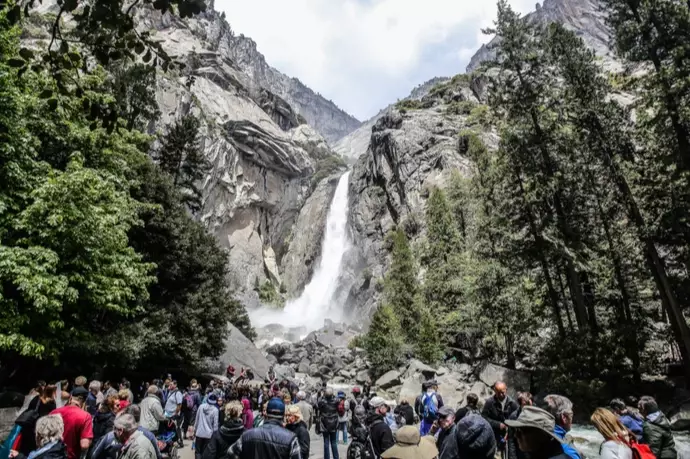
But that trip taught me a valuable lesson. Avoiding the masses in our most popular national parks isn't about luck. It's a skill. It requires a different kind of planning—one that goes beyond just booking a campsite. This guide is everything I wish I'd known back then. We're going deep on the real strategies that work, not just the obvious "go in the off-season" advice. We'll talk about picking the right parks, the magic of the shoulder season, and what you actually need to do once you're there to find your own slice of quiet.
The goal isn't just to avoid people—it's to reclaim the experience these incredible places are meant to offer. Let's dig in.
It Starts With Your Choice: Picking Parks That Naturally Avoid Crowds
This is the most fundamental step, and most people get it wrong. They fixate on the famous names—Yosemite, Zion, Grand Canyon, Great Smoky Mountains. These parks are famous for a reason, but they're also visitation magnets. If your primary goal is solitude, you need to look beyond the postcard icons.
Think about it this way. Great Smoky Mountains sees over 13 million visitors a year. That's more than the next *two* most-visited parks *combined*. Contrast that with a place like North Cascades in Washington, which gets fewer than 40,000 visitors in its busiest month. The difference isn't scenery quality; it's accessibility and marketing.
Here’s a breakdown of some fantastic alternatives where avoiding crowds is part of the deal, not a constant battle.
The Underrated Gems: National Parks Where Solitude is the Norm
These parks are my go-to recommendations when someone asks for a true escape. You won't find shuttle buses here. You will find empty trails and stunning views you don't have to share.
| Park & Location | Why It's Less Crowded | Best For | Realistic Crowd Level |
|---|---|---|---|
| North Cascades, Washington | Called the "American Alps," but it's remote, has limited roadside amenities, and most of its beauty requires hiking. No iconic drive-through feature. | Serious hikers, backpackers, alpine lake lovers. This is rugged, raw wilderness. | You can hike for hours and see only a handful of people, even in August. |
| Great Basin, Nevada | Extremely isolated. It's a long drive from anywhere. The star attraction is solitude itself, along with ancient bristlecone pines and a glacier. | Stargazing (it's an International Dark Sky Park), geology buffs, those seeking profound quiet. | You'll often have the Lehman Caves tour or the Wheeler Peak trail nearly to yourself on weekdays. |
| Congaree, South Carolina | It's a swamp (a beautiful floodplain forest, technically). It's hot, humid, and buggy for much of the year, which naturally filters visitors. | Boardwalk strolls, kayaking, seeing giant champion trees. A unique, serene ecosystem. | The boardwalk might have a few families, but venture onto a water trail and the world disappears. |
| Isle Royale, Michigan | Accessible only by boat or seaplane. It's an island in Lake Superior with a commitment threshold that eliminates casual visitors. | Backpacking, wildlife viewing (moose & wolves), kayaking. A true adventure. | You might go a full day on the trail without seeing another soul. It's that quiet. |
| Dry Tortugas, Florida | 70 miles west of Key West by boat or plane. The cost and time commitment create a major barrier to entry. | Snorkeling, history (Fort Jefferson), beach camping, feeling utterly remote. | The ferry brings a group, but they mostly stay near the fort. The rest of the island is yours. |
Picking one of these is the single biggest hack to avoid crowds in national parks. You're starting on easy mode. But what if your heart is set on a classic like Glacier or Rocky Mountain? That's where strategy becomes everything.
The Golden Rule: Mastering the Shoulder Season (and Understanding the True Off-Season)
Everyone says "go in the off-season." It's lazy advice. The real magic happens in the shoulder season—those sweet-spot weeks that border the peak summer frenzy. The weather is often still good, but the crowds have evaporated. This is your most powerful tool for visiting popular parks.
Here’s a blunt look at what this actually means for some popular parks. I'm not talking about deep winter when roads are closed (though that can be amazing too). I'm talking about accessible, enjoyable times that most people overlook.
- Yosemite Valley: Late April to early May, or late September to mid-October. The waterfalls are roaring in spring, the fall colors are stunning in autumn. Summer's haze and hordes are gone. Yes, Tioga Pass might still be closed in early May, but the Valley is glorious. I did this in October once—wore a light jacket, hiked to Nevada Fall with maybe ten other people all day. In summer, that trail is a highway.
- Zion National Park: March-April and October-November. Avoid Easter and Thanksgiving weekends. The temperatures are perfect for hiking The Narrows or Angels Landing (permit season aside). The summer heat and monsoon threats are non-issues.
- Acadia National Park: June is better than July. September after Labor Day is pure gold. October is peak leaf-peeping and busy, but mid-September? Perfect. The air is crisp, the bugs are gone, and you can actually find parking at Jordan Pond.
- Rocky Mountain National Park: The holy grail here is the period after Trail Ridge Road opens (usually late May) but before schools fully let out (mid-June). Similarly, the gap after Labor Day in September before the road closes for snow. You get alpine access without the alpine traffic jams.
What about the true off-season? Winter in many parks is spectacular and empty. Bryce Canyon under snow is unreal. But this is for the prepared—require winter gear, knowledge of road conditions (again, check the NPS winter page), and acceptance of short days. It's a different, more challenging kind of reward.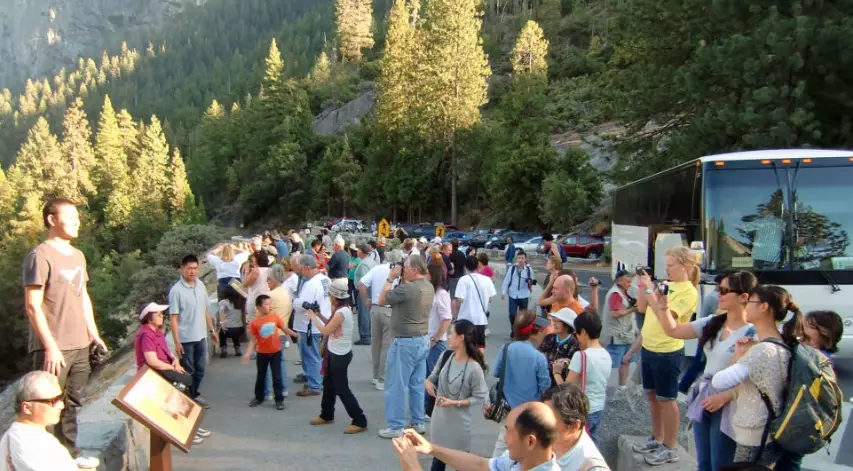
Beyond the Calendar: The On-The-Ground Game Plan
Okay, you've picked a less-trodden park or a savvy time to visit. You're 70% of the way there. The final 30% is what you do from the moment you enter the park. This is the tactical stuff that separates the frustrated day-tripper from the person who finds peace.
Embrace the Anti-Schedule
Crowds follow predictable patterns. Your mission is to do the opposite.
Sunrise is your best friend. Not just "early." I mean be at the trailhead in the dark with a headlamp. This is non-negotiable for popular trails in popular parks. By the time the average tourist has finished their hotel breakfast, you're already at the summit enjoying a private show. You'll be hiking down as the crowds are hiking up, sweating in the midday sun. The difference in experience is night and day. I've done Angels Landing this way. Hiking up in the cool, quiet dawn was spiritual. Passing the long, anxious line of people waiting at the chains on my way down? That just confirmed the choice.
Sunset is your second-best friend. Most people are heading back to town for dinner. The park empties out. Stay for the golden hour and the twilight. You'll get the landscapes in the best light, with a fraction of the people. Pack a picnic dinner.
Midday is for napping, reading, or exploring secondary areas. Between 10 am and 4 pm, abandon the famous spots. This is when you visit the visitor center (everyone else is on the trails), have a long lunch by a river, or explore a lesser-known scenic drive or short nature trail near the park entrance that others skip.
Target the Trail Less Traveled (Literally)
In every park, even Yellowstone or the Grand Canyon, there are trails that see 1% of the traffic of the headline acts. Your job is to find them.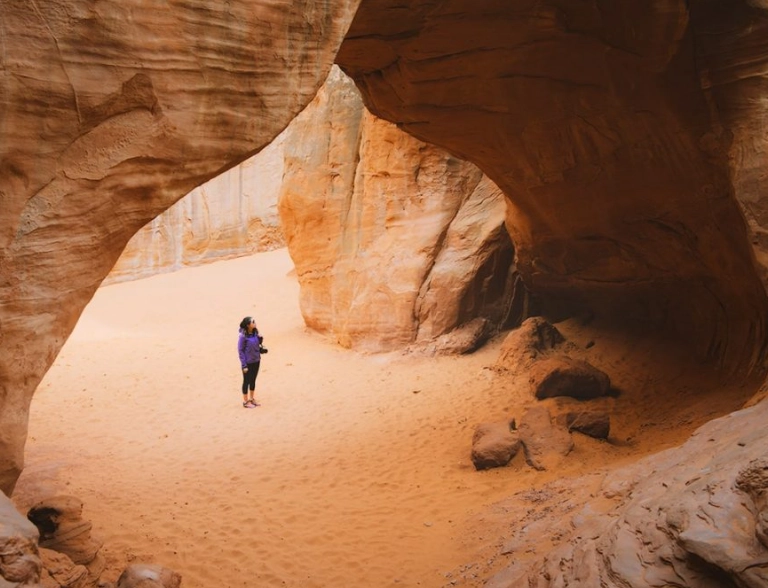
- Don't just look at the park map brochure. Go to the park's official website and look for "Day Hikes" or "Backcountry Hikes." The descriptions often hint at use levels. Words like "strenuous," "remote," or "primitive trail" are your green lights.
- Ask a ranger. But be specific. Don't say, "Where's a good hike?" Say, "I'm looking for a 6-8 mile hike with views, and I don't mind a climb. Where can I go to be alone this afternoon?" Rangers are treasure troves of this info and love to share it.
- In Yosemite, everyone goes to Mist Trail. Consider the Snow Creek Trail or the Four Mile Trail (up, not down) for equally stunning, quieter perspectives of the Valley.
- In the Grand Canyon, the South Kaibab Trail gets busy. The Hermit Trail, accessed by the free shuttle, feels worlds away just a few miles down.
The formula is simple: any hike that gains significant elevation, is over 3 miles round-trip, or isn't featured on the park's "Top 5" list will filter out the vast majority of visitors. Use that to your advantage. Finding trails where you can avoid national park crowds is often just about choosing the path of more resistance.
Get On the Water or Go Deeper
Crowds are land-bound and lazy. They cluster within a half-mile of parking lots and overlooks.
Rent a kayak, canoe, or paddleboard. Seeing a park from its rivers or lakes is transformative and instantly isolating. Paddle the Snake River in Grand Teton, the lakes of Voyageurs, or the shoreline of Apostle Islands. You control your distance from others.
Consider a single night of backcountry camping. The permitting process, which can seem like a hassle, is the very filter that creates solitude. Resources like REI's backcountry planning guide are great for learning the basics. Once you're a mile or two into the backcountry, the crowds vanish. You're in a different world. The effort-to-reward ratio is unbeatable.
Navigating the New Normal: Permits, Reservations, and Timed Entry
This is the part that frustrates people. It feels bureaucratic. But understand this: these systems are designed to improve the experience by limiting crowding. They are your ally in the mission to avoid crowds in national parks.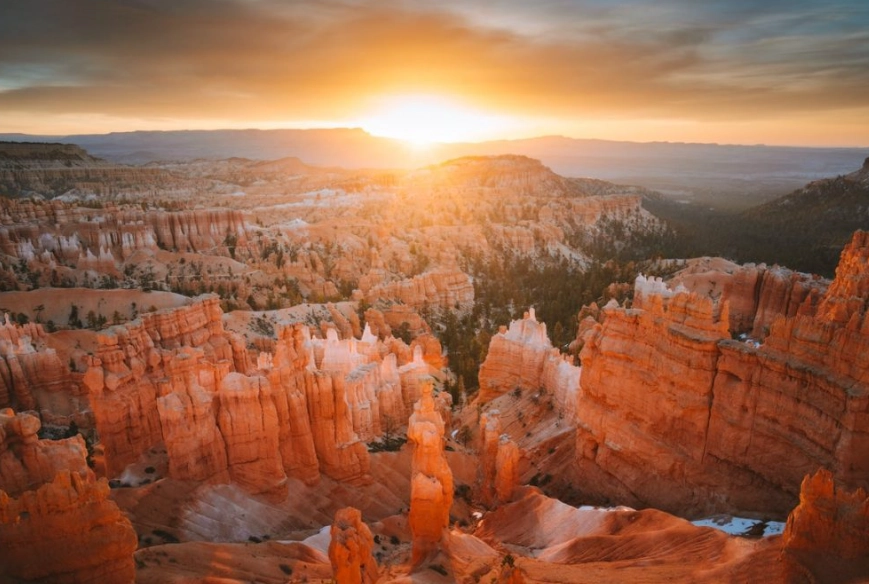
Yes, you have to plan further ahead. Sometimes months. But everyone in that zone had to do the same work. The result is a managed, better experience for everyone inside.
How to deal with it:
1. Know the rules for your park. Does it need a timed entry vehicle reservation (Arches, Rocky Mountain, Glacier Going-to-the-Sun Road)? A hiking permit for specific trails (Angels Landing, Half Dome, Old Rag)? A general backcountry permit? This info is always on the park's NPS.gov website under "Plan Your Visit." Bookmark it.
2. Set calendar reminders. Permits often release on Recreation.gov months in advance at specific times (e.g., 8 AM MST). Be online, logged in, and ready to click the second they drop.
3. Have a Plan B. If you don't get the famous trail permit, have a list of other incredible hikes that don't require one. Often, these Plan B hikes become the highlight precisely because they're quieter.
4. Use the flexibility. Some parks only require timed entry during peak hours (e.g., 5 AM to 6 PM). Enter before or after those windows. This is a fantastic hack.
Your Questions, Answered (The Stuff You're Actually Wondering)
Are there really any national parks without crowds in the summer?
Yes, but you have to redefine "summer" and "park." The parks listed in the table above (North Cascades, Isle Royale, etc.) are your best bet. Also, consider National Monuments or National Recreation Areas. Places like Colorado National Monument, Cedar Breaks National Monument, or Flaming Gorge National Recreation Area offer jaw-dropping scenery with a fraction of the nearby national park traffic. The NPS Find a Park tool lets you search all these designations.
What's the single best day of the week to visit a popular park?
Tuesday or Wednesday. The weekend wave (Saturday-Monday) is gone, and the next wave hasn't arrived yet. Sundays can be surprisingly good in the afternoon as weekenders leave. Fridays are often the worst, as the incoming weekend crowd piles in.
Is it worth visiting a park if I only have one day?
Absolutely, but you must be strategic and accept you won't see everything. Use the tactics above: arrive before sunrise, target one major activity (a hike or a scenic drive), and embrace the shoulder/off-season. A perfectly executed one-day visit in October can be better than a frustrating three-day visit in July.
How do I find out about current crowd conditions?
Beyond the NPS site, check the park's official social media (Twitter/X is often used for real-time alerts). Park webcams can show you traffic at entrances or popular spots. Local community Facebook groups or forums (like on Reddit) can have recent visitor reports. But remember, conditions change by the hour—your on-the-ground strategy (dawn starts) is your best defense.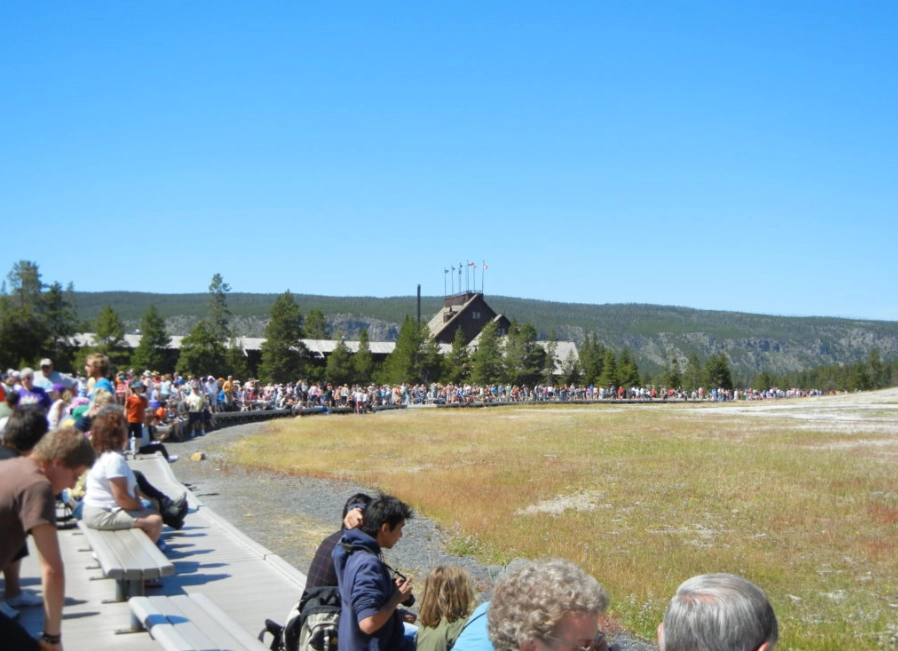
Wrapping It Up: It's About the Mindset
Learning how to avoid crowds in national parks ultimately comes down to a shift in mindset. You're not a passive consumer of a scenic product. You're an active participant in seeking a deeper experience.
It means trading some convenience for solitude. It means planning not just where you sleep, but when you hike. It means looking past the most famous name on the map to discover a place that might resonate even more powerfully because you had it mostly to yourself.
The parks belong to all of us, but the moments of quiet connection—a deer grazing in a meadow at dusk, the echo of a canyon wren, the first light hitting a distant peak—those belong to the ones willing to put in the extra thought. It's worth it. Every time.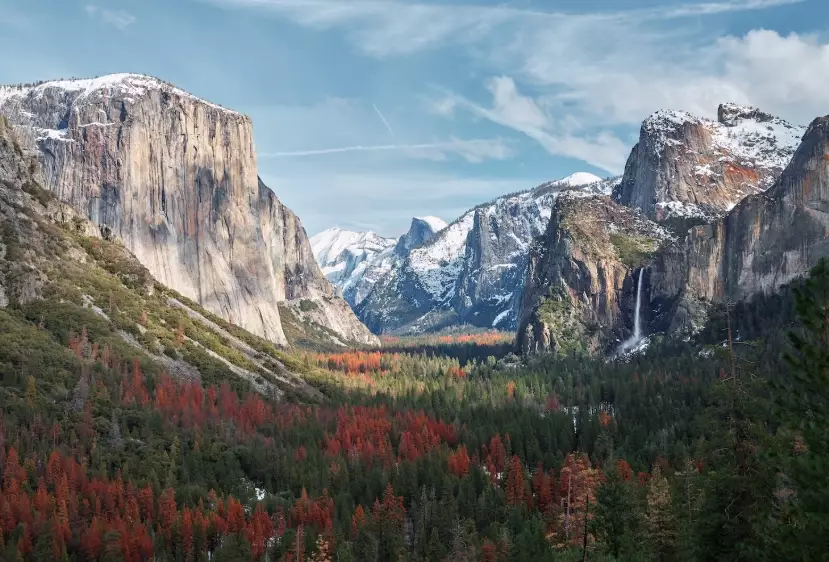
Start with one strategy. Pick a shoulder season date. Commit to a sunrise hike. Choose a lesser-known park. You'll be amazed at the difference it makes. The quiet version of these American treasures is still out there, waiting.