In This Guide
- What Exactly IS an Emergency Shelter?
- How to Actually Find an Emergency Shelter (Step-by-Step, No Fluff)
- What to Bring (and What to Expect) When You Go
- Beyond the First Night: Transitioning Out of an Emergency Shelter
- Common Questions (The Stuff You're Really Wondering)
- Final Thoughts: A Bit of Humanity
Let's be honest. Most of us don't spend our Tuesday afternoons thinking about emergency shelters. It's one of those things you hope you'll never need, like the fire extinguisher in your kitchen or the spare tire in your trunk. But here's the thing – life has a way of throwing curveballs. A hurricane decides to visit. A fire tears through the neighborhood. Or maybe, through a series of tough breaks, the roof over your head isn't there anymore.
That's when the term "emergency shelter" stops being a vague concept and becomes the most important search you'll ever do. The problem is, when you're in that moment of crisis, stressed and scared, trying to figure it all out is the last thing you need. The information online can be a mess – outdated phone numbers, conflicting advice, or pages that read like government manuals from 1998.
I've had friends who've needed one. A buddy whose apartment building was evacuated due to a gas leak. An older relative who lost power for a week during an ice storm. It's in those moments you realize how little you actually know. So, I dug in. I spent way too much time talking to folks at non-profits, reading county emergency plans, and piecing together what truly matters. This isn't about theory. It's about what you actually need to know, from someone who's been in the confusing trenches of researching this for people they care about.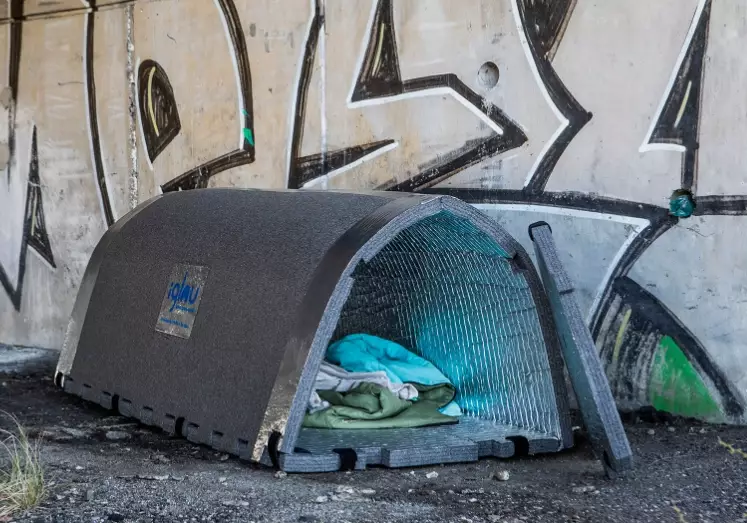
What Exactly IS an Emergency Shelter?
It sounds simple, but it's not one single thing. An emergency shelter is basically a temporary, safe place to stay when your home isn't an option due to an immediate threat. But the "why" behind your need shapes the "what" you'll find.
Think of it as a spectrum. On one end, you have the massive, gymnasium-style shelters set up by the Red Cross when a big disaster like a flood or wildfire hits a whole community. Cots in rows, basic meals, a place to wait out the storm. On the other end, you have smaller, more specialized shelters run by local charities for folks experiencing homelessness, often with more structure, counseling, and help finding permanent housing.
And then there's everything in between: shelters for families fleeing domestic violence (which are often confidential for safety), cooling centers during heatwaves, warming centers during deep freezes, and even temporary shelters for people displaced by a building fire or a burst pipe that flooded their apartment.
The Core Idea: Regardless of the type, the goal of any emergency shelter is the same: to provide immediate, life-sustaining safety. It's a bridge, not a destination. It's about getting you from a moment of crisis to a point of stability.
Breaking Down the Main Types of Shelter
This is where most guides get too generic. Knowing the difference is crucial because it tells you what to expect and how to access it.
| Type of Shelter | Primary Trigger / Need | Who Typically Runs It | What to Expect (The Realistic View) |
|---|---|---|---|
| General Population / Disaster Shelter | Natural disasters (hurricane, tornado, wildfire, flood), large-scale evacuations. | American Red Cross, local Office of Emergency Management, sometimes National Guard. | Large, open space (school gym, community center). Cots or mats. Basic meals (MREs or simple hot food). Crowded. Can be noisy. Medical triage on site. Pets may be in a separate area. |
| Homeless Shelter | Lack of permanent housing due to economic hardship, job loss, personal crisis. | Local non-profits, religious organizations, city/county social services. | Varies wildly. Some are dorm-style, some are private rooms. Often have curfews and rules. May require intake interviews. Often provide connections to job programs, SNAP benefits, housing caseworkers. |
| Domestic Violence Shelter | Fleeing intimate partner violence or abuse. | Specialized non-profits (e.g., local YWCA, domestic violence coalitions). | Confidential locations for safety. Not publicly listed. Access is almost always through a 24/7 hotline. Provide not just beds, but counseling, legal advocacy, and safety planning. Often allow children. |
| Extreme Weather Shelter | Life-threatening heat or cold for those without adequate housing/climate control. | City/county health departments, community groups. | Activated only during specific weather warnings. Often in libraries, rec centers. May be overnight-only for cold, or daytime-only for heat. Very basic – a chair, water, air conditioning/heat. |
See the differences? Calling a general disaster shelter line won't help if you're fleeing abuse. And showing up at a homeless shelter won't work if you've just been evacuated by a forest fire – they're set up for different systems. Getting this wrong first wastes precious time and adds to the frustration.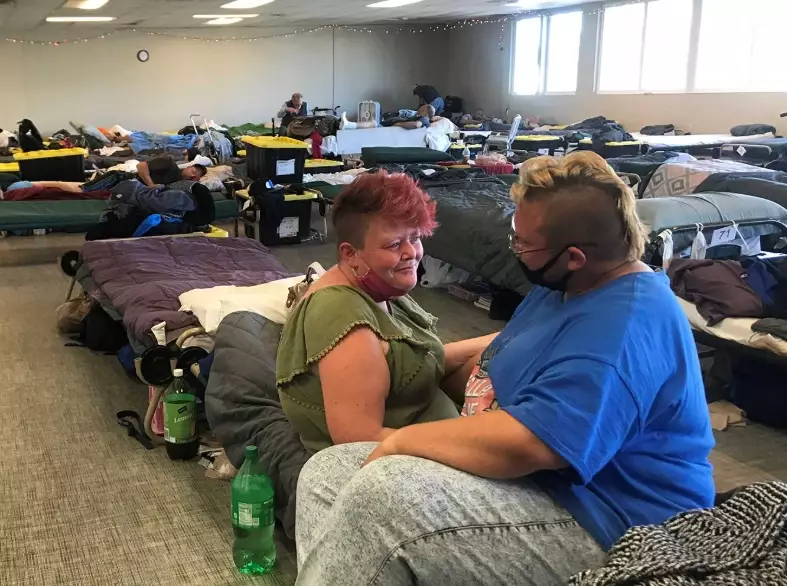
How to Actually Find an Emergency Shelter (Step-by-Step, No Fluff)
Okay, this is the part everyone searches for: "emergency shelter near me." But that search is often too broad. Let's get tactical.
In an Active, Imminent Disaster (Fire, Flood, Hurricane Evacuation)
Forget browsing. Time is short. Your local government is your best and most immediate source.
- Turn on Local News or Radio: Seriously. In a county-wide emergency, they broadcast shelter openings, locations, and specific instructions (like "Shelter A is for general public, Shelter B is for pets, Shelter C is for medical needs").
- Check Official Social Media: Your city or county's Office of Emergency Management (OEM) Facebook or Twitter page is gold. They post real-time updates. Search "[Your County Name] Office of Emergency Management."
- Call 2-1-1: This is the nationwide community services helpline. In many areas, they are the central clearinghouse for disaster shelter info during an event. They can tell you what's open right now.
- Use the FEMA App: I know, another app. But the official FEMA app has a "Disaster Resources" map that includes shelter locations during federally-declared disasters. It's reliable when activated.
A Critical Note: Do NOT just drive to the nearest big building you think might be a shelter. It might not be activated, or it might be full. Going to the wrong place can put you in danger and waste fuel you might need. Always confirm the location is open and accepting people.
If You Are Experiencing or At Risk of Homelessness
This is a different, often more stressful process. It's not just about a bed for the night; it's about navigating a system.
- 2-1-1 is Your First Call (Again): This is the single most important resource. The operator can connect you to shelters in your area, but more importantly, they can tell you about availability, intake procedures, and any waitlists. Shelters for homelessness are often full, so 211 can save you hours of futile phone calls.
- Contact Your Local Continuum of Care (CoC): This is a boring name for a vital thing. A CoC is a local planning body that coordinates homelessness services for a region. The U.S. Department of Housing and Urban Development (HUD) has a directory of CoC contacts. They or their lead agency often run the central coordinated entry system – the "front door" for getting assessed for shelter and housing programs.
- Reach Out to Specific Organizations: Think Salvation Army, Catholic Charities, Union Gospel Mission. Look them up and call directly. Be prepared to answer basic questions about your situation.
- Visit a Day Center or Soup Kitchen: Often, these daytime service hubs have the best on-the-ground knowledge of which shelters have beds that night and can sometimes provide a referral or even a voucher.
It's a tough process, and I won't sugarcoat it. Waitlists are long. Rules can feel restrictive. But persistence is key. Call 211 every day if you have to. Check in with day centers.
For Domestic Violence Situations
This requires the most caution. Do not search for "domestic violence shelter near me" on a shared computer or device your abuser may access.
- The National Hotline is Your Lifeline: Call 800-799-SAFE (7233) or text "START" to 88788. This is run by the National Domestic Violence Hotline. They are trained, confidential, and have access to a database of shelter availability across the country. They can help you safety plan and connect you directly to a local advocate.
- They Handle the Connection: The advocate at the hotline or your local program will guide you through the next steps, which often involve a secure, confidential call to the shelter itself to assess fit and safety.
What to Bring (and What to Expect) When You Go
You've found a shelter. Now what? Walking in can be intimidating if you don't know what's coming.
The Absolute Must-Pack List (If You Have Time)
- Identification: Driver's license, state ID, passport, birth certificates for kids. If you have nothing, that's okay, but it helps with any future services.
- Medications: A week's supply if possible, in their original bottles. This is non-negotiable.
- Critical Documents: In a waterproof bag: insurance cards, Social Security cards, lease/mortgage papers, important medical records. If you're fleeing disaster, take photos of these with your phone as a backup.
- Comfort Items for Kids: A favorite stuffed animal, blanket, book. Their world is upside down; this tiny piece of normal is huge.
- Phone + Charger + Portable Battery: Your lifeline to information and family.
- A Change of Clothes & Basic Toiletries: Toothbrush, paste, deodorant, feminine products.
Pro-Tip from a Shelter Volunteer: "Pack like you're going to a very no-frills sleepover. Comfortable layers are key – shelters can be hot or cold. And always, always pack extra socks. Dry feet make everything feel a little more manageable."
The Reality of Shelter Life
Let's set expectations. An emergency shelter is not a hotel. It's a shared, communal space for people in crisis. That comes with challenges.
It can be noisy. Lights might be on all night for safety. There will be rules – sometimes a lot of them. Curfews, no alcohol/drugs, assigned chores, designated smoking areas far from the building. These rules exist for everyone's safety and to keep the shelter running, but they can feel restrictive.
Privacy is minimal. You'll be around strangers who are also stressed. Staff are often overworked. The food is basic but nourishing.
I don't say this to scare you off, but to prepare you. Knowing this ahead of time reduces the shock. The trade-off is safety, a roof, and access to help. For many, that trade-off is worth it.
Beyond the First Night: Transitioning Out of an Emergency Shelter
This is the part most articles completely ignore. The shelter is the first step. The goal is to not need it anymore. So what's next?
Working with a Case Manager
In any decent shelter (especially those for homelessness or domestic violence), you should be connected with a case manager. This person is your guide. Their job is to help you create a plan. Don't be shy – ask for one if you aren't assigned someone.
A good plan tackles the big things:
- Housing: This is #1. They can help you apply for rapid re-housing programs, Section 8 vouchers (the waitlists are long, but get on them!), or search for affordable rentals. They know about local landlord programs and may have funds for security deposits.
- Finances: Applying for benefits (SNAP/food stamps, TANF, Medicaid), connecting with job training programs, budgeting.
- Legal Issues: Connecting you with legal aid for things like custody, restraining orders, or unresolved issues from a disaster.
- Health: Setting up appointments with clinics, accessing mental health counseling (which is almost always needed after a crisis).
Government and Non-Profit Programs to Know
Your case manager will know the local specifics, but it helps to know the names of the big programs.
- FEMA Individual Assistance: If the President declares a disaster for your area, DisasterAssistance.gov is where you apply. This can provide grants for temporary housing, home repairs, and other disaster-related expenses. It's not for everyone, but it's crucial if you qualify.
- HUD Resources: The HUD Homelessness Assistance page explains the federal programs. Your local Public Housing Authority (PHA) manages housing vouchers.
- Disaster Case Management: After large disasters, states often set up special case management units just to help people navigate recovery. Ask shelter staff or FEMA about this.
The path out is a marathon, not a sprint. It involves paperwork, phone calls, and waiting. It's frustrating. But having that one person – the case manager – in your corner makes it possible.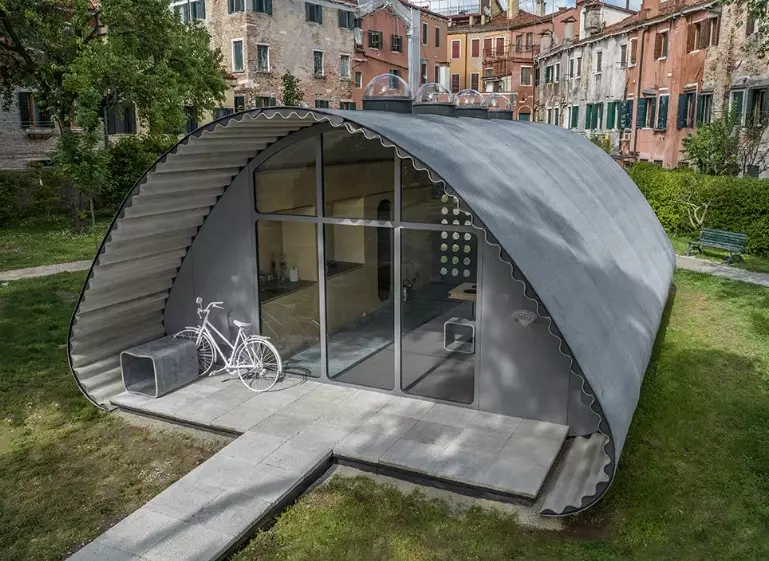
Common Questions (The Stuff You're Really Wondering)
- Disaster Shelters: More are designating specific shelters as "pet-friendly." You must check official announcements. Pets usually stay in a separate area (like a crate in an adjacent hallway or room) and you are responsible for their care. Bring a crate, leash, food, and vaccination records if you have them.
- Homeless Shelters: Fewer allow pets, but some progressive ones do. Call 211 and ask specifically for "shelters that accept pets." Organizations like RedRover offer grants for temporary pet fostering for people fleeing domestic violence or entering shelters.
- Disaster Shelter: Until the immediate threat passes and it's safe to return home, or until temporary housing is arranged (days to a few weeks).
- Homeless Shelter: Varies. Some are overnight only (you must leave each morning). Others offer longer-term "transitional" housing for 30, 60, or 90 days, sometimes longer if you're actively working a plan with a case manager.
- Domestic Violence Shelter: Typically 30-60 days, with extensions possible based on need and progress on your safety plan.
"The most important thing anyone can do is plan before the crisis. Know your options. Have a 'go-bag.' Talk to your family about where you'd meet. It takes the panic down from a 10 to a 6, and that makes all the difference."
Final Thoughts: A Bit of Humanity
Writing this, I kept thinking about the people behind the term "emergency shelter." It's not a statistic. It's a mom trying to calm her toddler in a noisy gym. It's an older man who lost everything in a fire. It's a young person starting over with nothing. It's a family fleeing in the middle of the night.
The system isn't perfect. It's underfunded. It can be bureaucratic and soul-crushingly slow. I've heard stories of shelters turning people away because they were full, and that's a failure we should all be angry about.
But I've also heard stories of incredible compassion. The volunteer who sat up all night with a disoriented elderly evacuee. The case manager who fought for months to get a family into an apartment. The shelter cook who remembered how someone liked their coffee.
If you need an emergency shelter, I hope this guide makes that terrifying first step a little less dark. You're not alone, even if it feels that way. And if you're reading this from a place of safety, maybe it gives you a clearer view of what that safety net looks like – fragile, strained, but held together by dedicated people. It's a view worth having.
Because tomorrow, any one of us might need to know how to find an emergency shelter.