In This Guide
- What Exactly Is a Climbing Guide?
- The Gold Standard: Understanding Guide Certifications
- How to Find and Vet Potential Climbing Guides
- The Real Cost of Hiring Climbing Guides
- What to Expect on the Day (And How to Be a Great Client)
- Common Questions About Climbing Guides (Answered)
- Final Thoughts: Trust the Process, Not Just the Summit
So you're thinking about hiring a climbing guide. Maybe you've stared at a granite wall that looks way steeper in person than it did on Instagram. Or perhaps you've got a dream peak in mind, but the route description reads like a foreign language. I've been there. Years ago, I showed up in the Alps with more enthusiasm than sense, thinking I could just figure it out. Let's just say a sudden storm and a sketchy descent taught me a very quick, very cold lesson about the value of local knowledge.
That's where a professional climbing guide comes in. They're not just someone who knows the way. A good guide is your teacher, your risk manager, your local historian, and sometimes, your motivator when your legs feel like jelly. But here's the tricky part: not all climbing guides are created equal. The term gets thrown around a lot. How do you separate the truly skilled professionals from the enthusiastic amateurs? What should you even be looking for?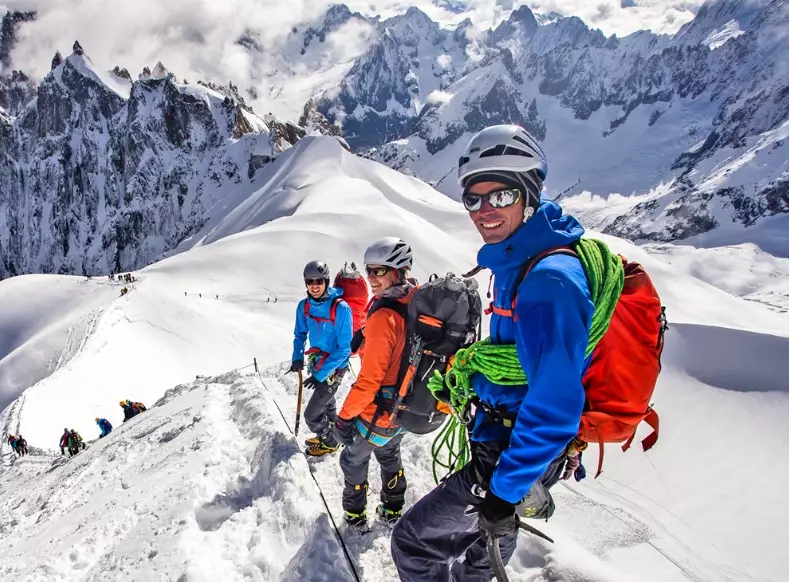
This isn't about selling you on the idea—you're already looking. This is about giving you the tools to make a brilliant choice. We're going to peel back the layers on certifications, understand the real costs (beyond just the daily rate), and figure out the questions you need to ask before you hand over a dime. Because getting this decision right is the difference between a story you'll tell for years and one you'd rather forget.
What Exactly Is a Climbing Guide?
Let's clear this up first. When people say "climbing guide," they could mean a few different things. It's a bit like saying "doctor"—there are specialists. Understanding the type you need is step one.
Most folks picture the classic mountain guide. The person who takes you up multi-pitch rock climbs, across crevassed glaciers, or to the summit of a technical peak. This is a mountain guide in the traditional, alpine sense. Their job is multifaceted: route finding, objective hazard assessment (like avalanches or rockfall), technical instruction, and emergency response. They're making dozens of decisions every hour to keep you safe and moving.
Then you have what some might call a climbing instructor or a single-pitch guide. Their focus is often on teaching skills in a more controlled environment. Think introducing you to lead climbing at a local crag, running a beginner's outdoor course, or coaching specific techniques. Their terrain is usually more contained, but their teaching role is huge.
And you can't forget about the gym-based guides or instructors. While the setting is artificial, a good one can build a fantastic foundation.
The line can blur, especially with top-tier professionals. Many certified mountain guides are also phenomenal teachers. But knowing the primary focus of your chosen adventure helps you narrow the search. Are you looking for a teacher or a guardian for a serious objective?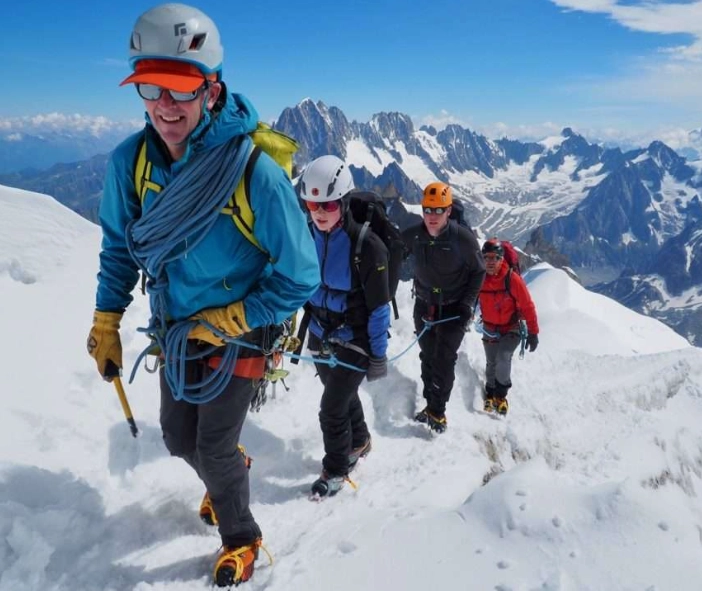
The Gold Standard: Understanding Guide Certifications
This is the most critical filter in your search. Certification isn't just a piece of paper. It's a public record of thousands of hours of experience, rigorous assessment in harsh conditions, and a commitment to a professional ethos. It's your first indicator of a guide's minimum competency and their adherence to an industry standard.
The undisputed international benchmark is the IFMGA/UIAGM certification. That's the International Federation of Mountain Guides Associations. A guide who holds this is a fully certified Mountain Guide (with capital letters). The training is brutal, spanning years, and requires mastery in rock climbing, alpine mountaineering, and ski mountaineering. If your goal involves high mountains, glaciers, or complex alpine terrain, this is the certification you want to see. In the US, this is administered by the American Mountain Guides Association (AMGA), which is the American member of the IFMGA.
The AMGA also offers separate certifications for specific disciplines, which are incredibly valuable for more focused trips:
- Rock Guide: Expert in technical rock climbing, from single-pitch crags to big walls. Your go-to for Yosemite, Red Rocks, or the Needles.
- Alpine Guide: Specializes in technical ascents in alpine environments (think the Tetons, Cascades, or smaller alpine peaks worldwide).
- Ski Guide: For backcountry ski touring and ski mountaineering.
An AMGA Certified Rock Guide is a phenomenal choice for a pure rock-climbing trip, even if they aren't full IFMGA. Their training and testing in that specific domain are exhaustive.
A Major Red Flag: Be deeply skeptical of anyone who calls themselves a "guide" but has no formal certification from a recognized body like the AMGA, or its equivalents like the ACMG in Canada or the BMG in the UK, for technical terrain. For simple hiking or non-technical peaks, local knowledge might suffice. But once a rope, ice axe, or harness is involved, certified training is non-negotiable for safety. It's the difference between a licensed electrician and your handy neighbor when rewiring your house.
Other credentials matter too. A current Wilderness First Responder (WFR) or Wilderness EMT certification is a strong sign. It means they've trained to handle medical emergencies in remote settings. Many guiding services also require their staff to have these.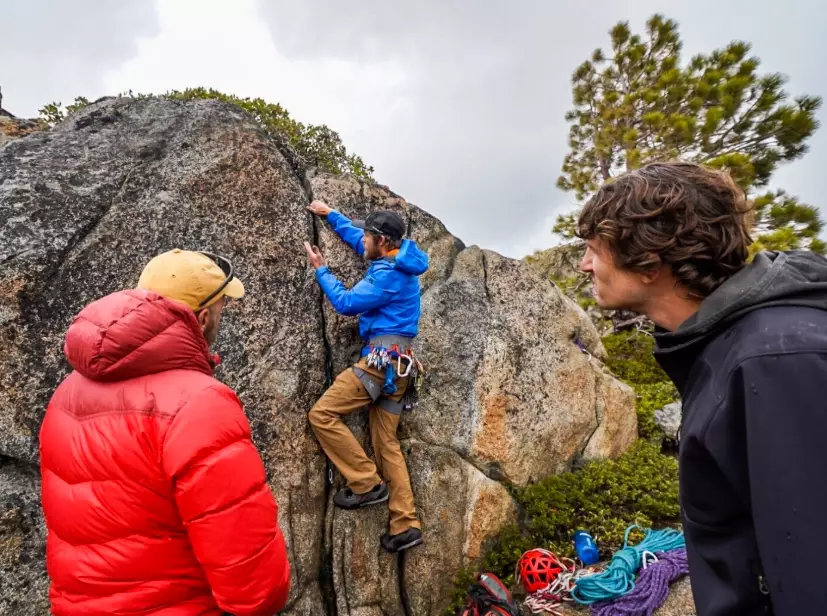
How to Find and Vet Potential Climbing Guides
Okay, you know you need someone certified. Where do you actually find them? And how do you tell the great ones from the just-okay ones?
Start with the established guiding services. These are companies, often based in mountain towns, that employ a team of guides. Companies like Exum Mountain Guides in the Tetons, Alpine Ascents International, or International Mountain Guides have long reputations. They handle insurance, permits, and logistics, and they vet their guides (who are usually AMGA certified). This is a lower-risk option, especially for your first time hiring a guide. The service acts as a layer of oversight.
Then you have independent guides. These are sole proprietors, often with deep, hyper-local expertise. Finding a fantastic independent guide can lead to a more personalized experience. But the onus is on you to do the vetting. Their personal website or professional social media (like a dedicated guiding page) should be your first stop.
Here’s a quick table to break down the pros and cons of each path:
| Option | Pros | Cons & What to Watch For |
|---|---|---|
| Established Guiding Service | – Built-in safety/quality control – Handles logistics/permits – Easier to find reviews – Backup guides if someone is ill | – Can be more expensive – You might not know your specific guide until you meet – Experience can feel slightly more "packaged" |
| Independent Guide | – Potentially more personalized – Direct communication with the expert – Can be more flexible with itinerary – May offer unique, niche expertise | – YOU must vet their credentials thoroughly – No company oversight – Cancellation/rescheduling might be trickier – Ensure they have their own commercial insurance |
Reviews are your friend, but read them critically. Look for patterns. Do multiple reviews mention the guide's patience with beginners? Their exceptional weather decisions? Or do reviews hint at a rushed pace or poor communication? I pay more attention to detailed, narrative reviews than star ratings.
And then, you have to talk to them.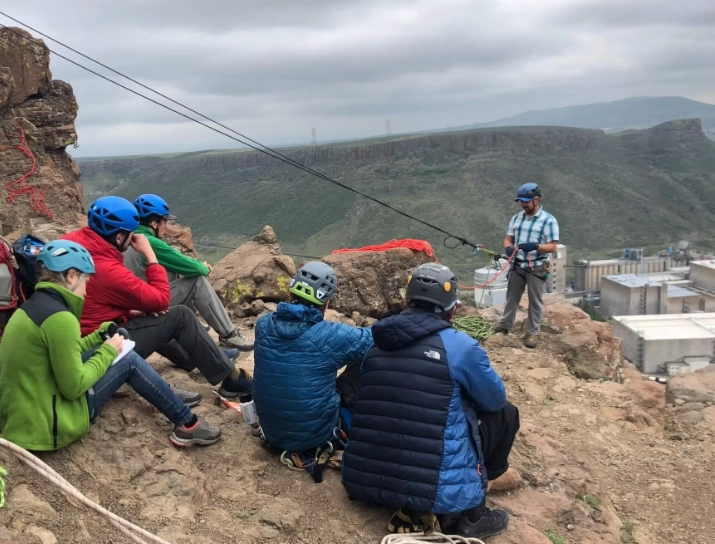
The Interview: Questions You Must Ask a Potential Guide
Don't be shy. A professional guide expects and welcomes good questions. It shows you're engaged and serious about safety. This conversation is a two-way interview. Here’s what I always ask:
- "Can you walk me through your relevant certifications and experience with this specific route/area?" Get specific. If you want to climb the Grand Teton's Exum Ridge, ask how many times they've guided it this season.
- "What is your guiding philosophy, especially regarding risk and turning back?" Listen closely. You want someone who says the mountain will always be there, and client safety trumps summits every time. Run from anyone who brags about "always summiting."
- "What's included in your rate?" (More on cost below). Gear? Food? Park fees? Permits? Transportation to the trailhead? Get it in writing.
- "What is your typical guide-to-client ratio for a day like I'm proposing?" A 1:1 ratio is premium and fast. A 1:2 or 1:3 ratio is common for rock climbing and can be more affordable. For beginners on snow, I'm wary of anything more than 1:2.
- "What is your plan for bad weather or other objective hazards?" They should have a clear alternative (a different route, a skills day, a rain plan).
- "Can you provide references from past clients with a similar goal/ability level as me?" A good guide will have a few happy clients willing to chat.
My Litmus Test: I once asked a guide about his worst day in the mountains and what he learned from it. The guide who gave a vague, boastful answer about "never having a bad day" got crossed off my list. The one who told a humble story about a misjudged forecast, a safe retreat, and a specific change he made to his planning process? I hired him on the spot. Real experience includes setbacks.
The Real Cost of Hiring Climbing Guides
Let's talk money. It's the big question. Prices vary wildly based on location, guide certification, difficulty, and ratio. You might see anything from $250 to over $1000 per day.
Why so much? You're not just paying for their time on the mountain that day. You're paying for:
– A decade or more of accumulated experience and training.
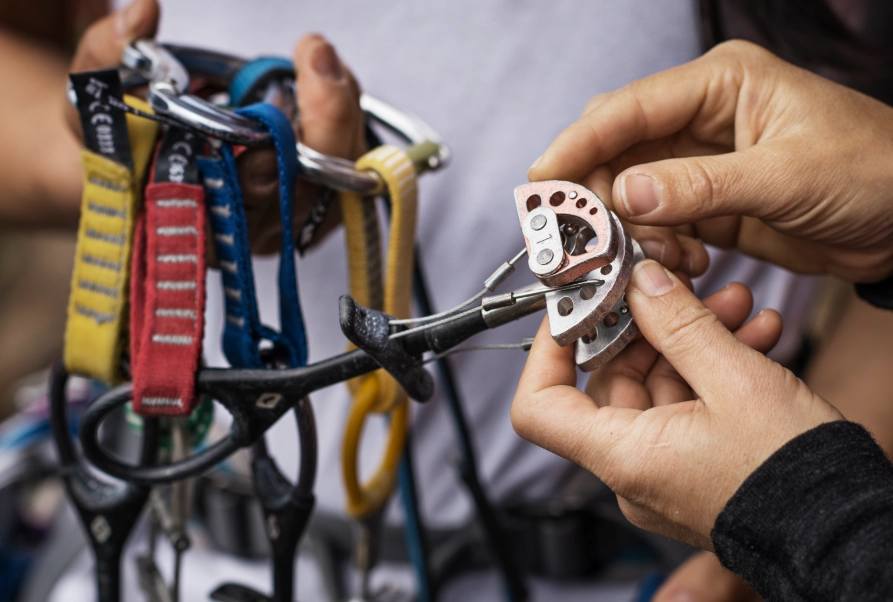
– Their personal gear (ropes, racks, hardware, which gets beaten up).
– Liabilty and rescue insurance (which is astronomically expensive for guides).
– The unpaid hours: driving, planning, acquiring permits, checking weather obsessively.
Think of it as similar to hiring a master plumber or a skilled lawyer. You're paying for expertise that prevents catastrophic failure.
Here’s a rough breakdown of what influences cost:
- Guide Certification (IFMGA/AMGA Rock Guide): Commands the highest rates. You're paying for the top tier of training.
- Location: Guiding in remote Alaska or the Himalayas involves massive logistics and cost. A day in a popular US national park will be less.
- Client-to-Guide Ratio: A private, 1:1 day is the most expensive. Joining a small group (e.g., 1:3) can cut your personal cost significantly.
- Duration: Multi-day trips usually have a lower per-day rate but a higher total cost.
- Inclusions: Does the price include gear rental (harness, helmet, rock shoes)? Technical hardware? Meals? Hut fees? Transportation?
Always, always get a detailed quote that lists what is and is NOT included. The last thing you want is a surprise $200 permit fee the morning of your climb.
Is it worth it? If you've chosen well, absolutely. A day with a great guide can teach you more than a year of fumbling on your own. They open doors to terrain you wouldn't safely access otherwise.
What to Expect on the Day (And How to Be a Great Client)
You've hired your guide. Now what? Being a good client makes the day better for everyone and gets you the most value.
First, communicate your goals and fitness honestly. Don't say you climb 5.10 if your last 5.10 send was two years ago in the gym. Be upfront about nerves or any injuries. The guide can't tailor the day if they don't have the true picture.
They will likely provide a gear list. Follow it. If it says "bring a 30-liter pack," don't show up with a 65-liter monster you'll struggle with all day. Break in your boots beforehand. Pack the food and water they recommend.
On the day, be on time. Seriously. Mountain days are long, and weather is often best in the morning. A 5:30 am meet-up means 5:30 am, not 5:45.
Listen.
Your guide will give a lot of instructions: how to walk on the trail, where to place your feet on a scramble, how to manage the rope. It might seem basic, but there's a reason. Follow their systems. Ask questions if you don't understand—that's encouraged. But don't argue about technique unless you have a genuine safety concern.
Embrace the learning. A great guide will point out geological features, local history, and wildlife. They'll explain *why* they chose a particular piece of gear or a specific path. This is where the real value is—you're gaining knowledge for your future independent adventures.
The Golden Rule of Being Guided: Your guide's primary job is to manage risk and keep you safe. Your primary job is to follow their instructions and communicate openly. It's a partnership, but they are the captain. Trust is the currency.
Common Questions About Climbing Guides (Answered)
Let's tackle some of the specific things people worry about when they're searching for this info.
Final Thoughts: Trust the Process, Not Just the Summit
Hiring a climbing guide is an investment—in safety, in education, and in the quality of your experience. The goal isn't just to get to the top. It's to come back richer in knowledge, confidence, and stories.
Do the homework. Check those AMGA credentials. Ask the hard questions. Pay for the certification and experience, not just a cheap price tag. The mountain community is small, and reputations are earned over decades. A guide with a solid reputation from both peers and clients is worth their weight in gold.
The right guide won't just show you a route. They'll show you a way of moving in the mountains that is thoughtful, respectful, and sustainable. They'll pass on a little bit of that hard-earned wisdom. And that, more than any summit photo, is what you'll take home with you.
Now you've got the map. Go find your guide, and have a brilliant adventure out there.