Quick Guide
- Why National Parks are the Ultimate Cross-Country Skiing Arena
- Top National Parks for Cross-Country Skiing (And Who They're Best For)
- Gearing Up Without Going Broke or Crazy
- Beyond the Gear: Skills & Etiquette for the Winter Wild
- Planning Your Trip: The Nitty-Gritty Details
- Answering Your Burning Questions
- Making It Memorable (Beyond Just the Skiing)
Let's be honest. Summer in a national park can feel like waiting in line for a famous ride. Beautiful, sure, but you're sharing it with a thousand other people. Winter? That's a different story. The crowds vanish, replaced by a deep, profound silence broken only by the sound of your own breath and the rhythmic swish of skis on snow. That's the magic of cross-country skiing in national parks. It's not just an activity; it's a way to access the soul of these protected places in their most raw and peaceful season.
Maybe you've seen pictures of skiers gliding past geysers in Yellowstone or through the giant sequoias. It looks incredible, but also a bit intimidating. Where do you even start? Which park is right for you? Do you need to be an expert? I had the same questions before my first trip. I remember standing in my local gear shop, completely overwhelmed. Classic skis? Skate skis? What's the difference? And wax? Don't even get me started on wax.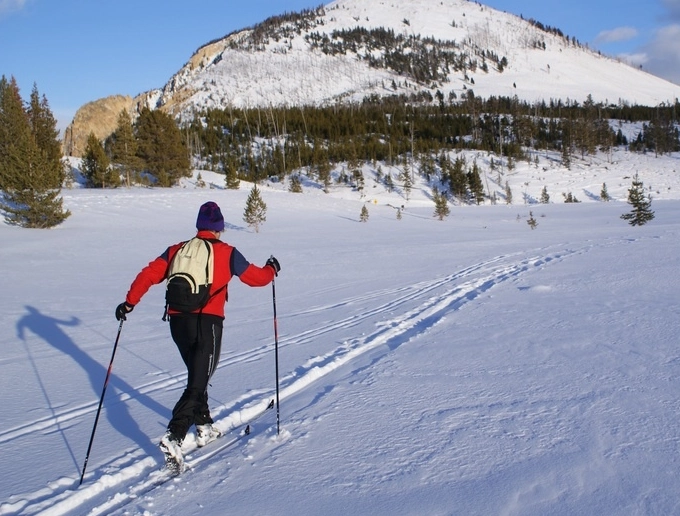
Turns out, it's simpler than it seems, and infinitely more rewarding.
This guide is what I wish I'd had. We're going to cut through the confusion and get you from dreaming about national parks cross-country skiing to actually doing it. We'll look at the best parks for different skill levels, talk gear without the jargon, and cover the unglamorous but crucial stuff like safety and etiquette. Because the goal isn't to become an Olympic skier. The goal is to experience that quiet, that vastness, that feeling of being a tiny part of a massive, sleeping landscape.
Why National Parks are the Ultimate Cross-Country Skiing Arena
Sure, you can ski on a local golf course or a forest service road. But a national park adds layers to the experience you just can't find elsewhere.
First, the scenery is, well, iconic. You're not just skiing through trees; you're skiing under the towering granite walls of Yosemite Valley, across the frozen expanse of Yellowstone's Hayden Valley, or through a ghost forest of snow-laden bristlecone pines. The backdrop is half the appeal. Second, the trails are often meticulously maintained by the parks or partner organizations. You'll find groomed tracks for classic skiing and smooth lanes for skate skiing in many of the major winter parks, which makes the skiing itself more enjoyable and accessible.
But the real secret? The management. The National Park Service does an incredible job of preserving the winter experience. They limit vehicle access, plow only essential roads, and manage wildlife interactions. This creates a controlled yet wild environment. You feel adventurous but safe. You can find solitude just a few kilometers from a park road. I'll never forget skiing a supposedly popular loop in Rocky Mountain National Park and not seeing another soul for two hours. The only tracks in the fresh snow ahead of me were from a fox.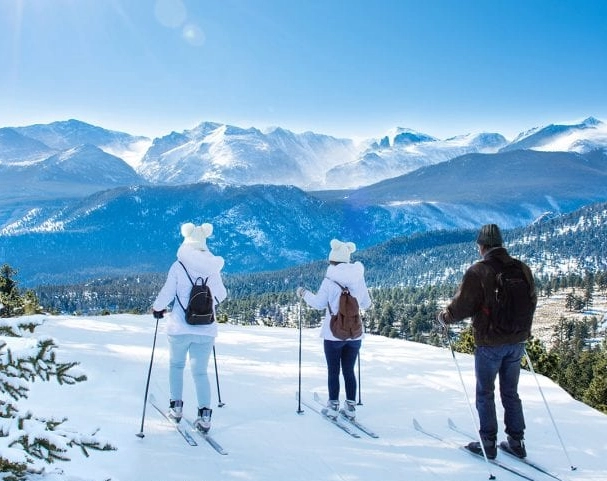
Top National Parks for Cross-Country Skiing (And Who They're Best For)
Not all parks are created equal for skiing. Some are winter wonderlands with hundreds of kilometers of trails. Others might have limited terrain or extreme conditions better left to experts. Here’s a breakdown of the standout destinations.
| National Park | Winter Vibe & Terrain | Best For | Key Thing to Know |
|---|---|---|---|
| Yellowstone (WY/MT/ID) | Otherworldly. Ski past steaming geothermal features, vast frozen lakes, and the possibility of seeing bison or wolves. Mostly ungroomed, road-based skiing. | Intermediate to advanced skiers seeking a unique, wildlife-filled adventure. The iconic national parks cross-country skiing experience. | Most skiing is on the park's plowed interior road system. Conditions are variable and weather can change fast. A guide is highly recommended for first-timers. Check the NPS Yellowstone ski page for road status. |
| Rocky Mountain (CO) | High-altitude grandeur. A mix of groomed track systems (like Bear Lake) and scenic, ungroomed trails through pine and aspen forests. | All levels. Beginners can stick to the groomed tracks, while experts can explore deeper valleys. | Altitude is a real factor. Acclimate in Estes Park or Grand Lake for a day first. The park's website has excellent, detailed trail maps. |
| Yosemite (CA) | Majestic valley views. The famous Badger Pass Ski Area offers groomed trails, while the valley floor offers stunning flat tours. | Families and beginners. The groomed network at Badger Pass is one of the most accessible and scenic in the system. | Crane Flat and Glacier Point Roads offer amazing, groomed trails. Valley floor loops can get icy later in the day. |
| Grand Teton (WY) | Picture-postcard perfection. Ski with the dramatic Teton Range as your constant companion. Well-maintained groomed trails around the park. | Photographers and skiers who want jaw-dropping scenery with every glide. Great for intermediate skiers. | The Teton Park Road is groomed for skiing and biking from Taggart Lake to Signal Mountain. It's a classic. |
| Acadia (ME) | Coastal charm. A unique blend of forest, mountain, and ocean views. Over 45 miles of groomed carriage roads. | Classic skiers who enjoy a historic, engineered trail system. Less extreme than western parks. | The carriage roads are meticulously groomed by a local non-profit. It's a community-focused, elegant skiing experience. |
I have a soft spot for Yellowstone, but the logistics can be tough. If it's your first foray into cross-country skiing national parks, I'd actually point you towards Rocky Mountain or Yosemite. The infrastructure is more forgiving, and you have clearer bail-out options if the weather turns or you get tired.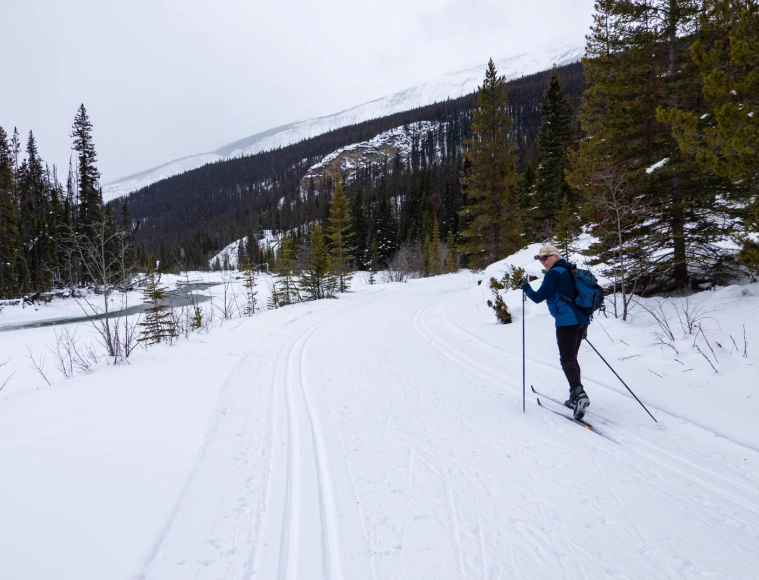
Gearing Up Without Going Broke or Crazy
The gear question stops a lot of people. It feels technical and expensive. It doesn't have to be.
For your first few trips, rent. Full stop. Find a reputable outdoor shop near the park you're visiting. They'll set you up with skis, boots, and poles that are appropriate for the local conditions. This lets you figure out if you even like it before dropping serious cash. I rented for three seasons before buying my own setup. When you do buy, consider used gear. Ski swaps in mountain towns are gold mines.
Now, the classic vs. skate skiing debate. For national park ski trails, you will almost always want classic skis. They're more versatile for variable, ungroomed snow and the touring style of skiing you'll be doing. Skate skiing is like ice skating on skis; it's faster and requires a wide, groomed track. It's fantastic exercise, but less suitable for exploring off-track or on narrow trails. Start with classic.
Your Non-Negotiable Clothing System (The Layering Secret)
Forget buying a fancy ski suit. The key is layers you can add or shed. You'll start cold, get warm while moving, and then get cold again if you stop.
- Base Layer: Merino wool or synthetic. NO COTTON. Cotton kills (your warmth) when it gets wet.
- Mid Layer: A fleece or lightweight puffy jacket for insulation.
- Outer Layer (Shell): A windproof and water-resistant jacket and pants. They don't need to be heavy ski pants; often, lightweight soft-shell pants are perfect.
- Extremities: Warm gloves (consider liners + outer mittens), a warm hat, and a neck gaiter or buff. Sunglasses and sunscreen are mandatory—snow glare is intense.
Pack more layers than you think you need. Always.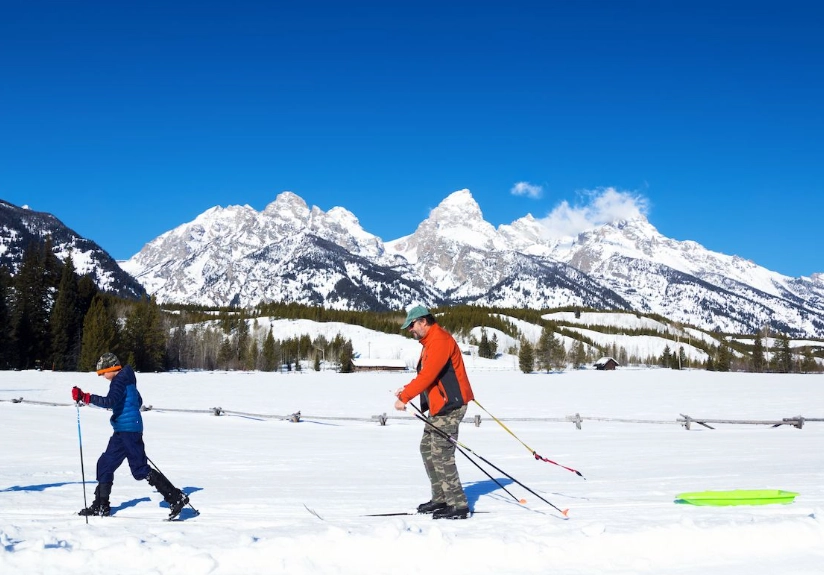
Beyond the Gear: Skills & Etiquette for the Winter Wild
Okay, you have the gear and the destination. Now, how do you not be "that person" on the trail, and more importantly, stay safe?
Basic Skills You Should Practice
If you can walk, you can shuffle on cross-country skis. To actually enjoy it and travel efficiently, spend an hour on a local groomed track practicing these before your big trip:
- The Kick and Glide: The fundamental motion. It's a weighted push-off with one ski while gliding on the other.
- Getting Up: You will fall. Practice getting up. Bring your skis underneath you, parallel to each other, and push up. It's a core workout.
- Going Downhill (Snowplow/Pizza Slice): Point your ski tips together, tails apart, and bend your knees. It's the only way to control speed on gentle descents.
For steeper hills in the park? The safest method is often to simply take your skis off and walk down. No shame in that game. I've done it more times than I can count on icy trails.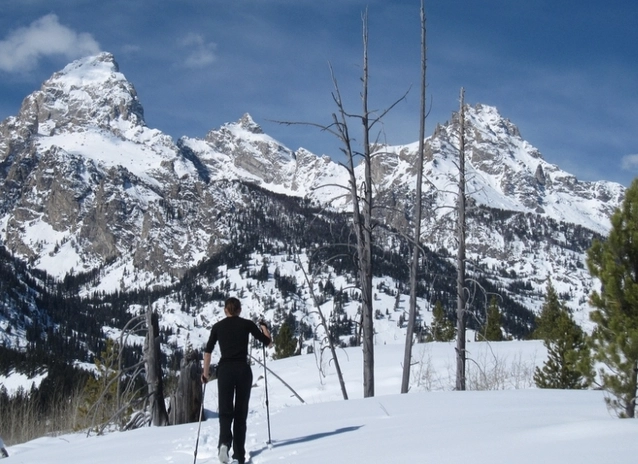
The Unwritten Rules of the Trail
Winter trail etiquette keeps everyone safe and happy.
- Right of Way: Downhill skiers have the right of way. Uphill skiers must yield. If you're stopped on a trail, step completely off the track.
- Track Preservation: Don't walk, snowshoe, or let your dog run in the set classic tracks. It ruins them for everyone else. Use the designated skate lane or the side of the trail.
- Share Wildlife Encounters: If you see something cool (a moose, an owl), don't crowd it. Observe from a distance, and let other passing skiers know quietly.
Planning Your Trip: The Nitty-Gritty Details
This is where dreams meet reality. A little planning prevents a lot of frustration.
When to Go: Peak season is typically February through early March. The snowpack is deepest and most reliable. January can be bitterly cold, and by late March, trails can get slushy in the afternoons (what we call "mashed potato snow").
Where to Stay: Options inside the parks in winter are limited and book up fast. Look at gateway towns like Estes Park for Rocky Mountain, West Yellowstone for Yellowstone, or Jackson for Grand Teton. Booking 6+ months in advance isn't unusual.
Permits and Fees: You'll need to pay the standard park entrance fee. Some parks require a separate, free winter use permit for backcountry skiing (check each park's website). For groomed trail systems, there's often a daily trail fee that funds the grooming operations. It's usually a small fee ($5-$15) and worth every penny.
Answering Your Burning Questions
Do I need a guide for national parks cross-country skiing?
For your first time in a vast, complex park like Yellowstone? Absolutely yes, and I don't say that lightly. A guide knows the safe routes, understands the weather patterns, can interpret animal signs, and handles navigation. In parks with dedicated, signed trail systems like Acadia or Rocky Mountain's Bear Lake area, you can confidently go self-guided with a good map.
Can I go cross-country skiing in a national park if I'm a complete beginner?
Yes! But you have to pick the right park and the right trail. Stick to parks with groomed, flat to rolling terrain. Yosemite's Badger Pass, Acadia's carriage roads, or the beginner loops at Rocky Mountain's Bear Lake are perfect places to learn. Take a lesson on your first morning there. The one-hour group lesson I took at Badger Pass transformed my confidence.
What about wildlife? Is it safe?
Seeing wildlife is a highlight, but you must give them space. Bison in Yellowstone are not slow, cuddly cows; they are fast and unpredictable. Keep at least 100 yards from wolves and bears, and 25 yards from all other animals. If your presence changes an animal's behavior (it stops eating, looks at you, moves away), you're too close. Ski in groups, make noise in blind corners, and carry bear spray in bear country (know how to use it).
How do I deal with changing snow conditions?
Morning snow is often fast and firm. Afternoon sun turns it soft and slow. If you're on waxable skis, this is a headache. That's why I strongly recommend beginners use waxless skis (skis with a fishscale or skin pattern on the bottom). They grip in all conditions, even if they're a bit slower. They remove a huge variable. For icy patches, which are common on sun-exposed trails, slow down, shorten your stride, and be prepared to walk.
Making It Memorable (Beyond Just the Skiing)
The skiing is the vehicle, not the entire journey. Build in time for other winter magic.
Pack a thermos of hot soup, cocoa, or tea. Finding a sunny log to sit on for lunch is a core memory. Bring binoculars for wildlife spotting. Plan a shorter ski day and spend the afternoon soaking in a hot spring near the park (where available) or exploring the cozy gateway town. At night, look up. Winter skies in national parks, away from city lights, are staggering. You might see the Milky Way.
The feeling you're after—that deep peace, that connection—doesn't come from hammering out the most kilometers. It comes from stopping. Listening to the absolute silence. Watching your breath cloud in the cold air. Seeing animal tracks you can't identify and wondering about the story they tell.
That's the real destination.
So start with one of the more accessible parks. Rent your gear. Pack your layers and your sense of wonder. Go slowly. Be safe. And welcome to the quietest, most beautiful party in America—the one happening on the snow-covered trails of our national parks every winter.