In This Guide
Let's be real for a second. When you think about summer hiking, what comes to mind? Sweat dripping into your eyes, bugs buzzing around your head, and that nagging worry about drinking enough water. I used to think the same way. I'd save all my big trail ambitions for the crisp fall days. Summer was for... I don't know, the beach?
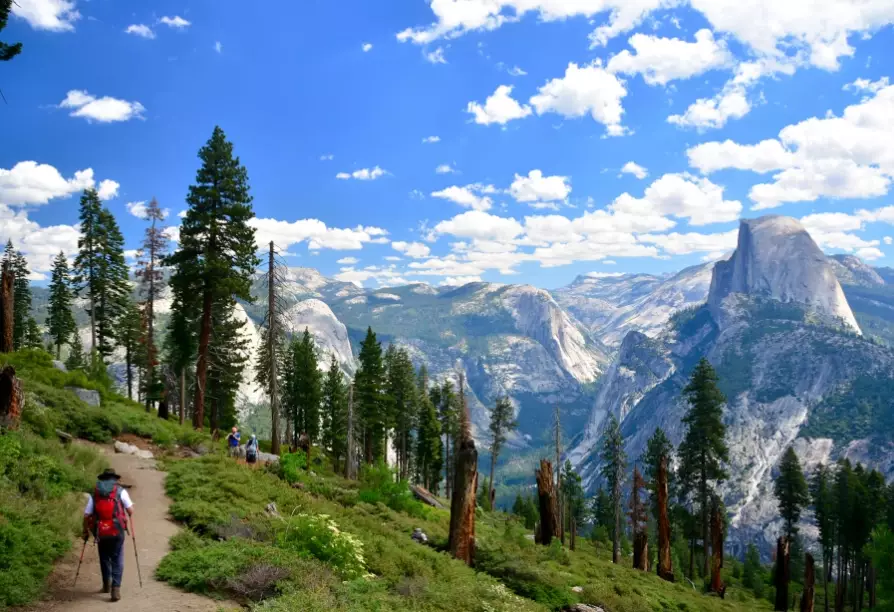
But then I moved somewhere where summer is the main event, and hiding indoors for three months wasn't an option. I had to figure it out. And you know what? I was missing out. Big time. Summer hiking, when you do it right, unlocks a completely different world. Lush, green canopies that don't exist in October. Alpine meadows exploding with wildflowers. The sound of water everywhere—from rushing creeks to quiet forest drips after a morning rain.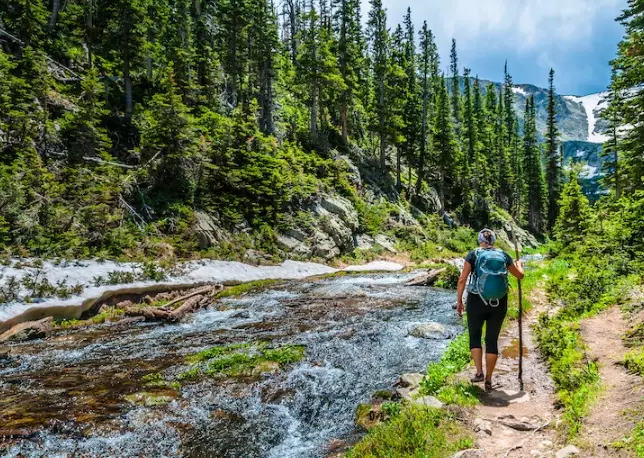
This guide is everything I wish I'd known back then. It's not a generic list of tips. It's a deep dive into the summer hiking mindset, gear that actually works, and how to find those magical trails that are better in July than they are in January. We're going to talk about the stuff most articles gloss over.
Why Summer Hiking Deserves Its Own Rulebook
You can't just take your spring hike and do it in 90-degree heat. The rules change. The stakes are higher. Your body is working overtime to keep you cool, which means your energy drains faster. Dehydration isn't just about being thirsty; it can lead to cramps, exhaustion, and in serious cases, heat stroke. That's the scary one.
Then there's the sun. Sunburn is a quick way to ruin your trip (and the next few days). But it's more than that. Prolonged exposure on a long, exposed ridge can literally cook you. And let's not forget the afternoon thunderstorms. In many mountain regions, they roll in like clockwork after 1 PM. Being on an exposed peak when lightning starts is a risk you just don't need to take.
So yeah, summer hiking needs respect. But with that respect comes reward. The trails are often quieter than in the fall frenzy. The long daylight hours mean you can start early to beat the heat, take a long lunch break by a swimming hole, and still finish before dark. It's a more relaxed, immersive rhythm if you plan for it.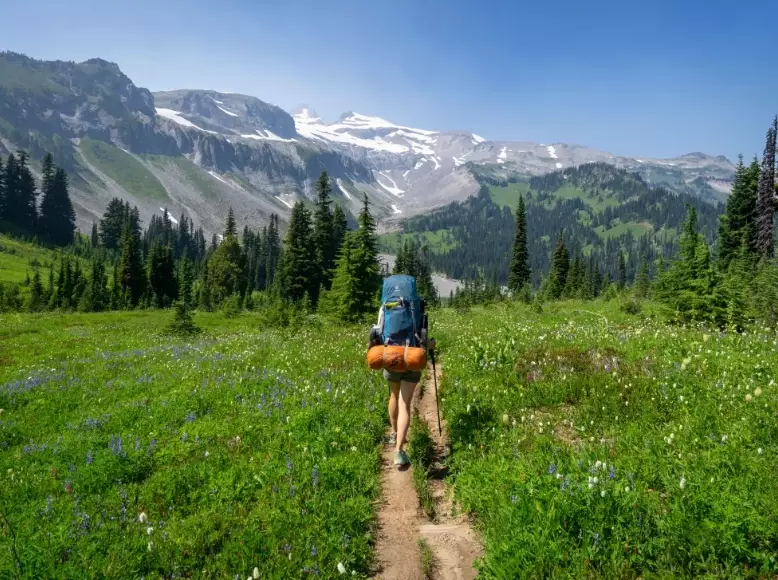
The Non-Negotiable Summer Hiking Gear Shift
Your gear needs to shift from "keeping you warm and dry" to "keeping you cool, protected, and hydrated." It's a different priority list. Forget the heavy, multi-day backpack for a day hike. Ditch the cotton T-shirt (it's a sponge that stays wet and chills you). Here’s the breakdown of what actually works.
What to Wear: Fabric is Everything
Merino wool or synthetic fabrics (like polyester or nylon) are your best friends. They wick sweat away from your skin so it can evaporate and cool you. I was skeptical about merino wool in summer until I tried it. It doesn't feel like a winter sweater—it's light, breathable, and somehow smells less after a sweaty day than synthetic stuff. A lightweight, long-sleeved sun hoody might seem counterintuitive, but it's a game-changer. It protects your arms from sun, brush, and bugs without making you hotter. Trust me on this one.
The Hydration System: Your Lifeline
This is the core of your summer hiking kit. You have options:
- Hydration Bladder (like a CamelBak): Great for consistent sipping without stopping. The downside? It's hard to know how much you've drunk, and they can be a pain to clean.
- Water Bottles: Simple, reliable, easy to track intake. I often carry one with plain water and one with an electrolyte mix.
- Filter or Purification Tablets: This is how you go light. Carrying 4 liters of water is heavy. Carrying 1 liter and a filter like the Sawyer Squeeze is smart. Always check if your trail has reliable water sources first. The National Park Service has good guidelines on treating backcountry water to avoid nasty bugs like Giardia.
And about those electrolytes? Don't just buy the super-sugary sports drinks. Look for powders or tablets that have a decent amount of sodium (like 300-500mg per serving). I just drop a tablet in one of my bottles—it's easier than mixing powder on the trail.
| Gear Category | Summer-Specific Recommendation | Why It's Critical for Summer |
|---|---|---|
| Footwear | Breathable trail runners or hiking shoes (not waterproof boots) | Waterproof boots trap heat and sweat. Your feet will overheat. Breathable shoes let them cool. Your feet might get wet in a stream crossing, but they'll dry fast. |
| Sun Protection | Wide-brim hat, sunglasses (UV protection), mineral-based sunscreen (SPF 30+) | A baseball cap doesn't protect your neck or ears. A wide brim does. Mineral sunscreen (with zinc oxide) is less likely to sweat into your eyes and is better for sensitive skin. |
| Navigation | Phone with app (Gaia GPS, AllTrails) + physical map/compass as backup | Summer foliage can be thick, obscuring trails. Having a reliable GPS track is helpful. But always have a non-battery backup. |
| Emergency Kit Addition | Electrolyte packets, extra sunscreen, emergency whistle, lightweight space blanket | The space blanket (silver side out) can reflect heat if you're stuck and need shade. The whistle is for signaling if you're in trouble—your voice won't carry far. |
Safety First: It's More Than Just a Slogan
Okay, let's talk about the serious stuff. Having the right gear is one thing. Knowing how to use it and make smart decisions is what keeps you safe on a summer hiking adventure.
Heat Illness: Know the Signs
This isn't about being uncomfortable. It's about recognizing when your body is starting to fail.
- Heat Exhaustion: Heavy sweating, cold/clammy skin, fast but weak pulse, nausea, dizziness, headache. What to do: STOP. Get to shade immediately. Drink cool water or electrolytes. Loosen clothes. Put wet cloths on your skin.
- Heat Stroke (MEDICAL EMERGENCY): This is when the body's cooling system shuts down. Key sign: hot, red, DRY skin (no sweating). Confusion, loss of consciousness, very high body temperature. What to do: Call 911 (if you have service) or send someone for help immediately. Move the person to shade, cool them rapidly with any water you have (pour it on, soak clothes). This is life-threatening. The CDC's extreme heat guide is a must-read on this topic.
My rule? If I start feeling a headache coming on or get unusually irritable ("hanger" is one thing, but this is different), I stop and assess. It's almost always the first sign I need more water and a break.
The 3-Phase Summer Hiking Strategy
This is my personal framework for planning any warm-weather hike.
- The Early Bird Phase: Start at sunrise. No, really. The coolest part of the day is your best friend. You can cover the most ground with the least effort and stress on your body.
- The Siesta Phase: Plan to be at your turnaround point or a lovely scenic spot (preferably near water) by late morning. From about 11 AM to 3 PM, when the sun is most intense, this is your rest time. Swim, nap in the shade, eat a long lunch. Hike in the heat of the day only if you absolutely must.
- The Evening Cool-Down Phase: Start heading back in the late afternoon. The temperature will be dropping, and you'll finish your hike feeling refreshed, not destroyed.
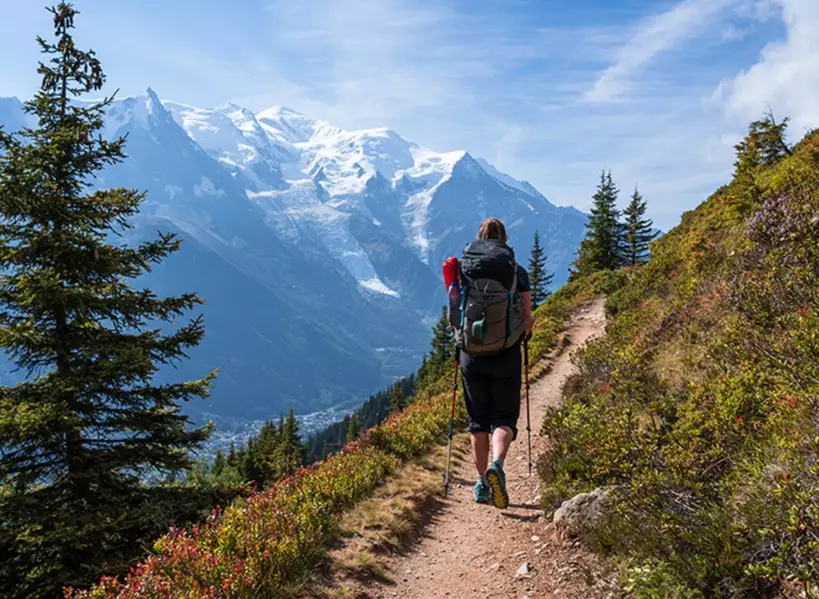
Finding the Perfect Summer Hike (It's Not the Same Trail)
The best summer hiking trail isn't necessarily the most popular one. You want trails that offer natural air conditioning. Here’s what to look for, with some specific examples to get you thinking.
Trail Characteristics of a Summer Winner
- Tree Cover: Dense forest can be 10-15 degrees cooler than an exposed meadow.
- Water Access: Trails that follow a river, pass lakes, or have known swimming holes. The ability to dip your hat or splash your face is priceless.
- Higher Elevation: Generally, temperature drops about 3-5°F for every 1,000 feet you climb. A hike that starts at 8,000 feet will be cooler than one at 2,000 feet, even on the same day.
- Aspect: North-facing slopes (in the Northern Hemisphere) get less direct sun and stay cooler and often shadier.
Let me give you a concrete example from my own logbook. In the Sierra Nevada, the hike to Lake Ediza is stunning any time of year. But in summer? The trail follows a roaring creek almost the entire way, the wildflowers in the meadows are insane, and the final destination is an ice-cold alpine lake perfect for a brave plunge. The altitude keeps things crisp. It's a classic summer hiking gem. Conversely, a favorite desert canyon hike of mine becomes a furnace by 9 AM in July and is best saved for fall.
Types of Summer Hikes to Seek Out
Think beyond the summit.
The Alpine Meadow & Lake Combo
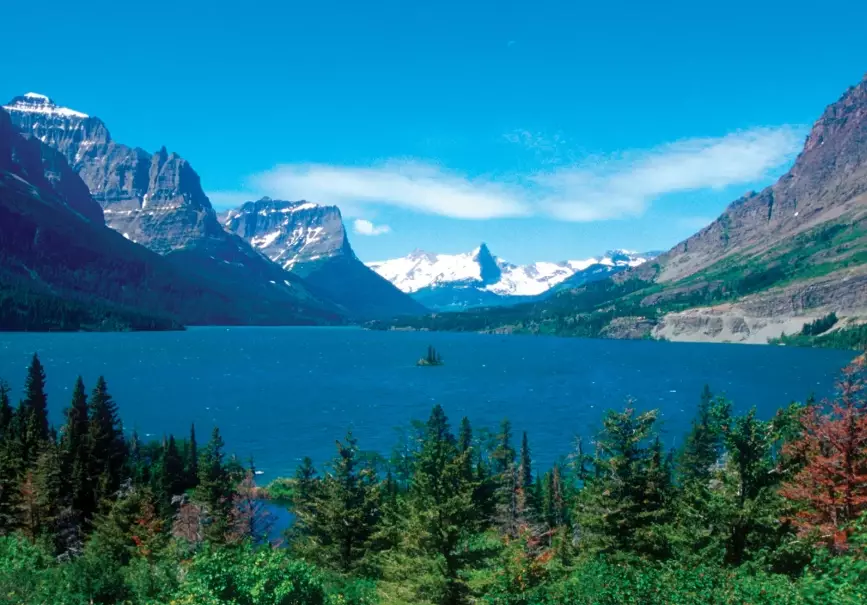
High elevation, wildflowers, and a cold lake at the end. The payoff is huge, and the temperatures are manageable. Research trails in places like the Rockies, Sierras, or Cascades that lead to tarns or lakes.
The Deep Forest Canyon
A trail that descends into a shaded, river-carved canyon. It's often cooler at the bottom. The sound of water is constant. The hike out might be a sweaty climb, but you'll be doing it in the cooler morning if you follow the strategy above.
The Coastal or Lakeside Ramble
Breezes off a large body of water are nature's air conditioner. Look for trails on bluffs over the ocean or that circle large lakes. The views are open, but the constant wind keeps the heat index down.

Your Summer Hiking Questions, Answered (The Stuff You Actually Google)
I get asked these all the time. Let's cut through the noise.
How much water should I actually carry?
The old "one liter per two hours" rule is a bare minimum for summer. I plan for one liter per hour for strenuous hiking in real heat. For a 4-hour hike, that's 4 liters (over 8 pounds of water!). This is why a water filter is such a liberating piece of gear—it turns a heavy carry into a light one if you have a source. Always err on the side of carrying too much, especially on unfamiliar trails.
Are hiking poles worth it in summer?
Yes, but maybe for a different reason. In summer, they help take load off your knees on descents (when you're tired and heat-addled), and they're invaluable for testing water depth before a stream crossing or pushing aside brush. They're not just for snow.
What's the deal with bugs? How do I survive them?
Mosquitoes and flies can ruin a hike. DEET-based repellents are most effective, but they can melt synthetic gear. Picaridin is a great alternative that's less harsh. I also treat my hiking clothes with permethrin (you do this at home, let it dry—it lasts through several washes). It's a game-changer. Wearing those long sleeves and pants we talked about is your first line of defense.
I'm new to this. What's a good first summer hike?
Pick a short, shaded trail with minimal elevation gain, preferably with a water feature at the end as a reward. Go early. Tell someone your plan. Carry double the water you think you need. The goal isn't to conquer a mountain; it's to enjoy being outside and learn how your body handles the heat. Distance comes later.
What if I get caught in a thunderstorm?
Get off ridges and peaks immediately. Avoid isolated tall trees. If you're in a forest, head for lower ground among smaller, uniform trees. If you're in an exposed area with no time to descend, crouch low on your feet (minimize contact with the ground) on a dry, non-conductive surface like your sleeping pad or backpack. Do not lie flat. Spreading out your group reduces the chance of multiple injuries if lightning strikes nearby. This is serious—the National Weather Service has detailed, life-saving advice.
Wrapping It Up: The Summer Hiking Mindset
At its core, successful summer hiking is about embracing a slower, more deliberate pace. It's about savoring the lushness and the light, not just powering through to a viewpoint. It requires more planning and more listening to your body than any other season.
But the rewards? They're unique. The feeling of dipping into an alpine lake you hiked to. The smell of warm pine needles on a forest trail. The sight of a meadow full of flowers that weren't there a month ago and won't be there a month later.
Start with one small change on your next hike. Maybe it's switching to a sun hoody. Maybe it's adding electrolytes to your water. Maybe it's just setting your alarm an hour earlier. Each adjustment makes the experience better, safer, and more enjoyable. Before long, you might just find yourself looking forward to the summer hiking season the most. I know I do.
Now get out there, be smart, and drink some water.