You hear the term "environmental impact" thrown around all the time. In the news, on product labels, from that friend who's really into zero-waste. But what does it actually mean? If you're feeling a bit lost in the jargon, you're not alone. I used to think it was mostly about not littering and maybe turning off the lights. Boy, was I wrong.
The truth is, understanding environmental impact is like pulling a thread on a sweater. You start with one simple question, and suddenly you're looking at this huge, interconnected web of cause and effect that touches everything from the food on your plate to the phone in your hand. It can feel overwhelming. That's why I wanted to break it down, not as a scientist or a preacher, but as someone who had to figure it out piece by piece.
Here's the core idea: An environmental impact is any change to the environment, good or bad, that results from an activity, product, or service. It's the footprint we leave behind, and it's measured in more ways than you might think.
Quick Navigation
Where Does It All Come From? The Main Drivers
Let's get practical. When we talk about the causes of environmental impact, we're really talking about human activities. It's not some mysterious force; it's us, going about our daily lives and running our industries. The scale is what's mind-boggling.
Think about energy. For over a century, we've powered our world mostly by burning stuff—coal, oil, gas. This releases greenhouse gases (like carbon dioxide and methane) that trap heat in our atmosphere. That's the primary driver of climate change, which is arguably the biggest collective environmental impact humanity faces. But it's not just the air. Mining for coal or drilling for oil scars landscapes, pollutes water, and disrupts ecosystems long before the fuel is even burned.
Then there's how we make things. Manufacturing is incredibly resource-hungry. It gobbles up raw materials—metals, minerals, timber—and in the process, it often pollutes water with chemicals and releases other nasty stuff into the air. I remember visiting an area downstream from an old factory site, and the local community was still dealing with water issues years later. The impact lingers.
And agriculture. Feeding billions of people is no small feat. To do it intensively, we've cleared forests for farmland, which destroys habitats and releases stored carbon. We use synthetic fertilizers that run off into rivers and oceans, creating "dead zones" where nothing can live. The methane from all those cows? A serious contributor to global warming. Our food choices are deeply tied to environmental impact.
Finally, we can't ignore waste. Our "take-make-dispose" culture creates mountains of it. Plastic waste choking oceans is the visible tip of the iceberg. Electronic waste is full of toxic materials that can leach into soil and groundwater. Even organic waste in landfills produces methane. We designed a system where throwing something "away" is the default, but there is no "away."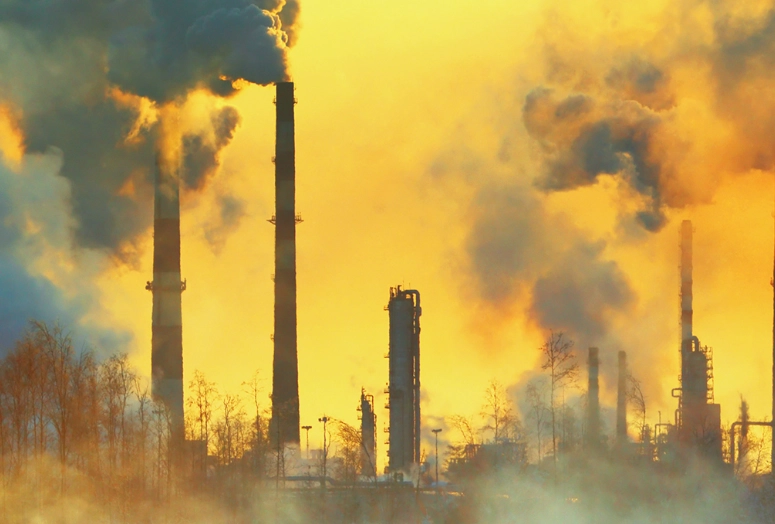
It's easy to point fingers at big corporations (and they do carry a huge responsibility), but the demand chain starts with us. Every product bought, every car trip taken, every piece of food wasted adds up to the collective pressure on the planet's systems. The environmental impact is cumulative.
The Ripple Effects: What Happens Next?
Okay, so we do these things. What are the actual consequences? This is where the abstract idea of "impact" gets very real, and frankly, a bit scary. The effects are interconnected, creating feedback loops that can amplify problems.
Climate Change and Weather Gone Wild
This is the big one. A warming planet isn't just about hotter summers. It's about the entire climate system getting more energetic and unpredictable. We're seeing more intense and frequent heatwaves, droughts in some places, and catastrophic flooding in others. Sea levels are rising, threatening coastal cities and island nations. Coral reefs, which support a quarter of all marine life, are bleaching and dying due to warmer, more acidic oceans. The Intergovernmental Panel on Climate Change (IPCC) reports lay this out in stark, scientific detail. It's not a future problem; it's happening now.
Biodiversity Loss: A Silent Crisis
While climate change grabs headlines, the loss of species is happening at an alarming rate. Habitat destruction from farming, logging, and urban sprawl is the main culprit. Pollution, climate change, and invasive species finish the job. Why should you care? Biodiversity isn't just about cute animals. It's the foundation of healthy ecosystems that provide us with clean air, water, pollination for crops, and disease regulation. Losing it is like pulling rivets out of an airplane's wing—eventually, the whole system fails. The World Wildlife Fund's Living Planet Report tracks this decline, and the numbers are sobering.
Pollution: Air, Water, Soil
This is the most direct and visible effect for many people. Air pollution from vehicles and industry causes millions of premature deaths annually from respiratory and heart diseases. Water pollution from agricultural runoff, industrial waste, and plastic affects drinking water sources and aquatic life. Soil contamination from heavy metals and chemicals undermines our ability to grow food safely. The U.S. Environmental Protection Agency (EPA) has tons of data on pollutant levels and their health effects. It's a direct hit on human well-being.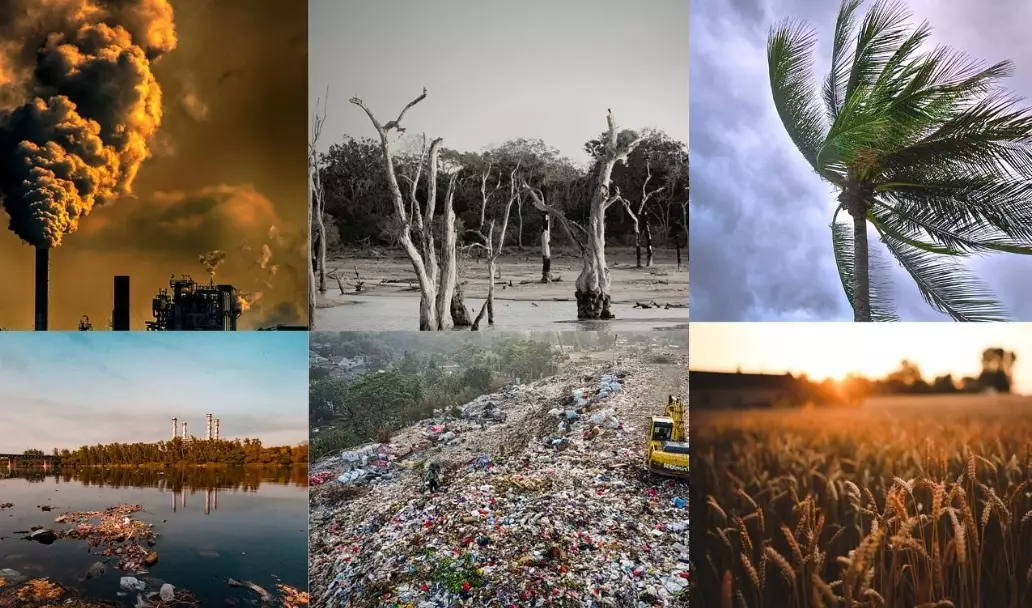
I live in a city, and on some days, you can literally see the haze. It's a constant, tangible reminder that the environmental impact isn't a distant concept. It's in the air you breathe.
Measuring the Footprint: It's Not Just Carbon
So how do we actually measure all this? This is where it gets interesting. We've developed tools to put numbers to the problem, which is the first step to managing it.
The most famous is the carbon footprint—the total greenhouse gas emissions caused by an individual, event, organization, or product. You can find calculators online from groups like the Nature Conservancy to estimate your own. But it's only one piece.
There's also the water footprint, which measures both the direct water you use (showering, watering plants) and the "virtual water" embedded in the things you buy (it takes about 1,800 gallons of water to produce one pound of beef, for instance).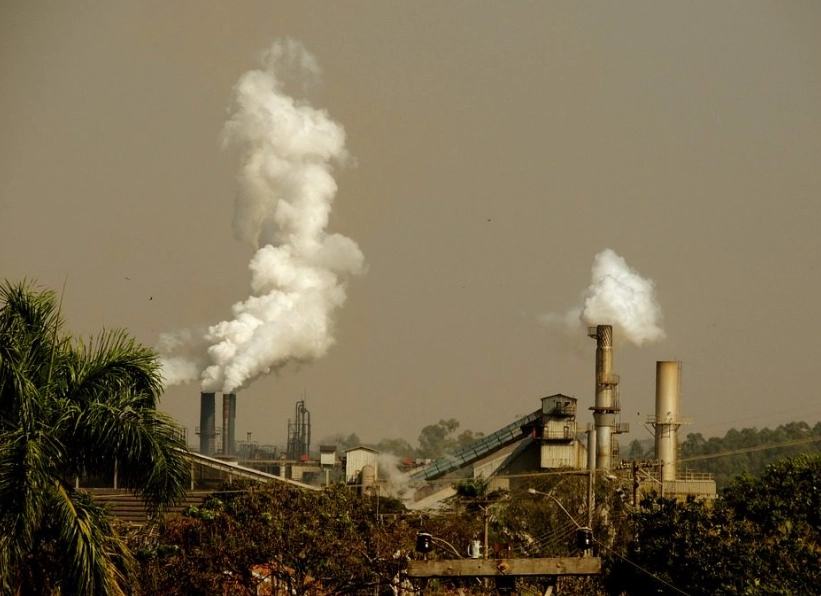
And the ecological footprint, which compares human demand on nature (cropland, fishing grounds, forest products) against the planet's ability to regenerate. The Global Footprint Network calculates that humanity currently uses the equivalent of about 1.7 Earths. We're running an ecological deficit.
| Footprint Type | What It Measures | Why It Matters | Example |
|---|---|---|---|
| Carbon Footprint | Total greenhouse gas emissions (CO2, methane, etc.) | Direct link to climate change and global warming. | Driving a gas car 100 miles vs. taking an electric train. |
| Water Footprint | Total volume of freshwater used, directly and indirectly. | Highlights water scarcity issues and embedded resource use. | The water used to grow cotton for a single t-shirt (~2,700 liters). |
| Ecological Footprint | Demand on biologically productive land and sea area. | Shows if we're living within the planet's regenerative capacity. | A nation's consumption of food, timber, and space for infrastructure. |
| Land Use Footprint | Area of land required to sustain an activity. | Tracks habitat loss and land degradation. | Forest cleared for palm oil plantations or cattle ranching. |
For big projects, like building a dam, highway, or new factory, many countries require an Environmental Impact Assessment (EIA). This is a formal process to predict the likely effects, consult the public, and propose ways to avoid, reduce, or manage negative impacts. It's far from perfect—sometimes it feels like a box-ticking exercise—but when done rigorously, it can prevent some really bad decisions.
What Can We Actually Do? Moving From Problem to Solution
All this talk of problems can be paralyzing. I've been there. The key is to focus on actions that have leverage—where a little effort creates a big reduction in environmental impact. It's about being strategic, not perfect.
The Big Picture Idea: We need systems change. Individual actions are crucial for building momentum and shifting culture, but we also need policies and innovations that make sustainable choices the easy, default choices for everyone.
For Individuals: Choices That Matter
Forget about feeling guilty for every little thing. Focus on the high-impact areas.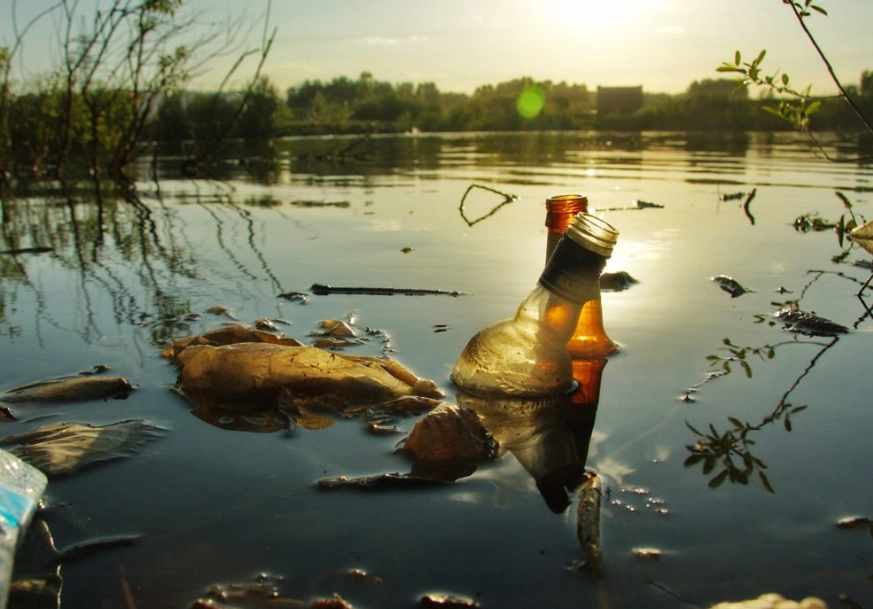
Rethink Transportation: If you can, walk, bike, or use public transit. It's often faster and less stressful anyway. If you need a car, your next one could be electric or hybrid. For air travel, which has a massive carbon footprint, consider if a video call could work, or try to cluster trips. Flying less is one of the most powerful things an individual in a wealthy country can do.
Eat With the Planet in Mind: You don't have to go vegan overnight. Just reducing meat consumption, especially red meat, significantly lowers your food-related water and carbon footprint. Buy local and seasonal produce when possible to cut down on transport emissions. And for heaven's sake, try to waste less food. Planning meals and using leftovers sounds boring, but it saves money and reduces impact.
Power Your Life Cleanly: See if your utility offers a green energy option from wind or solar. Switch to LED bulbs. Unplug devices that aren't in use ("phantom load" adds up). Insulate your home. These things lower bills and your carbon footprint.
Buy Less, Choose Well: The most sustainable product is the one you never bought. Before a purchase, ask: Do I really need this? Can I borrow, rent, or buy it second-hand? If buying new, look for durable, repairable items from companies with transparent environmental policies. Fast fashion is a huge polluter; opting for quality over quantity makes a difference.
It's about progress, not perfection.
For Businesses and Policy: Scaling Up the Solutions
This is where the real scale of change happens. Companies are realizing that managing their environmental impact isn't just good PR; it's about risk management, efficiency, and long-term survival.
- Circular Economy Models: Designing products to be reused, repaired, remanufactured, or recycled, keeping materials in use and out of landfills. It's the opposite of the "take-make-waste" model.
- Science-Based Targets: Companies setting emissions reduction targets in line with what climate science says is necessary to meet the goals of the Paris Agreement. It adds credibility.
- Renewable Energy Investment: Shifting operations and supply chains to run on wind, solar, and other renewables. The cost has plummeted, making it a smart business move.
- Policy Levers: Governments can use carbon pricing (making polluters pay), subsidies for clean tech, stricter pollution standards, and investing in green public infrastructure (transit, grids).
"We won't solve the problems by using the same thinking that created them." This old saying rings true. Tackling environmental impact requires innovation in both technology and in how we structure our economies and societies.
Your Questions, Answered

The Bottom Line
Understanding environmental impact isn't about assigning blame or living in fear. It's about awareness. It's about seeing the connections between our daily lives and the health of the systems that support all life, including ours. It's complex, yes. But that also means there are countless points where we can intervene, make a better choice, and push for smarter systems.
Start with one thing. Maybe it's eating one more meat-free meal a week. Maybe it's biking to work one day. Maybe it's just having a conversation about this with someone. The goal isn't to be a flawless environmental saint; it's to be part of moving the needle in the right direction. Because when you look at the data—the warming trends, the pollution levels, the species loss—it's clear that the collective environmental impact of humanity needs a course correction. And that correction is built from millions of individual decisions, innovations, and policy shifts.
We got ourselves into this. We can find our way out.