Your Adventure Roadmap
Let's be real. The idea of a national parks road trip has been living rent-free in your head for months. Maybe you saw a stunning photo of Zion's narrows, or heard a friend talk about waking up to the sound of elk in Yellowstone. You're itching to go, but then the questions start. Where do you even begin? How do you pick the parks? What should you pack? And seriously, how do you deal with the crowds?
I've been there. My first big national parks road trip was a glorious, chaotic mess. I overpacked, underestimated drive times, and showed up at a famous overlook at high noon with a hundred other people. It was still amazing, but I learned the hard way. Since then, I've logged thousands of miles on park roads, from the red rocks of Utah to the misty coasts of Acadia. This guide is everything I wish I'd known.
Forget the glossy, perfect Instagram version. We're going to talk about the real stuff—the planning, the costs, the unexpected detours, and the pure magic that makes it all worth it.
Phase 1: The Blueprint – Planning Your Adventure
Jumping straight to picking parks is tempting, but it's like building a house without a foundation. Let's lay the groundwork first.
Getting Real About Budget and Time
How much can you spend, and how long do you really have? Be brutally honest. A two-week trip has a completely different rhythm than a seven-day sprint. I once tried to cram five Utah parks into five days. I saw a lot of parking lots.
Here’s a rough breakdown of where your money goes. It’s not pretty, but forewarned is forearmed.
| Expense Category | Budget-Friendly | Comfort Zone | Notes & Reality Checks |
|---|---|---|---|
| Gas | $300-$500 | $500-$800+ | This is the killer. Prices swing wildly near parks. Fill up in bigger towns. |
| Lodging | Camping ($20-$30/night) | Lodges/Cabins ($150-$300+/night) | Park lodges book up a year out. Seriously. |
| Food | Groceries & Camp Cooking ($15/day) | Mix of groceries & restaurants ($40+/day) | Park restaurant food is expensive and often mediocre. Pack snacks. |
| Park Fees | America the Beautiful Pass ($80) | America the Beautiful Pass ($80) | The best deal in travel. Covers entry for a carload to all federal recreation sites for a year. Get it from the NPS. |
| Miscellaneous | $100 | $250+ | Gear rentals (kayaks, bikes), souvenirs, unexpected car stuff. |
See that pass? Buying it online before you go is your first official act of planning. It saves you time at park gates and pays for itself after 3-4 park entries.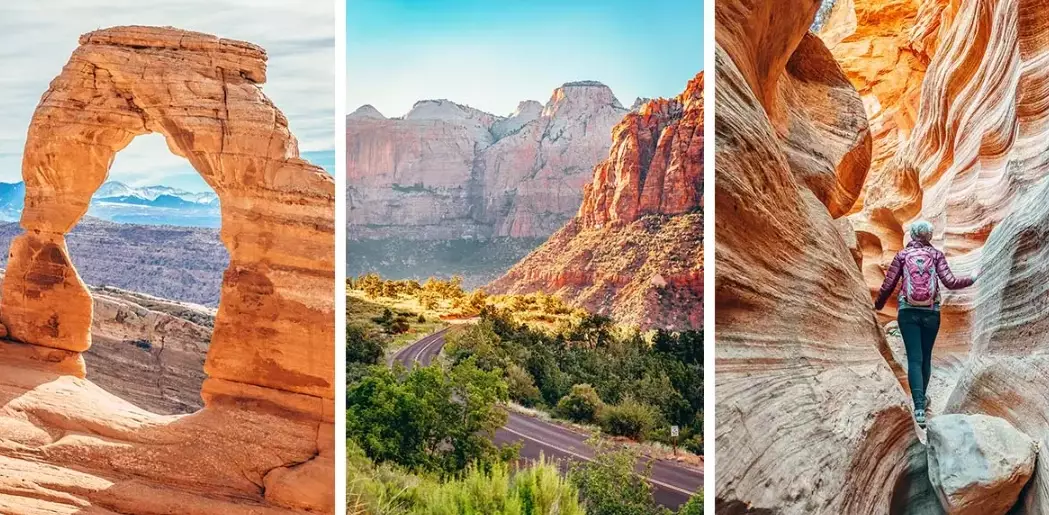
Choosing Your Wheels and Your Crew
Your vehicle is your home. A Prius can do most major park roads (I've done it), but if you dream of dirt roads to remote trailheads, you'll need clearance. An SUV or a capable crossover is the sweet spot for most. RVs offer comfort but limit where you can go and are a pain to park.
Who you travel with matters more than the car. Are you with early-bird hikers or sunset photographers? Kids who need constant activity or friends who want to chill? Aligning expectations now prevents arguments at a scenic pullout later. For a solo or couple's national parks road trip, spontaneity is easier. With a group, a loose but agreed-upon schedule is essential.
Phase 2: Crafting the Perfect National Parks Road Trip Route
Now for the fun part. The classic routes are classic for a reason—they're incredible. But don't be afraid to tweak them.
The Heavy Hitters: Classic Circuits
These routes are popular because they connect world-class parks with manageable driving. The Utah Mighty 5 Circuit (Arches, Canyonlands, Capitol Reef, Bryce Canyon, Zion) is a masterpiece of red rock scenery. You can do a highlights version in a week, but two weeks lets you breathe. Spring and fall are ideal; summer is blisteringly hot.
The California Grand Tour strings together Yosemite, Kings Canyon, Sequoia, and maybe a dash over to the coast. It's a lesson in scale—from giant trees to sheer granite walls. The big challenge here isn't the distance, it's the reservations. You need to book Yosemite campsites or lodging the second they become available.
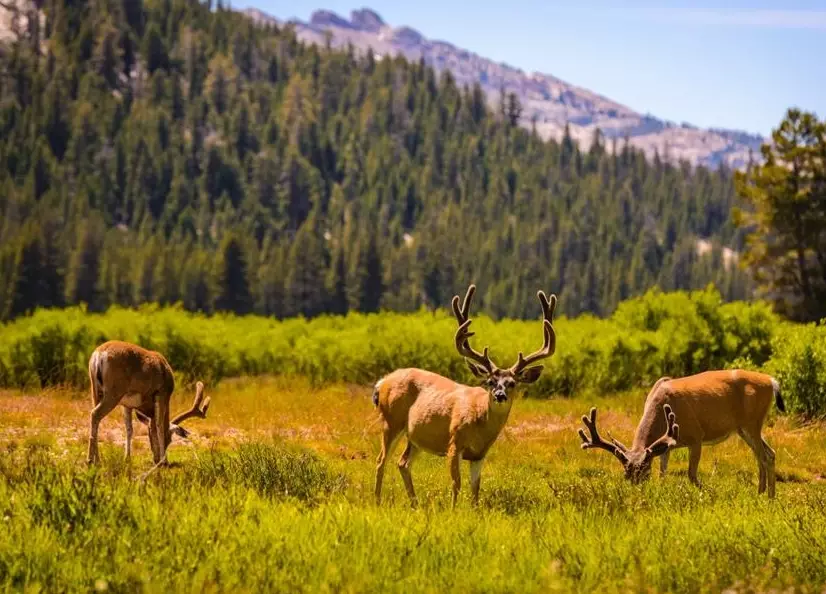
For a longer haul, the Northern Rockies Loop takes you through Glacier, Yellowstone, and Grand Teton. It's wildlife central (bison! bears! elk!) with mountain scenery that will hurt your feelings it's so pretty. The catch? A very short season. Many roads, like the famous Going-to-the-Sun Road in Glacier, are only fully open from June/July to September/October.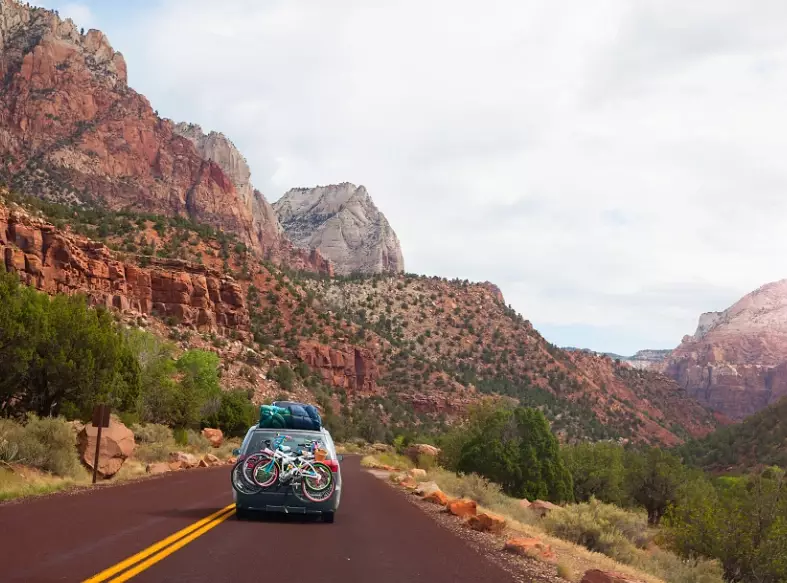
The Hidden Gems: Beyond the Postcard Parks
Some of my best memories come from less-visited parks. Pairing a famous park with a quieter neighbor creates a perfect rhythm.
If you're doing Yellowstone, consider adding Grand Teton (okay, also famous) but then venturing to Bighorn Canyon National Recreation Area. It's stunning and empty. After the Grand Canyon's south rim crowds, the North Rim is quieter, cooler, and feels wilder (but it's only open mid-May to mid-October).
In the Southwest, near the Utah giants, you'll find Colorado National Monument or Canyon de Chelly (managed with the Navajo Nation). These places offer the drama without the circus.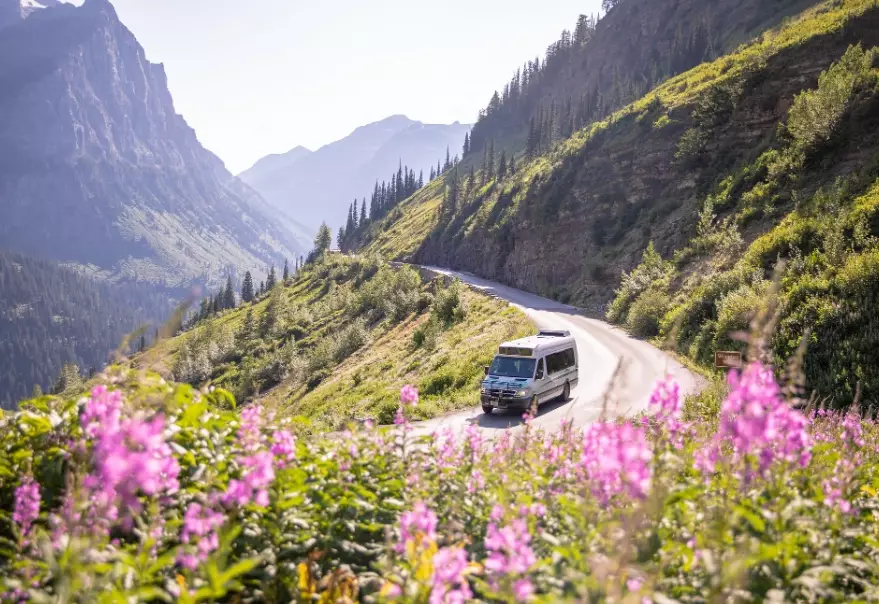
Sometimes the space between the parks is the best part.
Phase 3: The Nitty-Gritty – Booking, Packing, and Driving
The Reservation Hunger Games
Gone are the days of just showing up. For most popular parks, you need a plan.
- Lodging Inside Parks: Book at least 6-12 months in advance for places like Yellowstone Old Faithful Inn or Yosemite's Ahwahnee. Use Recreation.gov for campgrounds and some lodges.
- Timed Entry Permits: Parks like Rocky Mountain, Arches, and Glacier now require these during peak season to manage flow. You often need to book these 30-90 days ahead. Check each park's official NPS website.
- Campgrounds Outside Parks: National Forests and BLM land often surround parks with first-come, first-served or reservable sites. They're a great, cheaper alternative.
Packing: What You Actually Need
Overpacking is the rookie mistake. Your trunk space is precious. Here’s the core list, broken down.
The Non-Negotiables:
- Navigation & Safety: Physical maps (cell service is a myth in parks), a paper road atlas, a full-size spare tire, jumper cables, a basic first-aid kit, and a flashlight/headlamp.
- Comfort & Layers: A good rain jacket (even in the desert), a warm fleece, moisture-wicking shirts, broken-in hiking boots, and sandals for post-hike. Cotton kills (comfort) when it gets wet.
- Hydration & Food: Multiple large, reusable water bottles (like Nalgene) or a hydration reservoir. A small cooler. High-energy snacks (nuts, bars, jerky).
The "Why Didn't I Think of That?" Items: A power bank for your phone, a cheap pair of binoculars, a bandana (dust, sweat, sun), a roll of duct tape (fixes everything), and a few large trash bags (for wet clothes, makeshift rain covers).
For Camping: A reliable tent, a sleeping pad (more important than the bag for comfort), a warm sleeping bag rated for temps 10-20 degrees colder than you expect, and a headlamp.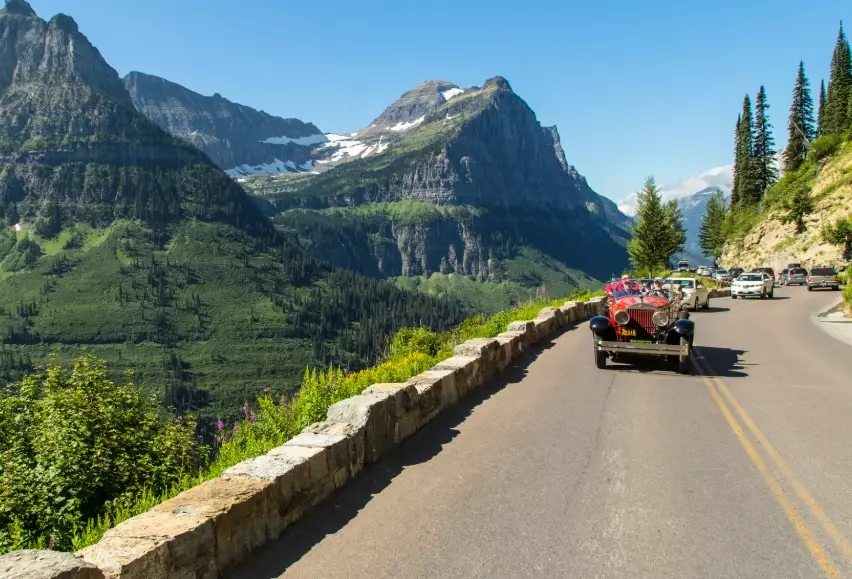
Mastering the Art of the Drive
Park driving isn't highway cruising. Roads are winding, steep, and full of distracted drivers and wildlife.
My rule of thumb: Google Maps time + 30%. You will stop for photos. You will get stuck behind an RV on a switchback. You will see a herd of bison and just sit there watching.
Fuel Strategy: Never let your tank drop below half. Gas stations inside parks are few, far between, and expensive. Fill up in the last decent-sized town before you enter.
And about those animals. It’s not just about hitting them. It’s about the people who stop in the middle of the road to look at them. Be patient. Use pullouts. Never, ever approach wildlife. A bison may look slow, but it can run three times faster than you.
Phase 4: Being a Good Guest – Leave No Trace and Sustainability
This isn't optional anymore. These places are fragile. A national parks road trip comes with responsibility.
The seven Leave No Trace principles are your bible. Plan ahead, travel on durable surfaces, dispose of waste properly (pack it in, pack it out—yes, even toilet paper in many areas), leave what you find (rocks, flowers, arrowheads), minimize campfire impacts (use a stove, check fire bans), respect wildlife (give them space!), and be considerate of other visitors.
It goes deeper than just packing out trash. Support the local economies in gateway towns. Eat at a local diner instead of a chain. Choose tours operated by locals. Be mindful of water usage, especially in the arid West.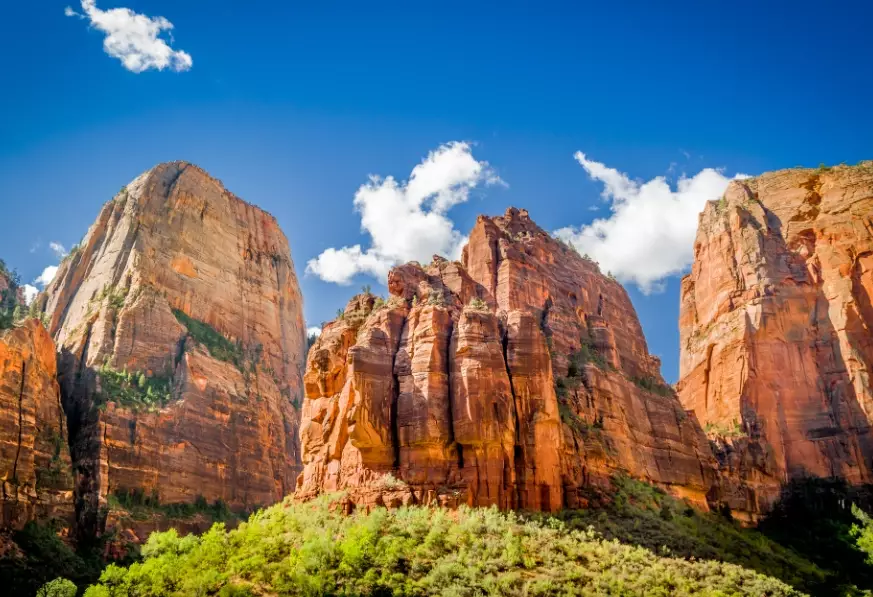
We want these places to be here, and feel wild, for the next person on their national parks road trip.
Your National Parks Road Trip Questions, Answered
Here are the real questions I get asked all the time.
The open road is calling. Your national parks road trip is out there, waiting to be planned. It might seem overwhelming now, but take it step by step. Start with your dates and that budget. Pick one or two parks that make your heart sing. The rest will fall into place. The memories you'll make—the quiet, the awe, the sheer fun of it—will stick with you long after the laundry is done and the dust has been washed off your car.
Now go start planning.