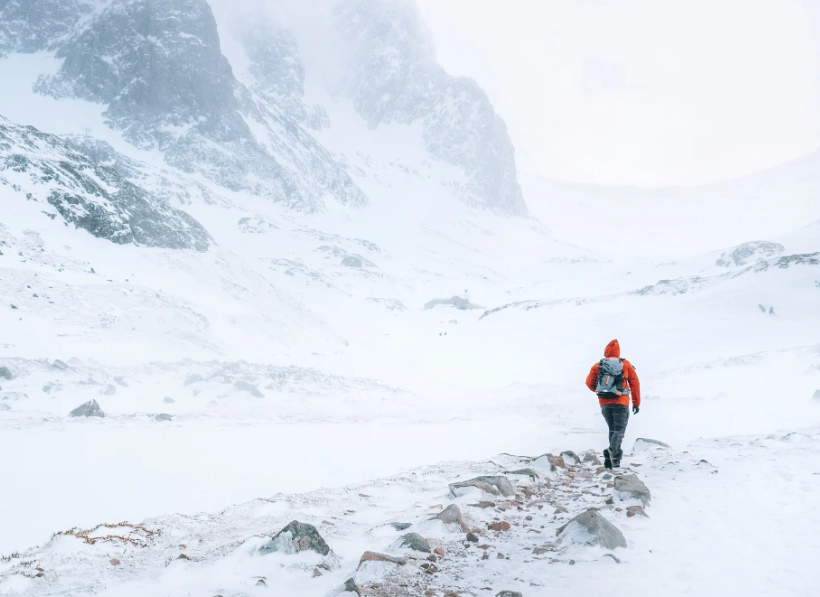
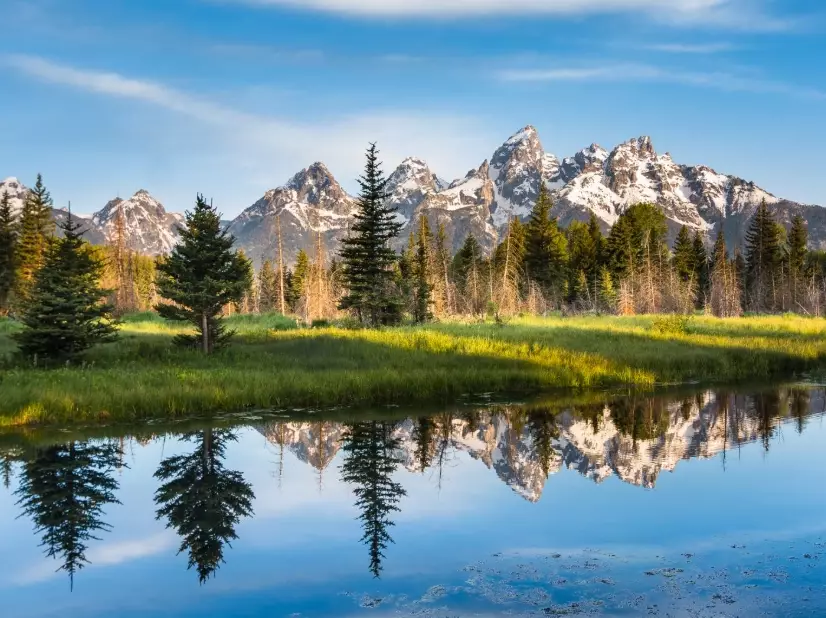
You see the photos. Towering redwoods, smoky blue ridges, alpine meadows dotted with wildflowers. The idea of a national park forest trip sparks something deep. Then you start planning, and the reality hits: crowded trails, booked-out lodges, permit lotteries, and a million conflicting tips online. It feels less like an adventure and more like a logistical puzzle.
I've been there. I've also spent over a decade figuring it out. This guide isn't a list of parks. It's the playbook I wish I had—a clear, actionable path from dreamy inspiration to a real, crowd-smart, soul-filling trip under those ancient trees.
Your Quick Guide to This Article
How to Pick the Right National Park Forest for You
Don't just pick the famous one. That's mistake number one. Your perfect park depends on the experience you want, the time you have, and your travel style. Are you driving across the country for a two-week epic, or flying in for a long weekend? Big difference.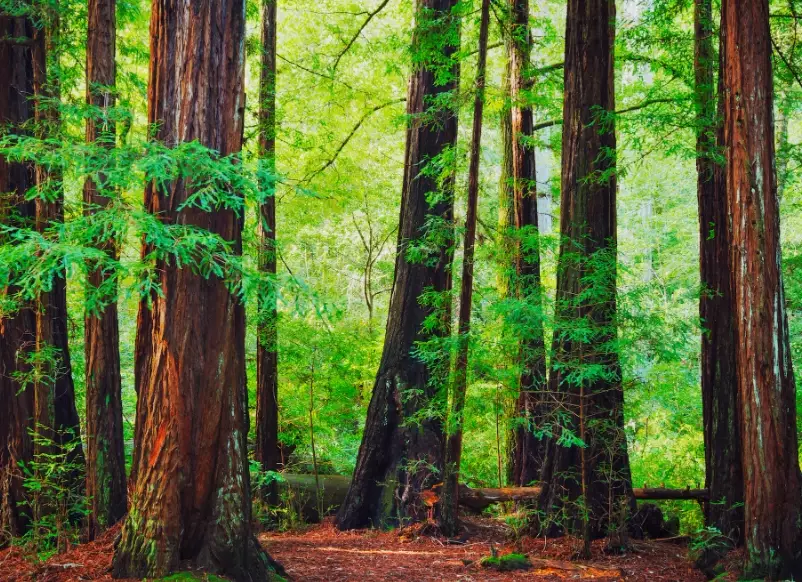
Let's get specific. Here’s a breakdown of a few iconic national park forests, stripped of the marketing fluff.
td>Road-trippers, families, waterfall chasers. Easy access from East Coast cities.| Park & Forest Type | The Vibe & Key Attraction | Best For | When to Go (To Avoid Worst Crowds) |
|---|---|---|---|
| Great Smoky Mountains NP (Southern Appalachian Rainforest) |
Misty, biodiverse, dense. Driving the Newfound Gap Road, spotting black bears, historic cabins. | Late April-May (spring wildflowers), October (fall colors). Avoid July weekends. | |
| Redwood National & State Parks (Coastal Temperate Rainforest) |
Pure awe. Walking among the tallest trees on Earth. Quiet, damp, profoundly peaceful. | A contemplative, slow-paced trip. Photography, easy strolls, coastal combo. | May-June (less fog than peak summer), September-October. It's rarely "crowded" but lodging books fast. |
| Rocky Mountain NP (Subalpine & Alpine Forests) |
High altitude, panoramic views above treeline. Trail Ridge Road is a must-drive. | Hikers seeking dramatic vistas, wildlife (elk, moose), wildflower meadows. | July for wildflowers, September for elk rut and fewer people. Timed entry permit REQUIRED in summer. |
| Olympic National Park (Multiple: Temperate Rainforest, Montane) |
Incredible diversity. Hike in a rainforest, then drive to alpine peaks or a wild beach. | Travelers who want multiple ecosystems in one trip. Backpackers, nature purists. | July-September for reliable weather across all zones. Spring is wet but lush. |
My non-consensus take? Don't sleep on the less-hyped parks. North Cascades National Park in Washington has alpine scenery that rivals Glacier or Banff with a fraction of the visitors. Congaree National Park in South Carolina offers a totally unique experience with its floodplain forest and boardwalk hikes—perfect for a winter escape when northern parks are snowed in.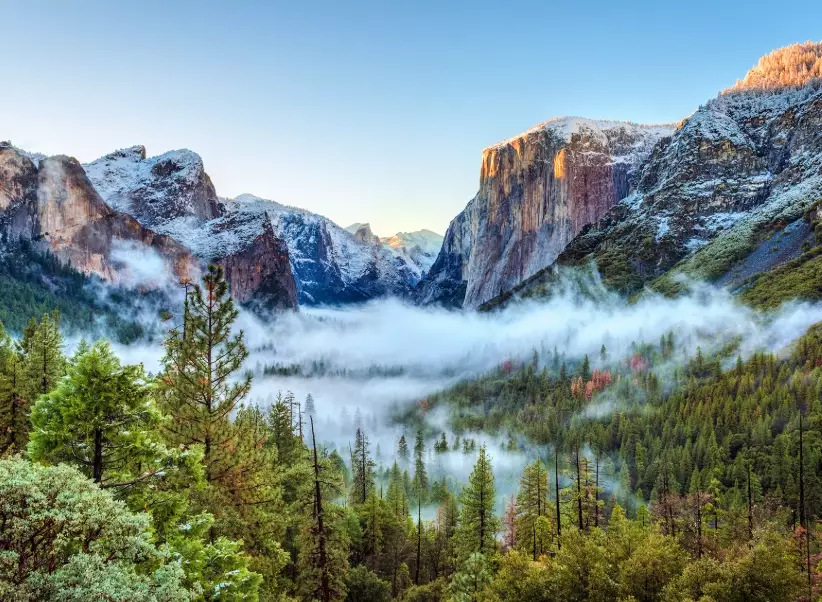
The National Park Service website is your single most important tool. Not just for maps, but for real-time alerts on road closures, construction, and fire restrictions.
Building Your Itinerary: A Realistic Framework
Here’s where trips fall apart. People try to do too much. In a forest park, travel is slow. Roads are winding. Trailheads fill up. You need buffer time.
For a Weekend Trip (2-3 days)
Pick one area of the park. Seriously, just one. If you're going to Yosemite, focus on either Yosemite Valley or the Tuolumne Meadows high country. Don't try to do both in two days—you'll spend all your time in the car.
Day 1: Arrive, settle in, do one major activity (a classic half-day hike).
Day 2: Your big day. One epic hike or a series of shorter explorations in your chosen zone.
Day 3: A relaxed morning activity, then depart.
Lodging inside the park is king for this timeline. If it's booked, look for gateway towns closest to your chosen park entrance. That 90-minute drive from a faraway town adds up fast.
For a Week-Long Trip (5-7 days)
Now you can explore. A good rhythm is: 2 nights in one area, move lodging, 2 nights in another. This lets you dive deeper.
A classic Yellowstone forest itinerary, for example:
Days 1-2: Stay near Canyon or Lake Village. Explore the Grand Canyon of the Yellowstone, Hayden Valley for wildlife.
Days 3-5: Move to the Old Faithful or West Yellowstone area. Geyser basins, hiking in the Madison River corridor, maybe a venture up to Mammoth.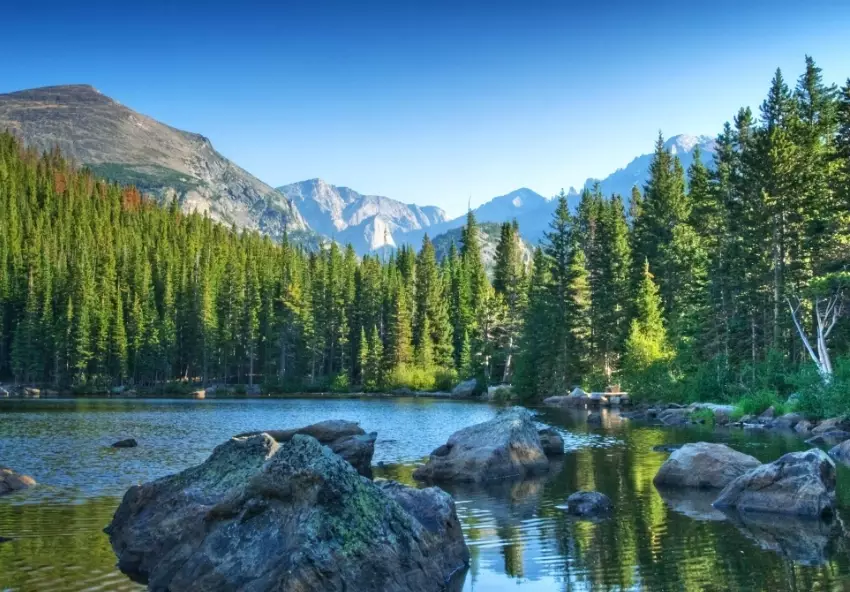
Mastering the Trails: From Easy Walks to Backpacking
Hiking is the heart of the forest experience. But not all trails are created equal.
For Families & First-Timers: Stick to the paved or well-groomed nature trails near visitor centers. They're informative, safe, and still incredibly rewarding. Think the Trail of the Cedars in Glacier or the Big Trees Trail in Sequoia. Go early to have them to yourself.
For the Classic Day Hiker: You want a 4-8 mile loop with a payoff. My advice? Use the park newspaper or official app to find the trail description and look at the elevation profile. A 5-mile hike with 1500 feet of gain is a serious workout. Here are a few iconic ones:
- The Narrows Riverside Walk (Zion): Easy, paved, leads into the stunning canyon. Gets packed—go for the first shuttle.
- John Muir Trail to Vernal & Nevada Falls (Yosemite): A longer, steeper, less crowded alternative to the Mist Trail with insane views.
- Grinnell Glacier Trail (Glacier): A full-day commitment with alpine lakes, wildlife, and a shrinking glacier at the end. Check for grizzly activity updates.
For Backpackers: This is a whole different game. Permits are the main hurdle. Most parks use an online reservation system released months in advance, often with a lottery for popular trails (like the Enchantments in Washington or Half Dome cables in Yosemite). Some, like Grand Teton, hold a portion for walk-ups, but you need to be in line at the ranger station at 4 am. Your planning starts on the park's wilderness permit page—read it like a legal document.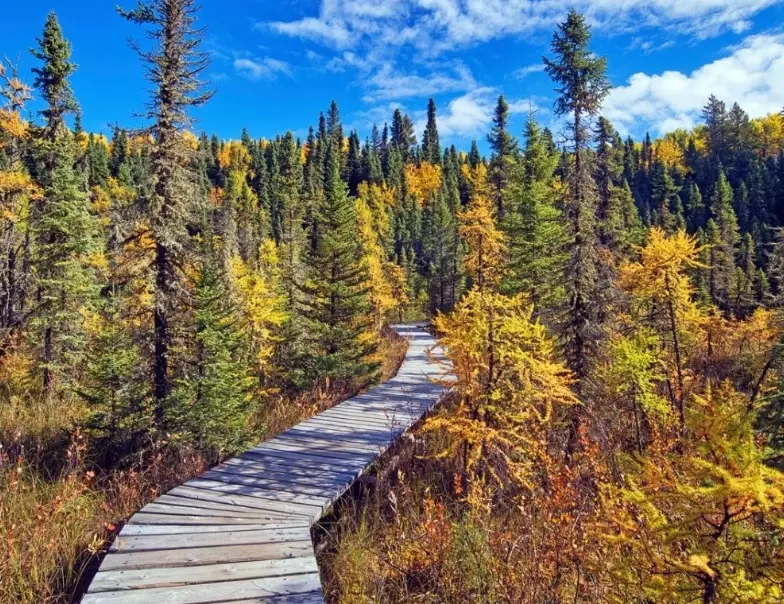
The Pro Tips No One Talks About
This is the stuff from a decade of mistakes and wins.
Crowd Avoidance is a Strategy: I mentioned timing. Let me be more specific. In Great Smoky Mountains, everyone floods Cades Cove and Clingmans Dome. For a quieter, equally beautiful experience, head to the Greenbrier or Cataloochee areas. In Rocky Mountain, if Bear Lake Corridor is full (it will be), enter from the Wild Basin entrance for fantastic, less-trafficked hikes.
Pack Like You're Self-Sufficient: Service is zero in most forested areas. Download offline maps (Google Maps, AllTrails Pro, or the official NPS app). Carry a physical map as backup. Pack more water and food than you think. I always throw a lightweight rain jacket and a warm layer (even in summer) at the top of my pack—mountain weather shifts in minutes.
The "Second-Day" Phenomenon: Your first hike in a high-elevation park will feel harder than it should. That's altitude. Plan an easier first day to acclimate. Drink tons of water.
Leave No Trace, Seriously: In forests, this especially means staying on trails. Cutting switchbacks erodes hillsides for decades. Don't stack rocks. Pack out all trash, including biodegradable stuff like apple cores. They introduce non-native seeds and alter animal behavior. Watch a bear from a safe distance—never, ever feed them. A fed bear is a dead bear.
Embrace the Shoulder Seasons: May and September are magic. Fewer people, milder temps, active wildlife. Some facilities may be closed, but the trade-off for solitude is worth it. Always check park websites for seasonal road closures (like Tioga Pass in Yosemite or Going-to-the-Sun Road in Glacier).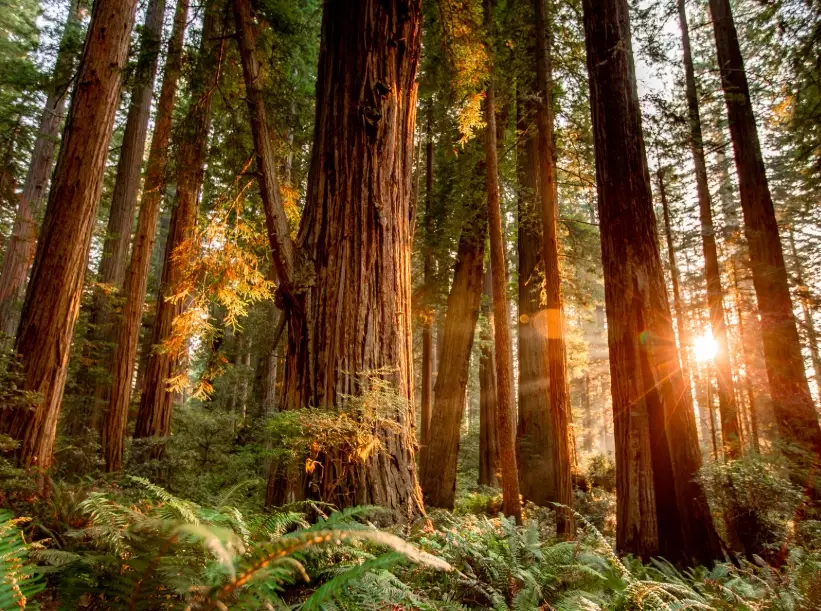
How do I avoid crowds in popular national park forests like Great Smoky Mountains or Yosemite?
The golden rule is to think opposite. Most visitors cluster at the main trailheads between 10 am and 3 pm. For solitude, hike trails that start from less famous entrances or secondary visitor centers. In Yosemite, instead of the packed Mist Trail to Vernal Fall, consider the equally stunning but quieter John Muir Trail up to Nevada Fall. Always aim to be on the trail by 8 am. The light is better for photos, wildlife is more active, and you'll have the place to yourself for a few precious hours. Evening hikes (starting 2-3 hours before sunset) are another secret weapon most day-trippers miss.
When is the best time to book lodging and permits for a national park forest trip?
For popular parks, you need to think in seasons, not weeks. Lodging inside parks (like the iconic lodges in Yellowstone or Grand Canyon) often opens reservations exactly one year in advance, and prime dates sell out within minutes. Mark your calendar. For backcountry permits, which are required for overnight camping in most park forests, release dates vary. Some (like Rocky Mountain) are available 6 months ahead, while others (like Grand Teton's popular zones) use a lottery system months prior. Your first stop should always be the specific park's official .gov website for their exact calendar. Don't rely on third-party sites for this critical info.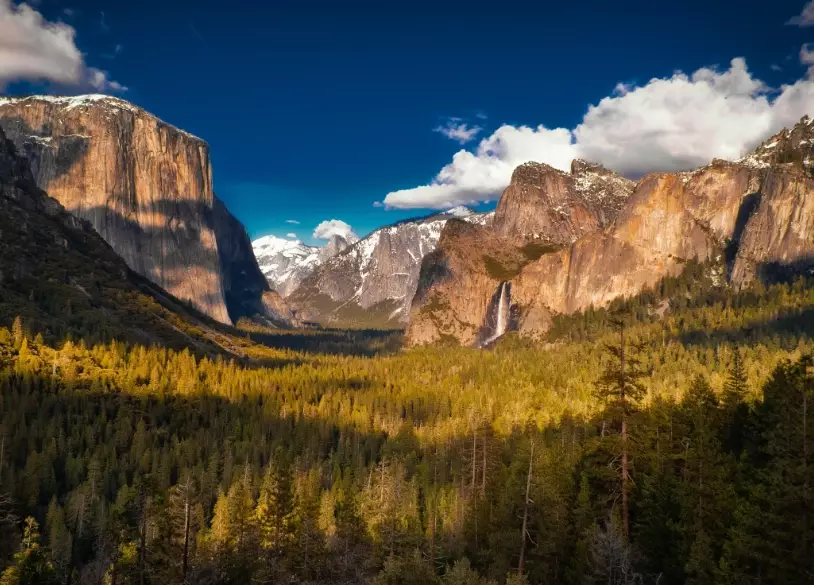
What's the one piece of gear most people forget for forest hiking?
It's not fancy gear; it's a simple, dedicated pair of hiking socks. Cotton socks are a blister factory. A good pair of merino wool or synthetic hiking socks wicks moisture, reduces friction, and provides cushioning. I've seen more trips ruined by painful blisters on the first day than by any weather event. Pair them with well-broken-in boots or trail runners. Test your footwear on several local walks before your big trip. Another often-forgotten item: a physical map and compass, even if you use GPS. Batteries die, signals fade deep in canyons or under dense canopy.