Your Climbing Certification Roadmap
- Why Bother with a Climbing Certification Anyway?
- The Landscape: Major Players in Climbing Certifications
- Breaking Down the Certification Types: From Hobbyist to Pro
- A Closer Look at the Single Pitch Instructor (SPI) Certification
- How to Choose the Right Certification for You
- The Real Cost (It's More Than Money)
- What the Process Actually Feels Like: A Personal Slice
- Beyond the Rock: Essential Companion Certifications
- Common Questions (The Stuff You Actually Google)
- Final Thoughts: Is It Worth It?
So you're thinking about getting a certification for climbing. Maybe a friend mentioned it, or you saw it listed as a requirement for a guided trip you're eyeing. Or perhaps you're just tired of feeling like you're winging it every time you tie a figure-eight follow-through.
Let's be real. The world of climbing certs can feel like its own vertical maze. Single Pitch Instructor? AMGA? PCGI? Level 1? It's enough acronyms to make your head spin. And everyone online seems to have a strong opinion about which one is "worth it" and which one is a waste of money.
I've been there. I remember scrolling through forum posts at 2 a.m., trying to decode the difference between a "skills course" and an actual "certification." I've also paid for courses that were fantastic, and one or two that left me wondering what I'd actually learned.
This guide is here to cut through the noise. We're not just listing certifications; we're unpacking them. Who are they for? What do they actually teach you? And most importantly, will getting certified make you a safer, more competent climber? Let's find out.
Why Bother with a Climbing Certification Anyway?
Before we dive into the specific types, let's tackle the big question. In a sport built on self-reliance and personal responsibility, why formalize it with a piece of paper?
It's a fair point. A certification for climbing doesn't magically grant you good judgment or mountain sense. Some of the most knowledgeable climbers I know have never taken a formal course. But here's the thing: the process of getting certified forces a structured, systematic review of skills and knowledge. It's like getting a full physical from a doctor instead of just assuming you're healthy because you feel okay.
The Core Value: At its best, a climbing certification does two things. First, it validates a specific set of skills against an industry-standard checklist. Second, and more importantly, it instills a mindset of redundancy and protocol. You learn not just how to do something, but the specific, safest way to do it every single time, so it becomes muscle memory when you're tired, cold, or scared.
Think of it in terms of audiences. For the recreational climber, a certification is primarily about personal safety and confidence. It's for your own peace of mind. For the aspiring professional, it's a non-negotiable credential. Gyms, guide services, and outdoor programs use these certifications as proof of competency and, crucially, for insurance and liability purposes. No legit outfit will let you lead a group without the proper paperwork.
And then there's the community aspect. Going through a certification course connects you with a network of like-minded people and instructors who can become invaluable mentors. That alone can be worth the price of admission.
The Landscape: Major Players in Climbing Certifications
This isn't a wild west scenario (mostly). A few key organizations have set the standards. Knowing who they are and what they represent is half the battle.
The American Mountain Guides Association (AMGA) is often seen as the gold standard, especially for professional guiding. Their pathway is long, rigorous, and expensive. It's the medical school of climbing certifications. They offer tracks for Rock, Alpine, and Ski Mountaineering Guides. You'll see their pin on the hats of guides at major outfitters.
The Professional Climbing Instructors Association (PCIA) is another heavy-hitter, with a strong focus on instruction and teaching methodology. Their certifications are widely respected in the gym-to-crag and educational spheres. They have a very clear, progressive structure from Single Pitch to Top Rope Site Manager to Rock Instructor.
Outside the US: If you're looking internationally, bodies like the Union of International Mountain Leader Associations (UIMLA) for hiking and the International Federation of Mountain Guides Associations (IFMGA)—of which the AMGA is a member—are the global benchmarks. The IFMGA badge is the pinnacle, representing mastery in rock, alpine, and ski disciplines.
When I was researching, I found the AMGA website a bit intimidating—it's very professional, which makes sense, but can feel exclusive. The PCIA materials felt more accessible for someone just starting to think about teaching. Both, however, have incredibly detailed course outlines that tell you exactly what you're in for.
It's also worth mentioning local climbing organizations and gym chains. They often offer their own "certifications" for belayers or lead climbers. These are usually site-specific qualifications, not portable industry credentials. Great for getting clearance to climb at your local gym, but don't expect it to hold weight at a different facility or for getting a job.
Breaking Down the Certification Types: From Hobbyist to Pro
Let's map this out. Climbing certifications generally fall into three tiers, each with different goals, time commitments, and costs. This table should give you a quick, visual overview.
| Tier & Audience | Common Certification Names / Paths | Primary Focus & Outcome | Typical Time/Cost Estimate |
|---|---|---|---|
| Tier 1: Recreational & Personal Skills (You want to be safer for yourself & friends) |
• AMGA Single Pitch Instructor (SPI) Assessment Prep Courses • PCIA Single Pitch Instructor Course • "Advanced Rock" or "Anchor Building" Skills Courses (often not a formal cert) • Wilderness First Aid (WFA) / Wilderness First Responder (WFR) |
Solidifying core technical skills (belaying, anchor building, rappelling). Learning to manage a single-pitch climbing site for a small group. Not a professional guiding credential on its own. | 2-4 days $300 - $700 |
| Tier 2: Instructional & Foundational Pro (You want to teach or work at a gym/summer camp) |
• AMGA Single Pitch Instructor (SPI) Certification • PCIA Single Pitch Instructor Certification • PCIA Top Rope Site Manager • CWA Climbing Wall Instructor (CWI) • American Alpine Club resources for instructors |
Official certification to instruct and manage groups in single-pitch terrain or indoor walls. This is the entry-level professional ticket. Requires assessment. | SPI: 3-day course + 1-day assessment $800 - $1,200+ CWI: 1-day course+assessment $200 - $400 |
| Tier 3: Professional Mountain Guide (You want a career guiding multi-pitch, alpine, or expedition climbs) |
• AMGA Rock Guide Course & Certification • AMGA Alpine Guide Course & Certification • IFMGA Guide Certification (via AMGA) • UIAA safety standards are often referenced in training |
Comprehensive training for guiding clients on multi-pitch climbs, in alpine environments, or on expeditions. A long-term commitment involving multiple courses, exams, and significant climbing experience prerequisites. | Multi-year process. Rock Guide track: Several courses & exams totaling $8,000 - $15,000+ |
See how it builds? Most people start eyeing Tier 1 courses, realize they love the structured learning, and then consider if Tier 2 is for them. Tier 3 is a life choice.
A Closer Look at the Single Pitch Instructor (SPI) Certification
This is arguably the most sought-after and discussed certification for climbing at the entry-pro level. Both the AMGA and PCIA offer their version. It's so common it deserves its own spotlight.
What does an SPI actually qualify you to do? The official answer is to "instruct and manage clients on single-pitch rock terrain." In plain English: you can teach people to climb, belay, and rappel on crags where the climb doesn't require you to stop and build an anchor mid-route. Think of your local sport crag or top-ropping area.
The course dives deep into things you might think you know:
- Belaying: Not just how, but different methods, error detection, and managing novice belayers.
- Anchors: Building bomber, redundant, equalized anchors from a variety of gear. The assessment will test your speed and efficiency under pressure.
- Rappelling: Setting up safe rappels, including contingency plans for getting ropes stuck.
- Rescues: Basic problem-solving, like what to do if a climber is unconscious on rope.
- Teaching: This is huge. You learn how to teach climbing skills effectively and safely to beginners.
Common Misconception: An SPI certification does NOT automatically make you a "Rock Guide" qualified for multi-pitch adventures. The scope is strictly single-pitch. I've seen people overestimate this, and it's a dangerous gap in understanding.
The process usually involves a multi-day course followed by a separate assessment day (or integrated assessment). The failure rate on the assessment isn't trivial—they take the standard seriously. You need to demonstrate not just skill, but consistent judgment and adherence to protocol.
How to Choose the Right Certification for You
Okay, so with all these options, how do you pick? Don't just go for the cheapest or the one next weekend. Ask yourself these questions:
What's my end goal?
Is it pure personal knowledge? Get a solid skills course (Tier 1). Do you want to work at a summer camp or gym next season? You likely need a CWI or SPI (Tier 2). Dream of guiding in Yosemite or the Alps? Start researching the AMGA Rock Guide track (Tier 3).
Who recognizes it where I want to work or climb?
Call the gym or guide service you admire and ask! "What certification do you require for your lead instructors?" They'll tell you straight up. In the US, the AMGA SPI and PCIA SPI are widely accepted. Some organizations may have a preference.
What's the instructor-to-student ratio and the instructor's background?
This is critical. A course with a 1:4 ratio is a completely different experience from a 1:8 ratio. And who is teaching? An AMGA Certified Rock Guide with 20 years of experience? Or a newly minted instructor? Both can be great, but the depth of answer you'll get will differ. Don't be shy to ask the provider for the lead instructor's bio.
The Real Cost (It's More Than Money)
We listed rough prices, but the real investment is in time and mental energy.
Beyond the course fee, factor in:
- Gear: You'll need a full personal rack (harness, helmet, shoes, belay device, PAS, cordelettes, slings, carabiners, maybe a set of cams/nuts). Renting is sometimes an option, but not ideal.
- Travel & Lodging: Courses are often in prime climbing areas, not necessarily near you.
- Prerequisite Experience: For an SPI, you typically need to be a competent leader on outdoor rock (5.6-5.8 trad or 5.10a sport, depending on the provider) with 15-40+ leads under your belt. This takes years to build for some people.
- Study Time: There's a manual. You need to know it.
I took an SPI prep course before I was truly ready in terms of lead experience. I could follow the drills, but I was mentally overwhelmed because I lacked the foundational mileage. It felt like learning calculus before being solid in algebra. My advice? Honestly assess the prereqs. If you're borderline, spend another season climbing outside first.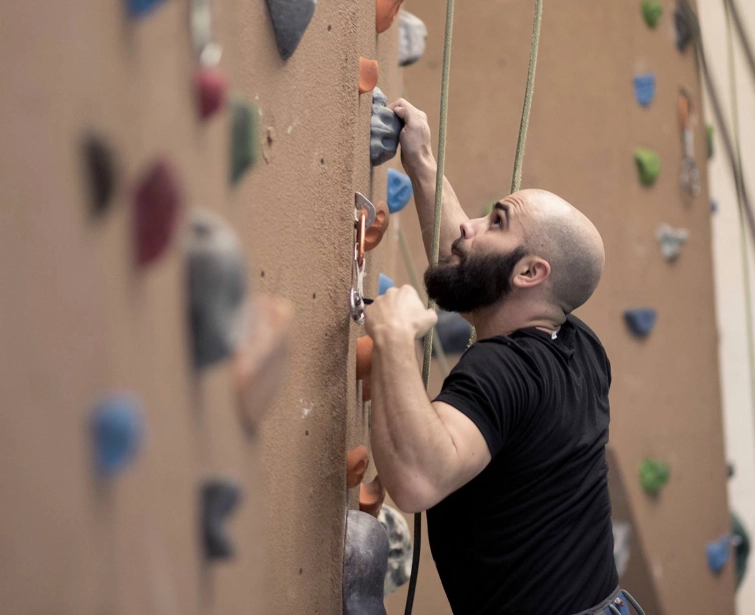
What the Process Actually Feels Like: A Personal Slice
Let me demystify the "assessment day" vibe for something like an SPI, since that causes the most anxiety.
Picture this: You're at the crag at 7 a.m. It's chilly. The assessor, a stoic guide with eyes that miss nothing, groups you with another candidate. "Okay," they say. "You have a novice climber here who needs to rappel off this anchor. The climber is nervous. You will manage the site, perform all safety checks, and get them down. You have 10 minutes to build your anchor. Go."
Your mind goes blank for a second. Then training kicks in. You and your partner quickly debate anchor points—two solid trees? That bolt and the tree? You choose, build, equalize, back it up with a girth-hitched sling because redundancy is king. You check each other's knots, carabiner gates, helmet buckles. You verbalize every step to your "client." The assessor watches, scribbling notes, never smiling.
It's stressful. But it's also incredibly focused. You're not thinking about work or your inbox. You're 100% in the moment, applying a system. And when you do it right, and the assessor gives a slight nod, the feeling of competence is profound. It's not about a grade you can climb; it's about a system you can execute flawlessly when it matters.
Beyond the Rock: Essential Companion Certifications
No discussion of certification for climbing is complete without mentioning first aid. If you're taking people out, it's not optional.
Wilderness First Responder (WFR) is the industry standard for outdoor professionals. It's a 9-10 day intensive course that teaches you how to handle medical emergencies when you're hours or days from a hospital. Broken ankles, hypothermia, anaphylaxis—you learn to assess, treat, and plan evacuations. It's rigorous, often involving realistic scenarios with fake blood and actors moaning in the woods.
Wilderness First Aid (WFA) is a shorter, 2-day version. Great for recreational leaders or as a start.
Most professional guiding certifications require a current WFR. It's the other half of the responsibility coin: you can keep people safe from falling, but you also need to know what to do if they get hurt on the hike in.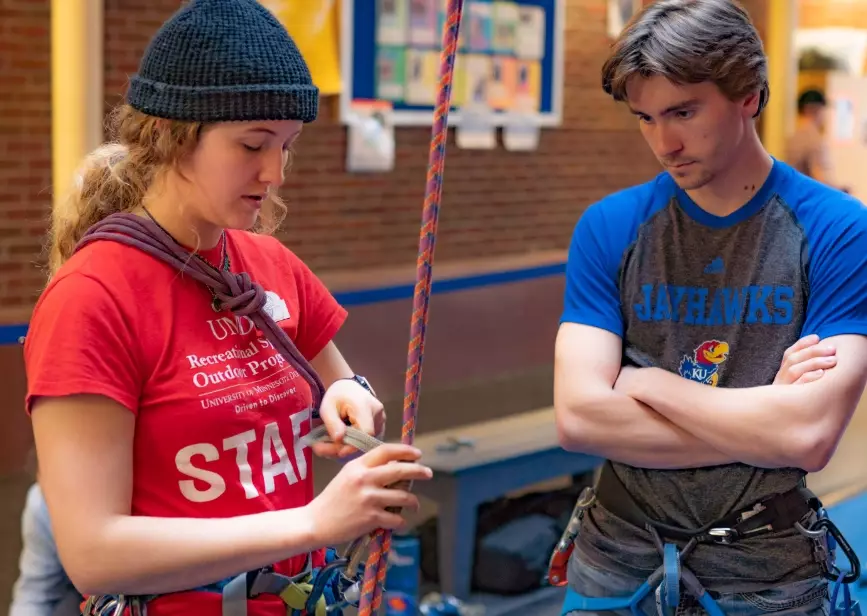
Common Questions (The Stuff You Actually Google)
Final Thoughts: Is It Worth It?
Here's my take, for what it's worth.
If you view a certification for climbing as a magic ticket to expertise, you'll be disappointed. It's a checkpoint, not a finish line. The real learning happens in the years of applying those systems, making judgment calls, and accumulating experience the certification can't give you.
But if you view it as a structured, high-quality forcing function to clean up your skills, fill in knowledge gaps, and commit to a higher standard of practice—then yes, it can be incredibly worth it. The clarity and confidence it gave me, even just as a recreational climber who sometimes takes out new friends, was significant.
It also made me acutely aware of how much I didn't know, which is a valuable place to be. It shifted my focus from just sending harder grades to being a more responsible steward of the crag and the people I climb with.
Do your homework. Pick the path that matches your genuine goals, not the one that sounds most impressive. Be humble, be prepared to be a student again, and invest in good instruction. The rock isn't going anywhere, and being a safer, more knowledgeable climber is a journey that never really ends. A solid certification can be one of the best steps you take on that path.
Now, go check those knot databases at the Animated Knots by Grog site one more time. You know you want to.