Quick Guide to This Article
So you're thinking about visiting the national parks in Hawaii? Good choice. Honestly, it's one of the best decisions you can make for a trip that's equal parts awe-inspiring and genuinely unique. Forget just beaches and luaus for a second. We're talking about standing on the edge of a live volcano, watching new land form, or seeing a sunrise from above the clouds that feels like you're on another planet.
But here's the thing a lot of people don't realize right away. When we talk about national parks in Hawaii, we're really talking about two main, massive, unforgettable places. There's Hawaiʻi Volcanoes National Park on the Big Island and Haleakalā National Park on Maui. They're run by the National Park Service, and they're the stars of the show. Then you've got a handful of other National Historic Sites and Memorials (like Pearl Harbor) that are important but a different kind of experience.
This guide is for anyone who's past the "should I go?" stage and is now deep in the "okay, how do I do this right?" planning. I've been to both parks multiple times, made my share of mistakes (like showing up to Haleakalā for sunrise without a reservation... more on that disaster later), and learned what makes each one special. I'll break down what you absolutely need to know, what you can skip, and how to have an amazing time without the stress.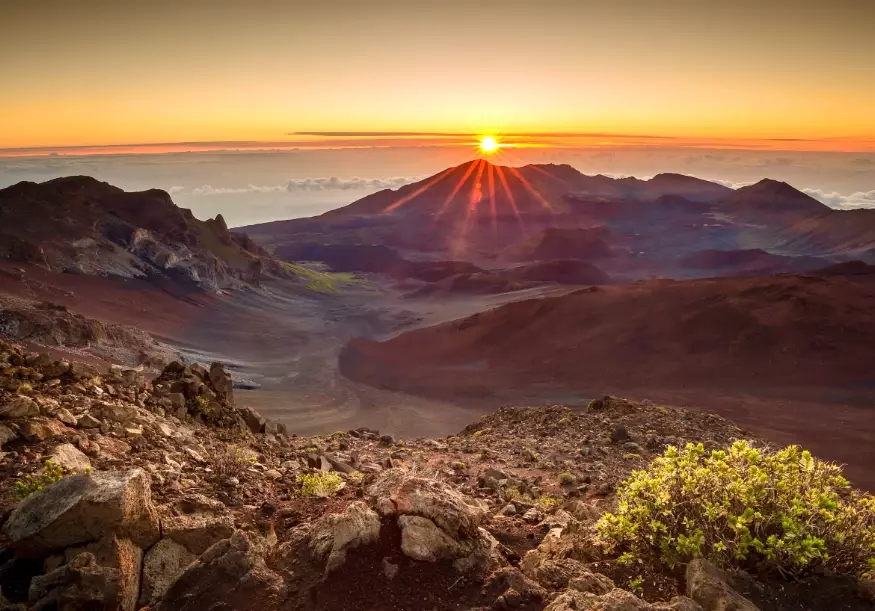
The Two Crown Jewels: Hawaii's Major National Parks
Let's get straight to the point. Hawaii has two official U.S. National Parks. They are wildly different from each other and from any park you'll find on the mainland. One is all about raw, earth-creating power. The other is about silence, space, and colors you didn't think existed in nature.
Hawaiʻi Volcanoes National Park (Big Island)
This place is the reason a lot of people fly to the Big Island. It's a UNESCO World Heritage Site and an International Biosphere Reserve, which is just a fancy way of saying it's globally important. The park is home to Kīlauea, one of the world's most active volcanoes, and Mauna Loa, the planet's most massive shield volcano.
What does that mean for you? It means you can see the results of volcanic activity everywhere. I'm talking steamy vents, vast craters, ancient lava flows that look like a black rock ocean, and even walk through a massive lava tube (the Thurston Lava Tube, or Nāhuku). If you're lucky and the volcano is actively erupting in a safe, accessible area (volcanoes are unpredictable, so check the official NPS website before you go), you might witness the incredible sight of lava.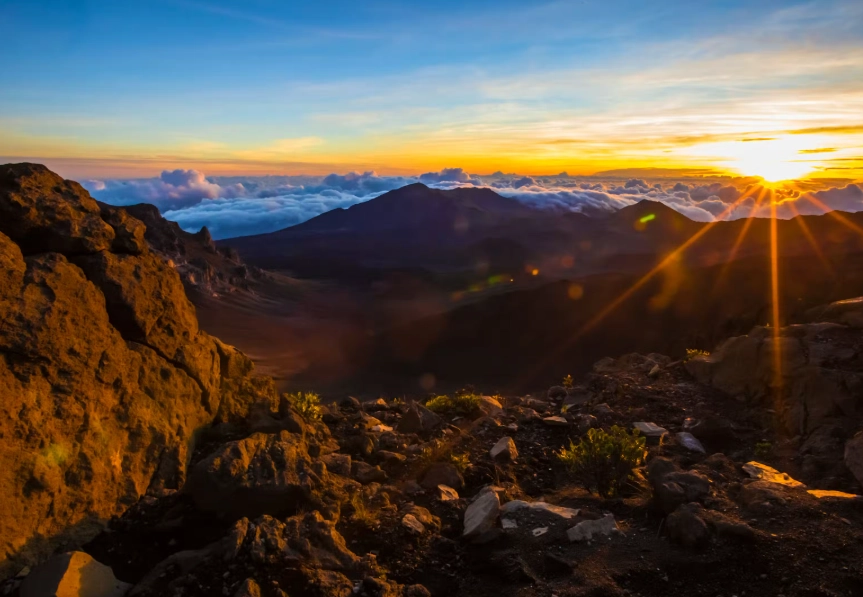
The park is huge. You can spend days here. The main road, Crater Rim Drive, takes you to many of the big viewpoints. But the real magic happens on the hikes.
- Must-Do Hike: Kīlauea Iki Trail. This was my favorite. You start in a lush rainforest and then descend 400 feet into a crater that was a boiling lava lake just decades ago. Walking across the still-steaming crater floor feels like exploring another world. It's a moderate 4-mile loop.
- For the Views: Devastation Trail. Easy, paved, and wheelchair accessible. It takes you through a landscape that was, well, devastated by the 1959 eruption. You get great views of cinder cones and the vast Kaʻū Desert.
- The Long Haul: Mauna Loa. This is for serious, prepared backpackers only. We're talking high altitude, freezing temperatures, and a trail that goes to the summit at 13,679 feet. Not a casual stroll.
Haleakalā National Park (Maui)
Haleakalā means "House of the Sun" in Hawaiian, and once you see the sunrise from the summit, you'll understand why. This park is split into two distinct sections: the Summit District and the Kīpahulu District (coastal area). They're not connected by road, so visiting both requires planning.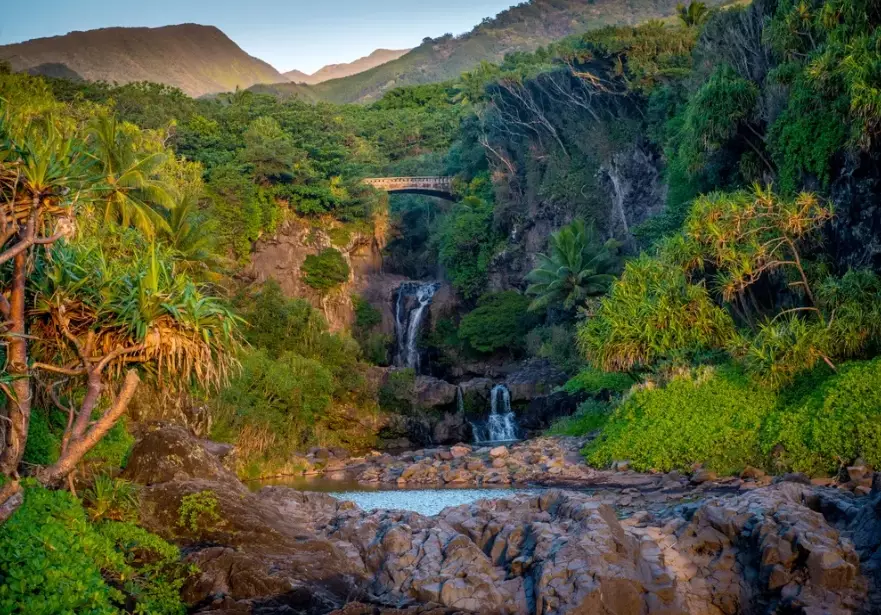
The Summit is the big draw. Driving up the winding road to the 10,023-foot summit is an experience in itself. You pass through multiple climate zones, from tropical to something that feels almost alpine. The landscape at the top is a vast, multicolored volcanic crater (a "depression," technically) filled with cinder cones. It's often described as a moonscape, but the colors—rust red, dusty orange, charcoal black, ashy grey—are what make it uniquely beautiful.
The sunrise at Haleakalā is legendary, and for good reason. Watching the sun come up from above a sea of clouds is breathtaking. But it's also a massive production.
The other half of the park, the Kīpahulu District, is a world away. It's on the remote, lush eastern coast of Maui, past Hana. Here you'll find the famous Pools of Oheʻo (often mistakenly called the "Seven Sacred Pools"), a series of beautiful cascading waterfalls and pools. The Pipiwai Trail here is one of the best hikes in Hawaii, leading you through a magical bamboo forest to the massive 400-foot Waimoku Falls.
Here’s a quick comparison to help you decide where to focus your energy:
| Feature | Hawaiʻi Volcanoes National Park | Haleakalā National Park (Summit) |
|---|---|---|
| Main Attraction | Active volcanoes, lava flows, volcanic landscapes | Summit sunrise/sunset, vast crater, unique silversword plants |
| Best For | Geology lovers, adventure hikers, seeing earth's power | Photographers, stargazers, seeking serene & surreal views |
| Top Activity | Hiking Kīlauea Iki, seeing Crater Rim Drive, lava viewing (if active) | Watching sunrise/sunset, hiking Sliding Sands Trail partway |
| Weather Quirk | Can be rainy, cool, and windy at summit; coastal areas warm | Extremely cold at sunrise (often below freezing), intense sun later |
| Biggest Planning Need | Checking volcanic activity, packing for all weather | Sunrise reservation (if doing sunrise), bringing winter clothes |
See? Very different vibes.
Beyond the Big Two: Other National Park Service Sites in Hawaii
While the two national parks get all the headlines, the National Park Service also manages several other important sites. These aren't "parks" in the hiking-and-camping sense, but they're crucial to understanding Hawaii's history and culture. Don't lump them all together when you're planning; they serve different purposes.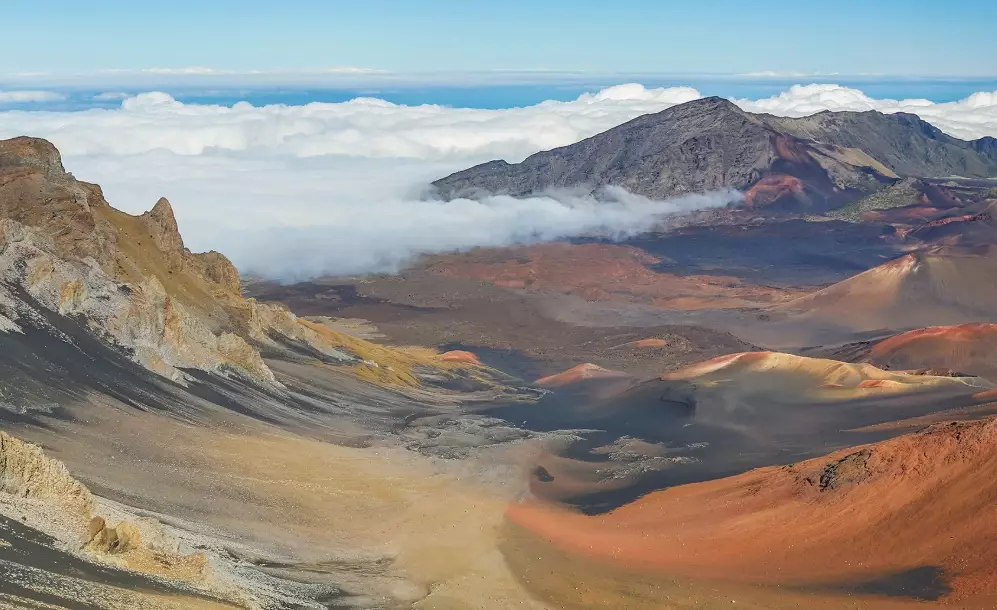
- Pearl Harbor National Memorial (Oʻahu): This is probably the most visited NPS site in Hawaii. It's a solemn, powerful place commemorating the attack on Pearl Harbor. You can visit the USS Arizona Memorial, the USS Missouri, and other museums. It's a full-day historical experience, not a nature outing. Book tickets to the USS Arizona Memorial well in advance online.
- Puʻuhonua o Hōnaunau National Historical Park (Big Island): Also known as the "Place of Refuge." This is a beautifully preserved sacred site where ancient Hawaiians who broke a kapu (law) could seek forgiveness and safety. It's a peaceful, culturally rich spot on the Big Island's coast, great for a few hours of exploring and learning.
- Kalaupapa National Historical Park (Molokaʻi): This is a unique and remote site with a profound history as a former leprosy settlement. Access is restricted and requires a guided tour, often involving a hike or mule ride down the world's tallest sea cliffs. It's a meaningful trip for those seeking deep historical understanding, not a casual add-on.
My two cents? If you're on a tight schedule focused on natural wonders, your time is best spent on the two main national parks in Hawaii. But if you have an extra day on Oʻahu, Pearl Harbor is a must-see. If you're circling the Big Island, Puʻuhonua o Hōnaunau is a worthy and scenic stop.
Your Practical Guide to Visiting Hawaii's National Parks
Alright, let's get down to the nitty-gritty. How do you actually make this trip happen? Here’s the stuff the glossy brochures sometimes gloss over.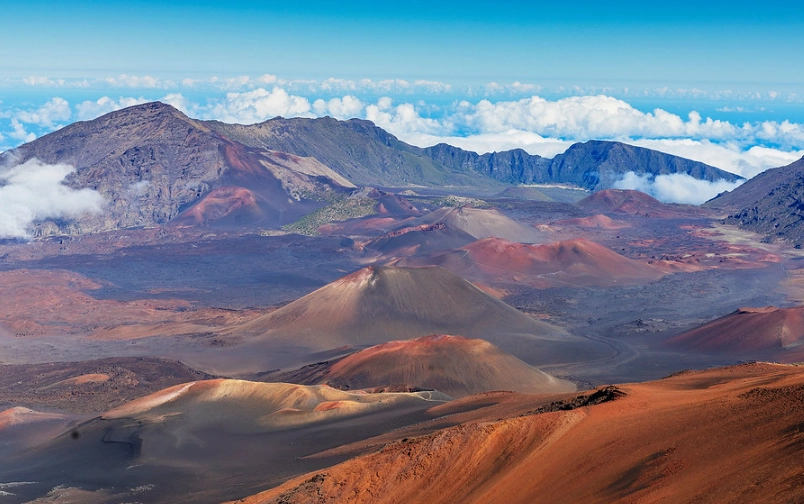
When to Go & How Much Time You Need
Hawaii's weather is great year-round, but there are nuances.
Best Time: The parks are less crowded April-May and September-October. The weather is generally good, and you avoid summer and holiday rushes. Winter (Dec-Feb) can bring more rain to Volcanoes and is peak tourist season everywhere.
Time Needed: This is the biggest question. You can't do these parks justice in a couple of hours.
- Hawaiʻi Volcanoes NP: Minimum one full day. Ideally, two days. Spend one day on the Crater Rim Drive, Thurston Lava Tube, and a major hike like Kīlauea Iki. Use a second day to explore the Chain of Craters Road down to the sea arch, or visit the Kahuku Unit (less crowded part of the park). If you want to see the lava glow at night (when visible), you'll need to stay nearby.
- Haleakalā NP (Summit): Half a day minimum. If doing sunrise, you'll be exhausted by 10 a.m. Go back to your hotel and nap! A better plan for most people is a late afternoon visit for sunset, then some stargazing (the summit is famous for astronomy), and drive down carefully in the dark. For the Kīpahulu District, you need a full day, as it's a long drive (part of the Road to Hana) and the Pipiwai Trail hike takes 2-3 hours round-trip.
Getting There, Staying There, and Costs
Flights & Islands: You cannot island-hop between the parks in a day. They are on different islands. You'll need to fly into:
- Hilo (ITO) or Kona (KOA) airports for Hawaiʻi Volcanoes National Park (Big Island).
- Kahului (OGG) airport for Haleakalā National Park (Maui).
Inter-island flights are frequent but add cost and time.
Where to Stay:
- For Volcanoes, the town of Volcano (just outside the park) is super convenient but has limited options. Hilo is about a 45-minute drive and has more hotels/restaurants. Staying in Kona means a ~2 hour drive each way to the park.
- For Haleakalā sunrise, most people stay in resorts in Kīhei, Wailea, or Lahaina. This means a very early morning drive (1.5-2 hours from most resorts). A few folks stay in the upcountry town of Kula to cut the drive to 45 minutes.
Costs (2024):
- Park Entrance Fee: Both major parks charge $30 per private vehicle, which is valid for 7 days. The America the Beautiful Annual Pass ($80) is a steal if you visit more than 2-3 national parks in a year.
- Haleakalā Sunrise Reservation: $1.00 reservation fee per vehicle, plus the park entrance fee.
- Rental Car: Essential. You cannot rely on tours or rideshares for flexibility. Book early.
- Guided Tours: Available for both parks. They handle driving and provide info, but you lose the freedom to explore at your own pace. Good for first-timers who don't want to drive to Haleakalā in the dark.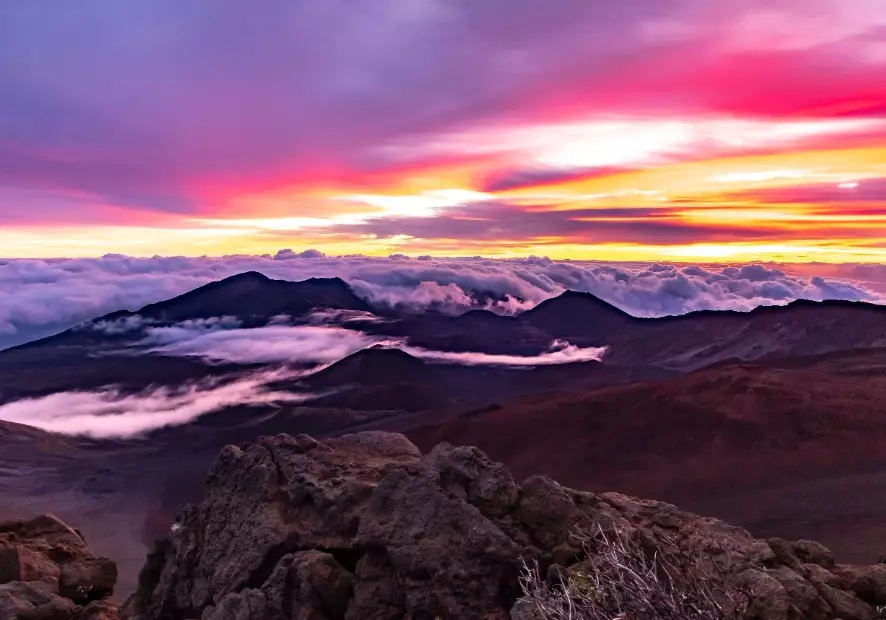
Answering Your Biggest Questions About Hawaii's National Parks
I get asked these questions all the time. Let's clear them up.
- Choose Hawaiʻi Volcanoes if you are fascinated by geology, want to see evidence of an active volcano, and enjoy more varied hiking through rainforest and desert.
- Choose Haleakalā if you want that iconic, spiritual sunrise experience, love photography, and prefer stark, panoramic landscapes. If you can only visit one, think about which island fits the rest of your vacation better.
Final Thoughts & Making It Happen
Visiting the national parks in Hawaii isn't like checking off a museum. It's an immersive experience in some of the most dynamic landscapes on Earth. You're not just looking at pictures; you're smelling the sulfur, feeling the crunch of volcanic rock under your boots, and shivering in the pre-dawn cold above the clouds.
The key to enjoying it is managing expectations and preparing properly.
- Don't rush. Give each park the time it deserves. A rushed visit is a disappointing visit.
- Respect the power of these places. Stay on marked trails. The volcanic rock is sharp, the cliffs are steep, and the weather is fickle. The parks are beautiful but not forgiving.
- Pack like a pro. For both parks: sturdy shoes, layers (including a warm jacket/parka for Haleakalā), rain gear, sun protection (hat, sunscreen, sunglasses), water, and snacks. There are limited services inside the parks.
- Check official resources the week of your trip. Volcanic activity, trail closures, and weather conditions can change. The Hawaiʻi Volcanoes NPS site and the Haleakalā NPS site are your most reliable sources.
I made the mistake of trying to see Haleakalā, Hana, and the beach all in one day on my first Maui trip. It was a disaster of exhaustion and I didn't enjoy any of it. Learn from me. Pick one magnificent thing and do it well.
Whether you stand at the edge of Kīlauea or watch the sun birth a new day from Haleakalā's summit, you'll leave with a sense of scale—of how small we are and how wondrous our planet is.
That's the real souvenir from the national parks in Hawaii. Now go start planning.