Quick Guide
- What Makes Yosemite Valley So... Yosemite?
- The Non-Negotiables: What You Simply Have to See
- Hiking in Yosemite Valley: From Leisurely Strolls to Epic Grinds
- When Should You Actually Go? A Season-by-Season Breakdown
- The Practical Stuff: Permits, Lodging, and Beating the Crowds
- Answering Your Burning Questions (The FAQ Section)
- Leaving No Trace and Being a Good Visitor
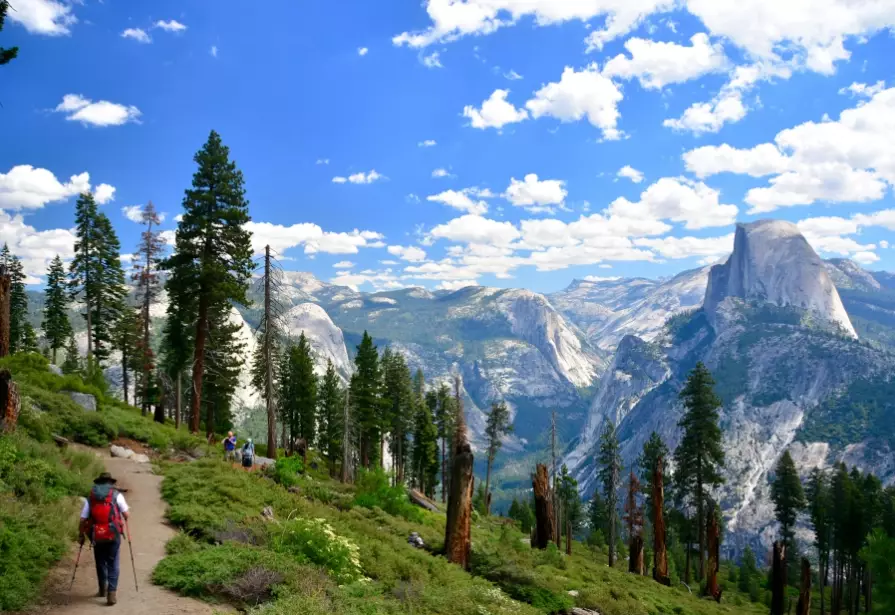
Let's be honest. You've seen the pictures. El Capitan staring you down, Half Dome looking like it was sliced by a giant, Bridalveil Fall misting everything in sight. Yosemite Valley isn't just a place; it's the poster child for American wilderness. It's the kind of place that makes you want to pack your bags immediately. But then you start thinking about the planning, the permits, the crowds... and suddenly it feels a bit overwhelming.
I get it. My first trip there was a mess. I showed up in October thinking it would be quiet, only to find half the trails closed due to early snow. I underestimated the sheer scale of everything. That feeling of being a tiny speck at the base of a three-thousand-foot granite wall? It's humbling and incredible, but you need to be prepared for it.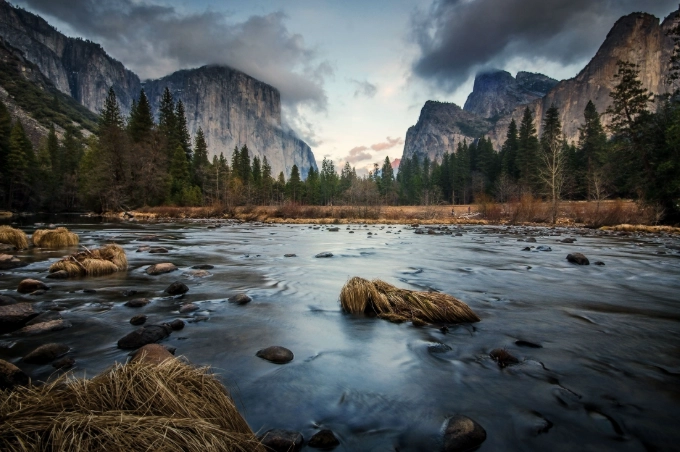
This guide is what I wish I'd had. We're going to cut through the noise and get straight to what you need to know to actually enjoy Yosemite Valley, not just survive it. We'll talk about the iconic spots you can't miss, the secret corners most people drive right by, and the real, practical stuff that makes or breaks a trip. Forget the glossy brochures. Let's talk about where to find a quiet moment, how to snag a last-minute camping spot, and which hikes are worth the sweat.
What Makes Yosemite Valley So... Yosemite?
Before we dive into the nitty-gritty, it helps to understand the lay of the land. Yosemite Valley is the heart of Yosemite National Park. It's a glacial valley, about 7.5 miles long and carved by ice over millions of years. What you see today—the sheer cliffs, the waterfalls, the flat valley floor—is a geologic masterpiece. The National Park Service has a fantastic, detailed page on Yosemite's geology if you're into the science behind the scenery.
But here's the thing most first-timers don't realize: the Valley is small relative to the park's total size, but it contains a massive concentration of the famous sights. This is why everyone goes there, and consequently, why it gets crowded. The key to a great visit is understanding this dynamic and planning around it.
The Non-Negotiables: What You Simply Have to See
Okay, let's talk sights. You can't come to Yosemite Valley and skip these. But I'll tell you how to see them smartly.
Tunnel View
Yes, it's crowded. Yes, you must stop. This is the money shot, the view Ansel Adams made famous. The best light is usually in the afternoon when the sun lights up El Capitan and Half Dome. Go early in the morning if you want fewer people in your photo. It's just a pull-off, so you can be in and out in 15 minutes if you're pressed for time.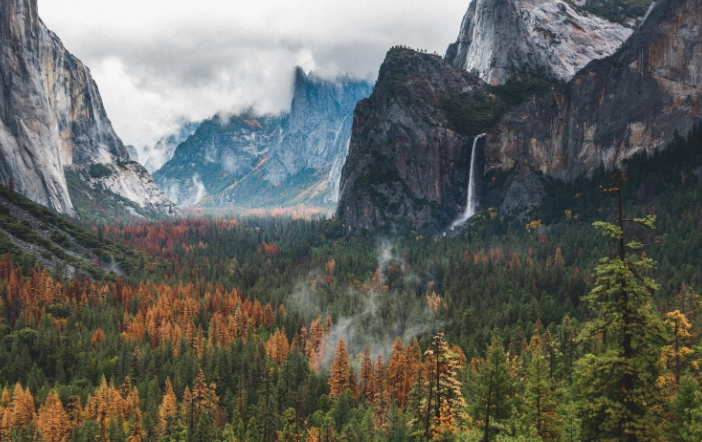
Yosemite Falls
Tallest waterfall in North America. It's a beast in spring and early summer, often reducing to a trickle or going completely dry by late summer. You can see the lower falls from an easy, paved trail near the Yosemite Lodge. For a more involved experience, the hike to the top is a strenuous, full-day affair with incredible payoffs. Check the park's current conditions page to see if the falls are flowing before you commit to a big hike.
El Capitan
You'll stare at it from everywhere. But to really appreciate it, spend some time at El Capitan Meadow in the evening. Bring binoculars. You'll likely see tiny specks on the wall—those are climbers. It's mind-boggling to watch. The meadow itself is a great, flat place for a picnic.
Hiking in Yosemite Valley: From Leisurely Strolls to Epic Grinds
This is what you're here for, right? The trails. Yosemite Valley has something for every level, but you need to pick the right one for your fitness, time, and ambition. Let's break it down.
First, a crucial piece of advice: altitude. The Valley floor sits at about 4,000 feet. If you're coming from sea level, you will get winded faster. Drink more water than you think you need. Seriously.
| Trail Name | Difficulty | Round-Trip Distance | Key Highlights & Notes |
|---|---|---|---|
| Lower Yosemite Fall Trail | Easy | 1 mile | Paved, wheelchair-accessible. Gets you to the base of the lower fall. Very crowded, but a must-do for first-timers. Go at sunrise for a chance at solitude. |
| Mirror Lake Trail | Easy to Moderate | 2-5 miles (loop options) | More of a walk than a hike. The "lake" is often a meadow by late summer, but the views of Half Dome from the water (in spring) are stunningly reflected. A nice, flat family option. |
| Vernal and Nevada Falls via Mist Trail | Strenuous | 3-7 miles (depending on turn-around) | The classic Yosemite hike. You'll get soaked by Vernal Fall's mist in spring (hence the name!). Steep, granite steps. Requires a permit if hiking past a certain point towards Half Dome. Crowded, but for good reason. |
| Upper Yosemite Fall Trail | Very Strenuous | 7.2 miles | A relentless, switchback-filled climb to the top of the falls. The view from the top looking down the Valley is unreal. Not for the faint of heart or unfit. Start VERY early, bring 3+ liters of water. |
| Four Mile Trail to Glacier Point | Strenuous | 9.6 miles (one-way; often shuttled) | Actually 4.8 miles one-way. Steep climb from the Valley floor to Glacier Point (the drive-up viewpoint). The reward is arguably the best view in the park. Many people hike up and take the shuttle bus down (check if this service is running). |
Now, about Half Dome. It's the holy grail for many. But let's be real: it's a massive undertaking. The cable route is only open when the cables are up (typically late May through October, weather permitting). You need a permit to do it, obtained via a lottery months in advance or a daily lottery. It's a 14-16 mile, 12+ hour day with over 4,800 feet of elevation gain. The final ascent up the cables is as mentally challenging as it is physically. I haven't done it. The permit lottery has foiled me three times. It's a commitment.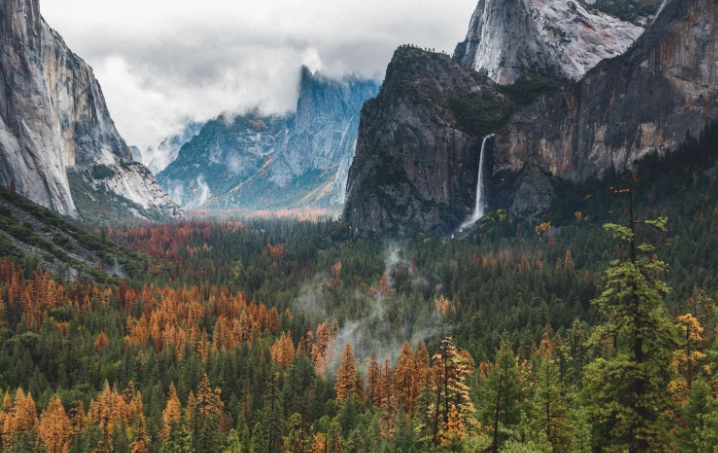
When Should You Actually Go? A Season-by-Season Breakdown
Yosemite Valley changes dramatically with the seasons. Your experience will be completely different depending on when you visit.
Spring (April - June)
The Good: Waterfalls are at their thunderous peak. Wildflowers are blooming in the meadows. The Valley is lush and green. Temperatures are pleasant.
The Not-So-Good: This is peak visitor season. Crowds are heavy. Some high-country roads and trails (like Tioga Road) may still be closed due to snow. Mosquitoes can be fierce in late spring.
Best for: Waterfall chasers, photographers, first-time visitors who want the classic "green Yosemite" experience.
Summer (July - September)
The Good: All roads and trails are open. Long days, stable weather. Perfect for backpacking into the high country (Tuolumne Meadows).
The Not-So-Good: Crowds are at their absolute maximum. The Valley can feel like a theme park. Temperatures can soar into the 90s+ F (30s+ C). Many waterfalls, including Yosemite Falls, dry up. Afternoon thunderstorms are common in the high country.
Best for: High-country hikers, backpackers, families with school schedules.
Fall (October - November)
The Good: Crowds thin out significantly. Weather is crisp and clear. The black oaks and dogwoods turn brilliant shades of yellow and red. A magical time for photography.
The Not-So-Good: Waterfalls are low or dry. Days are shorter. Tioga Road and Glacier Point Road close with the first significant snow (usually by November). Nights get cold.
Best for: Photographers, hikers who dislike crowds, leaf-peepers.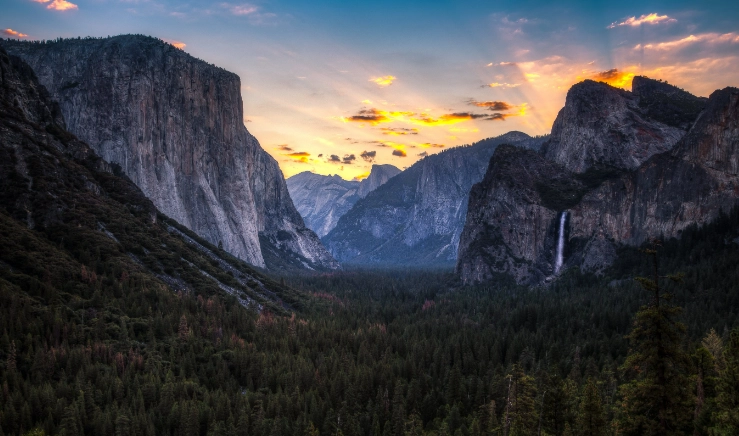
Winter (December - March)
The Good: A serene, quiet, and starkly beautiful landscape. Seeing the granite walls dusted with snow is unforgettable. Fireplaces in the Ahwahnee (now Majestic Yosemite Hotel) are cozy.
The Not-So-Good: Many roads are closed or require chains. Some trails are inaccessible or become snowshoe/cross-country ski routes. Services are limited. It can be very cold.
Best for: Solitude seekers, photographers, snowshoers, cross-country skiers. Check the NPS winter guide for detailed road and condition info.
My personal favorite? Late September or early October. The crowds have eased, the weather is still good, and the light is golden.
The Practical Stuff: Permits, Lodging, and Beating the Crowds
Alright, let's get down to brass tacks. This is the information that will save you headaches.
Permits and Reservations: The New Reality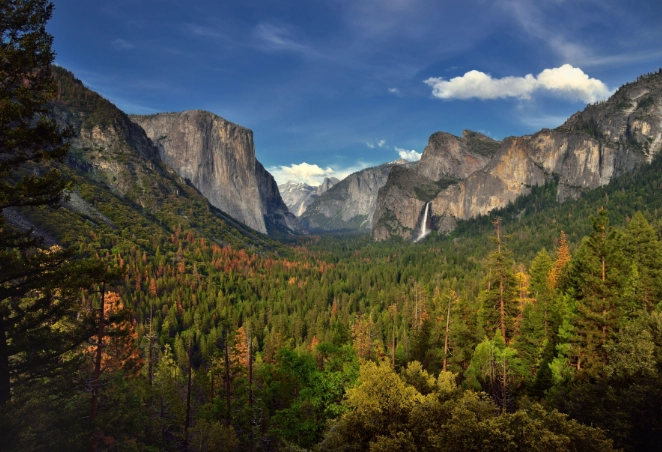
Yosemite now often has a day-use reservation system in peak season to manage congestion. This is separate from any camping or lodging reservations. You must check the park's reservation page before your trip to see if you need one. It's not always in effect, but when it is, you can't drive in without it.
For wilderness backpacking or hiking Half Dome, you need a separate wilderness permit. These are highly competitive and obtained via lottery. Plan months ahead.
Where to Stay
- Inside the Park: Book a year in advance for Valley lodges (The Ahwahnee/Majestic, Yosemite Valley Lodge, Curry Village cabins). It's expensive, but waking up in the Valley is priceless. Campgrounds in Yosemite Valley are also booked solid months ahead on Recreation.gov.
- Outside the Park: More options and often cheaper in gateway towns like El Portal (west), Fish Camp (south, near the Mariposa Grove), and Groveland (northwest). The trade-off is a 30-60 minute drive in each morning, which means getting up very early to beat the entrance gate lines.
Beating the Crowds: A Realistic Strategy
- Get up early. I mean, really early. Be at the trailhead by 7 AM. You'll have the path to yourself for a precious hour or two.
- Use the shuttle. The free Yosemite Valley shuttle bus is excellent. It loops around all the major sights, trailheads, and lodges. Park your car once and use it all day. Saves you the headache of finding parking, which is a nightmare by 10 AM.
- Explore beyond the Valley. This is the single best tip. Take a day to drive up to Glacier Point or over Tioga Pass to Tuolumne Meadows (in summer). The crowds drop by 80%, and the scenery is just as spectacular, just different. The Valley is the main event, but the park is huge.
- Embrace the shoulders. Visit in the shoulder seasons (late spring/early fall) if you can.
Answering Your Burning Questions (The FAQ Section)
Let's tackle some of the specific questions that pop up again and again.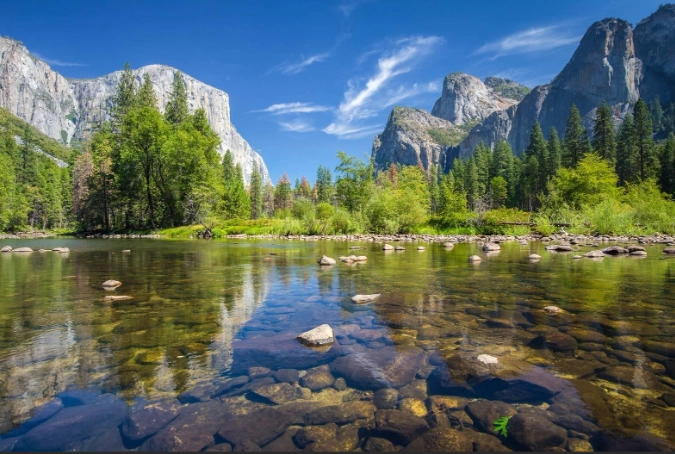
For the classic, all-in-one panorama, it's hard to beat Glacier Point. You look down onto the back of Half Dome and across the entire Valley. You can drive there (summer/fall) or hike up. In the Valley itself, Valley View at golden hour is my personal favorite for a peaceful, reflective moment.
It's better than zero days! You can hit the highlights: drive through, stop at Tunnel View and Valley View, do the short Lower Yosemite Fall loop, and maybe one other short trail like Mirror Lake. You'll get a taste. But to truly feel the place, to hike a proper trail, and to relax into the rhythm, you need at least two full days, preferably three.
Absolutely. The Valley is incredibly accessible by car and shuttle. All the major vista points are pull-offs. The Valley Floor loop road lets you see El Capitan, Cathedral Rocks, and Bridalveil Fall from your window. You miss the intimate connection of a hike, but the grandeur is still 100% there.
- Bear spray? No. It's illegal in Yosemite. Use proper bear-proof food storage instead.
- Do bring: A refillable water bottle (there are filling stations). Layers of clothing (weather changes fast). A physical map (cell service is spotty). Sunscreen and a hat. A headlamp if you might be out past dark. And patience. Lots of patience.
Yes, but manage expectations. Stick to the easy, paved trails. The Junior Ranger program is fantastic. Focus on short adventures, picnics, and looking for wildlife (safely, from a distance!). Don't try to force a long hike. Let the kids set the pace exploring the streams and meadows.
In the Valley, it's patchy. Near the lodges, you might get a bar or two. Don't rely on it for navigation or communication on trails. Tell someone your plans and expected return time.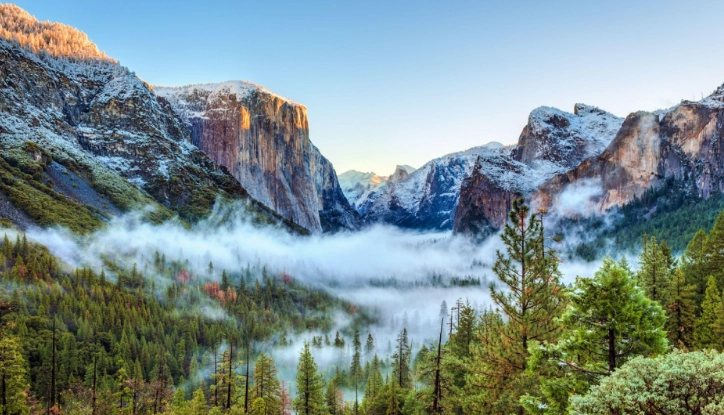
Leaving No Trace and Being a Good Visitor
This place is fragile. Millions of feet are wearing on it. Being a responsible visitor is non-negotiable.
- Stay on designated trails. Cutting switchbacks causes erosion that takes decades to heal.
- Pack out ALL trash. Every wrapper, every orange peel.
- Respect wildlife. This is their home. Never feed animals. Store your food properly in bear lockers or approved canisters. The park's bear page has critical info.
- Be quiet. Let the natural sounds prevail. Not just for others, but for yourself.
Visiting Yosemite Valley is a privilege. It's not a checklist to be completed. It's a place to be felt. The scale will mess with your head. The beauty will, at some point, probably make you quiet. That's the point.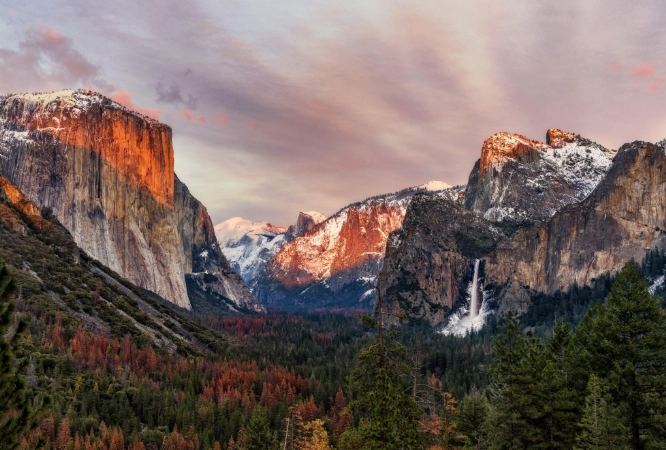
You might get frustrated with the crowds or the logistics. I have. But then you round a corner on a trail, the sun hits a wall of granite just right, and a Steller's jay squawks from a pine tree, and you remember why you put up with it all.
Go. Be prepared. Be flexible. And let Yosemite Valley do its thing.