Your Quick Trail Map
- The Non-Negotiable First Step: Timed Entry Permits & Reservations
- Choosing Your Adventure: Hikes for Every Body and Ambition
- Beyond Hiking: Scenic Drives and Wildlife Viewing
- Practical Stuff That Makes or Breaks Your Trip
- Your Rocky Mountain National Park Packing Checklist
- Common Questions (The Stuff You're Actually Searching For)
- Final Thoughts Before You Go
Let's be honest. Planning a trip to Rocky Mountain National Park can feel overwhelming. I remember my first time staring at the map, wondering where to even start. Should I focus on Trail Ridge Road? Are the Bear Lake hikes too crowded? What's the deal with this "timed entry" thing everyone's talking about? And seriously, how do you prepare for that kind of altitude?
I've been back more times than I can count now, in every season. I've had perfect, sunny days above the treeline, and I've been caught in a sudden July hailstorm that had me scrambling for cover. I've watched elk calves take their first wobbly steps, and I've sat in traffic near the Beaver Meadows entrance (a mistake I only made once).
This guide isn't just a list of facts. It's the collected, sometimes hard-earned, wisdom from spending a lot of time in one of America's most stunning national parks. We'll cut through the noise and get straight to what you actually need to know to have an amazing visit to Rocky Mountain National Park.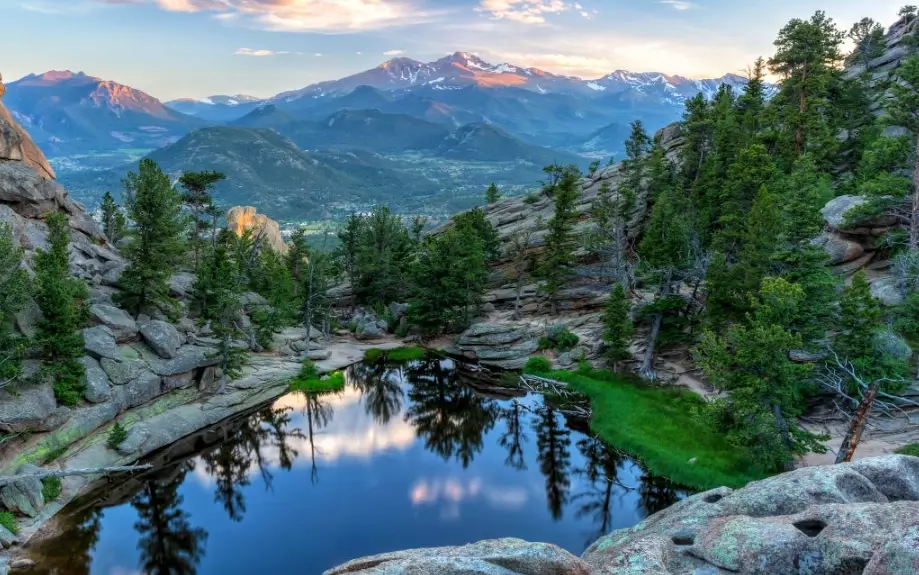
Quick Reality Check: This place is popular for a reason. It's breathtaking. But that means you need a plan. Wing it, and you might spend half your day in a line of cars instead of on a trail. Let's make sure that doesn't happen.
The Non-Negotiable First Step: Timed Entry Permits & Reservations
Okay, this is the biggest change in recent years and the number one thing that trips people up. You can't just decide to drive into Rocky Mountain National Park on a summer morning anymore. To manage crowds and protect the park, the National Park Service implemented a Timed Entry Permit system.
It sounds bureaucratic, but it's actually a blessing if you plan ahead. Nothing ruins the majesty of the mountains like a parking lot gridlock.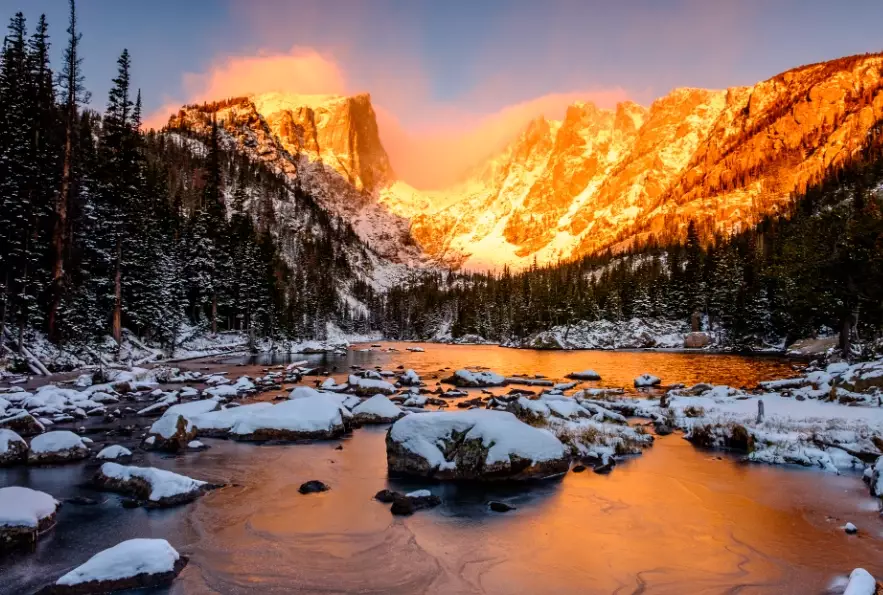
Heads Up: No timed entry permit? No entry during the designated hours. Rangers will turn you away at the entrance station. This isn't a suggestion; it's the rule for most of the year.
Here’s the breakdown of how it works, straight from the official Rocky Mountain National Park website:
- When is it required? Typically from late May through mid-October. Always double-check the dates for your specific trip year on the NPS site.
- Two Types of Permits:
- Park Access (+ Bear Lake Road): This is the one you need if you want to go to the super-popular Bear Lake area (think Dream Lake, Emerald Lake). It's the most restrictive and sells out fastest.
- Park Access (Excluding Bear Lake Road): This gets you into the rest of the park. You can still access incredible places like Trail Ridge Road, Wild Basin, and the Moraine Park area.
- How to Get One: Permits are released monthly on Recreation.gov. A portion is released 120 days in advance, and a smaller batch is released at 5 PM Mountain Time the day before. Set a calendar reminder and be ready to click fast.
My personal strategy? I aim for the earliest entry window I can get. Having a permit for 5-7 AM means you'll get a parking spot at those coveted trailheads and experience the trails in peaceful solitude. By 9 AM, it's a different world.
Choosing Your Adventure: Hikes for Every Body and Ambition
This is the heart of a visit to Rocky Mountain National Park. With over 355 miles of trails, the choices can paralyze you. Do you want postcard-perfect alpine lakes? A relentless climb to a windy summit? A gentle stroll with a huge payoff?
Let's break it down by what you're actually looking for. I've put together a table comparing some of the most iconic hikes to help you decide at a glance.
| Trail Name | Distance (Round Trip) | Elevation Gain | Why It's Special | Best For |
|---|---|---|---|---|
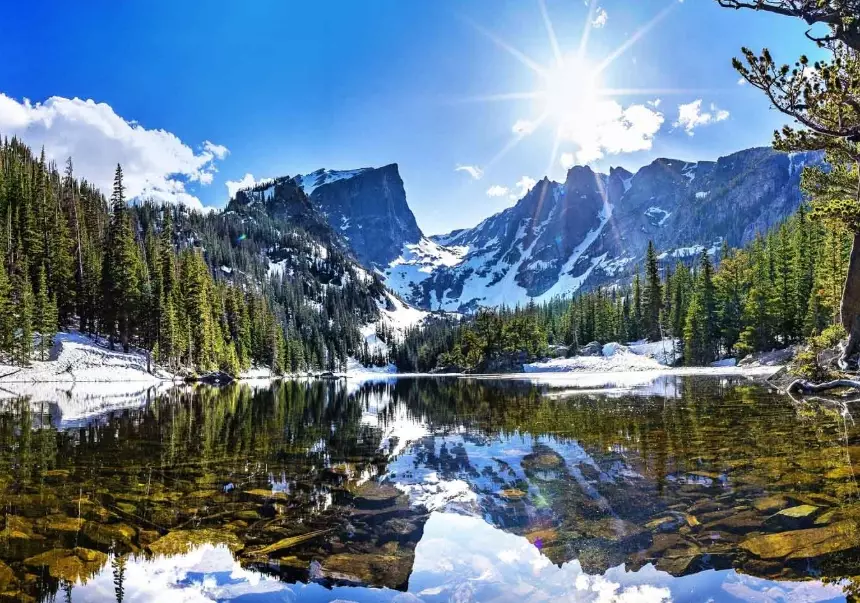
| Bear Lake to Emerald Lake | 3.6 miles | ~650 ft | Passes FOUR stunning alpine lakes (Bear, Nymph, Dream, Emerald) with the dramatic backdrop of Hallett Peak. | First-timers, photographers, families with older kids. The ultimate classic. |
| Sky Pond via Glacier Gorge | 9.5 miles | ~1,780 ft | A challenging but epic journey past Alberta Falls, The Loch, and Timberline Falls (a scramble!) to a dramatic alpine pond beneath Taylor Peak. | Experienced hikers seeking a full-day, varied adventure. |
| Deer Mountain | 6.2 miles | ~1,210 ft | A "gentle" summit hike by RMNP standards. Offers 360-degree panoramic views of the park without the extreme exposure of some taller peaks. | Hikers wanting a summit without technical climbing. Great for building confidence. |
| Gem Lake | 3.4 miles | ~1,000 ft | Starts from the less-crowded Lumpy Ridge trailhead. Features unique rock formations and a small, clear lake nestled in a granite bowl. | Avoiding crowds, interesting geology, a good shorter workout. |
| Alpine Ridge Trail (at Alpine Visitor Center) | 0.6 miles | ~200 ft | Short but steep! Takes you to 12,005 ft. The views from the top are vast and humbling. The altitude is the real challenge here. | Everyone who drives Trail Ridge Road. A must-do leg-stretcher with huge rewards. |
Now, a few honest opinions from the trail.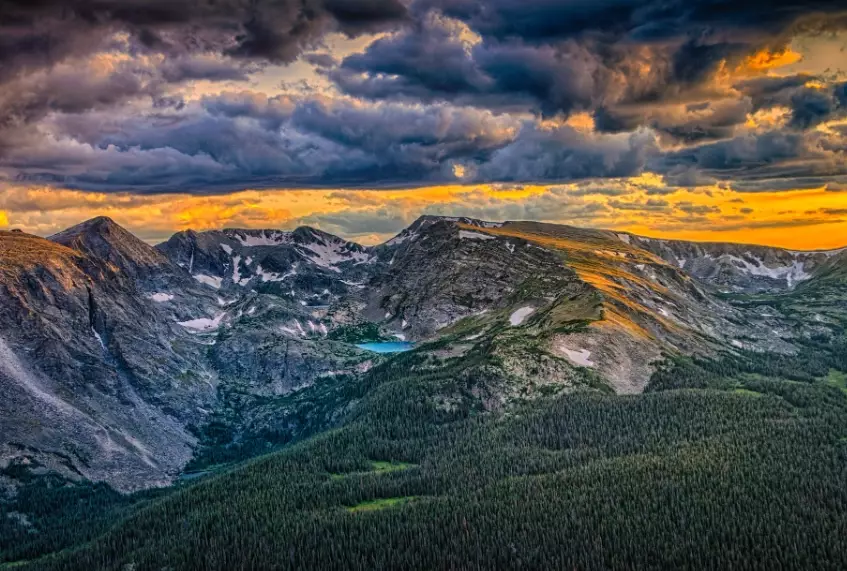
The Bear Lake corridor is stunning, yes. But on a summer Saturday, it feels more like a conveyor belt of humanity than a wilderness experience. If solitude is your goal, look to the park's edges. The Wild Basin area near Allenspark or the Mummy Range trails accessed from the Fall River entrance offer incredible scenery with a fraction of the people.
And about altitude. That hike that looks "moderate" on paper? Add 9,000 feet of starting elevation and it becomes a lung-buster. Go slow. Drink absurd amounts of water. Listen to your body. Turning around is always a valid option.
What About Kids and Hiking in Rocky Mountain National Park?
Absolutely doable, with the right expectations. Ditch the idea of a 10-mile slog. Focus on engagement.
- Sprague Lake: A completely flat, 0.8-mile loop around a beautiful lake. Perfect for tiny legs, strollers, and wheelchair users. Great for sunrise or sunset.
- Lily Lake: Another easy, paved loop near Estes Park. You often see ducks and fish, which is a hit with kids.
- Alluvial Fan: Not really a trail, but a massive area of boulders and rushing water created by a 1982 flood. Kids can scramble on rocks (carefully!) and it's pure, unstructured fun.
Pack more snacks than you think you need. Turn it into a scavenger hunt (find a squirrel, a red rock, a specific kind of pinecone). Their pace is the right pace.
Beyond Hiking: Scenic Drives and Wildlife Viewing
Not everyone comes to Rocky Mountain National Park to hike 10 miles, and that's perfectly fine. Some of the park's greatest wonders are accessible from your car.
Trail Ridge Road: The Highway to the Sky
This is the iconic experience. Stretching 48 miles between Estes Park and Grand Lake, it crosses the Continental Divide and reaches an elevation of 12,183 feet. It's the highest continuous paved road in the United States.
It's not just a way to get from A to B. It's the main event. Plan at least 3-4 hours to drive it one-way, with stops. The views from Rainbow Curve, Forest Canyon Overlook, and the Alpine Visitor Center are mind-blowing. The tundra ecosystem up there is fragile and ancient—stay on the paved paths.
Note: Trail Ridge Road is typically open from late May/June until mid-October. Snow closes it for most of the year.
Old Fall River Road: The Original Adventure
For a different vibe, take the one-way, uphill, dirt road that was the park's original auto route. It's narrower, steeper, and winds its way up to the Alpine Visitor Center at a leisurely 15 mph max. It has a wilder, more rustic feel. No RVs or trailers allowed. If you're not in a rush and want a sense of what early motorists experienced, this is your road.
Where to Spot Wildlife in RMNP
Seeing a massive bull elk or a moose is a highlight for most visitors. They're here, but you have to know when and where to look.
- Elk: They're everywhere, but your best bets are in the meadow areas at dawn and dusk. Moraine Park and Horseshoe Park are legendary elk-viewing spots, especially during the fall rut (September-October) when the bulls bugle. It's an unforgettable sound.
- Moose: Shyer than elk. Look for them in wet areas, willows, and ponds. The Kawuneeche Valley on the west side of the park (near Grand Lake) is often called "Moose Valley" for good reason. I've had the best luck on the Colorado River Trailhead in the early morning.
- Bighorn Sheep: Often seen licking minerals along the roadside, especially on the switchbacks near Sheep Lakes in Horseshoe Park (late spring/early summer).
A crucial reminder:
These are wild animals. I've seen people get way too close for a photo. It's dangerous for you, stressful for the animal, and illegal. Use a zoom lens, not your feet. The NPS recommends keeping a distance of at least 75 feet from elk and moose, and 120 feet from predators. A parked car makes a great blind!
Practical Stuff That Makes or Breaks Your Trip
This is the unglamorous but vital section. Get these things wrong, and your dream trip can become frustrating.
When to Visit Rocky Mountain National Park
- Summer (June-August): Peak season. Wildflowers, all trails and roads open, but also peak crowds, thunderstorms most afternoons, and mandatory timed entry. Book everything far in advance.
- Fall (September-October): My personal favorite. Crowds thin, aspens turn gold, elk are bugling. Weather is more unpredictable, and snow can close high elevations early. Timed entry usually ends mid-October.
- Winter (November-April): A silent, snowy wonderland. Trail Ridge Road is closed, but you can snowshoe or cross-country ski. Estes Park is quiet. You need serious cold-weather gear and avalanche awareness for the backcountry.
- Spring (May-early June): A muddy, transitional season. Lower trails open, but snow lingers at higher elevations. It's a gamble, but you can find solitude.
Where to Stay: Estes Park vs. Grand Lake
Estes Park (East Side) is the major gateway. It has tons of lodging, from hotels to cabins, and every restaurant and shop you can imagine. It's bustling, sometimes kitschy, but supremely convenient for accessing the Bear Lake and Fall River areas.
Grand Lake (West Side) is smaller, quieter, and feels more rustic. It sits on Colorado's largest natural lake. It's your base for the Kawuneeche Valley and the Tonahutu Creek trails. The trade-off is fewer services and a longer drive to the park's east-side highlights.
I usually stay in Estes for the convenience, but a stay on the Grand Lake side feels more like an escape.
The Altitude is Real: How to Prepare
Denver is at 5,280 feet. Estes Park is at 7,522 feet. Many trailheads start above 9,000 feet. Your body will notice.
To avoid my mistake:
- Hydrate like it's your job. Start drinking extra water a day or two before you arrive. Avoid excessive alcohol and caffeine at first.
- Take it easy the first 24 hours. Plan a scenic drive or a very short hike. Let your body adjust.
- Know the symptoms of altitude sickness: headache, loss of appetite, nausea, fatigue, dizziness. If you feel them, descend. Going higher will only make it worse.
- Consider spending a night in Denver or Boulder to start the acclimatization process if you're coming from sea level.
Your Rocky Mountain National Park Packing Checklist
Forget something at home? In Estes Park, you can probably buy it. But it'll cost you. Here's my non-negotiable list, refined over many trips.
The Essentials (Day Hike):
- Layers, layers, layers: A moisture-wicking base, an insulating mid-layer (fleece/puffy), and a waterproof/windproof shell. Mountain weather changes in minutes.
- Sturdy Footwear: Hiking boots or trail runners with good tread. No flip-flops on the trails, please.
- Sun Protection: High-altitude sun is fierce. SPF 30+, lip balm with SPF, sunglasses, and a wide-brimmed hat.
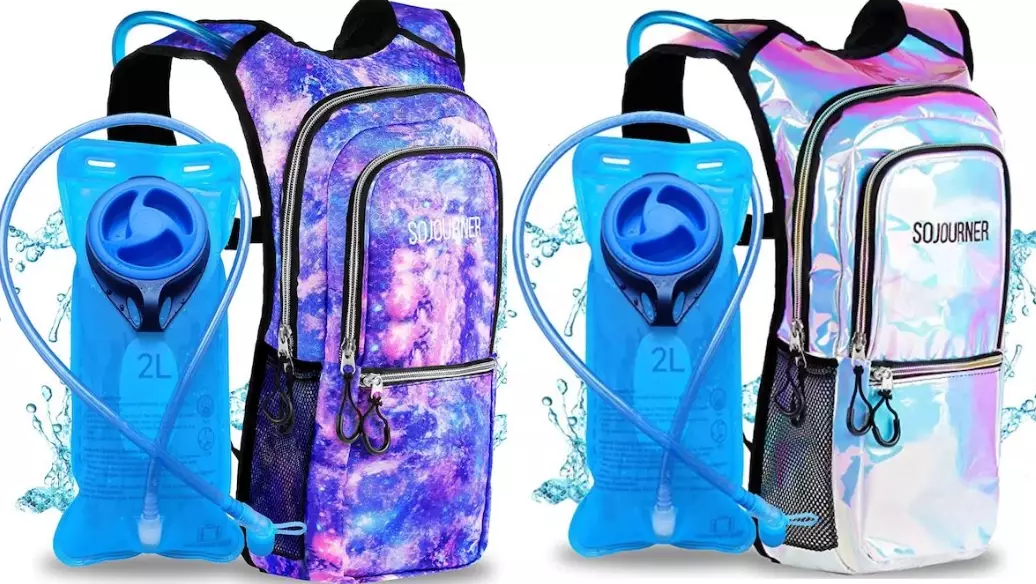
- Water & Food: More water than you think (I carry a 3-liter bladder). High-energy snacks (nuts, bars, jerky).
- Navigation: A physical map (cell service is spotty) and/or a GPS device. The official park map is a great start.
- Other Must-Haves: First-aid kit, headlamp (even for day hikes), whistle, knife/multi-tool.
Also, throw a blanket, extra snacks, and water in your car. After a long hike, sitting in traffic (it happens) is much more pleasant when you're comfortable.
Common Questions (The Stuff You're Actually Searching For)
Q: Is one day enough for Rocky Mountain National Park?
A: You can get a fantastic taste in one day, but it will be a sprint. Focus on one area: either do Trail Ridge Road (with short stops at overlooks and the Alpine Ridge Trail) OR get a timed entry permit for Bear Lake Road and do the Emerald Lake hike. Trying to do both in one day is exhausting and doesn't do either justice.
Q: Can I get into the park without a timed entry permit?
A: Yes, but you have to enter outside the permit hours. For example, if permits are required from 9 AM to 2 PM, you can enter before 9 AM or after 2 PM. This is a great strategy for sunset drives or evening wildlife viewing.
Q: Are there bears? Do I need bear spray?
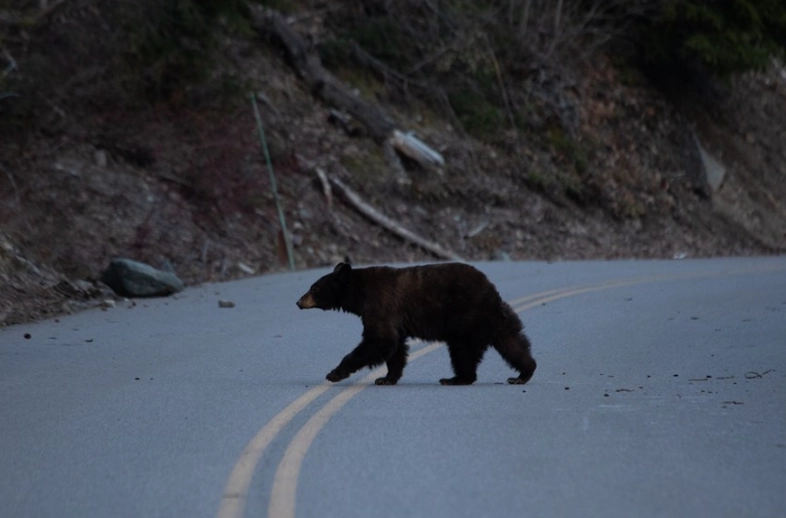
A: Black bears live in the park, but encounters are very rare. The National Park Service does not recommend carrying bear spray for typical front-country day hikes in Rocky Mountain National Park. The bigger concern is smaller critters—use the provided food storage lockers at trailheads and never leave food in your car where marmots or squirrels can see (or smell) it. They will chew through wiring to get to it!
Q: What's the best time to avoid crowds?
A> Weekdays are always better than weekends. Within a day, early mornings (sunrise entry) are magical and quiet. The park also clears out significantly after 3 PM. The shoulder seasons (late May/early June and September/October) offer the best balance of good weather and fewer people.
Q: Is the west side (Grand Lake) worth visiting?
A> Absolutely. It feels like a different, quieter park. The landscapes are lusher, with more rivers and willows. If you want to see a moose or enjoy a lakeside dinner without the bustle of Estes, it's 100% worth the drive over Trail Ridge Road.
Final Thoughts Before You Go
Rocky Mountain National Park is a place that sticks with you. The scale of the mountains, the clarity of the air, the surprise of wildlife around a bend—it has a way of resetting your perspective.
My biggest piece of advice? Have a plan, but hold it loosely. Maybe the trail you wanted is packed, so you discover a quieter one instead. Maybe a storm rolls in, so you spend an hour watching the clouds dance over Longs Peak from a cozy coffee shop in Estes. That's part of the adventure too.
Respect the place.
Follow Leave No Trace principles. Pack out all your trash. Stay on the trail to protect the fragile tundra and meadows. Give wildlife their space. This park is a treasure because people have fought to keep it this way for over a century. Let's keep it that way.
Do your homework with the timed entry, pack your layers, manage your altitude expectations, and then just go. Be present. Look up from your phone. Breathe it in. You're in for an experience you won't forget.