Quick Guide
Let's be real. You've seen the pictures. Those impossible red arches, the deep canyons, the weird pointy rocks that look like they're from Mars. The national parks in Utah are the kind of place that fills up your Instagram feed and makes you immediately start checking flight prices. But here's the thing—actually planning a trip there can feel overwhelming. Which park is which? Can you really see them all? Where do you even start?
I've been there. I've also made all the classic mistakes: showing up at Zion in July at noon with no parking, underestimating how much water to bring into Arches, and thinking I could "quickly" see Bryce Canyon. This guide is what I wish I'd had. We're going to cut through the glossy brochures and give you the real, practical info you need to plan an unforgettable adventure to Utah's Mighty 5, without the stress.
It's not just about checking boxes. It's about understanding the soul of each place so you can match it to your own travel style.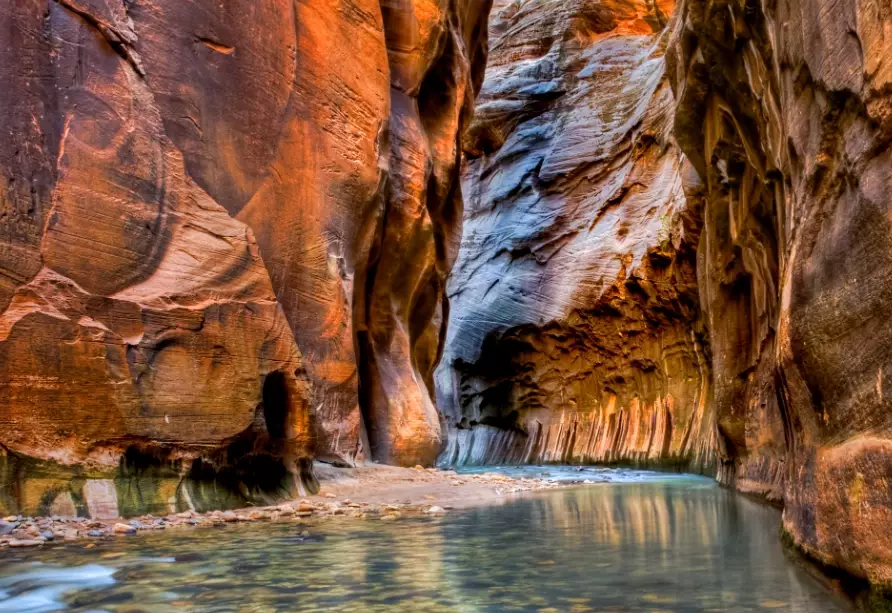
Meet the Mighty 5: Utah's Crown Jewels
First off, let's get our bearings. When people talk about the national parks in Utah, they're almost always referring to the "Mighty 5." This isn't an official National Park Service term, but it's a perfect nickname for these five spectacular and geographically close parks in southern Utah. They're often linked together on an epic road trip.
But they are not interchangeable. Each one has a completely different personality, landscape, and vibe. Treating them like a checklist is the fastest way to get park fatigue. The table below is your cheat sheet to tell them apart at a glance.
| Park | The Vibe & Signature Look | Can't-Miss Experience | Best For... | My Personal Take |
|---|---|---|---|---|
| Zion | Majestic, towering sandstone cliffs. A lush, green canyon carved by the Virgin River. Feels grand and immersive. | Hiking The Narrows (walking in the river) or Angels Landing (for the brave). | Serious hikers, canyon scenery lovers, feeling small in a big landscape. | It's the superstar for a reason. Can feel like a theme park with crowds. Go early, really early. |
| Bryce Canyon | Otherworldly. A forest of crimson hoodoos (those skinny spires of rock). Feels intricate and delicate. | Sunrise at Sunrise Point. Hiking down among the hoodoos on the Queen's Garden/Navajo Loop combo. | Photographers, unique geology fans, cooler temperatures (it's high elevation!). | Smaller and more manageable than Zion. The views are just as stunning but in a totally different way. Less strenuous hiking options. |
| Arches | Desert sculpture garden. Over 2,000 natural stone arches, including the famous Delicate Arch. | The hike to Delicate Arch (moderate, 3 miles round-trip). Driving the scenic road to see Windows Section. | Iconic photo ops, family-friendly walks, desert landscape appreciation. |
See what I mean? Zion is about deep canyons, Bryce is about intricate spires, and Arches is, well, arches. Picking the right one depends on what you're after.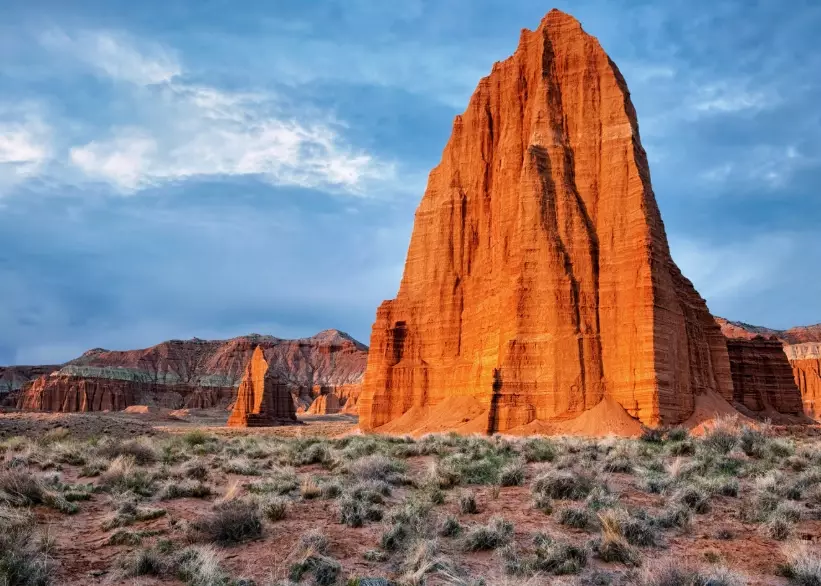
Zion National Park: The Majestic Canyon
Zion is often the first park people think of in Utah, and it can be a bit of a shock to the system. The main Zion Canyon is accessed by a mandatory shuttle bus for most of the year (spring through fall), which is actually a good thing—it keeps the roads from total chaos. You park in the town of Springdale or at the visitor center and ride in.
The shuttle system info is crucial. You can find the latest schedules, maps, and whether it's running on the official Zion National Park Shuttle page. Trust me, don't wing this part of the plan.
Hikes here range from the peaceful (Riverside Walk) to the downright thrilling (Angels Landing, which now requires a permit you have to win in a lottery). The Narrows is a world-class hike where you are literally walking in the Virgin River. You need proper gear—water shoes, a walking stick, and checking the flash flood risk. The NPS page for The Narrows is your bible for current conditions.
Bryce Canyon National Park: The Fairyland Forest
Bryce feels like walking into a dream. It's much higher in elevation than Zion (over 8,000 feet at the rim), so it's significantly cooler, even in summer. You might even see snow in early spring or late fall when the other parks are mild.
The magic of Bryce is best experienced by descending into the amphitheater. The most popular trail is the Queen's Garden and Navajo Loop combination. It's a moderate hike that takes you right down among those crazy hoodoos. Looking up from the bottom is a perspective you can't get from the rim.
Sunrise is the absolute best time here. The low angle of the sun sets the entire canyon on fire with red and orange light. Sunset is good too, but sunrise is quieter and often more dramatic. Bring a jacket—it's cold up there at dawn!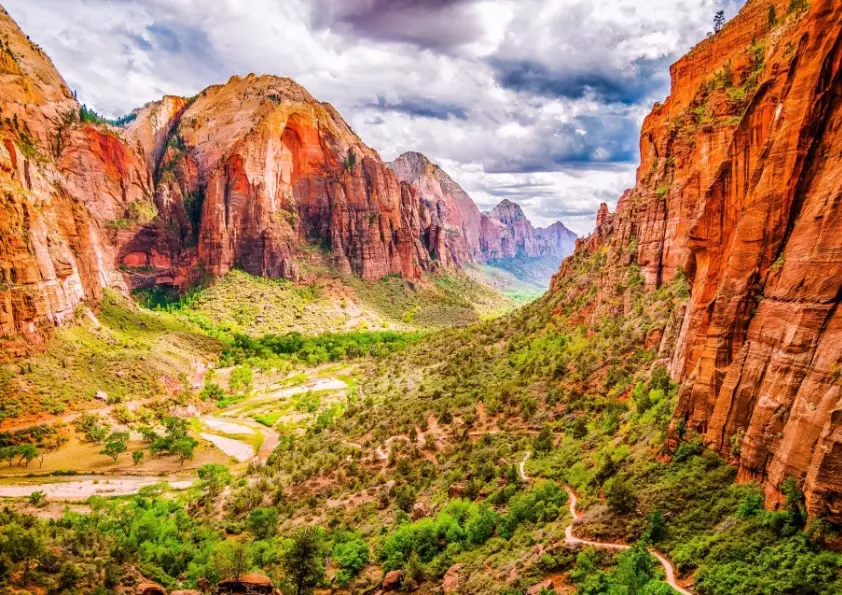
Arches National Park: The Desert Icon
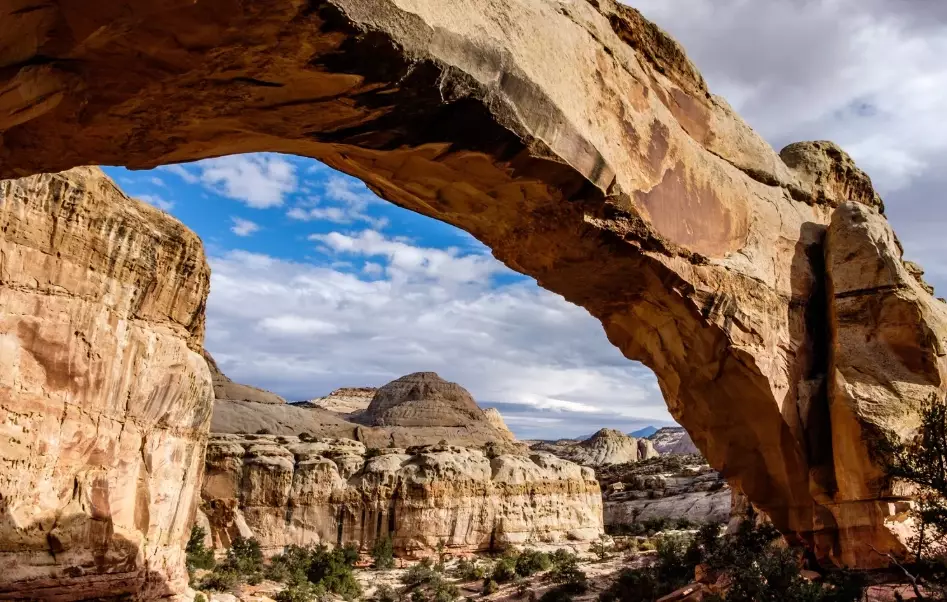
Arches is all about those perfect, wind-sculpted stone formations. Delicate Arch is the state symbol of Utah, and seeing it in person is a pilgrimage for many. The hike to its base is 3 miles round-trip with no shade and some uphill slogging. It's worth every step. Go for sunset, but bring a headlamp for the hike back.
One thing that surprises people: Arches now has a timed entry reservation system from April through October. You need to book a slot online in advance to enter the park during specific windows. This is to manage congestion. Details are always on the Arches Timed Entry page.
If you can't get a reservation, you can enter before 7 am or after 4 pm. Honestly, those are the best times to visit anyway to avoid the heat and the crowds. Park Avenue, the Windows Section, and Double Arch are all easily accessible and mind-blowing.
My personal gripe? The main road can feel a bit like a drive-thru safari sometimes, with people stopping in the middle of the road for a photo. Patience is a virtue here.
When Should You Actually Go? Timing Your Utah National Parks Trip
This might be the most important decision you make. Get it wrong, and you could be hiking in 110-degree heat or fighting for a hotel room during a spring break frenzy.
Spring (April-May) and Fall (September-October) are the goldilocks seasons for most of the Utah national parks. The weather is mild, wildflowers might be out in spring, and the summer crowds have dissipated by fall. But note: these are also the most popular times, so book accommodations far in advance.
Summer (June-August) is... intense. It's peak family travel season, so crowds are at their maximum. More critically, temperatures in Zion, Arches, and Canyonlands can soar above 100°F (38°C). Hiking after 10 am can be dangerous without extreme preparation (think gallons of water, electrolyte tabs, and knowing your limits). Bryce, with its high elevation, remains a pleasant summer escape.
Winter (November-March) is the secret season. Crowds are minimal, and you'll have places like Arches almost to yourself. The catch: some roads and facilities close. You might encounter snow and ice, especially at Bryce and higher elevations. It's a magical time for photography and solitude if you're prepared for cold weather.
Always, and I mean always, check the official park alerts and conditions pages before you go. A sudden rainstorm can change everything. The main NPS Utah page is a great hub to find each park's site.
Crafting Your Perfect Utah National Parks Itinerary
So you want to see them all? Ambitious! It's doable, but be warned: this is not a relaxing beach vacation. It's an active, driving, hiking adventure. Here are a few sample frameworks based on how much time you have.
The Classic "Mighty 5" Road Trip (7-10 Days)
This is the grand tour. You'll need at least a week, and 10 days is much more comfortable.
- Days 1-2: Zion. Fly into Las Vegas (LAS) or Salt Lake City (SLC). Drive to Springdale. Hike Angels Landing (with permit) or Observation Point one day, do The Narrows the next.
- Day 3: Drive to Bryce. It's a beautiful 2-hour drive. Catch the afternoon light in the park, do the Rim Trail. Stay in Bryce Canyon City or Tropic.
- Day 4: Explore Bryce. Sunrise hike into the amphitheater (Queen's Garden/Navajo Loop). Drive to Capitol Reef in the afternoon (about 2.5 hours).
- Day 5: Capitol Reef. Hike to Cassidy Arch, pick fruit in the historic orchards (in season). Drive to Moab (about 2.5 hours). Moab is your base for Arches and Canyonlands.
- Days 6-7: Arches & Canyonlands. Spend one full day in Arches (Delicate Arch hike, Windows Section). Spend another day in Canyonlands (Island in the Sky district for epic views, Mesa Arch at sunrise).
- Day 8+: Drive back. To Vegas it's about 6-7 hours from Moab.
This is fast-paced. You'll be tired but incredibly satisfied.
The "Highlights" Trip (4-5 Days)
Short on time? Focus on quality over quantity. I'd recommend pairing Zion and Bryce, or Arches and Canyonlands. Trying to do Zion and Arches in 4 days means too much windshield time.
Zion & Bryce Combo: Fly into Vegas. 2 full days in Zion, 1.5 days in Bryce, drive back. You get two stunning but different landscapes without excessive driving.
Arches & Canyonlands Combo: Fly into Salt Lake City or Grand Junction, CO. 2 days based in Moab to explore Arches, 1 day for Canyonlands (Island in the Sky). More relaxed, focused on the Moab area's unique desert beauty.
Practical Stuff You Can't Afford to Ignore
Okay, past the pretty pictures, here's the nitty-gritty that makes or breaks a trip.
Where to Stay: Lodging Near the National Parks in Utah
Options range from rustic to luxurious, but they book up fast, especially in Springdale (Zion) and Moab (Arches/Canyonlands).
- Springdale (Zion): The most convenient town, with hotels, B&Bs, and restaurants right at the park entrance. Expensive, but you can walk to the park shuttle.
- Moab (Arches/Canyonlands): A fun, funky adventure town packed with gear shops, restaurants, and hotels. It's the perfect base. Book 6+ months ahead for peak seasons.
- Bryce Canyon City/Tropic (Bryce): Small towns right near the park. Fewer fancy options, more motels and basic lodges. Great for easy park access.
- Camping: Inside-park campgrounds are fantastic but competitive. Reservations for Zion, Arches, and Bryce open 6 months in advance on Recreation.gov and sell out in minutes. Have a backup plan.
What to Pack: The Non-Negotiables
Forgetting something here can ruin your day.
- Water. So Much Water. A reusable bottle isn't enough. Carry a 3-liter hydration bladder in your pack. I aim to drink one liter per hour of hiking in the heat.
- Sun Protection. Hat, sunglasses, and high-SPF sunscreen. The desert sun is relentless, and there's often zero shade.
- Sturdy Footwear. Hiking boots or trail runners with good grip. Sandals are only for the hotel pool. The terrain is rocky, sandy, and uneven.
- Layers. Temperatures swing wildly from morning to afternoon, especially at higher elevations like Bryce. A light puffer jacket and a moisture-wicking base layer are key.
- Navigation. Cell service is spotty to non-existent in the parks. Download offline maps (Google Maps, AllTrails) or, even better, carry a physical map from the visitor center.
- The America the Beautiful Pass. If you're visiting 3 or more national parks in a year, this $80 annual pass pays for itself. Entrance to each park is around $35. Buy it at the first park gate you enter.
Answering Your Burning Questions (The FAQ Section)
These are the questions I get asked the most, and the ones I see people frantically searching online for while planning.
Final Thoughts Before You Go
Planning a trip to the national parks in Utah is an investment—of time, money, and energy. But the return is priceless. It's the feeling of standing under Delicate Arch as the sun sets, the cool silence at the bottom of the Narrows, the first light hitting the Bryce hoodoos.
The key is to plan but not over-schedule. Leave room for a spontaneous pull-off on a scenic drive, for sitting by the river in Zion just to listen, or for chasing that perfect photo as the light changes. Use the official resources—the National Park Service website is your most reliable friend—to check conditions, make necessary reservations (timed entry, shuttle tickets, camping), and understand the rules that protect these fragile places.
Respect the parks. Stay on marked trails, pack out all your trash, and don't stack rocks (cairns are for navigation, not Instagram). These landscapes have survived for millennia; let's keep them stunning for the next visitor.
So, which of the Utah national parks is calling your name? The mighty canyon of Zion, the whimsical spires of Bryce, or the iconic arches of, well, Arches? Once you decide, the real adventure begins. Start checking those flight prices—you've got a trip to plan.