Your Park Guide
- Yellowstone National Park: The Geothermal Giant
- Grand Teton National Park: The Mountain's Sharp Edge
- Yellowstone vs. Grand Teton: The Side-by-Side Breakdown
- Planning Your Trip: The Nitty-Gritty Stuff Guides Often Gloss Over
- Your Itinerary Ideas: From a Weekend to a Deep Dive
- Answering Your Wyoming National Parks Questions (FAQ)
- Final Thoughts Before You Go
Let's talk about Wyoming's national parks. Honestly, if you're even thinking about visiting, you've probably got Yellowstone and Grand Teton on your mind. They're the crown jewels, the big ones everyone talks about. And for good reason. But here's the thing most generic guides don't tell you straight up: visiting these places isn't just about checking off landmarks. It's about navigating crowds, understanding the massive scale (Yellowstone is huge), and figuring out which park actually fits your travel style. I've made my share of mistakes there—showing up at Old Faithful at noon in July (bad idea), underestimating how fast weather changes in the Tetons (really bad idea)—so consider this your shortcut.
This isn't a fluffy brochure. It's a straight-talking, detail-packed guide for actually planning a trip to the national parks in Wyoming. We'll get into what makes each park unique, how to avoid the tourist traps, where to find those quiet moments, and how to not blow your budget. Because let's be real, a trip out here is an investment.
Yellowstone National Park: The Geothermal Giant
Yellowstone. The name alone conjures images of erupting geysers and colorful hot springs. It's the park that started it all. But walking in, you might not be prepared for its sheer size. It's bigger than some states. You can't "do" Yellowstone in a day. You can only experience a slice of it.
The heart of the park is its otherworldly thermal activity. It sits on top of a supervolcano, which is a fun fact until you're standing on a boardwalk watching boiling mud pots gurgle. Then it's just awe (and a healthy dose of respect—stay on the trails!).
Can't-Miss Sights in Yellowstone
You'll see lists with 20 must-sees. Let's focus on the core.
- Old Faithful and the Upper Geyser Basin: Yes, it's crowded. Yes, you should go. The predictability of Old Faithful (eruptions every 90 mins or so) is part of its charm. But the real magic is walking the boardwalks around it. See Castle Geyser, Grand Geyser if you're lucky with timing, and the stunning, deep-blue pools. My advice? Get there early. I mean, sunrise early. You'll have the steam-filled basin almost to yourself.
- Grand Prismatic Spring: The iconic, rainbow-colored spring you've seen in photos. The view from the ground is good, but the overlook from the Fairy Falls trailhead is spectacular. It's a short hike up a hill and 100% worth it to see the scale and colors.
- Grand Canyon of the Yellowstone: People forget Yellowstone has a massive canyon. The views from Artist Point and Inspiration Point are, well, inspirational. The Lower Falls is a powerful, thundering waterfall. It feels completely different from the geothermal areas.
- Lamar and Hayden Valleys: These are the wildlife theaters. Dawn and dusk are showtimes. Think bison herds so big they block the road, elk, pronghorn, and if you're incredibly fortunate, wolves or bears in the distance. Bring binoculars. Seriously, don't leave them in the car.
The Wildlife Question (And Safety)
You will see bison. They are not lawn ornaments. They are wild, unpredictable, and can run three times faster than you. The rule is stay at least 25 yards away. For wolves and bears, it's 100 yards. I've seen tourists get way too close for a photo. It's stupid and dangerous. Enjoy them from your car or with a good zoom lens. The National Park Service has excellent, non-negotiable wildlife safety guidelines you must read.
Speaking of bears, do you need bear spray? For any hiking beyond busy boardwalks, yes. It's a rental cost or an purchase you should factor in. It's peace of mind.
Grand Teton National Park: The Mountain's Sharp Edge
You drive south from Yellowstone and boom—the Tetons hit you. There's no foothills, no gentle introduction. These mountains just erupt from the valley floor. It's a dramatic, almost abrupt beauty. Grand Teton National Park feels more focused, more intimate than Yellowstone. It's about the mountains, the lakes at their feet, and the trails that lead into them.
The vibe is different. More active. More geared towards getting out and moving.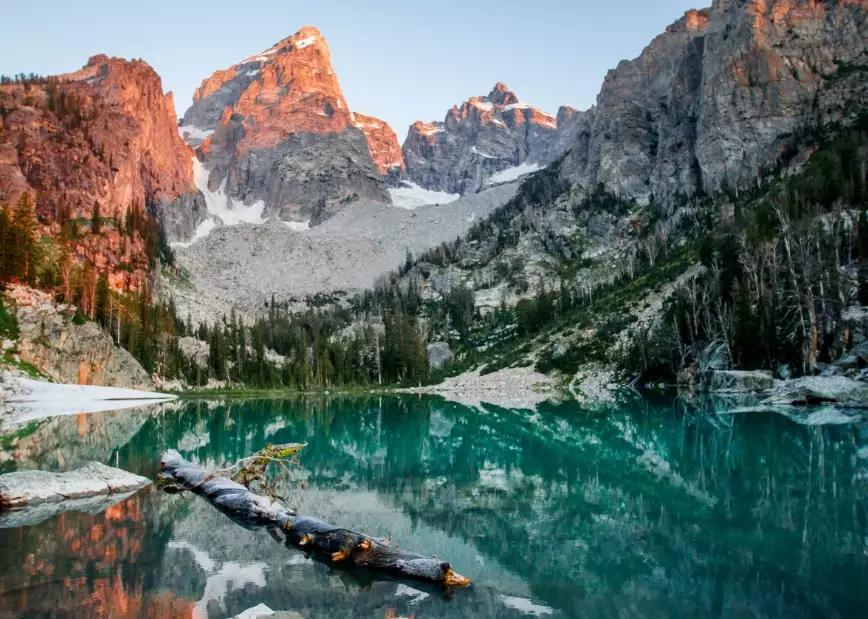
Experiencing the Tetons: Views vs. Trails
You can admire the view from the car along the Teton Park Road (and you should, at spots like Schwabacher's Landing or the Snake River Overlook). But to feel the park, you need to hike or get on the water.
- Jenny Lake: The classic. You can hike around it (a 7.5-mile loop), or take the shuttle boat across and hike up to Inspiration Point and into Cascade Canyon. The boat saves time and lets you access the best hiking faster. The view of the Tetons reflected in Jenny Lake at sunrise is a photographer's dream.
- String & Leigh Lakes: Slightly less crowded than Jenny, perfect for a kayak or canoe paddle with that iconic mountain backdrop. Renting a boat from the park concessioner is a fantastic way to spend an afternoon.
- Signal Mountain Summit Road: A drive-up (if your vehicle isn't huge) to a 360-degree panoramic view of the entire valley, the snake river, and the mountains. Easy payoff for huge views.
Yellowstone vs. Grand Teton: The Side-by-Side Breakdown
Trying to choose? Or planning how to split your time? This table lays it out bare.
| Feature | Yellowstone National Park | Grand Teton National Park |
|---|---|---|
| Core Vibe | Geothermal wonderland, vast wilderness, wildlife spectacle. | Dramatic alpine scenery, adventure hub, lake-centric beauty. |
| Top Sights | Geysers (Old Faithful), Grand Prismatic, Yellowstone Canyon, Mammoth Hot Springs. | Teton Mountain Range, Jenny Lake, Jackson Lake, Mormon Row barns. |
| Best For | Families, first-timers, wildlife lovers, geology geeks. Driving-based sightseeing. | Hikers, climbers, photographers, kayakers/canoers. Activity-based visits. |
| Crowd Level | Very high at major sites (Midway, Old Faithful). Valleys can feel remote. | High at Jenny Lake, but trails disperse people quickly. Generally feels less congested. |
| Pace | Slower. Distances are long. Plan for lots of driving (and wildlife jams). | Faster. Sights are closer together. Easier to hop from one activity to another. |
| My Personal Pick for... | A unique, one-of-a-kind planet Earth experience. The thermal features are nowhere else. | Pure, breathtaking mountain beauty and more rewarding, accessible hiking. |
See what I mean? Different beasts. If you have time, do both. They complement each other perfectly.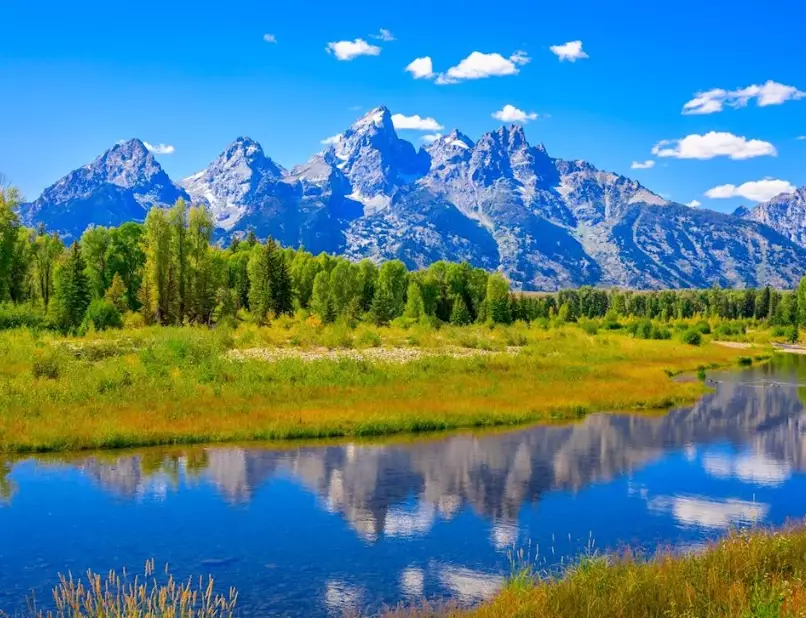
Planning Your Trip: The Nitty-Gritty Stuff Guides Often Gloss Over
This is where trips are made or broken. Let's get practical.
When to Go (The Real Season)
July and August are peak. Everything is open, all roads accessible, all services running. It's also the most crowded and expensive. My sweet spot? Late May/June or September. In September, the crowds thin, the aspens turn gold, and the wildlife is very active. But some services start closing after Labor Day, and weather is a bigger gamble. Spring (April-May) is muddy, many roads are closed, but you have true solitude. Winter is a whole other world of snowcoaches and skiing, but only for the prepared.
Where to Stay: Inside vs. Outside the Parks
Inside the parks (Yellowstone lodges, Jackson Lake Lodge in Tetons) is incredibly convenient. You wake up there. You also pay a premium and need to book 6-12 months in advance. No joke.
Outside the parks: West Yellowstone (MT) or Gardiner (MT) for Yellowstone's west/north entrances. Jackson Hole (WY) or towns like Wilson for the Tetons. You'll have more dining options, maybe a cheaper hotel, but you add 30-60 minutes of driving each way through entrance gates. Weigh time vs. cost.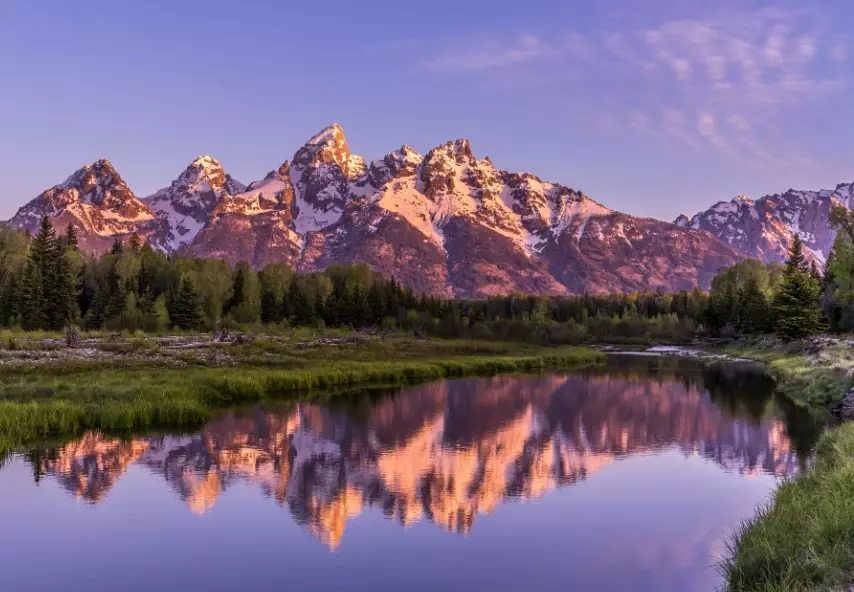
Getting Around and the Entrance Pass
You need a car. There's no efficient shuttle system connecting everything. An SUV is nice but not necessary in summer. The $35 per vehicle, 7-day pass for one park is standard. But if you're hitting both national parks in Wyoming, just get the America the Beautiful Annual Pass ($80). It gets you into both, covers all entrance fees, and pays for itself if you visit any other federal recreation site that year.
Gas is expensive and scarce inside the parks. Fill up whenever you see a station outside.
Budgeting Realistically
It's not a cheap trip. Beyond flights and car rental, budget for:
- Lodging: $150-$400+/night.
- Food: Park restaurants are pricey. Consider bringing a cooler for lunches. Groceries in gateway towns are your friend.
- Activities: Guided wildlife tours, boat rentals, horseback riding add up quickly.
- Gear Rental: Bear spray, hiking poles, binoculars if you don't have your own.
Avoiding sticker shock is part of the planning.
Your Itinerary Ideas: From a Weekend to a Deep Dive
How much time do you need for the national parks in Wyoming? Here's the truth.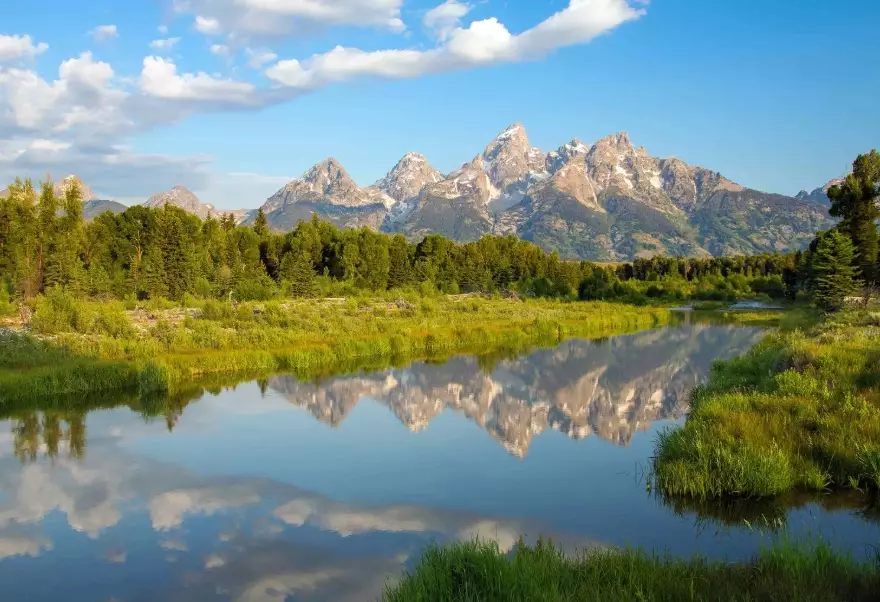
Be brutal with your priorities. You can't see it all. Pick what resonates and give it time.
Answering Your Wyoming National Parks Questions (FAQ)
Final Thoughts Before You Go
Visiting Wyoming's national parks is a privilege. These are landscapes that define the American West. The key to enjoying them is managing expectations. You will encounter traffic. You might not see a bear. It might rain on your big hike day.
But you will also stand in places of profound natural power. You'll smell the sulfur of a geyser basin, feel the spray from a waterfall, and watch a mountain range turn pink in the alpenglow.
Plan well, respect the rules (for your safety and the park's protection), and then be ready to be flexible. The best moments often come from the unplanned stop, the quiet hour spent by a river, or the decision to take that short trail everyone else is driving past.
The national parks in Wyoming aren't just destinations. They're experiences that stick with you. Now you've got the map. Go make your own memories out there.
Just remember to pack the bear spray.