In This Guide
- Why Solo Travel in National Parks is Different (And Better in Some Ways)
- How to Choose Your First Solo National Park Adventure
- Non-Negotiable Safety Tips for Solo National Park Travel
- The Ultimate Solo Travel National Parks Packing List
- Planning Your Solo National Parks Travel Itinerary: A Balanced Approach
- How to Socialize (or Not) on a Solo Trip
- National Parks Solo Travel: Your Questions Answered
Let's be real for a second. The idea of solo travel in national parks can seem equal parts thrilling and terrifying. You've probably seen the perfect Instagram shots – a lone figure on a mountain ridge at sunrise, complete silence, pure freedom. But then your brain starts up with the practicalities. Is it safe? Won't it be lonely? What if I get lost or my car breaks down in the middle of nowhere?
I remember my first solo trip to a national park. I spent weeks over-planning, then second-guessing myself right up until I passed through the park gate. But you know what? It was one of the best travel decisions I've ever made. There's something uniquely powerful about navigating those vast landscapes on your own terms. This guide isn't about selling you a dream; it's about giving you the real, practical toolkit to make your own national parks solo travel adventure not just possible, but deeply rewarding and, above all, safe.
What makes solo travel in national parks so special? It's the ultimate reset button. Your schedule, your pace, your whims. Want to spend three hours watching otters play in a river? Go for it. Feel like turning back a mile into a hike because the weather's shifting? No need to convince a group. It's just you, the trail, and whatever you decide.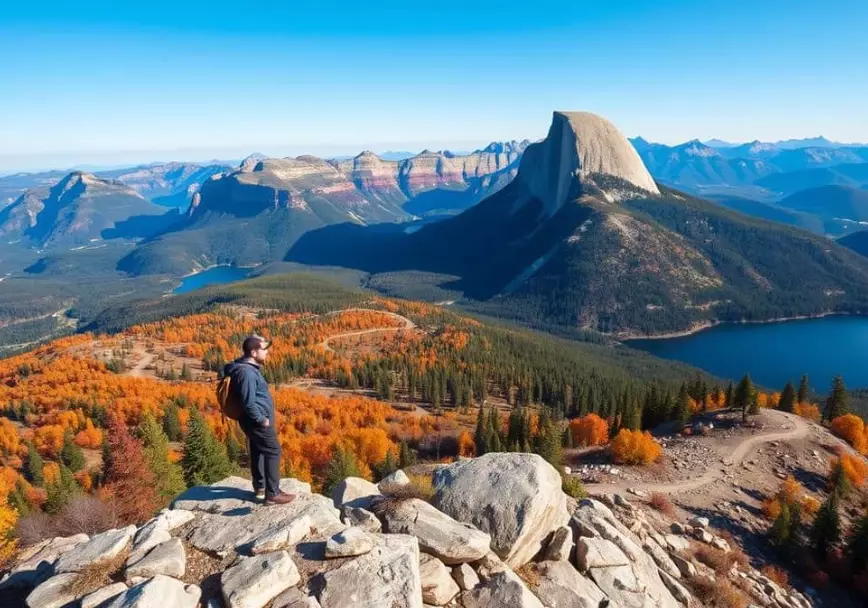
Why Solo Travel in National Parks is Different (And Better in Some Ways)
Traveling with friends or family is great, but it's a different experience. A group trip is often a negotiation. Solo travel is a conversation – with the place, and with yourself. In a national park, that conversation gets amplified. The scale of the scenery has a way of putting things in perspective that's hard to achieve when you're busy coordinating with others.
You become more observant. Without the distraction of conversation, you notice the small things – the way the light filters through the trees at a specific angle, the different bird calls, the scent of pine after rain. Your senses are on full alert, and the experience becomes more immersive.
There's also a huge practical advantage: flexibility. Scoring last-minute camping spots, snagging a single ticket for a popular ranger-led tour, or finding parking for one car is infinitely easier than doing it for a group. During peak season, this flexibility can be the difference between getting into the park and being turned away.
How to Choose Your First Solo National Park Adventure
Not all parks are created equal for a first-time solo traveler. Some are just more forgiving, more accessible, and have a better infrastructure for someone on their own. Picking the right one sets you up for success instead of stress.
For your first foray into national parks solo travel, I'd steer you towards parks with a few key characteristics. Good cell service (at least in developed areas) is a nice safety blanket, even if you plan to disconnect. A well-developed network of front-country hikes – trails that start from main roads or visitor centers – means you're never too far from help or other people if you need it. Parks with established campgrounds that have hosts and regular ranger patrols also add a layer of security.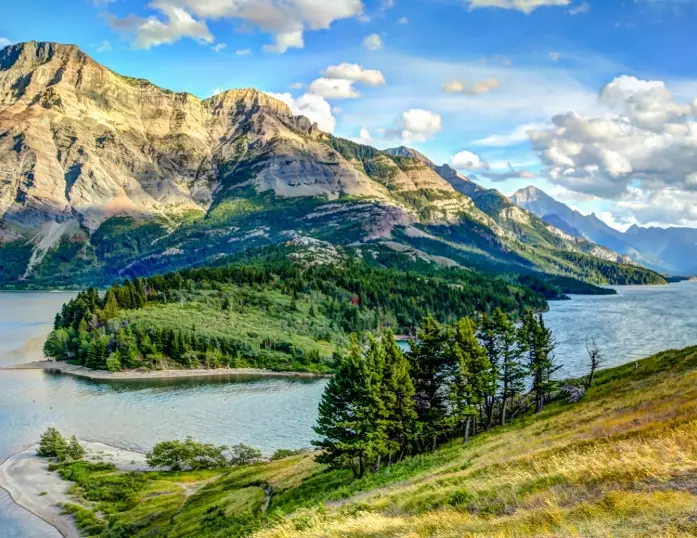
Here’s a quick comparison of some top contenders for a first solo trip, based on accessibility, infrastructure, and solo-friendliness.
| Park | Why It's Great for Solo Travel | Crowd Level & Best Time | Top Solo-Friendly Highlights | Watch Out For |
|---|---|---|---|---|
| Great Smoky Mountains NP | Free entry, massive network of well-traveled trails, many short hikes from Newfound Gap Road, high ranger presence. | Very High (spring-fall). Go on weekdays or in late fall. | Clingmans Dome (paved path), Laurel Falls Trail, driving the Roaring Fork Motor Nature Trail. | Dense fog can appear suddenly, reducing visibility on roads and trails. |
| Zion National Park | Excellent shuttle system eliminates parking stress, many iconic hikes are accessible and well-populated (like Riverside Walk). | Extremely High. Visit in late fall or winter, or arrive at the shuttle before 7 AM. | The Narrows (bottom-up day hike), Watchman Trail, Canyon Overlook Trail. | Flash floods are a real danger. Always check weather at the NPS website before any canyon hike. |
| Rocky Mountain NP | Timed entry system manages crowds, Trail Ridge Road offers stunning views from your car, Bear Lake area has many interconnected, moderate trails. | High (summer). Aim for early morning or get a timed entry permit for afternoon. | Trail Ridge Road drive, hike to Dream Lake or Emerald Lake, wildlife viewing in Moraine Park. | Altitude sickness. Acclimate in Denver or Estes Park for a day first. Weather changes rapidly. |
| Acadia National Park | Compact size, Island Explorer shuttle bus, mix of coastal and mountain scenery, charming nearby town (Bar Harbor). | High (summer/fall). Spring can be muddy and quiet. | Ocean Path, Cadillac Mountain (drive or hike), Jordan Pond Path (popovers at the end!). | Park Loop Road can be congested. Rely on the shuttle. |
| Olympic National Park | Incredible diversity (rainforest, coast, mountains) in one park, many short, accessible trails in the Hoh and Quinault. | Moderate-High (summer). Rainy season (Oct-Apr) is lush but very wet. | Hoh Rain Forest Hall of Mosses Trail, Ruby Beach, Hurricane Ridge (check road status). | Vast and spread out. You'll do a lot of driving between regions. Check road conditions, especially for Hurricane Ridge. |
On the other hand, I'd probably save parks like Gates of the Arctic (no roads), Denali (vast wilderness, limited infrastructure), or even some of the more remote corners of Yellowstone for a later solo trip, once you've built confidence and experience. The goal for your first time is to build positive momentum, not to test your survival skills to the limit.
Non-Negotiable Safety Tips for Solo National Park Travel
This is the part you can't skip. Safety isn't about living in fear; it's about stacking the odds so overwhelmingly in your favor that you can relax and enjoy the experience. For solo travel in national parks, your safety net is what you create before you even leave home.
The Sacred Itinerary Share
This is rule number one. Before you leave cell service, tell someone reliable exactly where you are going and when you expect to be back. I'm not talking about "going to Yosemite." I'm talking about: "Hiking the Mist Trail to Vernal and Nevada Falls, starting from trailhead parking at 9 AM, expecting to be back at my car by 3 PM, and will text you by 4 PM."
Then, you must stick to it. If you change your mind and decide on a different trail, you turn around, find a sliver of cell service, and send a text update. If that's impossible, you stick to the original plan. This single habit is the most important one for any solo hiker. The U.S. Forest Service emphasizes this as a cornerstone of wilderness safety.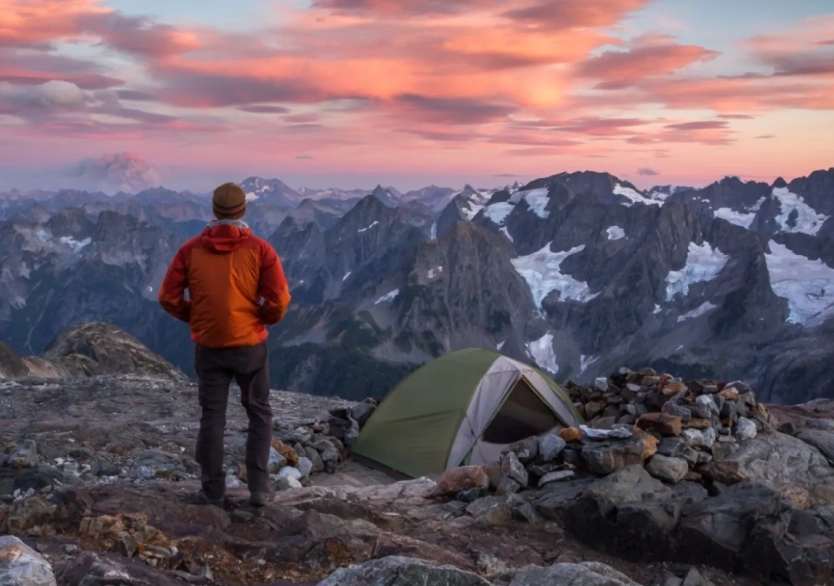
Gear is Your Best Friend
When you're alone, your gear isn't just stuff; it's your backup plan. You need to be prepared for the specific environment and for things to take longer than expected. The classic "Ten Essentials" list is your bible, but for solo travel, I'd add a few twists.
Navigation: A physical map and compass, and know how to use them. Your phone/GPS can die, get wet, or lose signal. I always carry a paper map of the area I'm hiking, often available for free at visitor centers.
Light & Communication: A headlamp with extra batteries (not just a flashlight). A fully charged power bank for your phone. Consider a personal locator beacon (PLB) or satellite messenger (like a Garmin inReach) for remote backcountry solo travel. It's an investment, but for true peace of mind in the backcountry, it's worth it.
First Aid & Shelter: A more robust first-aid kit than a few band-aids. Include blister care, pain meds, and any personal meds. An emergency space blanket or lightweight bivy sack is cheap, tiny, and could be a lifesaver if you're immobilized overnight.
The Wildlife Reality Check
This is a huge concern for people considering national parks solo travel. The truth is, wildlife attacks are extremely rare. You're in far more danger driving to the park. But, you are a guest in their home, and solo travelers need to be extra vigilant because there's no one else to share the responsibility.
Bears: In bear country (like Glacier, Yellowstone, Grand Teton, Smokies), carry bear spray. Know how to use it – and I mean actually take it out of the holster and practice the motion. Keep it accessible, not buried in your pack. Make noise on the trail, especially in areas with low visibility like brush or near streams. Talking to yourself, singing badly, or occasionally clapping is perfect. Most bears want to avoid you; you just need to let them know you're coming.
Moose & Bison: These are often more dangerous than bears because people underestimate them. They are huge, fast, and unpredictable. Give them a wide berth. Use your zoom lens. A bison may look docile, but it can charge in an instant. Every year, people get gored because they get too close for a photo. Don't be that person.
The National Park Service's wildlife watching guidelines are not suggestions; they are rules born from tragic incidents. Follow them religiously.
The Ultimate Solo Travel National Parks Packing List
Packing for one is simpler, but every item carries more weight (figuratively and literally). Here’s my categorized, battle-tested list.
Safety & Navigation (The Essentials)
- Fully charged phone + large capacity power bank: Put it in airplane mode to save battery, but keep it ready.
- Paper map & compass: And the knowledge to use them.
- Headlamp: With extra batteries. Sunset waits for no one.
- Bear spray: If in relevant parks. Check airline rules if flying.
- Whistle: Tied to your pack strap. Three blasts is the universal distress signal.
- Small first-aid kit: Include moleskin for blisters, antiseptic wipes, bandages, tweezers, and any personal medication.
- Emergency shelter: A space blanket or emergency bivy.
- Multi-tool or pocket knife.
Clothing & Footwear (Layering is Everything)
- Moisture-wicking base layers: Merino wool or synthetic. Cotton kills (it loses insulation when wet).
- Insulating mid-layer: Fleece or down puffy.
- Weatherproof shell: A rain jacket and rain pants. Mountain weather is fickle.
- Sturdy, broken-in hiking boots or shoes.
- Wool/synthetic socks: Multiple pairs. Change them mid-hike on long days to prevent blisters.
- Wide-brimmed hat, sunglasses, and gloves: Even in summer, mornings can be cold.
Comfort & Convenience (The Mental Health Kit)
- Hydration system: Water bottles or a hydration bladder. Plan for more water than you think you need. I carry a Sawyer Mini water filter as a backup to purify stream water if necessary.
- High-energy snacks: Trail mix, bars, jerky. More than you think. Hunger leads to bad decisions.
- Sunscreen and bug spray: Reapply often.
- Small notebook and pen: For jotting down thoughts, trail names, animal sightings.
- A real book or downloaded podcasts: For evenings at camp when the silence feels a bit too loud.
- Comfort item: For me, it's a specific brand of tea bags. A little piece of home ritual at the end of a long day.
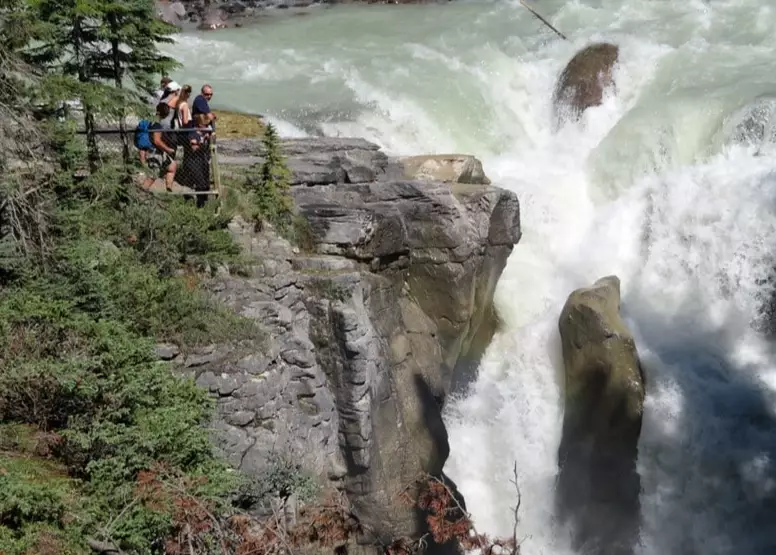
Planning Your Solo National Parks Travel Itinerary: A Balanced Approach
The beauty of solo travel is the lack of committee meetings. But without any structure, you can end up wasting time or feeling adrift. The key is to plan a framework, not a minute-by-minute schedule.
Start with the Must-Dos: Pick one or two key activities per day. A major hike in the morning, a scenic drive or visitor center visit in the afternoon. Don't pack every day from dawn to dusk. You'll burn out. Schedule in literal downtime – reading at your campsite, sitting by a river with a snack.
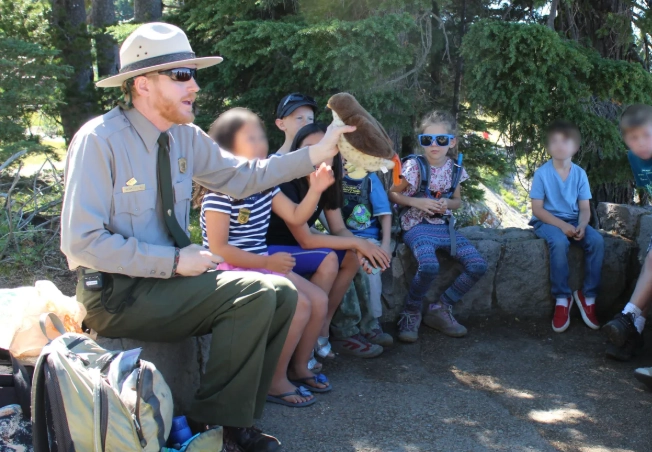
Embrace the Ranger Programs: These are a solo traveler's secret weapon. Ranger-led talks, walks, and evening programs are not only educational and fun, but they're also a low-pressure way to be around people for a bit if you're feeling the solitude. You can participate as much or as little as you want. Check the park's newspaper or website for schedules.
Plan for Logistics: Where will you get gas? Which grocery store has the best resupply options? What are the park's entrance station hours? Knowing these things reduces on-the-ground stress. For popular parks, book your accommodations (campground or lodge) as far in advance as humanly possible. Solo spots can disappear just as fast as group sites.
Build in Flexibility: What's your Plan B if your dream hike is socked in with fog or the trail is closed due to bear activity? Have a couple of shorter, lower-elevation, or forested trail options in your back pocket. Some of my best park discoveries have been on Plan B days.
How to Socialize (or Not) on a Solo Trip
Let's talk about the elephant in the room: loneliness. It might happen. Especially on a longer trip, or on a rainy afternoon in your tent. That's normal.
Honestly, sometimes the best part is having no one to answer to. But if you do want some human interaction, national parks are surprisingly social places in a transient, easy-come-easy-go kind of way.
- Campgrounds: Campground hosts are often friendly fonts of local info. Neighbors might chat while doing dishes at the shared sink. A simple "Great weather today" can lead to a nice exchange about hikes.
- On the Trail: A nod, a smile, a quick "how's it going" to passing hikers is customary and breaks the monotony. You might get a great tip about a viewpoint just ahead.
- Visitor Centers & Lodges: Sitting in a lodge lobby with a coffee, you'll overhear all kinds of travel stories. It's people-watching at its most scenic.
The key is that the interaction is optional and brief. There's no obligation to form a lasting friendship. It's just enough to remind you that you're part of a community of adventurers, even if you're exploring alone.
National Parks Solo Travel: Your Questions Answered
The path is yours to walk.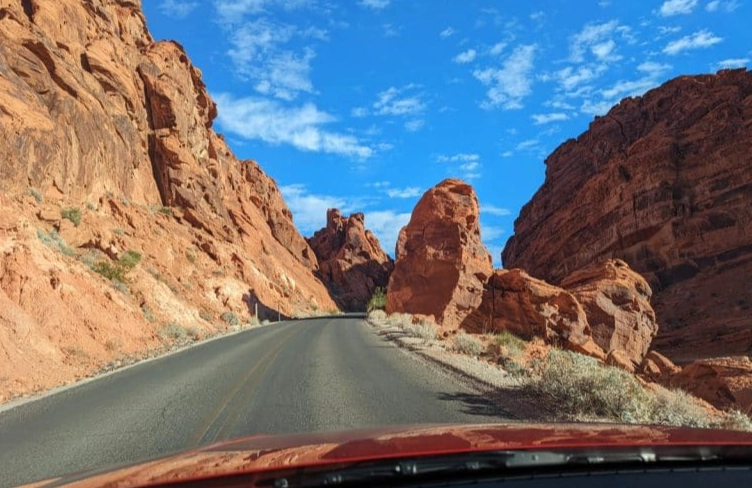
National parks solo travel isn't for everyone, but if you've felt the pull, it's likely calling for a reason. It's a challenge that rewards preparation with profound freedom. It teaches self-reliance, deepens your connection to the natural world, and gives you stories that are entirely your own. Start small, plan smart, respect the power of the wilderness, and go have your own adventure. You might just discover that the person you're most excited to travel with is yourself.
Remember, the goal isn't to conquer the park, but to experience it, on your own two feet, at your own pace. That's the real magic of hitting the trail alone.