Let's get one thing straight: a trip to a national park doesn't have to mean a luxury vacation. You don't need to drop a fortune on a fancy lodge or eat every meal at a restaurant. Some of my most memorable park experiences cost very little. The grandeur is free—you're paying for access and convenience. Your goal is to minimize those costs without sacrificing the experience.
It's about working smarter. I've made the mistake of booking the "easy" option inside the park and watched my budget vanish. I've also planned trips where the biggest expense was gas. The difference was strategy.
Your Quick Guide to Saving Money
How to Plan Your Budget National Park Trip
This is where you win or lose. Rushing leads to expensive, last-minute choices.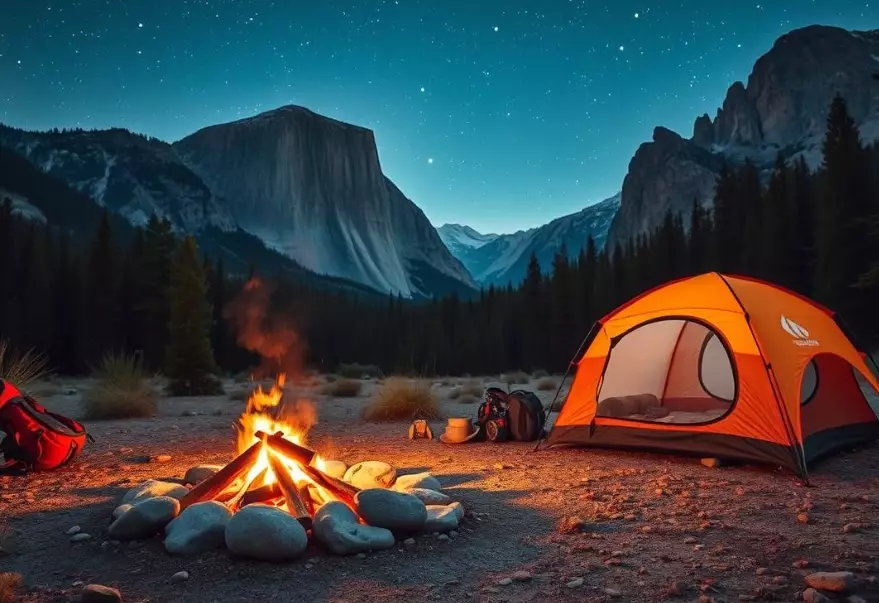
Pick Your Season Wisely. Summer is expensive. Everyone's there. Hotels near parks know this. Aim for the shoulder seasons—late spring (April-May) and early fall (September-October). The weather is still good, crowds are down, and prices for lodging outside the park drop. Want a real deal? Consider winter. Places like Yellowstone or Rocky Mountain National Park in winter are magical and cheap, but you need to be prepared for snow and closed roads. Check the National Park Service website for seasonal details.
Be Flexible with Dates. A Tuesday-to-Thursday trip will always be cheaper than Friday-to-Sunday. Campsites and motels have weekday rates.
Set a Realistic Budget. Break it down: transportation (gas/flights, rental car), lodging, food, park fees, and a small buffer for surprises. Knowing your number keeps you honest.
How to Save on Transportation
Getting there is often your biggest fixed cost.
If You're Driving
Gas is the main expense. Use apps like GasBuddy to find cheaper fuel outside major tourist areas. Keep your tires properly inflated and avoid rooftop boxes to improve mileage. Carpooling with friends is the ultimate hack—splitting gas and lodging costs cuts everything in half.
If You're Flying
Look at smaller regional airports near your destination; sometimes they're cheaper. Be flexible with your travel dates. Always book your rental car way in advance—prices skyrocket near national parks during peak season.
How to Find Cheap Lodging & Campsites
This is your biggest opportunity to save. Staying inside the park is convenient but rarely budget-friendly.
Camping is King. It's the cheapest way to sleep. But park campgrounds book up months in advance on recreation.gov. If they're full, look outside the park.
- National Forests & BLM Land: Often surround national parks. Dispersed camping (free, primitive camping) is usually allowed. No facilities, but it's free. Check the forest service website for rules.
- State Park Campgrounds: Frequently located just outside the national park boundary. They are cheaper and easier to book.
Budget Motels & Chains: Towns like West Yellowstone, Gatlinburg (for Great Smoky Mountains), or Moab (for Arches) have them. They're not glamorous, but they're clean and affordable. Book directly with the hotel for possible discounts.
Consider Alternative Lodging. Look for hostels (yes, they exist near parks!), or check peer-to-peer sites for rooms in local homes, which can be cheaper than entire houses.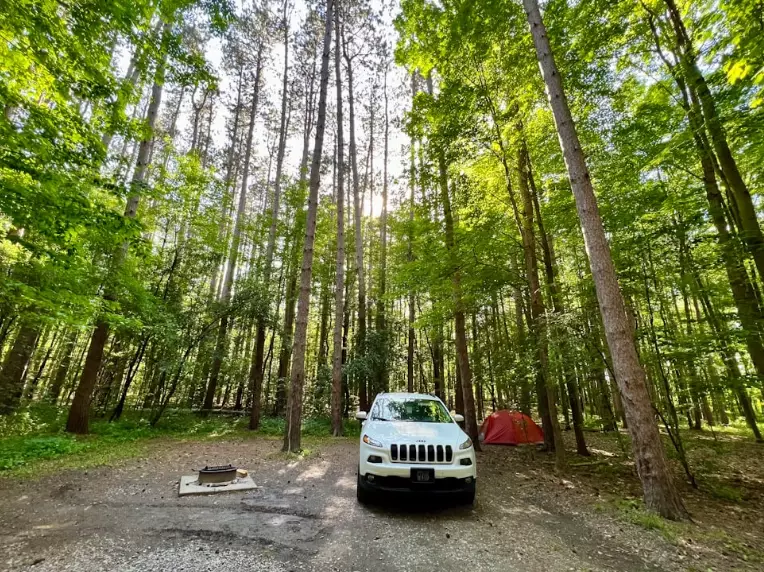
| Accommodation Type | Avg. Cost Per Night | Best For | Booking Tip |
|---|---|---|---|
| Park Campground (Tent) | $20 - $30 | Early planners, convenience seekers | Book 6 months ahead on recreation.gov |
| Dispersed Camping (NF/BLM) | FREE - $10 | Adventurous, self-sufficient travelers | Use apps like FreeRoam to find spots |
| State Park Campground | $15 - $25 | Budgeters who want facilities | Often have last-minute availability |
| Budget Motel (outside park) | $80 - $120 | Non-campers, families, shoulder season | Call directly for possible discounts |
| Park Lodge Room | $200 - $400+ | Those prioritizing location over cost | Book a year in advance for popular parks |
How to Save on Food & Drink
Park restaurants and general stores are notoriously expensive. A simple sandwich can cost $12.
Pack Your Own Food. This is non-negotiable for budget travel. Before you enter the park, hit a grocery store in a nearby town. Buy bread, peanut butter, jelly, fruit, nuts, granola bars, and easy-to-eat vegetables. Pack a cooler with drinks, cheese, and cold cuts.
Make Lunch Your Main Meal. Have a big picnic lunch in the park. For dinner, you can cook something simple at your campsite or motel, or get a cheaper meal in town. Eating one meal a day at a restaurant instead of three makes a massive difference.
Bring Reusable Water Bottles. Never buy bottled water in the park. Fill up at visitor centers, campgrounds, or designated water stations. It's free and reduces plastic waste.
How to Save on Park Fees & Activities
Get the America the Beautiful Pass. If you visit more than two parks in a year, this $80 annual pass pays for itself. It covers your entrance fee at all national parks and federal recreational lands. A single vehicle entry to Yellowstone is $35, so just two visits almost covers the cost. It's the best investment you can make.
Look for Free Entrance Days. The National Park Service offers several free entrance days throughout the year. Plan your trip around these dates to save the per-vehicle cost.
Skip Expensive Tours. Ranger-led programs are almost always free and fantastic. Download free audio tours or use the NPS app for self-guided hikes. You don't need a $100 guided tour to enjoy the scenery.
How to Save on Gear & Equipment
You don't need top-of-the-line gear for a casual park trip.
Rent or Borrow. Need a tent, sleeping bags, or a cooler? Ask friends or family first. Many outdoor retailers offer rental programs for camping gear.
Shop Secondhand. Check online marketplaces or thrift stores for quality outdoor clothing and gear. A used rain jacket or hiking boots are perfectly fine.
Pack Smart. You don't need special "hiking" clothes. Comfortable, moisture-wicking athletic wear and broken-in sneakers or trail runners are often enough for most day hikes.