You know the feeling. You've driven for hours, waited in line at the entrance station, and finally you're standing at the railing of a famous overlook. The view is stunning, absolutely. But you're sharing it with fifty other people, their selfie sticks and chatter pulling you out of the moment. The quest for a genuine, quiet connection with nature in our most iconic parks feels increasingly like a relic. It doesn't have to be.
The truth is, every major national park holds a parallel universe of quiet trails, hidden viewpoints, and subtle wonders just beyond the pavement. These aren't "secret" in the sense that nobody knows about them—the park rangers do, and a handful of repeat visitors. They're secret because they demand a little more effort, a different kind of curiosity, and a willingness to trade convenience for solitude.
Finding them transforms a trip from a checklist of photo-ops into a personal adventure. I've spent over a decade exploring parks from Acadia to Zion, and the moments I remember most never made it to a park brochure. They happened on unmarked social trails, in silent groves away from the parking lot chaos, and at viewpoints with no signs pointing the way.
Your Quick Trail Map to Hidden Adventures
Three Secret Spots You Can Actually Plan For
Let's get specific. Here are three lesser-known locations in iconic parks. I'm including the logistical details most articles gloss over because you need them to actually go.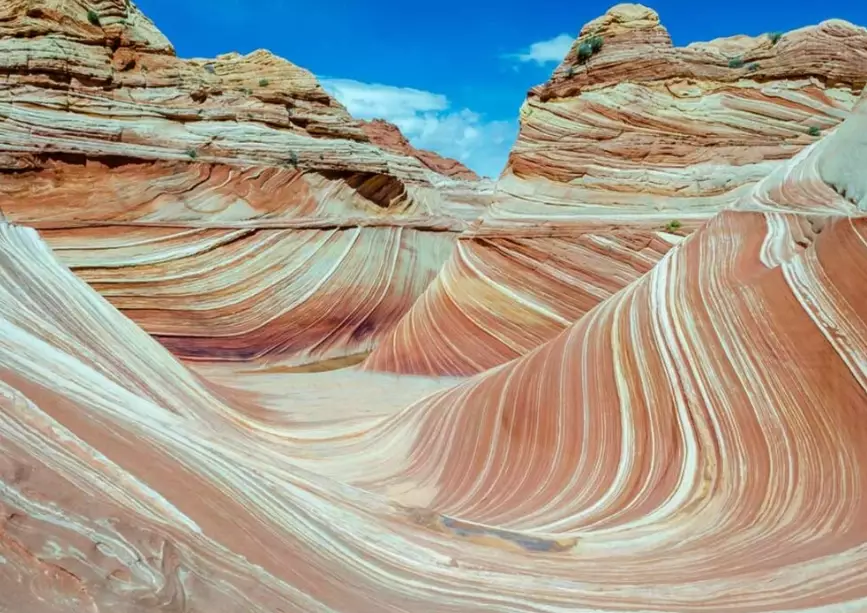
| Park & Spot Name | What Makes It Special | Key Access Details |
|---|---|---|
| 1. Grand Canyon National Park: Shoshone Point | A secluded, undeveloped peninsula jutting into the canyon. No guardrails, often completely empty. The perfect sunrise or picnic spot without the South Rim crowds. | Trailhead: Unmarked pullout on Desert View Drive (milepost 246.5). Look for a metal gate and a dirt road. Hike: 1.0 mile (one-way) flat, wide dirt road through the forest. Fee: Standard park entrance fee ($35/vehicle). No additional cost. Tip: The gate is locked except for day use. If a wedding is booked (it's a popular spot), you're out of luck. Call the South Rim Backcountry Information Center to check. |
| 2. Zion National Park: The Hidden Canyon (Upper Section) | Everyone hikes the strenuous, chain-assisted trail to the mouth of Hidden Canyon. Almost nobody continues up the canyon itself, which involves easy scrambling and leads to intimate alcoves and quiet pools. | Trailhead: Weeping Rock shuttle stop (Shuttle #7). Start on the official Hidden Canyon Trail. Hike: 2.5 miles (one-way) to canyon mouth, then 0.5-1 mile of off-trail exploration. Strenuous with exposure. Fee: Park entry + mandatory shuttle ticket in peak season. Critical Note: This is an off-trail, technical route requiring good judgment. Do not attempt if the official trail is closed (often due to rockfall) or during/after rain. Check conditions at the Zion NP website. |
| 3. Great Smoky Mountains NP: Spruce Flat Falls | A beautiful, multi-tiered waterfall absent from the official park map. It's quieter than the popular Laurel Falls because the trail isn't paved or signposted. | Trailhead: Behind the Great Smoky Mountains Institute at Tremont. Park in the Tremont Institute lot. Hike: 1.0 mile (one-way) moderate climb on a well-defined but unofficial trail. Fee: None. Great Smoky Mountains has no entrance fee. Getting There: From Townsend, TN, follow Tremont Road to the end. Be respectful of the institute's property. |
These spots offer a template. They're not front-page attractions, but they're accessible with some planning. The real magic starts when you learn the mindset to discover places like this on your own.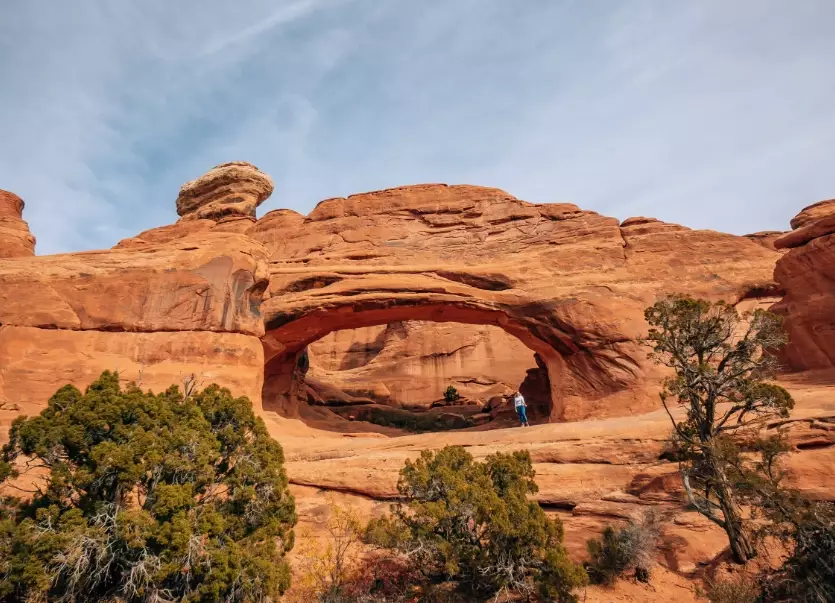
How to Find Your Own Hidden Gems (The Real Method)
Forget sketchy online forums with GPS coordinates. The best method is a blend of old-school research and on-the-ground intuition.
Start with the right maps. The National Park Service publishes "topographic" or "trails illustrated" maps for most parks. These show contour lines, seasonal streams, and old fire roads that don't appear on the free visitor map. I was in Joshua Tree once, staring at the topo map, and noticed a thin, unnamed wash leading away from a crowded area. A two-mile walk down that wash revealed a silent canyon of sculpted rock, completely alone. The visitor map just showed blank space.
Talk, but talk to the right people. Asking a ranger at the busy visitor center desk "where's a secret spot?" will get you a polite smile and a brochure. Instead, try this. Go to the backcountry desk or a smaller ranger station later in the afternoon. Ask a specific, low-pressure question: "I'm looking for a place to watch the sunset away from [Famous Overlook]. Are there any old service roads or shorter trails on the [West] side that get less traffic?" This shows you've done homework and respect their role.
The most valuable resource is often other experienced hikers you meet on the trail, not online. A conversation at a trail junction has yielded more reliable beta for me than any blog post.
A Pro Tip Most Miss: Study the park's official website for closures and alerts. A closed trail is often a goldmine of information. Why is it closed? Rockfall? Wildlife activity? Habitat restoration? That tells you there's something sensitive—and likely very special—back there. It also means when it reopens (sometimes years later), you'll be among the first to know about a trail that's fallen off the public radar.
Use technology wisely, not blindly. Apps like Gaia GPS or CalTopo let you overlay satellite imagery on topo maps. Look for clearings at the end of faint trails, interesting rock formations away from marked paths, or bends in a river that aren't accessible from a main road. Then, cross-reference. Does the Park Service website mention this feature? Is there any indication of cultural or ecological sensitivity? If it looks promising and seems permissible, you've got a candidate.
What to Look For on the Map
Unnamed peaks or knobs near a road. A short spur trail leading off a major loop. The words "old ranch road" or "social trail." A longer route to a popular destination—the path less traveled is almost always quieter and more interesting.
Exploring Secret Spots Responsibly: The Non-Negotiables
This is where most "secret spot" guides fail spectacularly. Revealing a fragile place without the crucial context of how to protect it is irresponsible. Our desire for solitude cannot trump the park's mission of preservation.
Leave No Trace isn't a suggestion here; it's the law of the land. In an unofficial area, there are no maintenance crews. Pack out every scrap, including toilet paper. Stay on durable surfaces like rock, sand, or established game trails. Never build cairns or "trail markers"—you're not helping, you're creating visual pollution and potentially leading others astray.
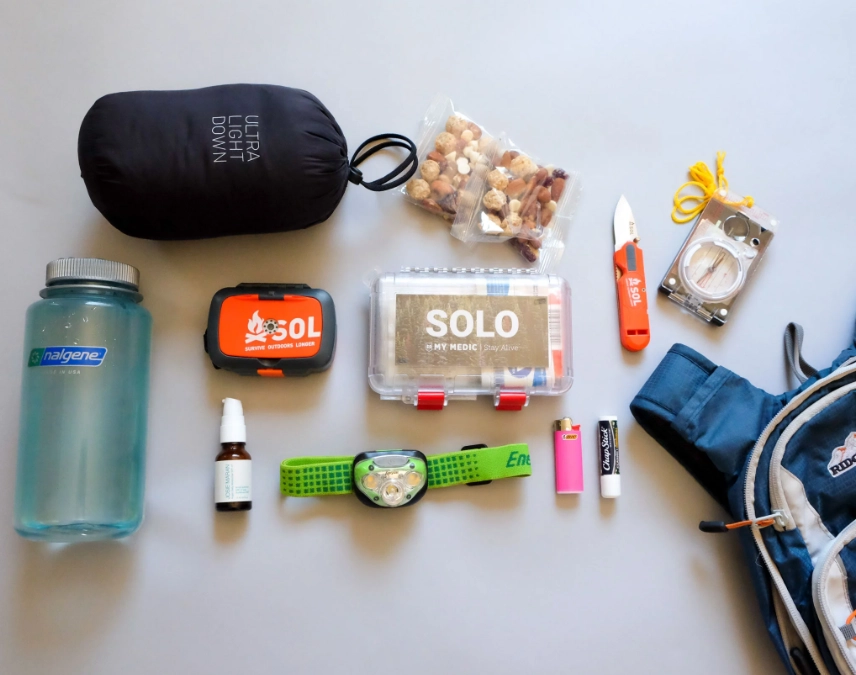
Your safety is 100% your responsibility. Cell service is nil. Help is far away. Tell someone your exact plan ("hiking up the unnamed wash south of Skull Rock in Joshua Tree, expected back by 4 PM"). Carry the Ten Essentials, especially extra water, a physical map, and a headlamp. Turning an ankle a mile off-trail becomes a major survival situation fast.
Know when to turn back. That faint trail petering out into a steep scree slope? That's the park saying "this isn't the way." The goal is discovery, not conquest. The biggest mistake I see is people pushing past clear environmental or safety limits just to bag a "secret" spot. The best explorers are the ones who live to explore another day.
Your Hidden Park Questions, Answered
The pursuit of secret spots isn't about hoarding knowledge or being an elite explorer. It's about reclaiming a sense of scale and intimacy in landscapes that can feel overwhelmingly grand and public. It's about the rustle of leaves you can actually hear, the view you don't have to jostle for, and the story that becomes uniquely yours. Start with a good map, a dose of humility, and the resolve to leave no trace. The parks are waiting to share their quieter side.