In This Guide
Let's be honest. We all love the idea of a grand national park adventure, but those entrance fees can add up, especially for a family. A carload into Yellowstone? That's $35. Just you heading into Arches? Still $30. It makes you think twice.
But what if I told you there are perfectly legitimate, official ways to walk into these places without handing over a cent at the gate? I'm not talking about sneaking in at 5 am. I mean planned, scheduled, government-sanctioned free days at national parks.
It's true. And I've used them myself.
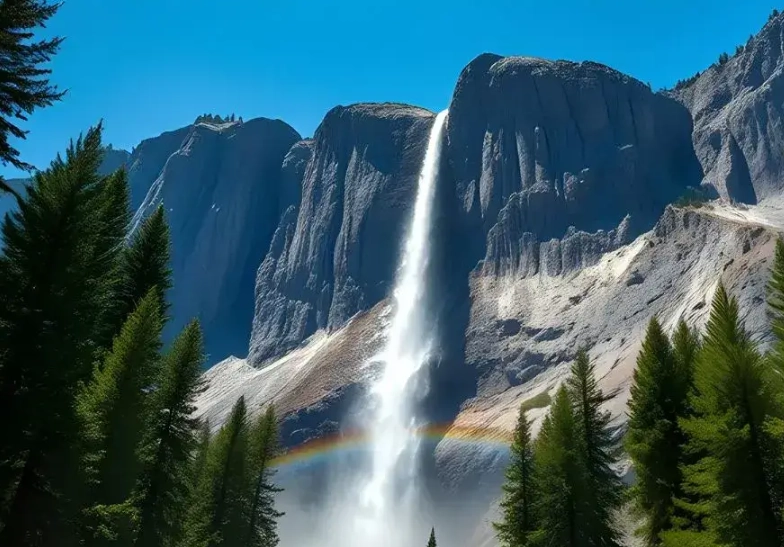
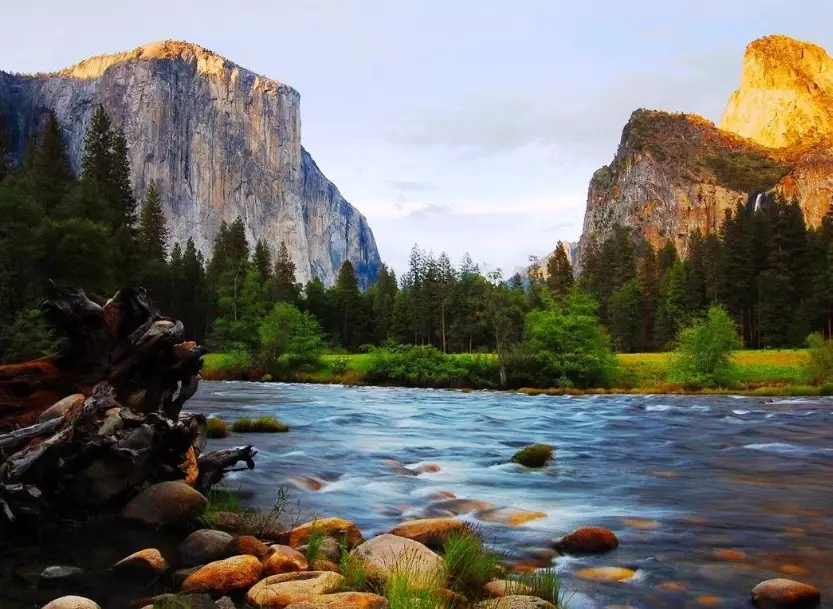
The first time I tried a free national park day, I went to Yosemite. Mistake. Well, a beautiful mistake. The valley was a parking lot. I spent more time looking for a spot than at El Capitan. That experience taught me that free access needs a strategy. It's not just about showing up.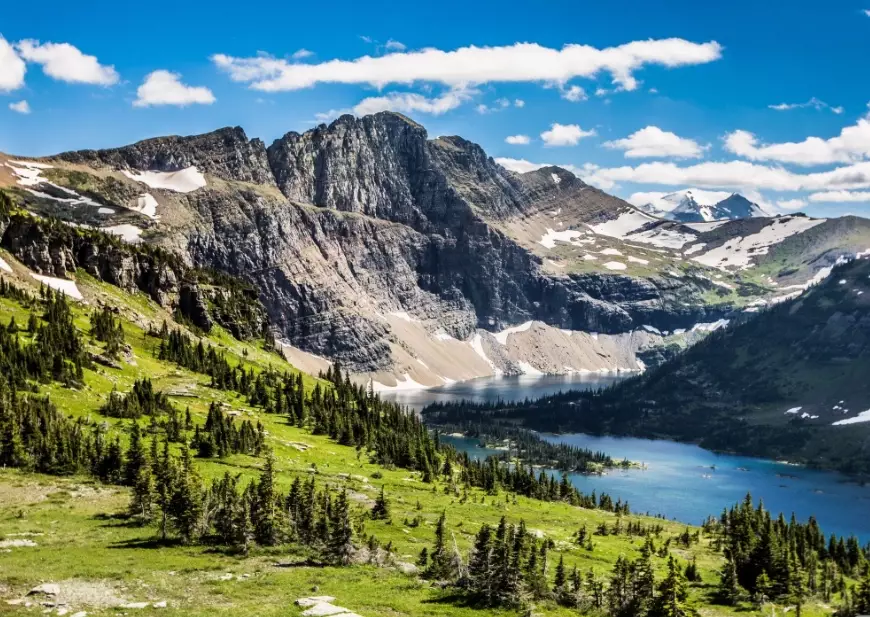
This guide is what I wish I had known then. We'll dig into the exact dates you can get in for free, the fine print nobody tells you about, and how to actually enjoy the experience without getting crushed by the crowds. Because a free national parks day shouldn't feel like a Black Friday sale for nature.
The Official Free Entrance Days: Your Calendar of Opportunity
This is the big one. The National Park Service (NPS) sets aside several days each year where all fee-charging parks waive their entrance fees. I always check the official NPS Fee-Free Days page to confirm, as dates can sometimes shift slightly. It's the most reliable source.
These days are usually tied to holidays or significant events that encourage people to get outside. Here’s the typical lineup you can expect every year:
| Date / Holiday | What It's About | Pro Tip / What to Expect |
|---|---|---|
| Martin Luther King Jr. Day (January) | Day of service. A quiet, often cold time to visit southwestern parks. | Crowds are lighter. Perfect for desert parks like Saguaro or Joshua Tree. Bundle up! |
| First Day of National Park Week (April) | Kicks off a week of celebrating parks. Usually the third Saturday in April. | This one can be busy. Spring weather is unpredictable—check for road closures in mountain parks. |
| Juneteenth National Independence Day (June 19) | Commemorates emancipation. A newer addition to the list. | Early summer. Gets hot in low-elevation parks. Aim for higher-elevation spots or go early in the day. |
| Great American Outdoors Act Anniversary (August 4) | Celebrates the act that funds park maintenance. | Peak summer. Expect maximum crowds at iconic parks. Seriously, consider lesser-known ones. |
| National Public Lands Day (Fourth Saturday in September) | Largest volunteer day for public lands. A fantastic ethos. | My favorite. Crowds thin after Labor Day, weather is often glorious. Best balance, in my opinion. |
| Veterans Day (November 11) | Honors military veterans. | Fall colors in some, early snow in others. A transitional, beautiful, and less crowded time. |
Remember, "free entrance" means just that—the fee to get your car or yourself through the entrance station is waived. It does not mean everything inside is free. Camping, tours, concessions, and parking at specific trailheads (like the famous Angels Landing shuttle in Zion) still cost money. Don't get caught out.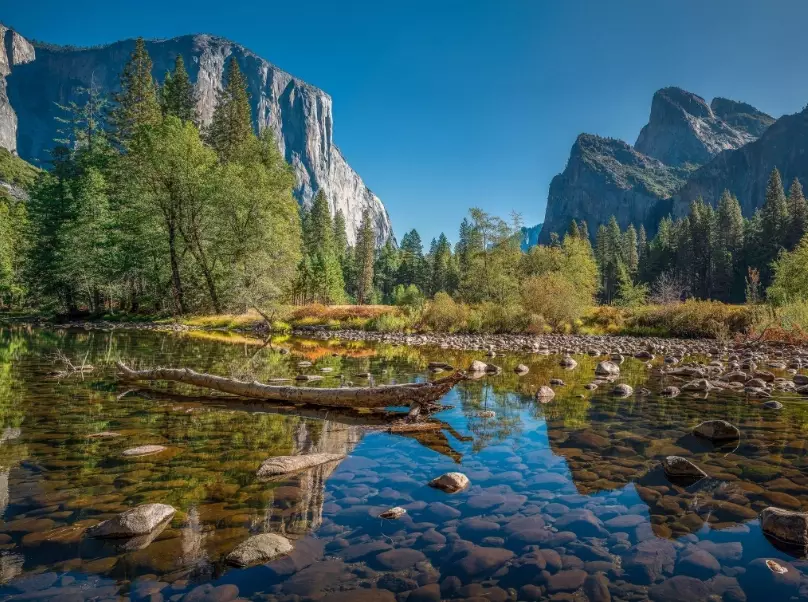
Heads up: Some parks that normally charge a fee are run by concessioners or have unique agreements. Places like Niagara Falls State Park or some parts of the National Lakeshores might not always participate in every single free day. It's rare, but a quick call to the park you're targeting never hurts.
Beyond the Calendar: Other Ways to Score Free National Park Access
If your schedule doesn't line up with the six free days, don't sweat it. There are other paths to free national parks access, and some are even better because they give you flexibility.
The America the Beautiful Pass (The "Just Buy It" Strategy)
This is the king of passes. For $80, it covers entrance fees for you and your passengers (up to 4 adults) at all federal recreation lands for a full year. If you plan to visit more than three major parks in a year, it pays for itself instantly.
Think about it: Yellowstone ($35), Grand Teton ($35), and Rocky Mountain ($35) already put you at $105. The pass is a no-brainer. You can get it online or at any federal recreation site.
But here's the real hack for free access: several groups get this pass for free.
Free Lifetime Pass for Specific Groups
The NPS offers free lifetime passes to certain individuals. This isn't a loophole; it's a thank you. You need to apply in person at a federal recreation site with the right documentation.
- U.S. Military (Current & Veterans): Active duty and veterans get a free pass. It's one of the best benefits out there. You need a CAC card or DD Form 214.
- U.S. Citizens with Permanent Disabilities: A doctor's note or other official documentation confirming a permanent disability qualifies you.
- Fourth Grade Students (Every Kid Outdoors): This is brilliant. Every U.S. 4th grader (or home-school equivalent) can get a free annual pass for their family. The student must complete a short activity online and present the paper voucher at a park. It gets the whole family in. Details are on the Every Kid Outdoors website.
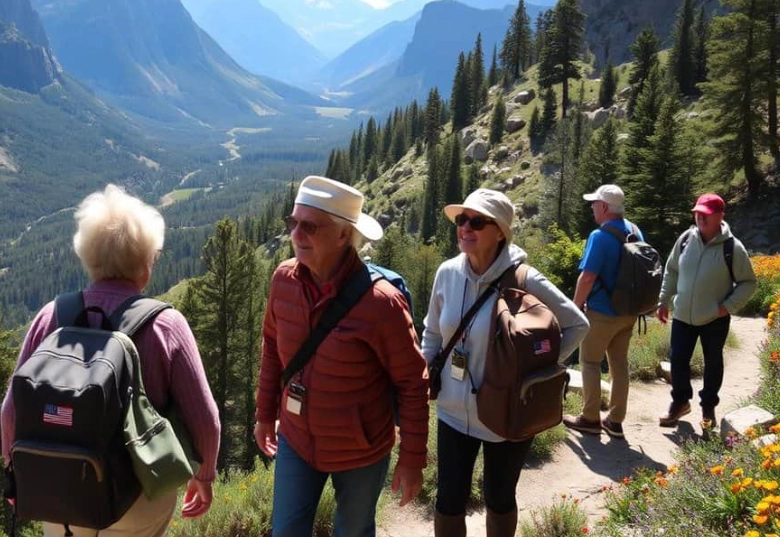
- U.S. Senior Citizens (62+): While not free, the $20 annual or $80 lifetime Senior Pass is a massive discount. For frequent older visitors, it's essentially free after a couple of visits.
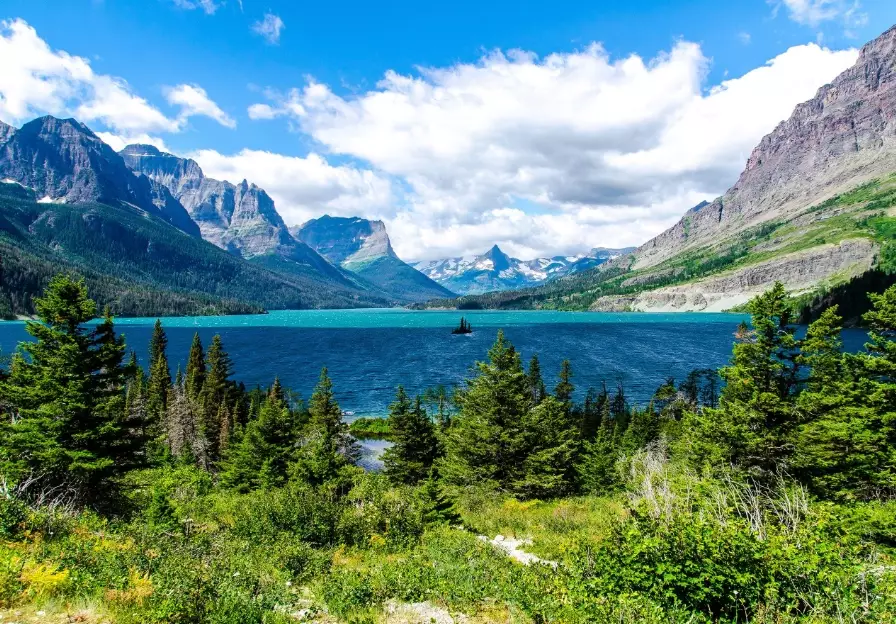
I helped my dad get his Senior Pass at a local national forest office. The process was simple, and the look on his face when he realized his upcoming road trip was now basically free was priceless. These passes are genuinely valuable.
The "Free Park" Shortlist
This is the simplest method of all: go to a park that never charges an entrance fee. The majority of National Park Service units (over 2/3!) are free year-round. We obsess over the big names, but some absolute gems are always free.
You want a list? Here are a few stellar, always-free national parks and sites:
- Great Smoky Mountains National Park: The most visited park in the system, and it's always free. It's crowded for a reason—it's stunning.
- National Monuments & Historic Sites: Think Devils Tower, Fort Point in San Francisco, or the Statue of Liberty (though the ferry isn't free). History without the fee.
- National Seashores & Lakeshores: Places like Cape Hatteras, Cape Cod, or Sleeping Bear Dunes. Beach day, sorted.
- Many National Recreation Areas: Perfect for water activities.
The trick is to shift your mindset from "Which famous park can I get into for free?" to "Which amazing, free national park site have I been overlooking?" The options explode.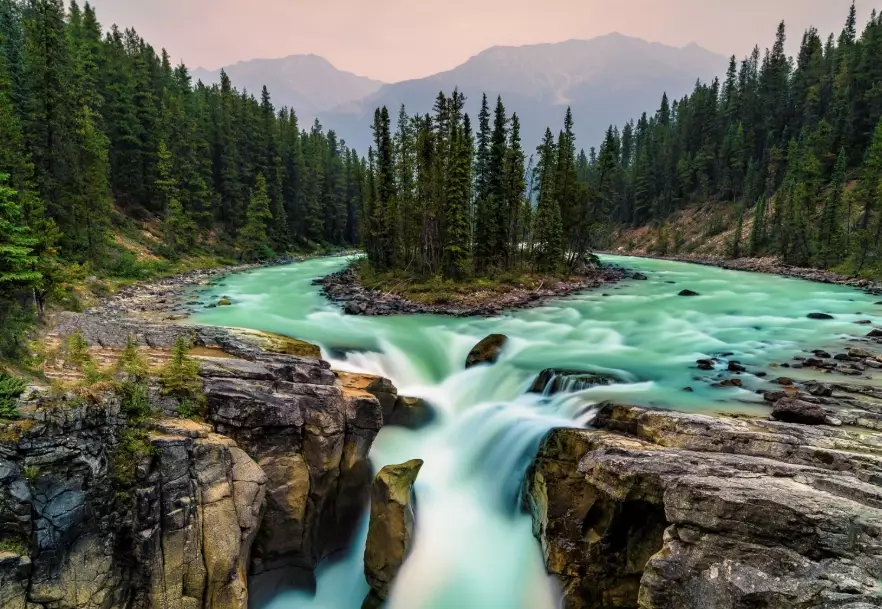
Making Your Free National Park Day Actually Enjoyable
Alright, let's get tactical. You've picked a free day. How do you avoid my Yosemite parking lot fiasco?
Embrace the Dawn (or Dusk): This is non-negotiable. Aim to be at the gate an hour before it officially opens. Rangers often start waving people through early. You'll get a parking spot, quiet trails, and the best light. The crowds roll in between 10 am and 2 pm. Be done with your main hike by then.
Target the "Second Best" Park: Everyone on the free day is heading to Zion, Yellowstone, and the Grand Canyon. What's an hour away? For Grand Canyon, consider Sunset Crater or Wupatki National Monuments. Near Zion? Check out Cedar Breaks or the always-free Red Cliffs Recreation Area. You'll have a better experience.
Prepare for Full Facilities: Assume the visitor center bathrooms will have lines. Pack your own lunch, water, and snacks. Fill your gas tank before you enter the park. Treat it like a self-sufficient expedition.
Have a Backup Plan: If you pull up to the entrance and the line is 50 cars deep, just… leave. Have a Plan B. A nearby national forest, a state park, a scenic drive. Don't waste your day off stewing in traffic. Flexibility is the key to joy on free national park days.
My Personal Rule: I now use free days to scout parks. I go in with low expectations, maybe just do a scenic drive and a short, popular trail. If I love it, I note it for a future, paid, quieter visit during the week. It turns the free day into a productive reconnaissance mission.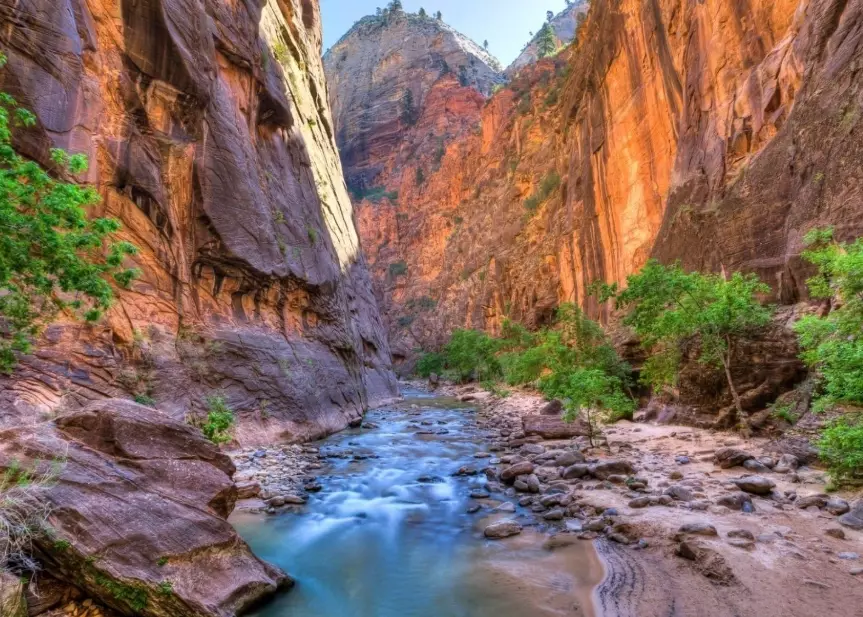
Answers to the Questions You're Actually Asking (FAQ)
Let's tackle the real-world stuff that pops up when you're planning.
Wrapping It Up: A Realistic Take
The opportunity to experience free national parks is a genuine gift. It removes a financial barrier and gets people outside. I'm all for it.
But I'll give you my honest, slightly negative opinion: the system can feel a bit backwards. The days they choose are often holidays when families are already off work, leading to crushing congestion at the most famous spots. It sometimes feels like they're creating a problem (overcrowding) to solve another (access).
That's why the real power move isn't just circling the six free days. It's combining that knowledge with the other strategies—exploring the always-free parks, checking if you qualify for a free pass, or just budgeting for the annual pass if you're a frequent flyer.
Free access shouldn't mean a compromised experience.
Use the free days as a tool. A way to try a new place, to scout, or to visit a less-crowded gem. Plan like a pro—early starts, backup plans, and managed expectations. Do that, and you'll unlock the true value of America's public lands without spending a dime at the gate, and without the stress.
Now, go check that NPS calendar. Your next adventure is waiting, and it might not cost you a thing to get started.