Quick Guide
Let's be real for a second. You've probably scrolled through Instagram, seen some climber hanging from two fingertips on a tiny ledge, and thought, "How on earth do I get there?" Or maybe you've been hitting the gym regularly, feeling strong, but that one V4 or 5.11d route just won't go. Your fingers scream, your arms pump out, and frustration sets in. Sound familiar?
I've been there. I spent months just "climbing more," hoping sheer volume would magically transform me. It didn't. What did work was stepping back and thinking about climbing training as a real, structured thing. Not just random pulling on plastic.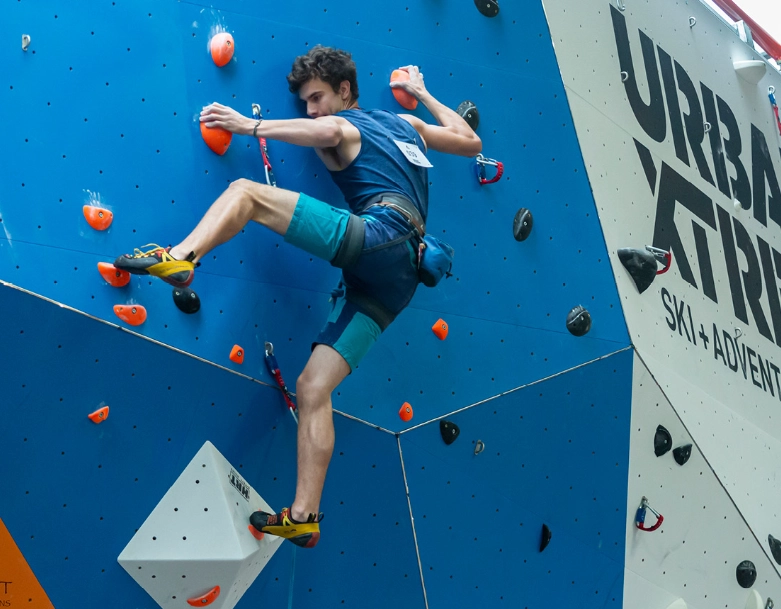
This guide is what I wish I had years ago. It's not about fancy, complicated theories. It's about understanding the simple, brutal, and effective principles behind getting better at climbing. We'll ditch the jargon and focus on what matters: getting you stronger, more skilled, and less injury-prone. Whether you're just starting your climbing journey or you're staring down a project that feels impossible, a solid approach to climbing training is your ticket forward.
Forget the one-size-fits-all plans. We're going to break it down so you can build something that works for you.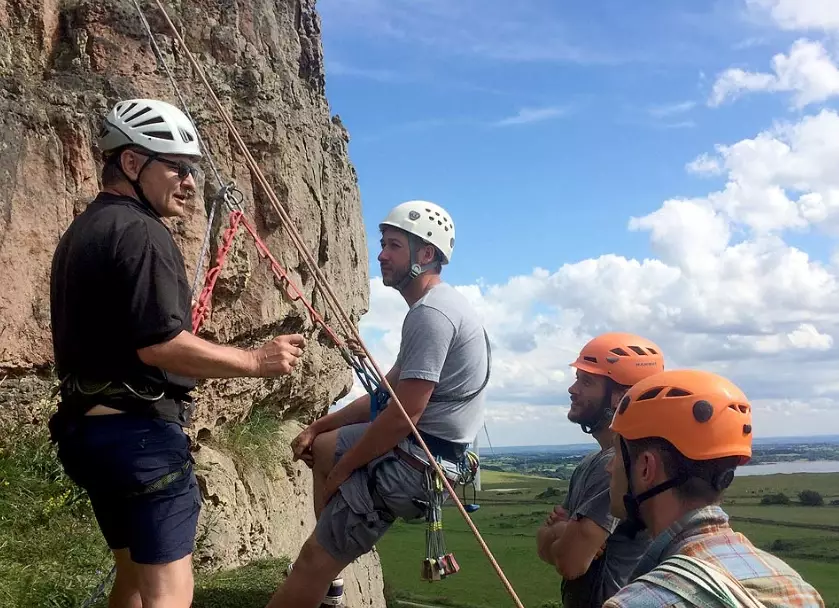
Laying the Foundation: What Climbing Training Really Means
Before you jump on a hangboard or start doing campus ladder workouts, you need a solid base. Think of it like building a house. You wouldn't start with the fancy windows, right? You'd pour a concrete foundation. In climbing, that foundation is built from a few key pillars.
First, general physical preparedness. This isn't sexy, but it's crucial. It means having a baseline of overall fitness—core strength, shoulder stability, and balanced muscle development. A lot of shoulder injuries happen because people's pulling muscles (lats, biceps) are way stronger than their pushing muscles (chest, triceps, rotator cuff). That imbalance pulls your shoulder joint out of alignment. Not good.
Second, and this is non-negotiable: technique and movement economy. You can be the strongest person in the gym, but if you climb like a stiff robot, you'll waste energy like a leaky faucet. Good climbing training always has an element of skill practice. It's about learning to move efficiently, to use your legs, to find rest positions, to place your feet precisely.
Finally, consistency beats intensity every single time. A moderate, sustainable climbing training plan you follow for a year will blow an aggressive, six-week crash course out of the water. The body adapts slowly. Tendons and ligaments take much longer to strengthen than muscles. Rushing this process is the fastest way to a pulley injury that sidelines you for months.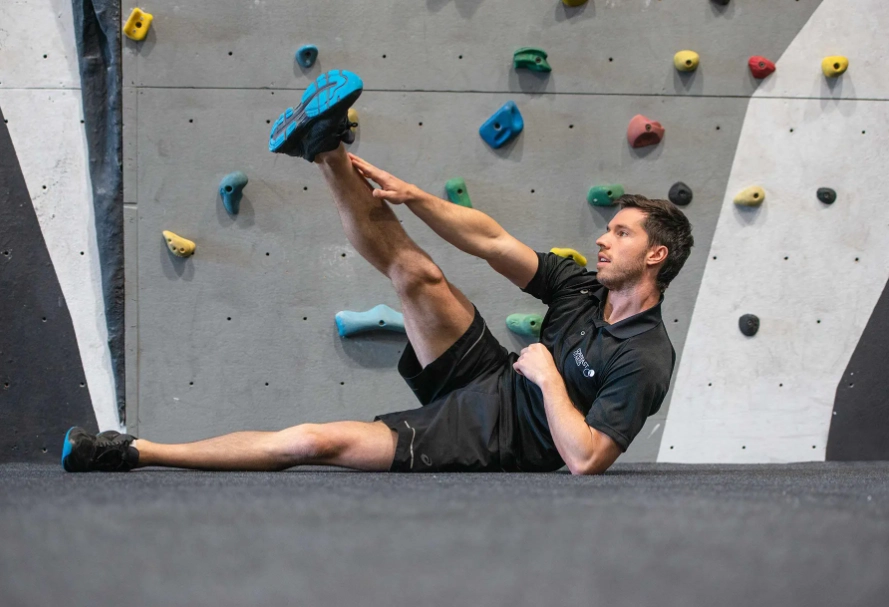
So, what does a foundational week look like? If you're new, it's simple: climb 2-3 times a week, with at least a day of rest in between. Focus on volume over difficulty. Climb lots of easy routes, try different angles (slab, vertical, slight overhang), and play with footwork. After your session, do some basic antagonist work: push-ups, rows with resistance bands, and core exercises like planks and dead bugs.
Building Your First Real Climbing Training Plan
Okay, you've got a few months under your belt. You're comfortable on the wall, you understand basic movement, and you're ready to get more structured. This is where a deliberate climbing training plan comes in. It doesn't need to be complicated.
The golden rule of programming is specificity. Your body gets better at what you train it to do. If you want to climb steeper rock, you need to train on steeper walls. If you want better endurance, you need to do endurance-focused drills.
The Three Energy Systems (Simplified)
Climbing challenges your body in three main ways, and your training should address all of them:
- Power/Strength: Short, intense bursts. Think pulling through a hard move, latching a small hold. This is your anaerobic alactic system. It fuels you for about 10 seconds.
- Power Endurance: Stringing together several hard moves without a good rest. Your forearms burn. This is your anaerobic lactic system. It lasts from about 30 seconds to 2 minutes.
- Endurance: Climbing for a long time on moderate terrain, or recovering on the wall. This is your aerobic system. It's your long-distance fuel tank.
A balanced weekly schedule for an intermediate climber might split focus across these systems. Here’s a sample template. Remember, this is just an example—listen to your body.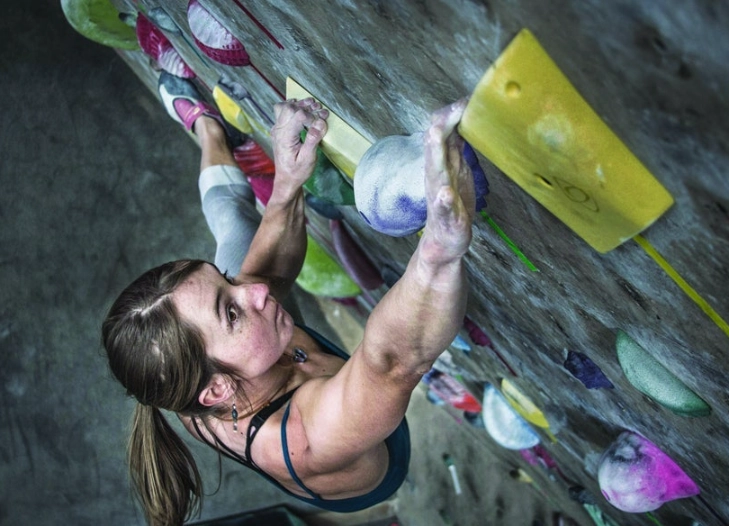
| Day | Focus | Example Session | Goal |
|---|---|---|---|
| Monday | Limit Bouldering / Max Strength | Warm-up thoroughly. Attempt 3-4 boulder problems at your absolute limit. Long rests (3-5 mins). Finish with some core. | Recruit maximum muscle fibers, build neurological strength. |
| Tuesday | Rest or Light Activity | Active recovery: walking, yoga, stretching. Focus on mobility. | Allow body to recover and adapt. |
| Wednesday | Power Endurance | 4x4s on the boulder wall. Pick 4 problems you can do in 1-2 tries. Climb them back-to-back, rest 4 minutes, repeat. 4 sets. | Improve ability to sustain effort through a pump. |
| Thursday | Rest | Complete rest. Let those tendons heal. | Recovery. |
| Friday | Technique & Volume | Climb lots of easier routes. Focus on perfect, silent foot placement, hip turns, and balance drills. No pump. | Ingrain efficient movement patterns. |
| Weekend | Outdoor Climb or Projecting | Apply your training! Work a project or enjoy a long day on real rock. | Skill transfer, mental training, fun. |
See? It's not random. Each day has a purpose. The real magic of a good climbing training plan is this intentional variation.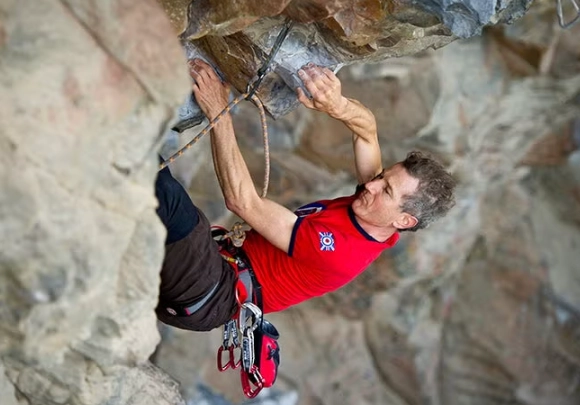
The Finger Strength Question: Hangboarding and Beyond
This is the holy grail for many. Finger strength is often the limiting factor. But it's also the most dangerous to train incorrectly.
Let's talk about the hangboard. It's a tool, not a magic wand. Used poorly, it's a one-way ticket to injury. Used wisely, it's the most effective way to build resilient, strong fingers. The key difference? Intensity vs. Volume. Finger training is about high intensity (hanging close to your max) with low volume (few sets, long rest), not about getting pumped.
If you're ready for it (again, think 1.5+ years of consistent climbing), a simple protocol is best. The 7-3 Repeater is a classic for building hypertrophy and work capacity: hang for 7 seconds, rest for 3 seconds, repeat 6 times. That's one set. Rest 3 minutes. Do 3-5 sets. Use an edge big enough that you can complete the set with perfect form.
For pure max strength, Max Weight Hangs are king. Hang for 10 seconds on a 20mm edge (or a comfortable edge size) with added weight. Rest 3-5 minutes. Do 4-6 sets. Track your added weight progressively.
But hangboarding isn't the only way. Limit bouldering—trying moves or problems at your absolute physical limit—is a fantastic and more engaging way to build finger strength. You're pulling on holds in a dynamic, climbing-specific way. The trick is to choose problems with holds that challenge your fingers, not just your shoulders.
My personal take? I mix both. I have a hangboard at home for a consistent, measurable baseline. But I get most of my specific finger stimulus from hard bouldering. It feels more fun and transferable.

Training for Different Types of Climbing
Your climbing training should look different if you're aiming for a 15-meter boulder problem versus a multi-pitch alpine route. Let's get specific.
Bouldering Training
It's all about power, explosive strength, and short-term power endurance. Sessions are shorter, more intense. You'll spend more time on limit moves, campus board drills (if you're advanced and injury-free), and dynamic coordination. Strength-to-weight ratio is huge. Core tension is non-negotiable—you need to keep your feet on when you're horizontal. A lot of indoor climbing training for bouldering revolves around projecting hard individual moves.
Sport Climbing & Endurance Training
Here, power endurance and pure endurance are key. You need to be able to recover on the wall. Training involves more linked boulder problems (like 4x4s), and a lot of route climbing. ARC training (Aerobic Restoration and Capillarity) is a staple: climbing easy terrain continuously for 20-45 minutes, keeping your heart rate elevated but never getting pumped. It builds your aerobic base and teaches you to rest. The British Mountaineering Council (BMC) has great resources on training for endurance, emphasizing the importance of this aerobic base, which many climbers overlook.
Trad & Alpine Climbing
This shifts the focus even more. Pure strength is less critical than all-day endurance, mental fortitude, and technical skill. Your climbing training might include long days in the mountains with a pack, climbing lots of moderate terrain back-to-back. Grip endurance is different too—it's about holding onto cracks and jambs for long periods, not latching tiny crimps. Efficiency is everything. The American Alpine Club's library often features articles on the unique physical and mental demands of this style.
The Gear You Actually Need (And What's Just Noise)
You can spend a fortune on climbing training gadgets. Most of it is unnecessary. Here's the essential shortlist:
- A Pull-Up Bar: The classic. For pull-ups, lock-offs, and leg raises.
- Gymnastics Rings or TRX Straps: Infinitely versatile for rows, push-ups, dips, and core work. Fantastic for building that shoulder stability and antagonist strength.
- Fingerboard/Hangboard: Once you're ready. A simple one with a few edge sizes and some jugs is perfect. No need for the one with 47 different pockets.
Hopefully, that clears up some common roadblocks. The path isn't always straight, and you'll have to adjust constantly.
Putting It All Together & Staying Motivated
So, where do you start? Don't try to implement everything from this guide at once. That's a recipe for burnout or injury.
Step 1: Assess. Where are you now? Beginner? Stuck at a plateau? Be honest about your strengths and weaknesses.
Step 2: Pick ONE thing. For the next 4-6 weeks, focus on improving one aspect. Maybe it's adding two structured hangboard sessions per week. Maybe it's dedicating one session entirely to perfect footwork on slabs. One thing.
Step 3: Schedule it. Block out your training times in your calendar. Treat them like important appointments.
Step 4: Log it. Keep a simple journal. What did you do? How did it feel? This isn't for ego, it's for data. You'll forget what worked otherwise.
Step 5: Deload. Every 4-6 weeks of hard training, take a "deload" week. Cut your volume and intensity in half. Climb for fun. Let your body super-compensate and get stronger. This is when the real gains happen, not during the hard weeks.
Motivation waxes and wanes. Some days you won't want to train. That's okay. Having a clear plan removes the mental hurdle of "what should I do today?" And remember why you started. Is it a specific project? The feeling of flowing up a wall? The community?
Climbing training is a marathon, not a sprint. It's a conversation with your body. Some days you push, some days you listen. The goal isn't just a higher grade (though that's a nice bonus). It's about becoming a more resilient, capable, and knowledgeable climber. It's about unlocking more time on the rock, in the mountains, or in the gym with less pain and more joy.
Now, go get some. And remember, the best training plan is the one you'll actually stick with.