Your Quick Guide
- Why Bother with an In-Park Hotel Anyway?
- The Lay of the Land: Types of National Park Accommodations
- Who Runs These Places? The Booking Landscape
- The Art of the Booking: How to Actually Get a Room
- What Nobody Talks About: The Not-So-Glamorous Bits
- Top Picks: A Quick Rundown of Standout National Parks Hotels
- Your Burning Questions, Answered
- Wrapping It Up: Making Your Decision
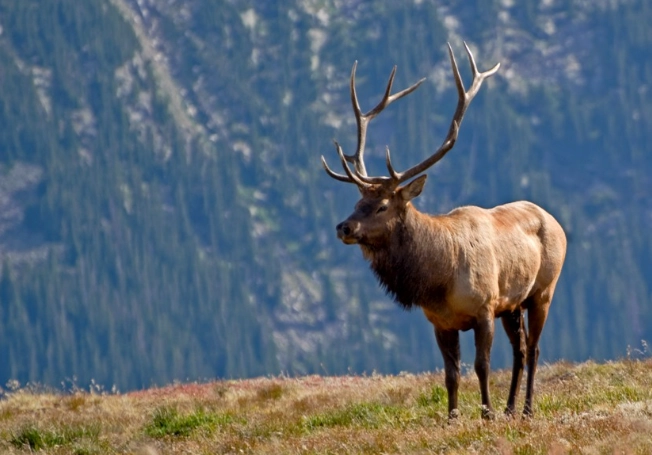
Let's be honest. You're planning a trip to a national park, maybe Yellowstone or the Grand Canyon, and you've hit the big question: where on earth should you stay? The town outside the gates looks convenient, but something keeps pulling you towards the idea of a national park hotel. Waking up to elk outside your window, stepping right onto a trail from your doorstep, that feeling of being truly immersed.
Is it worth it? Absolutely. Is it complicated? Sometimes. I've done both—stayed in the generic motel 45 minutes away and splurged on the historic lodge deep in the trees. The difference isn't just about convenience; it's about the entire experience.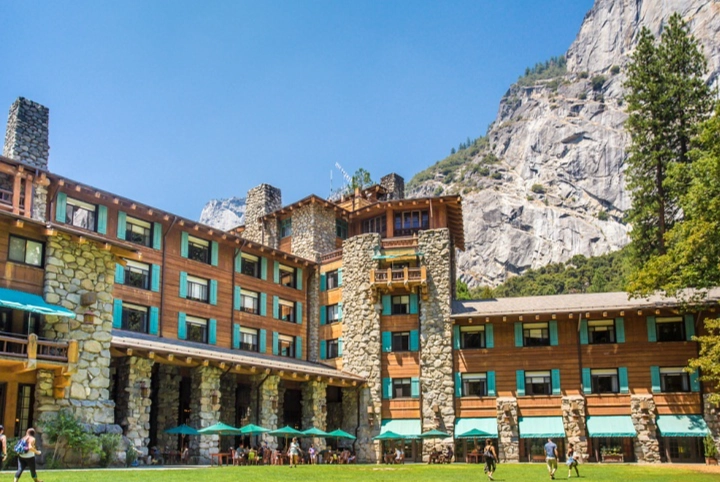
This guide isn't just a list of places. It's the down-to-earth, practical handbook I wish I'd had before my first park trip. We'll dig into the different types of lodging in national parks, the unspoken pros and cons, how to actually snag a booking (it's a competitive sport, trust me), and what you're really signing up for. Forget the glossy brochures for a second. Let's talk about what it's actually like.
Why Bother with an In-Park Hotel Anyway?
You pay more. The rooms might be simpler. So why do it? After a few trips, it became crystal clear to me.
First, the obvious one: time. Parks are huge. Driving from a gateway town like West Yellowstone into the park itself can eat an hour or more each way, every single day. That's time you're not hiking, photographing, or just sitting by a river. Staying inside puts you in the heart of it from the moment you open your eyes. I remember in Glacier National Park, staying at Many Glacier Hotel meant I could do an epic sunrise hike without a 5 AM alarm clock. Priceless.
Then there's the magic hours. The couple of hours after most day-trippers leave and before they arrive the next morning. The park transforms. Wildlife is more active, the light is softer, and you have popular spots almost to yourself. This access is the single biggest perk of national parks hotels.
Finally, it's the vibe. There's a shared, quiet excitement among guests. You're all there for the same reason. The conversations at dinner are about which bear you saw, not which highway you took.
The Lay of the Land: Types of National Park Accommodations
Not all park lodgings are created equal. They range from grand, historic monuments to barebones shelters. Knowing what you're getting into is half the battle.
The Iconic Grand Lodges
Think Old Faithful Inn in Yellowstone or the Ahwahnee (now Majestic Yosemite Hotel) in Yosemite. These are destinations in themselves. Massive timber frames, giant stone fireplaces, history oozing from the walls.
Staying here is about the spectacle. The rooms? Often smaller and simpler than the grand common areas would suggest. The walls might be thin. You're paying for the location and the grandeur of the lobby. Worth it for a night for the experience? In my book, yes. As a base for a rugged outdoor trip? Maybe not. Book these the second reservations open—they disappear fast.
The Standard Park Hotel/Lodge
This is the workhorse of national park accommodations. Places like Yosemite Valley Lodge or the Jackson Lake Lodge in Grand Teton. They're comfortable, clean, and functional. You'll get a private bathroom, comfortable beds, and usually a restaurant on-site. The architecture blends with the environment but isn't the main attraction. These are perfect for families or anyone who wants a reliable, comfortable base without the historic lodge price tag (though they're still not cheap).
The Rustic Cabin
Now we're getting into my personal favorite category. Cabins offer a middle ground—more privacy and a woodsy feel than a hotel room, but more solid walls than a tent. They range wildly.
You have historic cabins like the ones at Zion National Park's Zion Lodge—cute, cozy, with gas fireplaces. Then you have the no-frills rustic cabins found in places like Sequoia or the North Rim of the Grand Canyon. These might have shared bathhouses, propane heaters, and minimal electricity. They're an adventure. I stayed in one at the North Rim once—hearing the wind in the pines all night with zero light pollution was incredible. Just know what you're booking.
The Canvas Tent & Glamping Scene
A growing trend. Places like Under Canvas near several parks or the canvas cabins inside some parks themselves (like some offerings in Glacier). It's camping, but your bed is made. Usually, you have a proper bed inside a sturdy canvas tent, sometimes with a wood stove. Bathrooms are often shared but are usually clean, modern facilities.
It's a fantastic way to feel connected to nature without the hassle of setting up a tent in the rain. Great for younger travelers or those new to the outdoors. Not so great if you're a super light sleeper and every rustle sounds like a bear.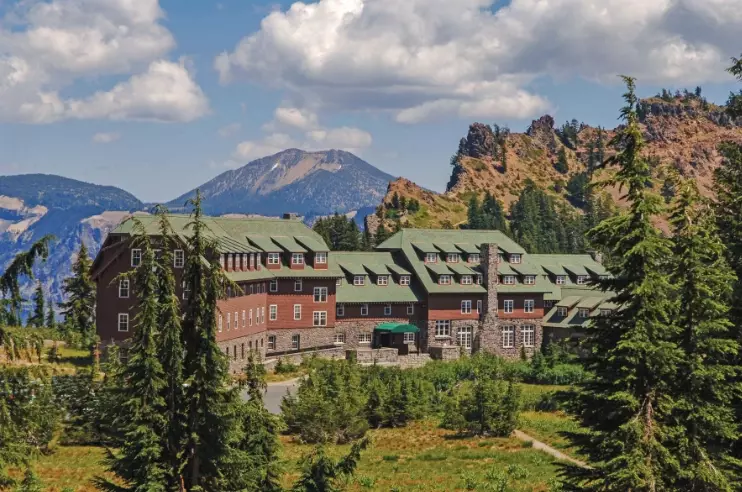
Who Runs These Places? The Booking Landscape
This is crucial and often confusing. You can't just go to one website. Who operates the hotel changes everything about the booking process, style, and even price.
| Operator | Examples of Parks They Serve | What to Know | Booking Tip |
|---|---|---|---|
| Xanterra Travel Collection | Yellowstone, Zion, Glacier, Grand Canyon South Rim | Runs many of the iconic large lodges and hotels. Professional, large-scale operation. Booking is on their own website. | Reservations open 13 months in advance, often at 8 AM MST. Be online, logged in, and ready. |
| Aramark | Yosemite, Olympic, Rocky Mountain, Acadia | Similar scale to Xanterra. Manages a mix of properties from grand hotels to simple cabins. | Check their site for exact release dates. Yosemite is particularly competitive. |
| National Park Service (Directly) | Some smaller parks, historic sites, or specific lodges (e.g., Sequoia's cabins, some Everglades lodges) | Often the most basic, no-frills accommodations. Booking is usually via Recreation.gov. | Recreation.gov is a federal site used for camping too. Create an account ahead of time. |
| Delaware North | Previously in Yosemite (they ran the Ahwahnee), still active in other locations like Kennedy Space Center. | They lost the Yosemite contract a few years back, which caused a huge stir (and a name change for the hotels). | Less prevalent in major parks now, but an example of how operators can change. |
| Independent Concessioners | Grand Teton (Grand Teton Lodge Company), North Rim Grand Canyon | Often family-run or smaller companies deeply connected to one park. Service can feel more personal. | Check their individual websites for policies. Sometimes they have different cancellation rules. |
See what I mean? Your first step for any trip is figuring out who runs the national park hotels you're eyeing. A quick search for "[Park Name] official lodging" usually leads you right to the correct site. The National Park Service's official page for each park will always link to the authorized concessioner. For example, here's the NPS page for Yellowstone lodging which directs you to Xanterra.
It sounds bureaucratic, but it matters.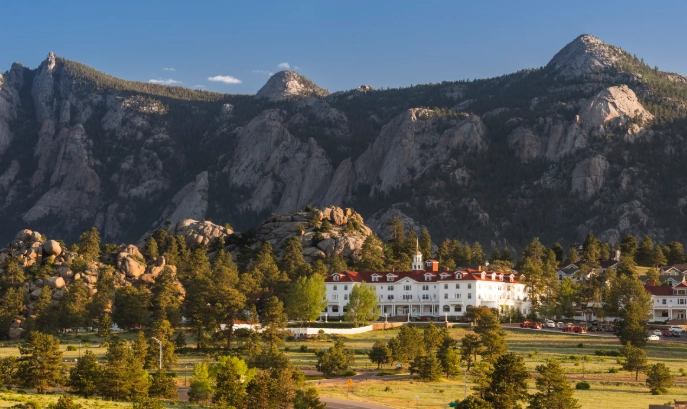
The Art of the Booking: How to Actually Get a Room
This is where dreams go to die if you're not prepared. Getting a prime room in peak season requires strategy, not just luck.
Timing is Everything
Most major operators (Xanterra, Aramark) release bookings 13 months in advance. For a July trip, you're booking in June of the prior year. Mark the date on your calendar. Set an alarm for 5 minutes before the window opens (usually 8 AM Mountain or Eastern time). Have your account created, with your payment info saved, before that day.
Be Flexible and Fast
Have 2-3 date ranges in mind. If your first choice is gone, immediately search for the next. The booking engines for these lodging in national parks sites can be clunky and slow under pressure. Patience and rapid clicking are key.
The Cancellation Watch
Didn't get what you wanted? Don't despair. People's plans change constantly. Set up alerts if the booking site allows it. Otherwise, make it a habit to check the site once a week, then more frequently as your trip gets within 2 months. The sweet spot for cancellations is often 30-60 days out, when people finalize plans and credit card payments come due.
Consider the Shoulder Seasons
This is my biggest piece of advice. The parks in late spring (May) or early fall (September-October) are stunning. Crowds are thinner, temperatures are pleasant, and the pressure on national parks hotels eases up. Some facilities start closing, so check dates, but you'll have a much better shot and a more peaceful experience.
What Nobody Talks About: The Not-So-Glamorous Bits
Let's balance the glowing reviews with some real talk. I love these places, but they have quirks.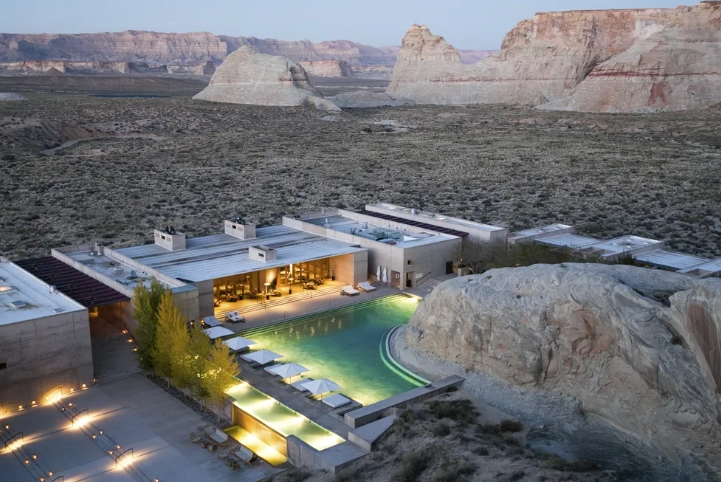
Dining: You are often a captive audience. Park restaurants can be expensive and, during peak hours, chaotic. Reservations for dinner are mandatory at popular spots. Always, always book them the same day you book your room. I've seen families stuck eating overpriced snacks from the gift shop because they didn't plan. Some lodges have small grocery stores, but selection is limited. Packing some snacks, coffee, and easy breakfast items is a pro move.
Noise: The walls in many historic buildings are... communicative. You might hear your neighbors. You'll definitely hear people walking down the hall at 6 AM for a sunrise hike. Bring earplugs. Seriously. It's the best travel advice I ever got.
Parking: It can be a nightmare, especially in compact areas like Yosemite Valley. You might get one parking spot per room. If you're in a popular spot, once you park, consider leaving your car and using the park's free shuttle system (which is excellent in parks like Zion and Yosemite). Driving around looking for a new spot is a waste of park time.
Going in with your eyes open prevents frustration.
Top Picks: A Quick Rundown of Standout National Parks Hotels
Based on location, character, and that intangible "wow" factor, here are a few that have stuck with me. This isn't a ranked list, just personal highlights.
Old Faithful Inn (Yellowstone): The queen of them all. Watching Old Faithful erupt from the massive multi-story lobby balcony is a quintessential park experience. The geyser goes off every 90 minutes or so—you'll see it multiple times without trying. The rooms in the old wing are tiny and share bathrooms, but who cares? You're in a living museum. Book the old house if you can handle it for the full experience.
Many Glacier Hotel (Glacier National Park): The setting is unbeatable. A Swiss-style chalet perched on Swiftcurrent Lake, surrounded by sheer peaks. It feels remote and majestic. The boat tour that leaves from the hotel dock is one of the best easy activities in the park. The rooms are simple, but the views from the common areas are priceless.
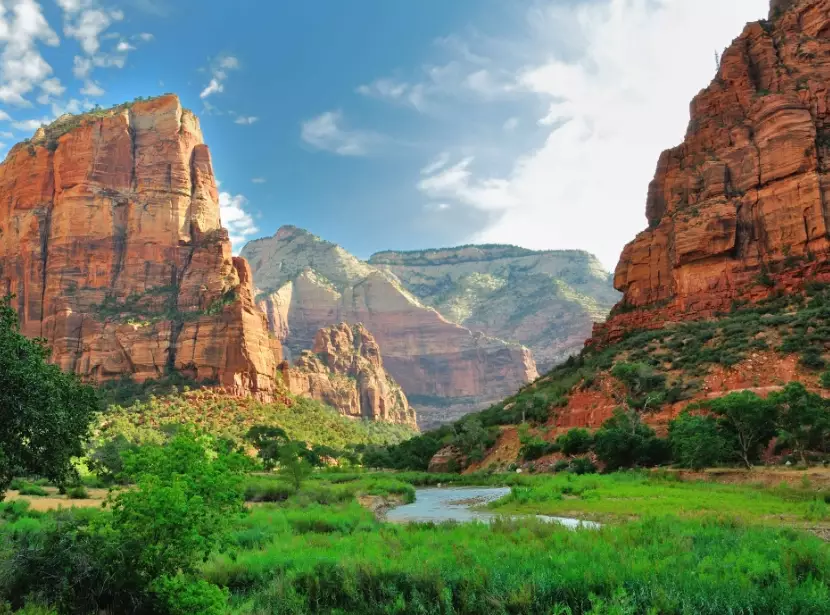
Zion Lodge (Zion): The beauty here is the accessibility. You're right in the middle of Zion Canyon. You can walk to the trailhead for the Emerald Pools from your cabin porch. The lodge is surrounded by towering red cliffs. It's the perfect base for exploring the main canyon without dealing with the spring-through-fall shuttle stress from the outside.
Paradise Inn (Mount Rainier): Bursting with rustic charm. Huge, hand-crafted wood furniture, a massive fireplace, and the smell of old wood. It sits at 5,400 feet, right at the base of the mountain's most famous wildflower meadows. Waking up here feels like you're in an alpine fairy tale. Just know the road up can close with late snow or early fall storms.
Your Burning Questions, Answered
I get asked these all the time. Let's clear them up.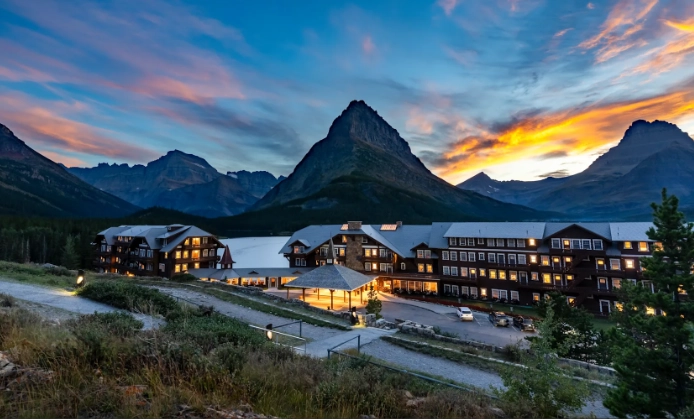
Are national park hotels open year-round?
Most are not. The season varies wildly by park and elevation. Hotels in Yellowstone and Glacier are typically open from late May/early June through September/October. South Rim Grand Canyon is mostly year-round, but the North Rim closes from mid-October to mid-May. Yosemite Valley is year-round. Always check the specific lodge's operating dates on the concessioner's website. Don't assume.
Can I find last-minute deals?
True "deals" are rare. These places sell out. However, last-minute availability due to cancellations is common. You won't get a discount, but you might get a room. Be persistent and flexible with your dates. Calling the reservation line can sometimes yield results the website doesn't show.
Is there Wi-Fi and cell service?
Manage your expectations. Wi-Fi is often available only in the main lodge areas (lobby, restaurant) and can be painfully slow or expensive. It's meant for checking email, not streaming. Cell service is notoriously spotty in mountains and canyons. Consider this a digital detox opportunity. Tell your family you'll be off-grid and enjoy it.
Are they pet-friendly?
Generally, no. Service animals are allowed, but pets are typically not permitted in rooms or on most trails. Most parks have very strict rules about pets. You'll need to look into boarding facilities in gateway towns if you're traveling with a furry friend. This is a major point of disappointment for some, so plan accordingly.
What's the best resource for official information?
Always start with the National Park Service website (nps.gov). It's the ultimate authority. Find your park's page, then use their "Planyourvisit" > "Lodging" link. That will lead you directly to the authorized concessioner's site, ensuring you don't get scammed by a third-party lookalike site. For broader travel inspiration and stunning photography, National Geographic's national parks section is a fantastic resource.
Wrapping It Up: Making Your Decision
Choosing your national park accommodations is a big part of planning your trip. It's not just a place to sleep; it's your basecamp for adventure.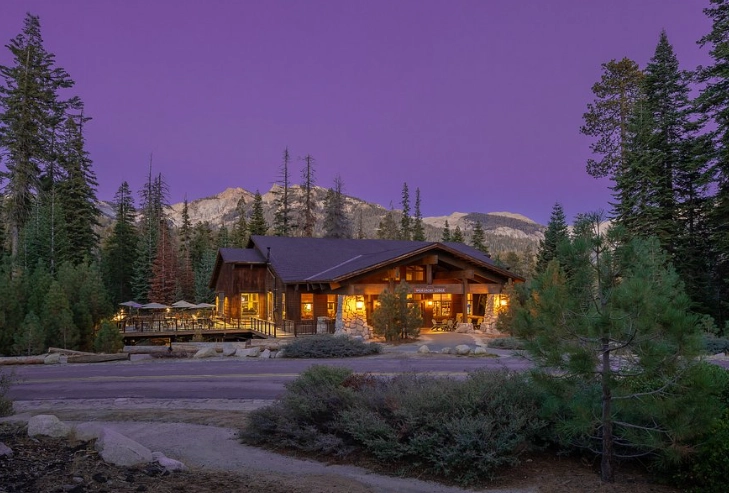
If it's your first visit, a short trip, or you're visiting a park with massive internal distances (looking at you, Yellowstone and Glacier), staying inside is 100% worth the effort and cost. Prioritize location over luxury.
If you're on a tight budget, have a longer trip, or are visiting a park with easy external access (like the South Rim of the Grand Canyon), mixing in-park and gateway town stays can be a smart compromise.
Whatever you choose, book early, read the fine print on cancellations, and go in with the right mindset. You're not booking a Hilton. You're booking a front-row seat to some of the most incredible landscapes on the planet. A little planning—and a set of earplugs—goes a long way.
Now go hit those booking websites. And good luck.