Your Climbing Gear Cheat Sheet
Let's cut to the chase: rock climbing equipment isn't just about buying shiny gear—it's about safety, performance, and knowing what actually works. I've been climbing for over a decade, from indoor gyms to Yosemite's big walls, and I've seen too many climbers waste money on the wrong stuff. This guide dives deep into the essentials, with real-world advice you won't find in generic lists.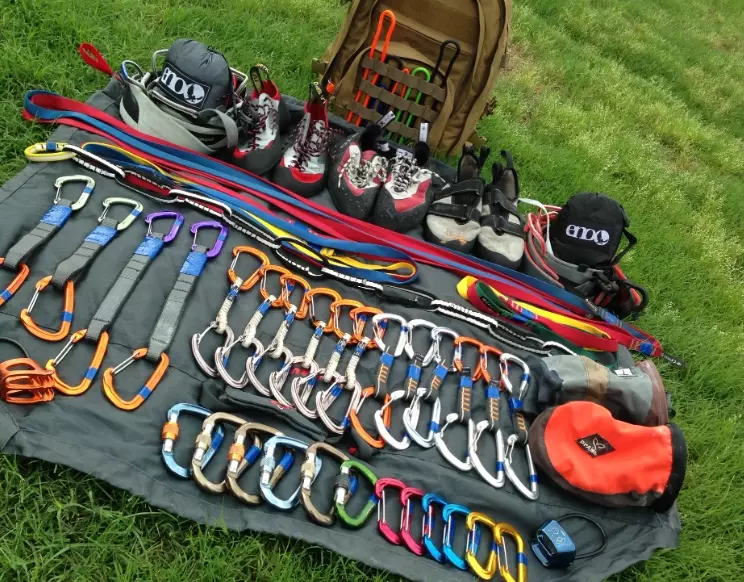
Essential Gear Breakdown: From Ropes to Harnesses
Start with the basics. If you're new, focus on these five items: rope, harness, helmet, shoes, and belay device. Forget the fancy gadgets until you've got these down.
Ropes are your lifeline. A dynamic rope absorbs fall energy, while static ropes are for hauling gear. For most climbers, a single 60-meter dynamic rope around 9.8mm diameter works well. Brands like Petzl and Edelrid offer reliable options, but don't get hung up on names—check the UIAA certification instead. I once used a budget rope that felt stiff and kinked easily; it taught me that mid-range prices often hit the sweet spot.
Harnesses should fit like a second skin. Look for adjustable leg loops and a padded waistbelt. Try it on with your climbing clothes—sitting in it for a few minutes reveals comfort issues. The Black Diamond Momentum is a solid starter harness, but I've seen beginners buy it too large, leading to dangerous slip-ups during falls.
Helmets. Non-negotiable. Even in gyms, falling debris happens. A lightweight helmet with good ventilation, like the Petzl Sirocco, makes you more likely to wear it. I skipped a helmet once on a simple route and got grazed by a loose rock; never again.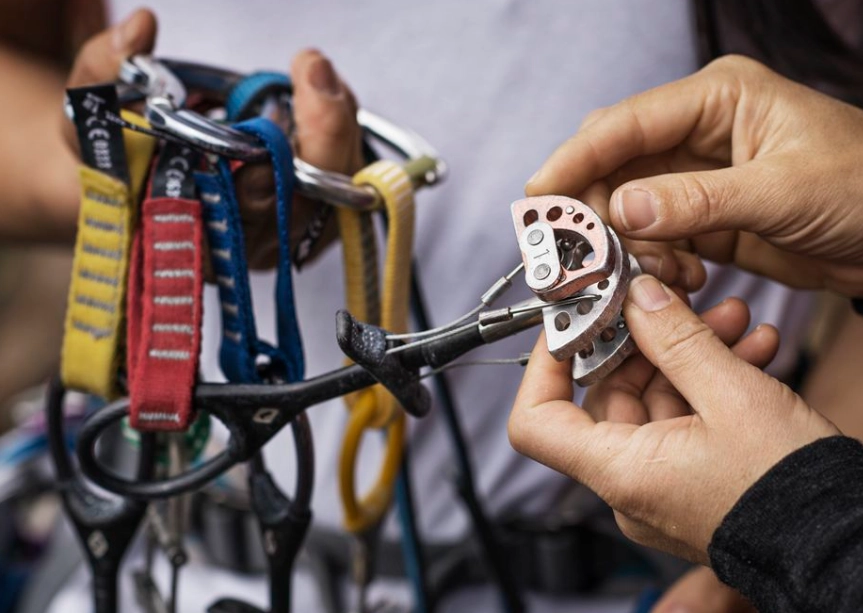
How to Choose the Right Climbing Rope for Your Style
Ropes aren't one-size-fits-all. Your climbing style dictates the choice.
For indoor climbing, a dry-treated rope isn't necessary, but it adds durability against gym grime. I prefer a 10mm rope for gyms—it handles frequent falls better. Outdoor sport climbing? Go thinner, like 9.4mm, for lighter weight and easier handling. Trad climbers might need twin ropes for redundancy on long routes.
Here's a quick comparison based on my experience:
| Rope Type | Best For | Diameter Range | Average Price |
|---|---|---|---|
| Single Dynamic | Indoor/Gym, Sport Climbing | 9.2mm - 10.2mm | $150 - $250 |
| Half Ropes | Trad Climbing, Alpine Routes | 8.0mm - 9.0mm | $200 - $350 per pair |
| Static Ropes | Rappelling, Hauling Gear | 10.0mm - 11.0mm | $100 - $200 |
Notice how price jumps for specialized gear? That's why beginners should stick to a single dynamic rope. I made the mistake of buying half ropes early on—they tangled constantly, and I barely used them.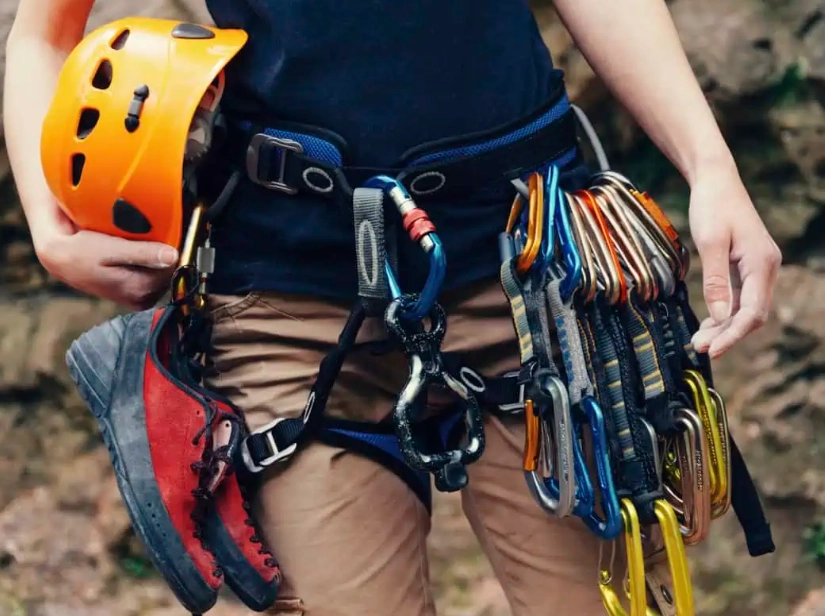
Factors Affecting Rope Longevity
Ropes degrade faster if you step on them (dirt grinds the fibers), expose them to sunlight, or store them wet. I left a rope in my trunk for a summer, and it lost elasticity. Now, I coil it loosely and keep it in a dark bag. Refer to UIAA guidelines for retirement signs, like soft spots or discoloration.
Common Beginner Mistakes with Climbing Equipment
We all mess up. Here are pitfalls I've witnessed repeatedly.
First, overspending on shoes. Beginners buy aggressive, downturned shoes thinking they'll improve technique, but they're painful and hinder footwork. Start with neutral shoes like La Sportiva Tarantulace—they're affordable and comfortable for long sessions. I suffered through blisters for months before switching.
Second, neglecting carabiners and belay devices. A basic tubular belay device works fine, but learn to use it correctly. I've seen climbers fumble with assisted-braking devices like the Grigri, relying too much on automation. Practice with an experienced partner; the American Alpine Club offers safety courses that cover this.
Third, ignoring helmet fit. A wobbly helmet is useless. Adjust the straps so it sits snugly without obstructing vision. Try shaking your head—if it shifts, tighten it. My friend took a fall with a loose helmet, and it tipped back, exposing his forehead.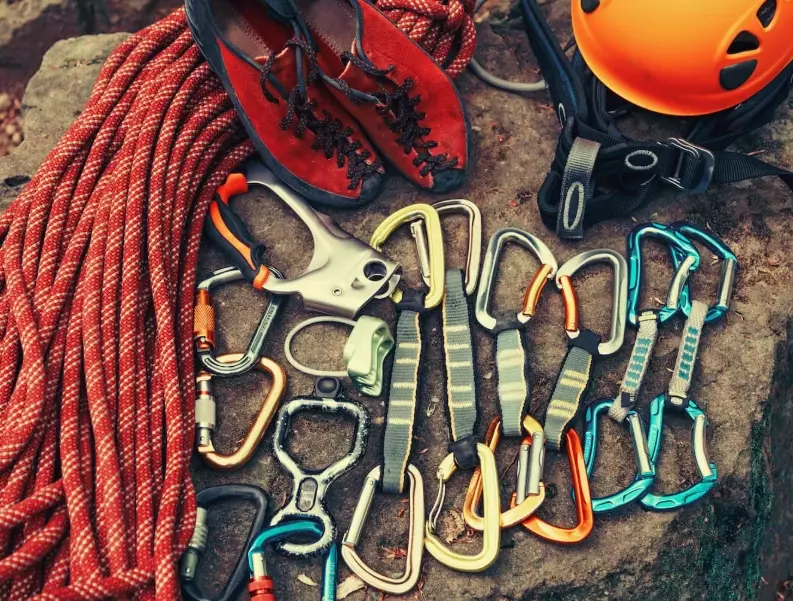
Advanced Gear Insights for Sport and Trad Climbing
Once you've mastered basics, gear gets more nuanced.
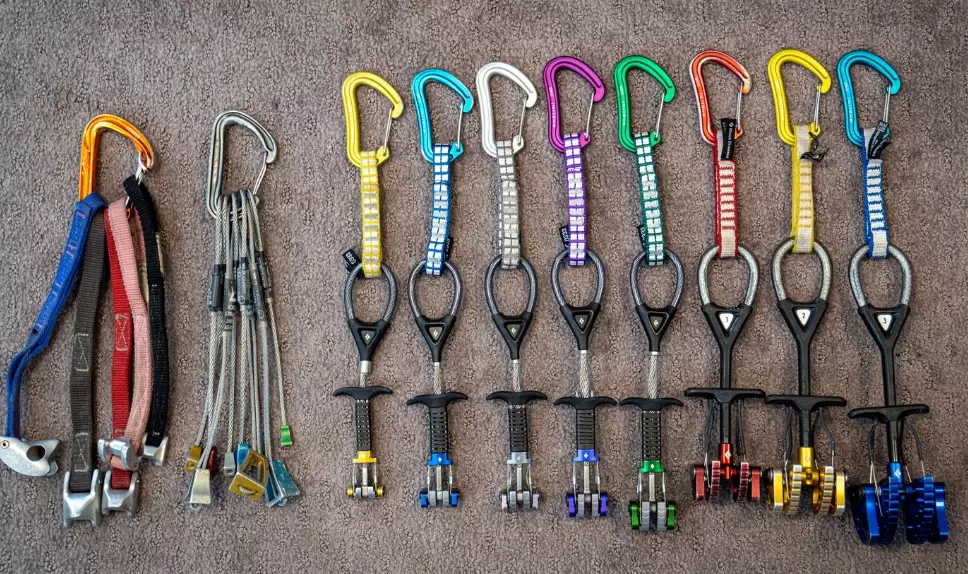
Sport climbing demands quickdraws—12 to 16 of them for most routes. Look for lightweight models with straight-gate carabiners for the rope end and bent-gate for the bolt end. I prefer aluminum quickdraws over steel; they're lighter but wear faster. On a long project in Red River Gorge, I wore out a set in a season from frequent clipping.
Trad climbing introduces cams, nuts, and hexes. It's a money pit if you're not careful. Start with a basic set of cams (like Black Diamond C4s from size 0.3 to 3) and a nut tool. Learn placement from a mentor or guidebook—Metolius has great tutorials online. I once placed a cam incorrectly; it popped out during a move, and I took a scary fall. Now, I double-check every piece.
Clothing matters too. Avoid cotton; it holds moisture and chills you. Synthetic or wool layers work better. I use a lightweight shell for windy ledges and durable pants like Prana Stretch Zion. They're pricey but last years.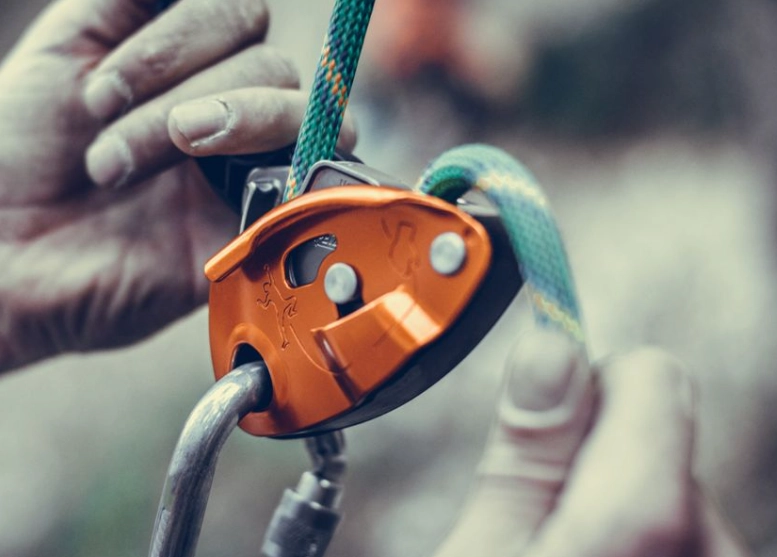
Practical Gear Maintenance Tips to Extend Lifespan
Gear maintenance is boring but critical. Here's my routine.
After each climb, wipe down ropes with a damp cloth to remove dirt. Store them in a cool, dry place—not coiled tightly, which causes kinks. Harnesses should be hung up, not stuffed in a bag. I ruined a harness by leaving it in a damp basement; mildew weakened the webbing.
Check metal gear for cracks or sharp edges. Carabiners can develop grooves from rope friction; retire them if deep. Use a file for minor burrs, but when in doubt, replace. A friend used a cracked carabiner for months before noticing—it's a gamble not worth taking.
Shoes need airing out. Stuff them with newspaper to absorb sweat and maintain shape. Resole them when rubber wears thin; it's cheaper than buying new. I've resoled my La Sportivas twice, saving over $200.
Your Burning Questions Answered
Gear is personal. What works for me might not for you. Test equipment whenever possible—many shops offer demo days. And always climb with a partner who checks your setup. Stay safe out there.