Quick Navigation
- Step 1: The Foundation – What Kind of Trip Do You Actually Want?
- Step 2: Choosing Your Parks (This is the Fun Part)
- Step 3: Nailing the Timing and Logistics
- Step 4: Locking in Your Sleep Spot
- Step 5: Crafting Your Daily Game Plan (The Itinerary)
- Step 6: Final Prep and On-the-Ground Smarts
- Wrapping It Up: You've Got This
- Your National Parks Trip Planning FAQs
Let's be honest, the sheer number of options can be paralyzing. You know you want to see those iconic landscapes, breathe that pine-scented air, and maybe even spot a bear (from a safe distance, of course). But how do you even start? The idea to plan a national parks trip often begins with a stunning Instagram photo or a friend's story, but the reality involves permits, weather windows, and booking campsites six months in advance. It can feel like a part-time job.
I've been there. I've also shown up to a park without a reservation and spent a panicked hour on my phone in the parking lot, only to end up at a motel 45 minutes away. Not ideal. So I've put together this guide to save you from that headache. Think of it as your friendly trail buddy, walking you through the whole process, from the first spark of an idea to that final, dusty, happy drive home.
This isn't about a rigid itinerary. It's about understanding the pieces of the puzzle so you can build the adventure that's right for you—whether that's a solo backpacking deep-dive or a comfortable family road trip hitting the highlights.
Step 1: The Foundation – What Kind of Trip Do You Actually Want?
Before you even look at a map, look inward. This sounds cheesy, but it's the most important step. A miserable trip is often one where expectations didn't match reality.
Ask Yourself These Questions:
- Who's going? Just you? A partner? Young kids? Elderly grandparents? The group dynamic dictates everything.
- What's your pace? Are you a "see all the things" person or a "find one amazing spot and soak it in" person?
- What's your comfort level? Is sleeping on the ground in a tent part of the fun, or is a cozy cabin with a real bed non-negotiable?
- What's your budget? Be realistic. Gas, park fees, accommodations, and food add up quickly, especially in remote areas.
- What are your must-haves? Epic hiking? Photography? Wildlife? Simply checking famous landmarks off a list?
Answering these will shape every decision that follows. A family with small kids will plan a national parks trip very differently from a group of fit peak-baggers.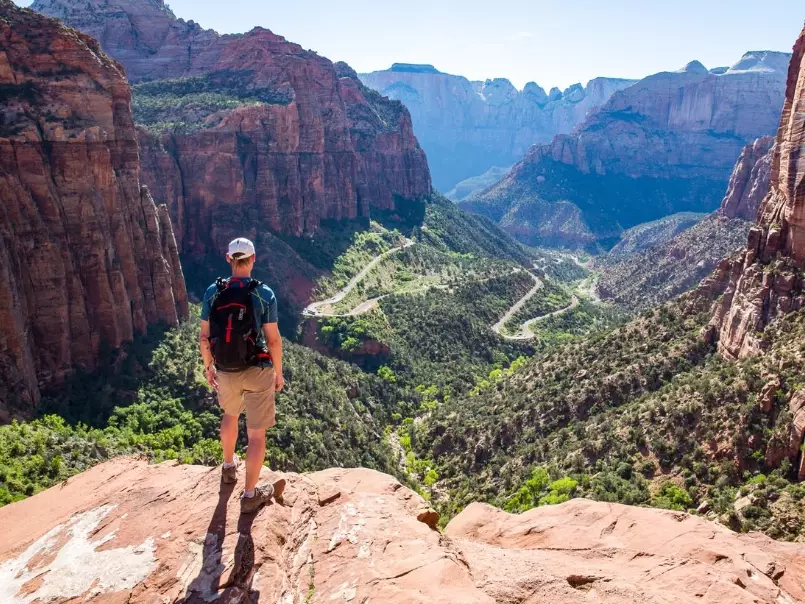
Step 2: Choosing Your Parks (This is the Fun Part)
With over 60 national parks in the U.S., the choice can be overwhelming. Don't just pick the most famous one. Pick the right one for this trip.
Key Factors to Consider:
- Geography & Distance: Be realistic about travel time. Trying to hit Yellowstone, the Grand Canyon, and Yosemite in one week is a recipe for spending your entire vacation in the car. Focus on a region. The Utah "Mighty 5" (Arches, Canyonlands, Bryce, Zion, Capitol Reef) are a classic cluster for a reason.
- Season & Weather: This is huge. Glacier National Park's famous Going-to-the-Sun Road is snowed in until late June or July. Visiting Death Valley in July is, frankly, dangerous. The best time to visit national parks is often the shoulder seasons—late spring and early fall—when crowds thin and weather is mild.
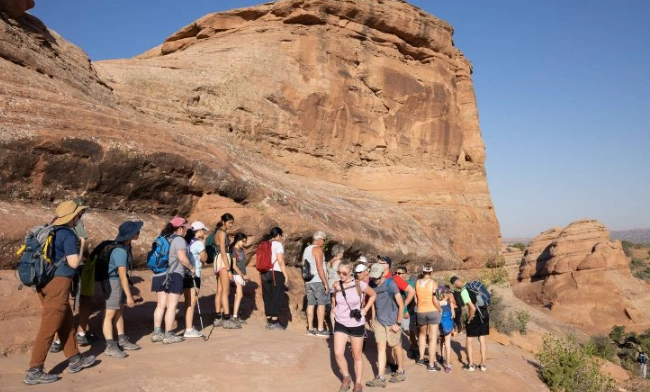
- Crowds: Let's talk about the elephant in the room. Parks like Zion and Arches can feel like theme parks in summer. If you hate crowds, consider lesser-known "hidden gem" parks like Great Basin (NV) or North Cascades (WA). Or visit popular ones in the off-season.
- Activities: Match the park to your interests. Want challenging backpacking? Look to Olympic or Rocky Mountain. Prefer scenic drives and short walks? Shenandoah or Great Smoky Mountains are perfect.
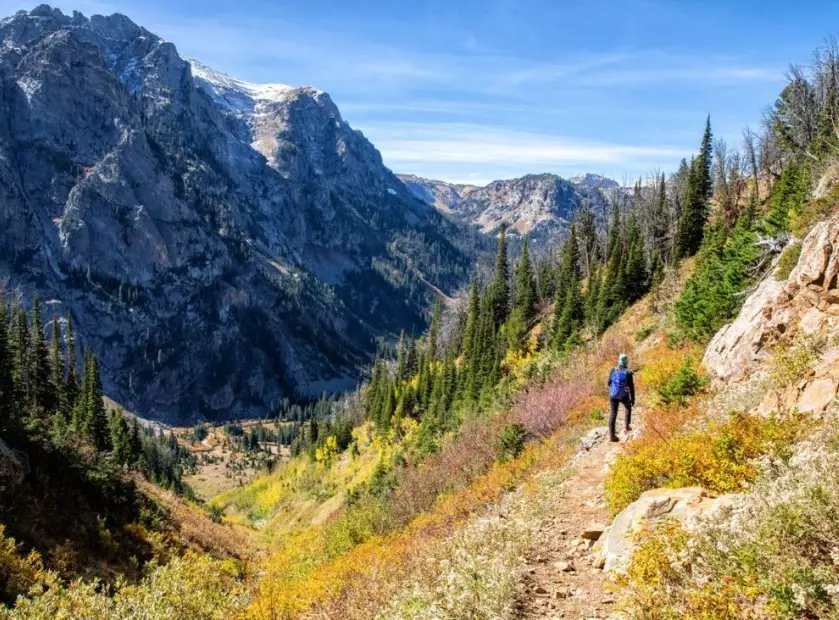
Here’s a quick comparison of different park "types" to help you narrow it down:
| Park Type | Best For | Examples | Considerations |
|---|---|---|---|
| Iconic & Popular | First-timers, iconic photos, well-developed amenities | Yellowstone, Yosemite, Grand Canyon | Require advanced planning, can be very crowded, often need reservations just to enter. |
| Adventure & Backcountry | Experienced hikers, solitude, wilderness immersion | Denali, Gates of the Arctic, Isle Royale | Fewer services, more self-reliance, often require permits for backcountry travel. |
| Road Trip & Scenic Drives | Families, those with mobility limits, photographers | Badlands, Shenandoah, Rocky Mountain (Trail Ridge Road) | Great for seeing a lot with minimal hiking, parking at overlooks can fill up. |
| "Hidden" Gems | Avoiding crowds, unique landscapes, spontaneous trips | Great Sand Dunes, Congaree, Theodore Roosevelt | May have limited lodging/camping nearby, feel more undiscovered. |
Step 3: Nailing the Timing and Logistics
Okay, you've picked a park or two. Now we get into the nitty-gritty. This is where most people get tripped up.
The Calendar is Your Boss
When you go determines what you can do. Summer is peak for a reason—school's out, roads are open—but it's also peak for people and, in some places, heat. I made the mistake of hiking in Zion's Narrows in late August once. The water was warm, but so were the 10,000 other people in the river with me. It lost a bit of its magic.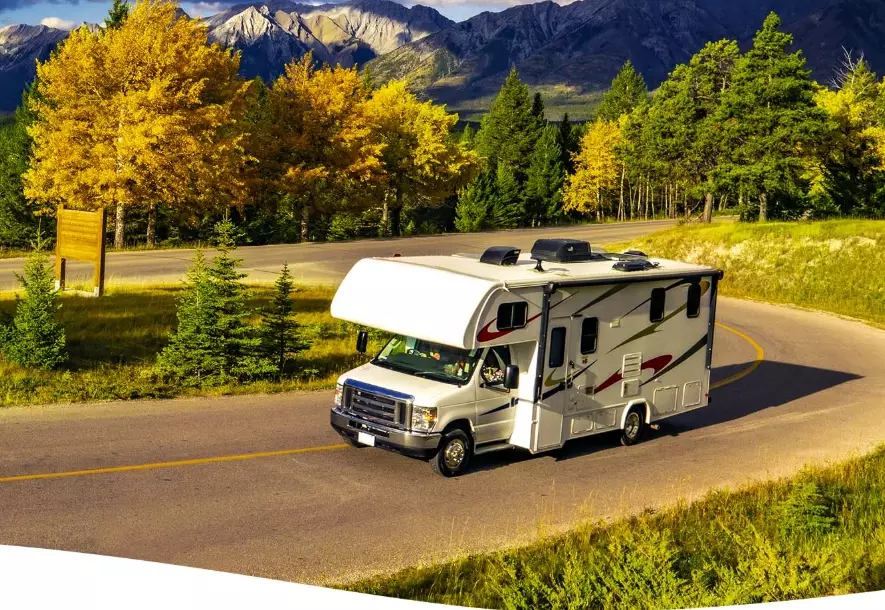
To effectively plan a national parks trip, you need to research:
- Park-Specific Seasons: Check the park's official NPS website for typical weather, road closures, and seasonal activities.
- Wildflower Blooms / Fall Colors: These are fleeting and spectacular windows. Timing is everything.
- Bug Season: Seriously. Mosquitoes in Alaska's Denali in July are no joke.
The Reservation Revolution (And How to Beat It)
This is the biggest change in the last few years. To manage overcrowding, many parks now have timed entry permits or reservation systems for popular attractions. It's a pain, but it does make the experience better once you're inside.
The key is to know what needs a reservation and when those reservations open.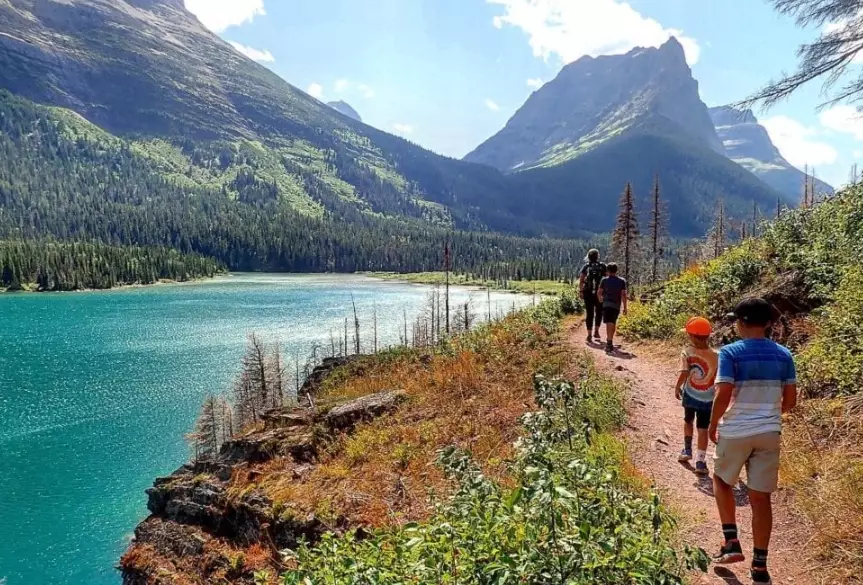
Budgeting: The Unsexy Truth
Let's break down where the money goes. A 7-day trip for two might look like this:
- Park Entrance: $35 per vehicle, per park. Or get the America the Beautiful Annual Pass for $80 if you're hitting 3+ parks in a year. It's a no-brainer. Buy it from the official USGS store or at any park entrance.
- Lodging: This is the big variable. Park campgrounds can be $20-$30/night. Lodges inside the park can be $300+/night. Motels outside the park are often in the $150-$250 range in peak season.
- Food & Gas: Assume everything is more expensive near parks. Packing your own food and snacks saves a fortune.
- Gear: If you need to buy or rent backpacks, sleeping bags, bear canisters, etc., factor that in.
Step 4: Locking in Your Sleep Spot
Where you sleep can make or break your trip. The competition is fierce.
Inside the Park vs. Outside the Park
Inside the Park (Campgrounds/Lodges): You're immersed. You can catch sunrise without a long drive. But you have to book extremely early (6 months out for many on Recreation.gov). The lodges (run by concessionaires like Xanterra) often book a year ahead.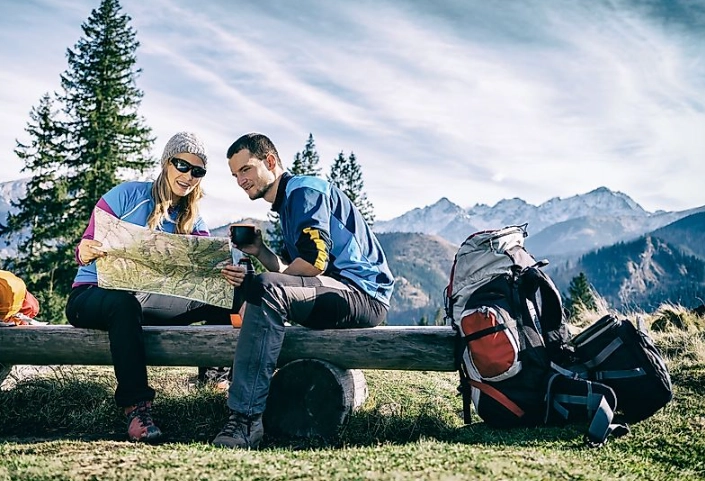
Outside the Park: More options, sometimes cheaper, often with more amenities (Wi-Fi, pool). But you lose time commuting in and out every day, especially if there are entrance line queues.
Booking Strategy
Set reminders. Know exactly when your desired campground opens for reservations (usually 6 AM PST, 6 months in advance on Recreation.gov). Have backup dates. Be logged in with your payment info ready. It's like trying to get concert tickets.
If everything is booked, don't despair. Check for cancellations regularly (people's plans change!). Look at US Forest Service or Bureau of Land Management (BLM) land near the park. These often have first-come, first-served or reservable campsites that are quieter and cheaper, though farther away.
Step 5: Crafting Your Daily Game Plan (The Itinerary)
Now for the fun part—what you'll actually do each day. Don't over-schedule. Factor in driving time, which is always longer than Google Maps says on winding park roads.
Building a Balanced Day
A great national parks itinerary has rhythm. Maybe a big hike in the cool morning, a lazy picnic lunch by a river, a scenic drive or visitor center visit in the afternoon heat, and a short sunset stroll to end the day.
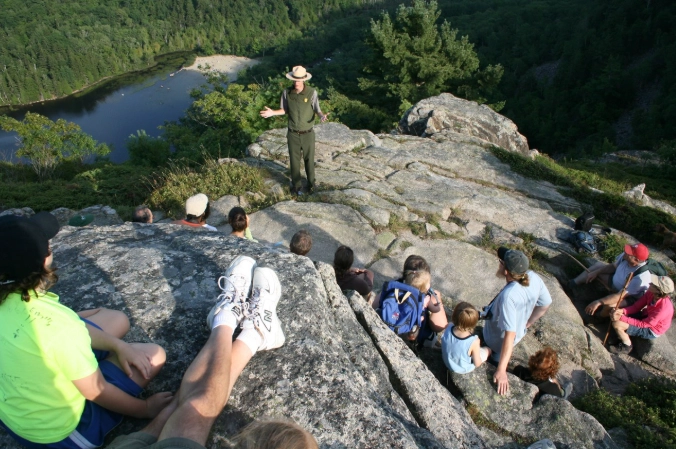
Use the park's official newspaper (you get it at the entrance) and the NPS app to find ranger programs. These free talks and walks are incredible—rangers are storytellers who bring the landscape to life.
Must-Pack Items (Beyond the Obvious)
- A Physical Map & Guidebook: Cell service is nonexistent in most parks. Don't rely on your phone for navigation on trails.
- Water, Water, and More Water: A reusable bottle per person, plus a large jug in the car to refill. Dehydration is a real danger.
- Layers: Mountain weather changes in minutes. A rain jacket, fleece, and hat are essential, even in summer.
- Ten Essentials for Hiking: If you're going beyond the parking lot overlook, you need the basics: navigation, headlamp, first aid, knife, fire starter, shelter, extra food, extra water, extra clothes. REI's guide to the Ten Essentials is a perfect checklist.
- Comfort Items: Camp chair, binoculars, a good cooler, a journal.
Step 6: Final Prep and On-the-Ground Smarts
You're almost there. The week before you go:
Check, Check, and Double-Check
- Confirm all reservations (camping, lodging, permits, timed entry). Print confirmations or save offline copies on your phone.
- Check the park's official website and social media for last-minute alerts: fires, road closures, bear activity.
- Pack your car efficiently. Keep snacks, water, and layers easily accessible.
Once You Arrive: Park Visitor Center 101
Go here first. Every single time. Get your map, ask a ranger for current conditions: "Which trail has the best wildflowers right now?" "Is the bear activity high on the Lakes Trail?" "Where's a good spot for sunset that's less crowded?" They have the gold-standard, up-to-the-minute info.
Listen to them. If a ranger says a trail is icy and you need micro-spikes, don't think your sneakers will be fine.
Leave No Trace – It's Not Just a Slogan
This is our collective responsibility. Follow the seven principles: plan ahead, travel on durable surfaces, dispose of waste properly, leave what you find, minimize campfire impacts, respect wildlife, and be considerate of other visitors. That means packing out all your trash, staying on the trail to prevent erosion, and giving wildlife a lot of space. The Leave No Trace Center for Outdoor Ethics is the ultimate resource.
Wrapping It Up: You've Got This
Planning a national parks trip does take effort. There are forms and calendars and competitive booking windows. But that effort is what transforms a generic vacation into a real adventure. It's the price of admission to some of the most stunning places on Earth.
The goal isn't a perfect, frictionless trip. You'll probably forget something. It might rain on your big hike. The mosquitoes will be annoying. But when you're standing on a rim at sunset, or watching a geyser erupt against a blue sky, or simply sitting quietly in an ancient forest, every bit of planning will feel worth it.
Remember, the official National Park Service website (NPS.gov) is your single most important tool for accurate, up-to-date information on every park. Use it religiously. For broader inspiration and conservation stories, the National Park Foundation is a great resource too.
Happy trails!
Your National Parks Trip Planning FAQs
Let's tackle some of the specific questions that pop up when you're deep in the planning weeds.
How far in advance do I really need to start planning?
For a summer trip to a popular park, start 6-12 months out for the best selection of accommodations and to secure those critical timed entry permits. For an off-season or shoulder-season trip to a less-visited park, 2-3 months might be enough. But for peace of mind, the earlier, the better.
Is the America the Beautiful Pass worth it?
Almost always, yes. At $80, it pays for itself in just over two park visits (since most parks are $35 per vehicle). It covers entrance fees at all federal recreation sites (NPS, Forest Service, BLM, etc.) for a year. If your goal is to plan a national parks trip that includes multiple stops, it's your first purchase. Seniors, military, and 4th graders can get special free or discounted passes too.
What's the #1 mistake first-timers make?
Trying to do too much. They create a punishing schedule that has them driving for hours, running to snap a photo, and then rushing to the next spot. You end up exhausted and you don't really see anything. Pick one or two key activities per day and build in downtime. Sit on a rock and just look. That's often when the magic happens.
How do I deal with the crowds?
Embrace the "shoulder" of the day. Get into the park before 8 AM or go out after 4 PM. The midday crowds are the worst. Hike the less famous trails. Most visitors stick to the same 3-4 iconic spots—you can find solitude a mile down any other path. And seriously, consider visiting outside of June, July, and August.
What if I can't get any reservations or permits?
All hope is not lost!
1. **Check for cancellations** daily. People's plans change.
2. **Arrive early.** Many parks hold back a small number of first-come, first-served permits or campsites. Be in line before the visitor center opens.
3. **Explore nearby.** National Forests, BLM land, and State Parks often surround the big national parks and offer fantastic hiking, camping, and scenery without the reservation hassle.
4. **Shift your dates.** A Tuesday-Thursday trip is easier than a weekend.