Your Aurora Adventure Guide
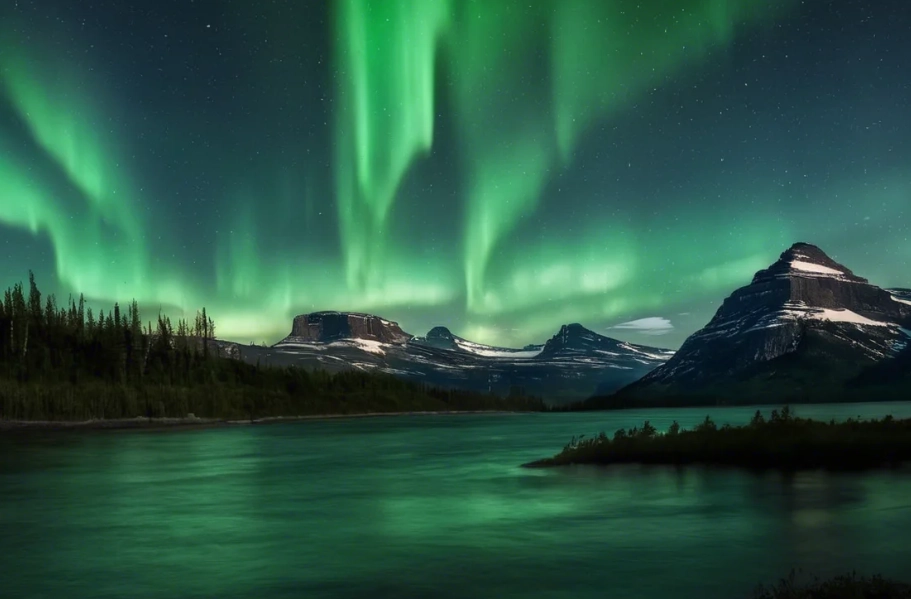
Let's be honest. You've seen those pictures. Swirling curtains of green and purple dancing over a snowy mountain or a serene lake, and you thought, "I need to see that." But then you start looking into it, and it gets... complicated. Solar cycles, KP indexes, cloud forecasts – it can feel like you need a degree in astrophysics just to plan a vacation. And where do you even go? That's where the idea of northern lights national parks comes in. It's a genius combo, really. You get the raw, protected wilderness that makes for an epic backdrop, and often, the lack of light pollution that's absolutely crucial for a good show.
I remember my first real chase. I'd done all the reading, picked a date based on some shaky online advice, and drove for hours. I saw a faint glow. That was it. A faint, barely-there glow that my camera picked up more than my eyes. It was disappointing, to say the least. It taught me that finding the right northern lights national park is only half the battle. The other half is knowing the how, the when, and the what-if.
So, let's cut through the noise. This isn't just a list of parks. This is a manual from someone who's been underwhelmed so you don't have to be. We're talking about the top-tier parks for viewing the northern lights, the nitty-gritty of planning, and those little secrets that turn a hopeful trip into an unforgettable one.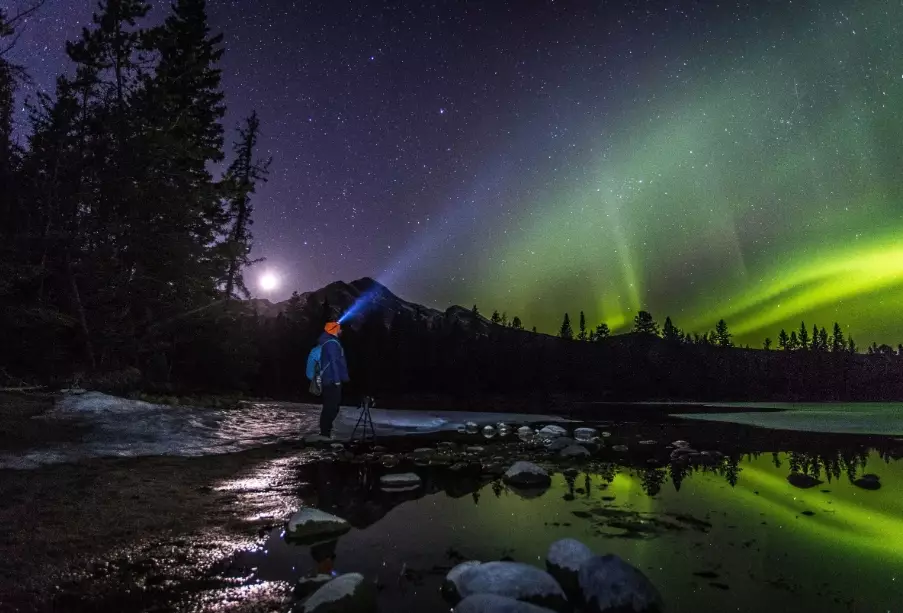
The Top Contenders: Best National Parks for the Northern Lights
Not all parks are created equal for aurora hunting. Latitude is your friend here – you generally need to be within the "auroral oval," a ring-shaped zone around the geomagnetic North Pole. The parks on this list aren't just guesses; they're proven venues with the right geography, dark skies, and infrastructure for visitors. Some are obvious classics, others are hidden gems that don't get the same press but deliver equally stunning shows.
Here’s a breakdown of the heavy hitters, the places where your chances are more than just a lucky roll of the dice.
Massive, open tundra with the colossal Denali as a backdrop. Unmatched scenic potential.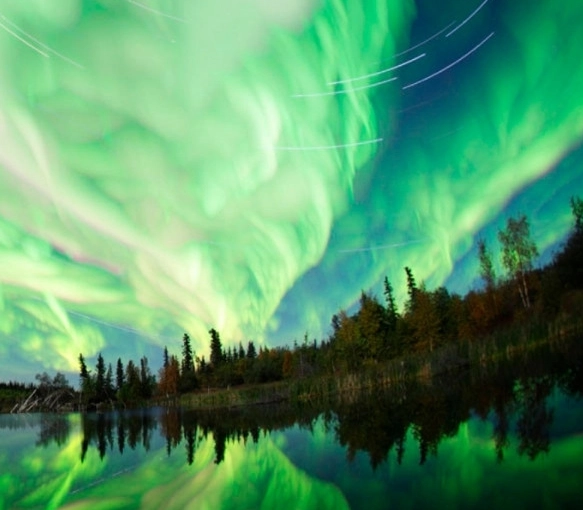
| Park Name & Country | Best Viewing Season | Key Advantage | Consideration / My Take |
|---|---|---|---|
| Denali National Park (USA, Alaska) | Late August to Mid-April | Weather is notoriously fickle. Cloud cover can be a persistent issue. When it clears, though, it's pure magic. | |
| Abisko National Park (Sweden) | September to March | Famous "blue hole" microclimate often provides clear skies even when surrounding areas are cloudy. | It's a specialist. It's expensive to get to, but for serious chasers, Abisko's reputation for clarity is a huge draw. |
| Wood Buffalo National Park (Canada) | September to April | The world's largest Dark Sky Preserve. Extreme darkness guarantees no light pollution. | Remote. Incredibly remote. This is for the adventurous, self-sufficient traveler. Access is a major project. |
| Island of Hawaiʻi Volcanoes (USA, Hawaii) | Year-round (low chance) | Extremely rare low-latitude viewing during major geomagnetic storms. | Don't go here *for* the lights. But if you're there during a historic solar storm, you might witness a once-in-a-lifetime event. |
| Lake Clark National Park (USA, Alaska) | August to April | Stunning combination of lakes, mountains, and volcanoes. Less crowded than Denali. | Access is almost exclusively by small plane. A luxury, wilderness-focused aurora experience. |
| Pallas-Yllästunturi National Park (Finland) | September to March | Fell landscapes offer elevated viewing platforms. Excellent tourist infrastructure nearby. | Part of the popular Finnish Lapland circuit. Can feel less "wild" but is incredibly convenient and comfortable. |
You'll notice a pattern. The top-tier northern lights national parks are in the high north: Alaska, northern Canada, and Scandinavia. That's the sweet spot. Now, Abisko versus Denali? That's a classic debate. Abisko has science on its side with that blue hole. Denali has sheer, awe-inspiring scale. I lean towards Denali for the drama, but I know photographers who swear by Abisko's reliability.
North America's Crown Jewels
For North Americans, the options are incredible and often closer to home than you think. Beyond the famous names, there are parks that offer a different vibe.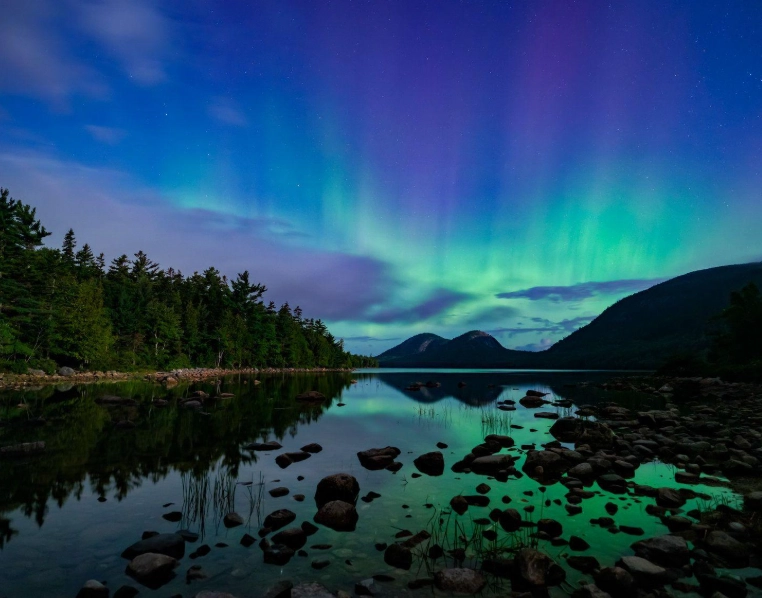
Denali is the king, no question. The park road (private vehicles are restricted) offers access to incredible vistas. Polychrome Pass is a personal favorite spot. But here's a less-known fact: the front country areas near the entrance can also be great if you find a clearing, and you don't have to go deep into the wilderness.
Wood Buffalo is in a league of its own. Designated by the Royal Canadian Geographical Society as a core Dark Sky Preserve, the darkness there is profound. We're talking about a level of night sky visibility that is disappearing from the planet. The challenge, as the table says, is getting there. Fort Smith is your gateway, and you need to be prepared for a rugged trip.
Then there's Voyageurs National Park in Minnesota. It's further south, so the lights are less frequent and often fainter, but during strong solar activity, it's absolutely viable. The advantage? It's more accessible for those in the lower 48. Watching the aurora reflect off the park's countless lakes is a unique experience.
Scandinavia's Arctic Masters
Europe does the aurora with a side of coziness. The concept of "wilderness" is different here – it's often more managed and accessible.
Abisko National Park is the star, scientifically speaking. The Abisko Mountain Station is a hub for researchers and tourists alike. Their aurora sky station, reachable by chairlift, is a dedicated viewing platform that takes you above potential low-level haze. It's a structured, almost guaranteed-good-viewing experience, which some people love and others find a bit too curated.
Pallas-Yllästunturi in Finland offers those iconic shots of lights over frozen fells. The nearby resorts mean you can often pop out of your warm cabin to check the sky – a luxury you don't get in a remote Alaskan wilderness. Finland also has Urho Kekkonen National Park, a massive area with wilderness huts where you can stay overnight, blending adventure with the chance for auroras.
Norway's Lofoten Islands aren't a single national park, but areas like Lofotodden National Park offer the insane combination of jagged peaks rising from the sea and the aurora dancing above. The coastal climate, however, means clouds are a constant battle. When you win that battle, the reward is arguably the most photogenic aurora setting on Earth.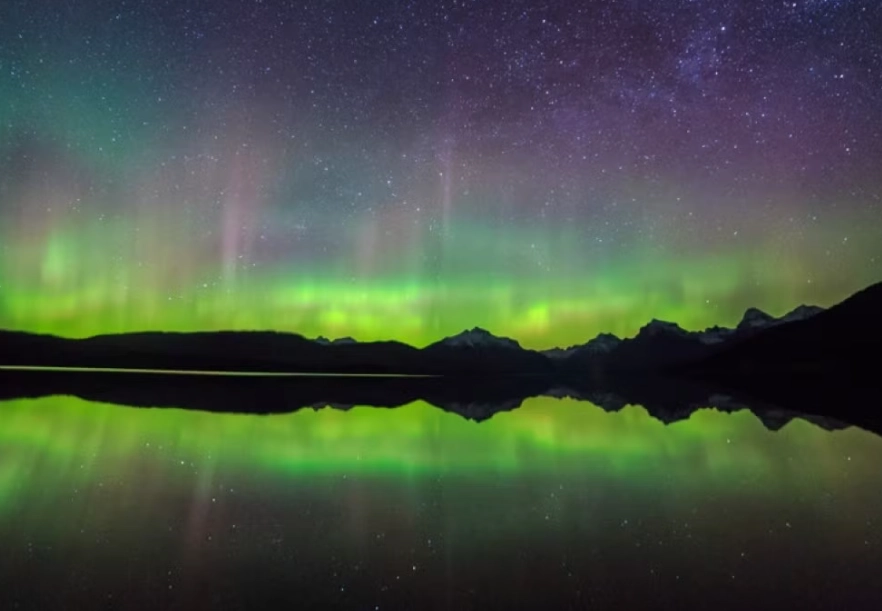
How to Actually Plan Your Northern Lights National Park Trip
Okay, you've picked a park. Now what? This is where most guides get vague. Let's get specific. Planning a trip to see the aurora in a national park involves layers: timing your visit, picking your exact spot within the park, and gearing up properly.
Timing is Everything (And It's Not Just About Winter)
The classic window is winter (September to March) because of the long, dark nights. But there are nuances.
- Equinox Magic: Late September and March often see increased geomagnetic activity. The science is a bit debated, but many seasoned chasers swear by these periods.
- Shoulder Season Perks: Visiting in late August/early September or late March/early April means slightly milder temperatures (crucial in places like Alaska) and more daytime activities (like hiking) are available. The nights are still plenty dark at high latitudes.
- Moon Phase: A full moon illuminates the landscape beautifully for photography but can wash out fainter aurora details. A new moon provides the darkest skies. Decide what you want – a moonlit landscape or the deepest possible sky. There's no right answer.
You absolutely must monitor space weather. The NOAA Space Weather Prediction Center is your bible. Don't just look at the KP index (a 0-9 scale of geomagnetic activity). Look at the Bz component. In simple terms, if the Bz is pointing south (negative), solar particles can connect with Earth's magnetic field more easily, triggering stronger displays. A high KP with a north-pointing Bz might do nothing.
Scouting Your Spot Within the Park
You can't just show up at the park gate at night. You need a plan.
- Check Park Regulations: Some parks close certain roads at night. Some have specific viewing areas. Always check the official park website (like Denali's site) for the most current rules.
- Find a Clear, Northern View: During the day, scout a location. You need an unobstructed view to the north (where the aurora most commonly appears low on the horizon). A lakefront, a large pull-out, a hilltop.
- Safety First: This is wilderness. Tell someone where you're going. Have warm gear, food, water, and a full tank of gas. In bear country, know the protocols. Your aurora spot should be safe, legal, and accessible in the dark.
The Non-Negotiable Gear List
Forgetting something here can ruin your night. This isn't a casual stroll.
- Warmth, in Layers: Merino wool base layers, insulated mid-layer (fleece/down), waterproof and windproof outer shell. Heat escapes from your head and feet – a balaclava and heavyweight thermal socks are lifesavers. I've used toe warmers inside my boots on brutal nights.
- Camera Gear: A DSLR or mirrorless camera with manual mode. A fast, wide-angle lens (f/2.8 or wider). A sturdy tripod – flimsy ones will shake in the wind. Extra batteries (they die quickly in the cold). A headlamp with a red light mode to preserve your night vision.
- Comfort & Sustenance: A thermos of hot tea or soup. Snacks. A thick blanket or pad to stand/sit on. Hand warmers. A comfortable camp chair if you're staying put.
- Apps: My Aurora Forecast, SpaceWeatherLive, and a good cloud forecast app like Windy. These are your real-time scouts.
I learned the hard way about the tripod. A cheap one collapsed in a gust of wind, sending my camera lens-first into the snow. A $30 lesson that cost me $300.
Answering Your Burning Questions (The FAQ Section)
Let's tackle the stuff you're actually typing into Google.
Yes, but it's a rare and special event. It requires a very strong geomagnetic storm (G3 or higher on the NOAA scale). Parks at northern borders like Voyageurs (MN), Acadia (ME), or Glacier (MT) have the best occasional chances. Don't plan a trip around it, but if you live nearby and a big storm is forecast, it's worth driving out to a dark spot in one of these parks.
It's a lifestyle choice. Alaska offers a raw, vast, untamed wilderness experience. The parks feel more remote and wild. Scandinavia offers predictability (especially Abisko), easier logistics within Europe, and a more comfortable, infrastructure-rich experience (think warm lodges and guided tours). Alaska feels like a frontier adventure; Scandinavia feels like a curated Arctic holiday.
It varies by park. In Denali, authorized concessionaires offer night-time tours. In Abisko, the Sky Station is a guided experience. In many parks, especially the more remote ones, you are on your own. Often, the best strategy is to stay in a gateway community (like Fairbanks for Denali or Kiruna for Abisko) where local guides offer tours to optimal spots just outside park boundaries, which can be just as good and less logistically challenging.
In the heart of winter, temperatures in these northern latitude parks can easily be between -10°F and -30°F (-23°C to -34°C), with wind chill making it feel even colder. It is safe if you are prepared with the gear listed above. The danger is in underestimating it. Hypothermia and frostbite are real risks. Know the signs, never go alone if you can avoid it, and have a warm vehicle nearby as a refuge. I set a timer to go back to the car and warm up every 45 minutes.
Making the Decision and Final Thoughts
Choosing your northern lights national park destination boils down to what kind of experience you want. Do you crave absolute wilderness and self-reliance? Look at Wood Buffalo or Lake Clark. Do you want the highest probability of clear skies with some scientific backing? Abisko is calling. Do you want the iconic Alaskan experience with the continent's tallest peak in the frame? Denali is your park.
The key is to build a trip that stands on its own. Fill your days with winter hiking, snowshoeing, dog sledding, or just enjoying the park's winter beauty. Let the aurora be the magnificent potential cherry on top. That way, no matter what the sun decides to do, you come home with incredible memories.
Remember, chasing the northern lights in these pristine protected areas is a privilege. Follow Leave No Trace principles, respect park rules, and help keep these dark skies dark for everyone who comes after you. The silence of a frozen lake under a starry sky, waiting for a hint of green – that's a feeling that stays with you. Sometimes, the anticipation is almost as good as the show itself.
Almost.