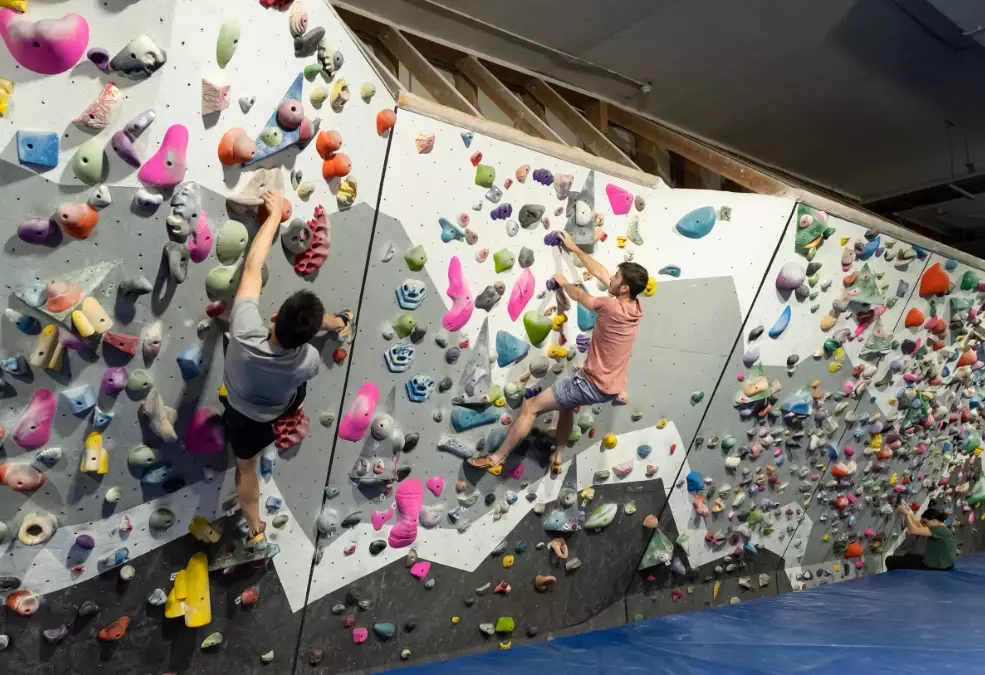
You walk in, and the smell hits you first—a mix of chalk dust, rubber, and sweat. Walls tower overhead, covered in colorful plastic blobs. People are clinging to them, moving with a strange, deliberate grace. It looks impossible. It looks fun. This is your first indoor climbing gym, and you're here because you want to try mountain climbing indoors. Good call. Forget the ice axes and thousand-foot drops for now. This is where you build the foundation, and it's one of the most rewarding fitness journeys you can start.
I remember my first visit a decade ago. I spent 20 minutes just lacing up the rental shoes wrong, then proceeded to haul myself up a wall using only my arms. My forearms gave out in 15 minutes. I was humbled. Since then, I've seen countless beginners make the same mistakes—and some brilliant ones who skipped right past them. This guide is here to help you be the latter.
What's Inside This Guide
What to Really Expect on Your First Gym Visit
Let's get practical. You've found a local gym (a quick search for "climbing gym near me" will do). You show up. Now what?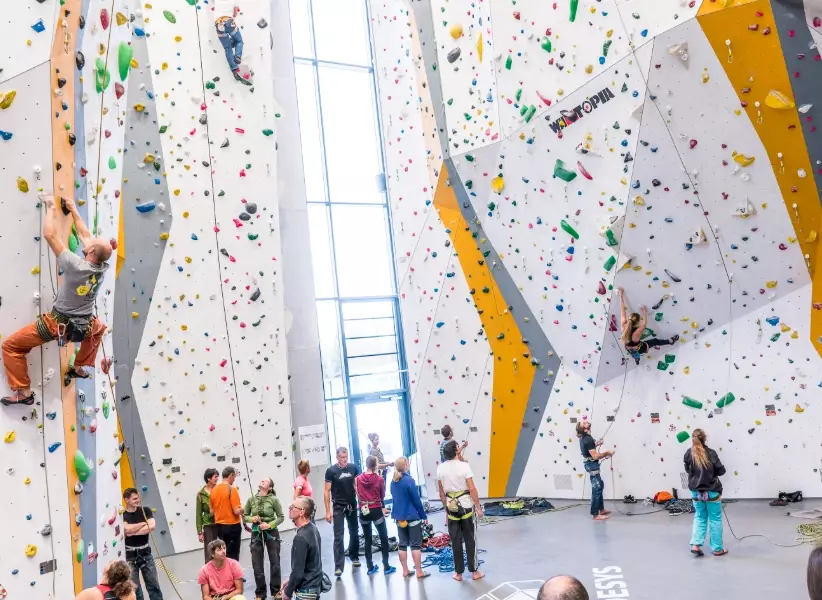
Most gyms operate on a day-pass system. You'll pay an entrance fee ($20-$30) and a rental fee for shoes and a harness if you need one. Always call ahead or check their website. Some require an introductory safety course for top-roping, which might need booking. Others have specific beginner nights. Gyms like The Front Climbing Club or Movement franchises are known for their beginner-friendly setups, but your local independent gym is often just as good, if not more community-focused.
Wear comfortable, flexible clothing you can move in—think gym clothes, not jeans. Avoid baggy pants that might get caught. Bring a water bottle and a lock for the locker. That's it.
The staff at the front desk are usually climbers themselves. Tell them it's your first time. They'll give you the tour: the bouldering area (no ropes, shorter walls, thick mats), the auto-belay lanes (a mechanical device that catches you), and the top-rope area (where you need a partner). They'll show you how to put on a harness correctly (the leg loops are not optional!) and do a quick safety briefing. Pay attention.
Bouldering vs. Top-Roping: Picking Your Starting Point
This is the first big choice. Both are indoor mountain climbing, but they feel like different sports.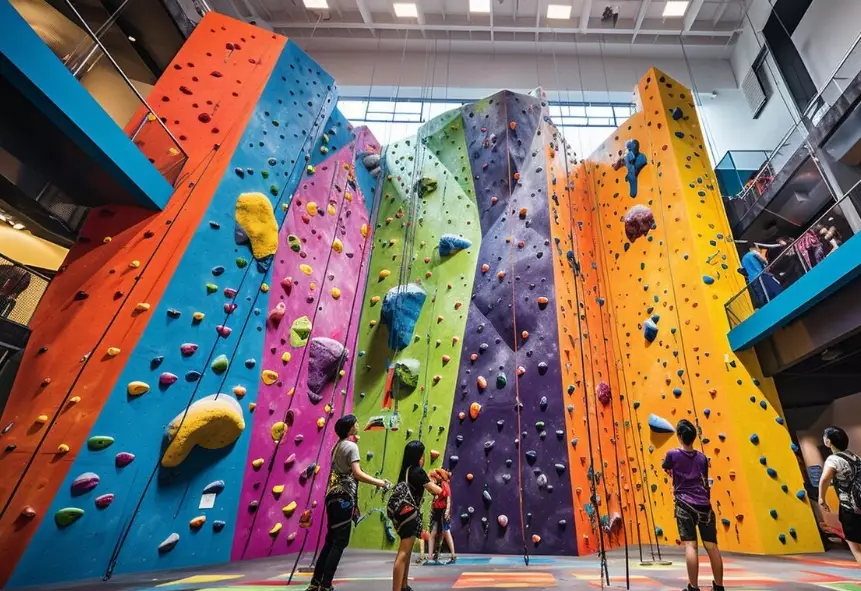
| Aspect | Bouldering | Top-Roping |
|---|---|---|
| Setup | Short walls (12-15 ft), no ropes, crash pads below. | Taller walls (30-60 ft), rope & harness system with a partner or auto-belay. |
| Focus | Power, technique, solving short sequences ("problems"). | Endurance, pacing, managing fear of height, longer routes. |
| Social | Very social. People gather around a "problem," try it, discuss beta (the method). | More partner-dependent. You and your belayer work as a team. |
| Best for Beginners... | ...who want to jump in quickly, work on movement, and don't have a partner. | ...who want to experience height safely, have a partner, or prefer sustained climbing. |
| The Fear Factor | Fear of falling (onto the pad). It's a mental game of trust. | Fear of height and relying on the system/partner. More psychological exposure. |
My advice? Try both in your first few sessions. Start with bouldering to get a feel for the holds and basic movement without the complexity of ropes. Then, take an introductory top-rope class or find a friend who knows how to belay. The American Mountain Guides Association (AMGA) sets industry standards for this kind of instruction, so look for gyms with AMGA-certified instructors if you're serious about learning proper rope skills from the start.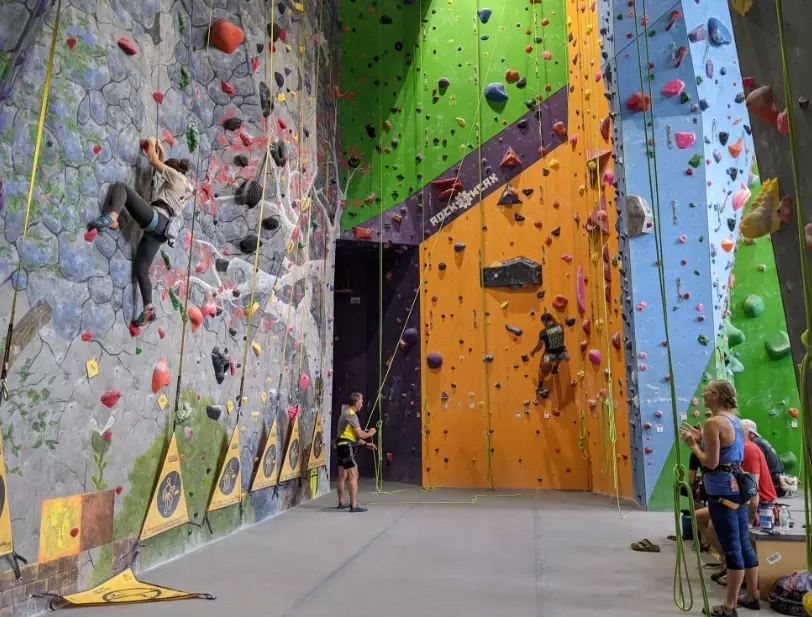
The Bare Minimum Gear You Actually Need
You can rent everything at first. But after 3-5 sessions, if you're hooked, buying your own gear is a game-changer for comfort and hygiene. Here’s the real priority list:
- Climbing Shoes: This is your most important purchase. Rental shoes are often worn out and baggy. Your own shoes should be snug—your toes should touch the end—but not excruciating. A moderate, flat-lasted beginner shoe is perfect. Brands like La Sportiva (Tarantula), Scarpa (Origin), or Black Diamond (Momentum) make great ones. Expect to pay $80-$120.
- Chalk and a Chalk Bag: Sweaty hands slip. Chalk dries them. A simple bag with a belt and a block of loose chalk is all you need. Don't get sucked into liquid chalk or fancy chalk balls yet.
- Harness (for top-roping): If you're doing ropes, your own harness is crucial. It should fit comfortably snug on your waist and legs. Try it on at a store. Make sure you can fit a flat hand between the leg loop and your thigh.
That's it. You don't need a $200 chalk bag, special pants, or a training hangboard. Not yet. Focus on the interface between you and the wall: your shoes and your hands.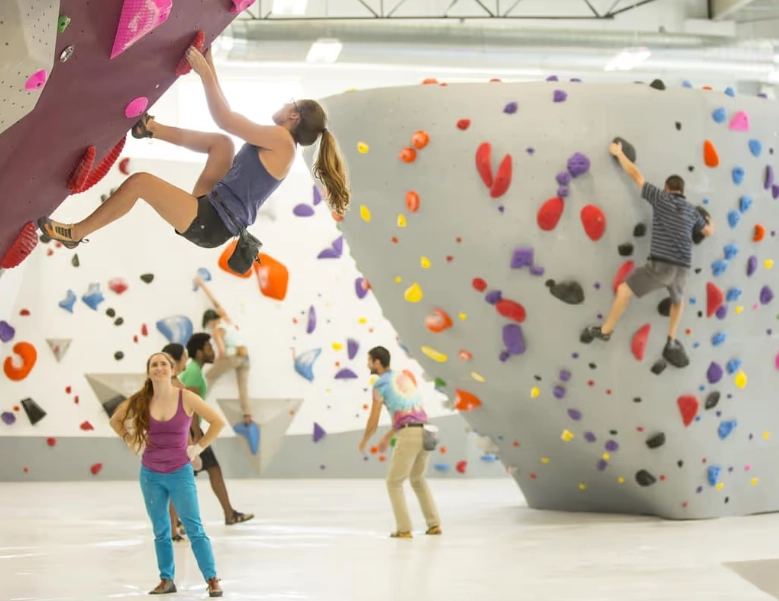
The Technique That Nobody Tells You About
Here's the secret veterans know: climbing is a foot sport. Beginners use their arms to pull. Experienced climbers use their legs to push.
Your legs are stronger than your arms. The goal is to stand up on your feet, not pull yourself up with your arms. This feels counterintuitive. You see a hold above you, and your instinct is to reach for it. Stop.
Silent Feet
Practice placing your foot on a hold deliberately, without making a sound. No scuffing, no repositioning. This builds precision and control. It forces you to look at your foot until it's placed.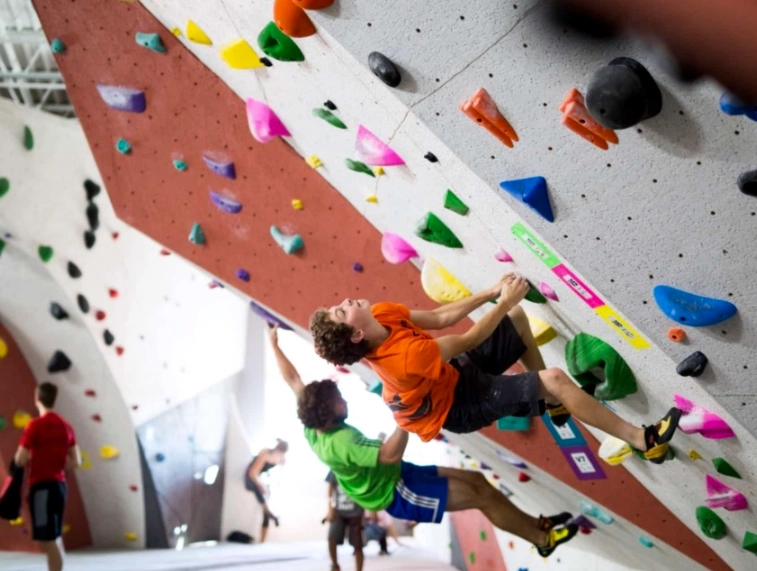
Straight Arms
When you're not actively moving, keep your arms straight. Bent arms fatigue your biceps in seconds. Straight arms let your skeleton hold your weight, saving precious energy. Hang off the holds, don't hug the wall.
Hip to the Wall
This is the big one. Turn your hips sideways and press them into the wall. This brings your center of gravity closer to the wall and allows your legs to push you upward. If your belly button is facing the wall, you're in a weak, energy-sapping position. Think of it like a door on a hinge—your hips are the hinge.
I spent my first six months ignoring this. My progress plateaued hard. Once a coach pointed it out, everything changed. Routes I couldn't touch became possible.
The Hidden Benefits (Beyond Big Arms)
Sure, you'll get stronger. But the real perks are sneakier.
It's a full-body puzzle. Every route is a problem to solve. You're engaging your brain in 3D space, planning sequences, and adapting on the fly. Studies, like those referenced in resources from the British Mountaineering Council, highlight climbing's cognitive benefits, improving problem-solving and focus.
The community is uniquely supportive. Failure is public and frequent—you fall, you try again. Everyone understands the struggle. You'll get unsolicited advice ("beta"), which can be helpful. It's one of the few places where talking to strangers is the norm.
It's a mindfulness hack. When you're 20 feet up, figuring out your next move, you can't think about your inbox. You're fully present. The combination of physical exertion and mental focus is a powerful stress reliever.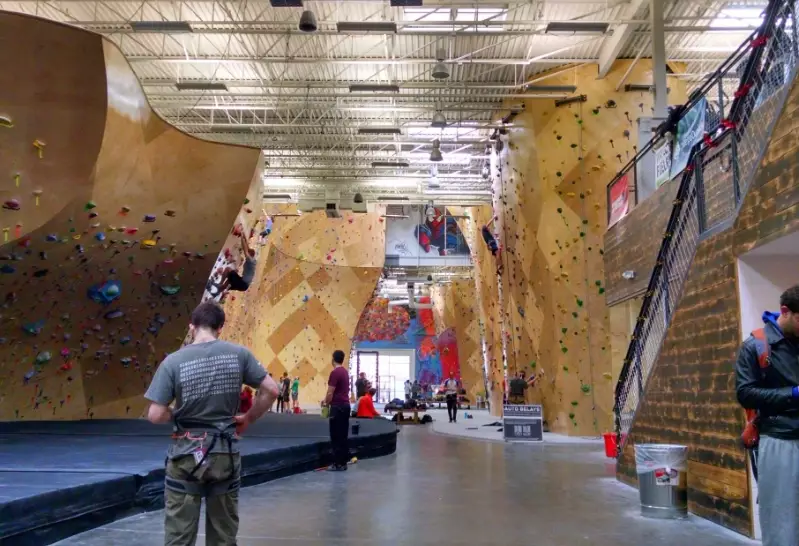
Your Next Steps: From Gym Rat to…
You've got the basics. You're going regularly. What now?
Set a simple goal: "Climb every V1 in the gym" or "Top-rope a 5.8 without resting." Goals give direction.
Find a crew: Ask people working on the same problems as you for tips. Partners for rope climbing are found this way.
Consider a fundamentals class: Most gyms offer them. They're worth the money to correct bad habits early.
And maybe, just maybe, you'll start eyeing that real rock. But that's a story for another guide. For now, the mountain is indoors, and it's waiting.
Questions You're Probably Asking
How do I get over the fear of falling when bouldering indoors?
The fear is real, and it's your brain doing its job. The trick isn't to ignore it, but to systematically build trust. Start by practicing controlled falls from the lowest holds. Jump down, land softly with bent knees, and roll back. Do this ten times in a session. Next, climb just one move above the crash pad and fall. Feel the mat catch you. Gradually increase the height over weeks. Your body needs to learn that the mat works. Also, watch others fall safely. Your brain takes visual cues. A common mistake is gripping harder when scared, which tires you out faster and makes a fall more likely. Instead, focus on your foot placement; solid feet feel secure.
What's the biggest mistake beginners make with climbing shoes?
They buy them too small, thinking extreme pain equals performance. It's a myth. Yes, climbing shoes should be snug—your toes should touch the end—but they shouldn't cripple you. If you can't keep them on for a full 30-minute bouldering session, they're too tight. Pain distracts from technique. You'll be ripping them off between every attempt, which breaks your flow. For your first pair, aim for 'firm handshake' tight, not 'vice grip.' You need to learn to trust your feet on small holds, and you can't do that if your feet are screaming. Performance comes from precision, not punishment.
Is indoor climbing alone a good enough workout for overall fitness?
It's an excellent foundation, but it creates imbalances. Climbing is primarily a pulling and gripping exercise. Your back, biceps, and forearms get strong. But it neglects pushing muscles (chest, triceps) and doesn't provide much cardiovascular work unless you're doing intense circuit training on the wall. To avoid injury and build a balanced physique, you need to complement climbing with pushing exercises like push-ups or overhead presses, and some form of cardio. Many climbers get 'climber's elbow' (medial epicondylitis) from this imbalance. Think of climbing as your sport-specific skill work, and add 20 minutes of antagonistic (opposing muscle) training and cardio after your session.
How often should a beginner climb indoors to see progress without injury?
Start with two sessions a week, with at least two full days of rest in between. Your tendons and ligaments strengthen much slower than your muscles. You might feel your muscles are ready to go again in 24 hours, but your pulleys (the rings that hold your finger tendons to the bone) are not. Progress is not linear in climbing. The first few months are about neural adaptation—your brain learning to recruit muscles efficiently. More frequent, shorter sessions (like 90 minutes) are better than one marathon 4-hour session that leaves you destroyed for a week. Listen to your fingers. If they feel sore or stiff in the joints (not the muscles), take an extra day off. Consistency over intensity wins the long game.