You see someone float up a climb, their movements smooth and controlled. Then you try it, and it feels like a desperate fight against gravity, your arms burning after three moves. What's the difference? It's rarely raw strength. It's almost always technique.
Indoor climbing gyms are perfect labs to learn these skills. The holds are fixed, the grades are marked, and the mats are soft. But most climbers, especially in their first few years, plateau because they focus on getting stronger instead of getting smarter. I spent years making that same mistake, muscling through problems until my fingers gave out. The real progress started when I stopped trying to pull harder and started learning how to move better.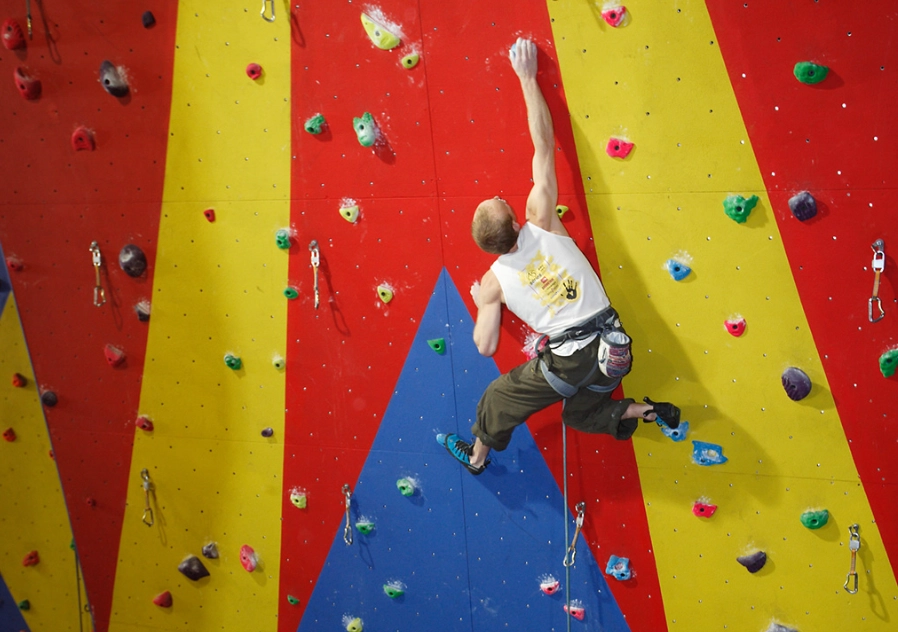
What You'll Learn
The Foundations That Matter Most
Forget fancy dynos for a second. The entire sport is built on two things: where you put your feet, and where you put your center of mass.
The Core of Climbing: Footwork and Balance
Your legs are your biggest muscles. Using them is non-negotiable. Good footwork isn't just stepping on holds; it's precise engagement.
Silent Feet: This is the best drill in existence. Place each foot deliberately and quietly on the hold. No scraping, no tapping. It forces you to look at your foot until it's perfectly placed. Do this on an easy route for a whole session. It's boring. It's also transformative.
Edging vs. Smearing: On a defined edge, use the inside edge of your shoe—the big toe area—for maximum power and precision. On a blank or slopy surface, you need to smear. Press the entire rubber sole of your shoe against the wall, creating friction. The key here is to keep your heel low to maximize surface contact. A high heel on a smear is a one-way ticket to slipping off.
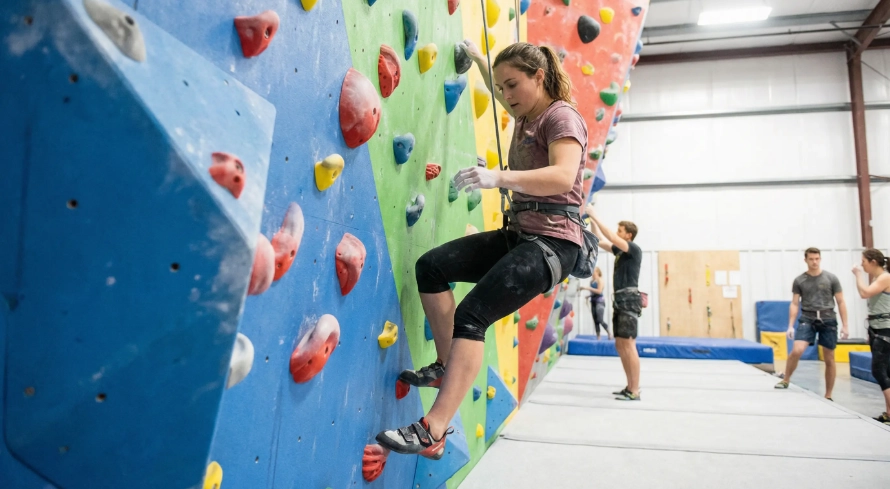
Balance is the other half. It's about keeping your hips (your center of gravity) over your feet. On a vertical wall, that often means keeping your hips close to the wall. If your arms are straight and you're leaning back, you're fighting physics. Try this: on an easy slab, climb with your hands in your pockets. You'll learn real fast how to shift your weight over your feet.
How to Read a Climbing Route Like a Pro?
You don't just start climbing. You study. Route reading is the skill of planning your sequence before you leave the ground. Beginners see a wall of colorful holds. Experienced climbers see a series of body positions and weight transfers.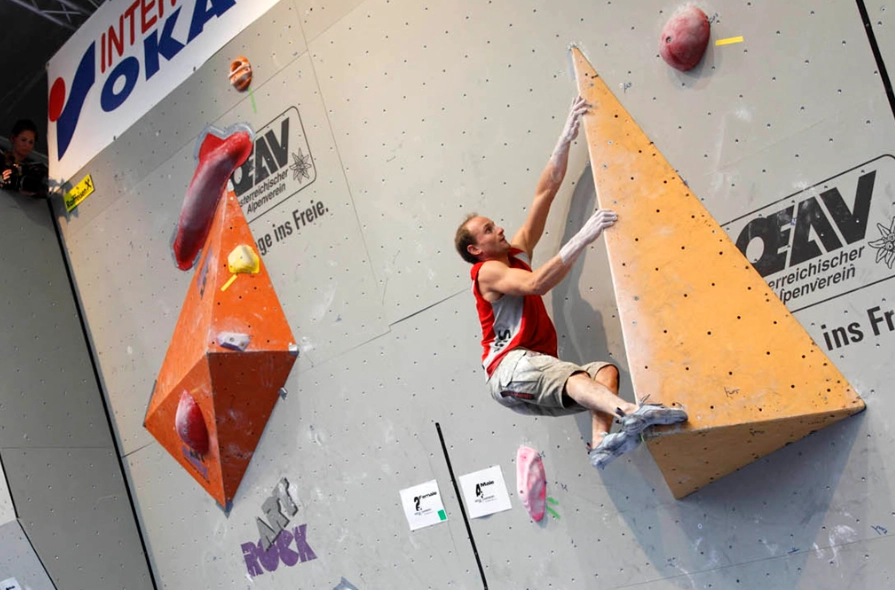
Start from the top. Find the final hold. Then, work backwards. Ask yourself:
What body position do I need to be in to grab that final hold comfortably? Which foot will be high, which will be low? Which hand will be free?
Now, look at the hold before that. How do I get from that hold into my finishing position? This reverse engineering helps you identify the crux—the hardest move—and plan your energy accordingly. You might need to save a specific hand for a specific hold, or make sure your right foot is on a certain chip before launching left.
Look for resting spots. A good jug where you can shake out your arms. A decent foothold ledge where you can stand and re-chalk. Plan your route like a road trip with gas stations.
And here's a pro tip: watch someone else climb it first. See where they struggle, where they place their feet. But don't blindly copy their beta (sequence). Their height, wingspan, and flexibility are different. Adapt their sequence to your body.
Bouldering-Specific Skills for Powerful Problems
Bouldering is problem-solving gymnastics. It's short, intense, and technical. The skills here are about explosive power and complex body coordination.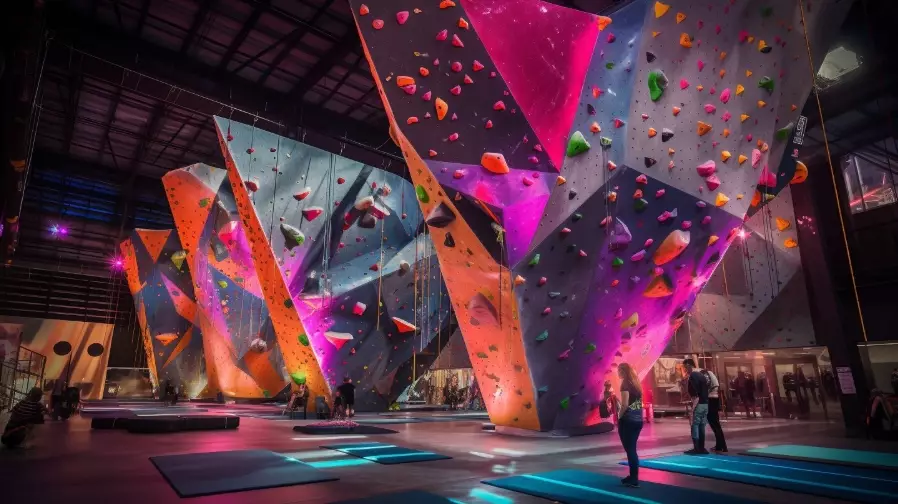
Heel Hooks and Toe Hooks: These aren't just for show. A heel hook uses your heel to pull your body in, taking weight off your arms. It's crucial for traverses and roof sections. The trick is to actively pull with your hamstring, not just rest your heel there. A toe hook is the opposite, using the top of your toe to hook a hold and prevent you from swinging. It's a game-changer on steep terrain.
Flagging: This is the number one balance technique for bouldering. When you're reaching with your right hand, and your right foot is on a hold, your left side can swing out wildly. To counter this, you flag your left leg out to the side, pressing it against the wall for balance. It acts like a counterweight. There's an inside flag (leg behind the weighted leg) and an outside flag (leg in front). Practice both.
Dynos (The Dynamic Jump): The crowd-pleaser. It's not just jumping and hoping. It's a controlled launch. Crouch down, load your legs, look at the target hold, and explode. Your arms should be following the momentum, not initiating it. And for goodness sake, practice falling first. The International Federation of Sport Climbing (IFSC) highlights dynamic movement as a core component of modern bouldering competitions, but it starts with control in the gym.
Roped Climbing Efficiency for Longer Routes
Top-roping and lead climbing are marathons, not sprints. The goal is to move continuously and economically to save energy for the crux.
Straight Arms Are Happy Arms: When you're not actively moving, straighten your arms. Your skeletal system holds your weight, not your biceps. Bent arms fatigue in seconds. Get in the habit of finding a stable position, then letting your arms hang straight. Shake them out one at a time.
Climbing with Your Skeleton: This is an extension of straight arms. On vertical or less-than-vertical terrain, you can often twist your hips and torso to reach a hold while keeping your arms straight. It's about creating a line of tension through your bones, not constant muscular contraction.
Resting and Breathing: This is a mental skill. When you find a good rest, actually rest. Breathe deeply. Shake out your arms systematically. Don't just panic and rush to the next move. Plan your next two or three moves while you're recovering. Many climbers, as reported in analyses by sources like Climbing magazine, fail on routes not because they can't do the moves, but because they don't manage their pump (forearm fatigue) through smart resting.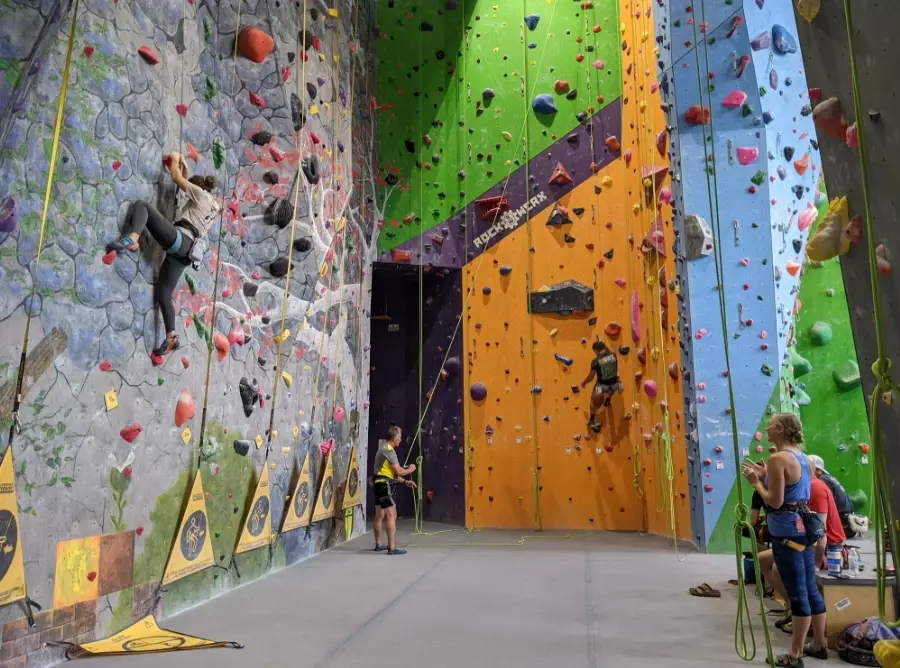
Advanced Body Mechanics to Break Plateaus
This is where you start to feel the climb, not just do it. These concepts separate V4 climbers from V6 climbers.
Drop Knees: When you need to reach far to the side, turning your hip into the wall by dropping the inside knee down creates incredible reach and stability. It brings your shoulder closer to the wall and allows you to use your lower body to push, rather than your arms to pull.
Backstepping: This is using the outside edge of your foot on a hold, with your hip turned away from the wall. It feels counterintuitive, but on steep terrain, it allows you to generate inward pressure and keeps your body from barn-dooring (swinging out). It's a powerful tool for moving laterally on an overhang.
Body Tension: On steep walls, you can't just stand on holds; you have to actively pull your feet into the wall with your core and leg muscles to stop them from peeling off. It's like doing a constant, subtle crunch. This full-body engagement is what makes overhangs so physically demanding but also so technique-rich.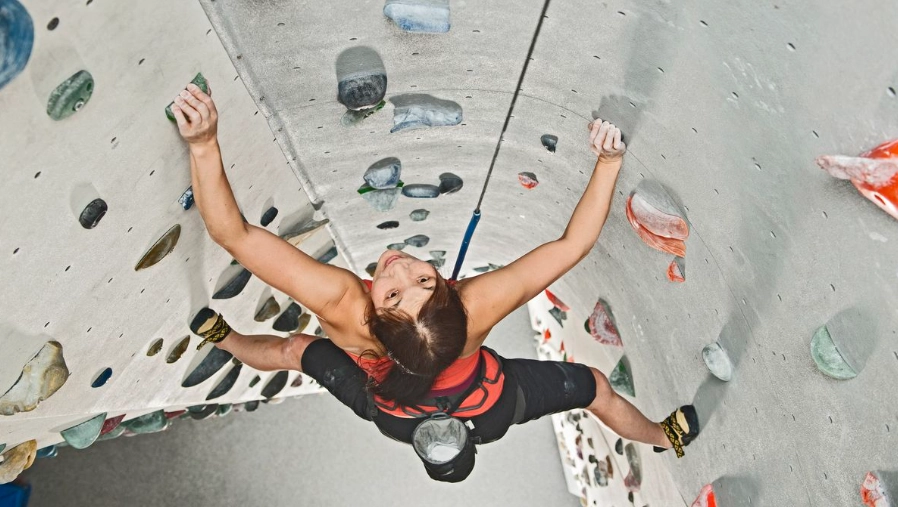
Common Technical Errors (And How to Fix Them)
We all develop bad habits. Spotting and fixing them is faster than getting stronger to compensate for them.
Over-gripping: You're squeezing every handhold for dear life. Your forearms blow up fast. Consciously practice using the minimum grip strength needed to stay on. On jugs, you can often just hook your fingers, not crimp them. Relax your shoulders while you're at it.
Foot Dabbing: Constantly re-adjusting your feet after you've placed them. It's a huge energy drain. Commit to the first placement. Do the "silent feet" drill to cure this.
Ignoring Small Feet: That tiny chip is useless, right? Wrong. Even a 2mm edge can support your weight if you place your foot precisely and trust it. Learning to trust small feet opens up a universe of new sequences. Stand on them, don't just tap them.
Rushing the Sequence: You get pumped and start lunging for holds. This almost always makes things worse. When you panic, pause for one second. Breathe. Look at your feet. Find the next solid position. Then move deliberately. Slow is smooth, and smooth is fast.