You know that feeling. The trailhead sign fades behind you, the air gets thinner and cooler, and the only sounds are your boots on the dirt and the wind in the trees. That's the magic of the mountains. It's also the moment your safety becomes one hundred percent your responsibility. I've spent over a decade guiding and hiking in ranges from the Rockies to the Alps, and the single biggest mistake I see isn't a lack of fitness—it's a lack of a concrete safety plan. Mountain safety tips aren't a checklist you skim; they're the foundation of every successful trip.
This guide cuts through the generic advice. We're going beyond "tell someone where you're going" and into the how and why. We'll build your safety plan from the ground up, covering the non-negotiable prep work, the gear that actually matters (and the stuff that's just marketing), the navigation skills that prevent 90% of emergencies, and how to react when things go sideways.
Your Mountain Safety Checklist
How to Plan Your Mountain Route Like a Pro
This is where most trips are made or broken before you even lace up your boots. Good planning isn't restrictive—it gives you freedom and confidence.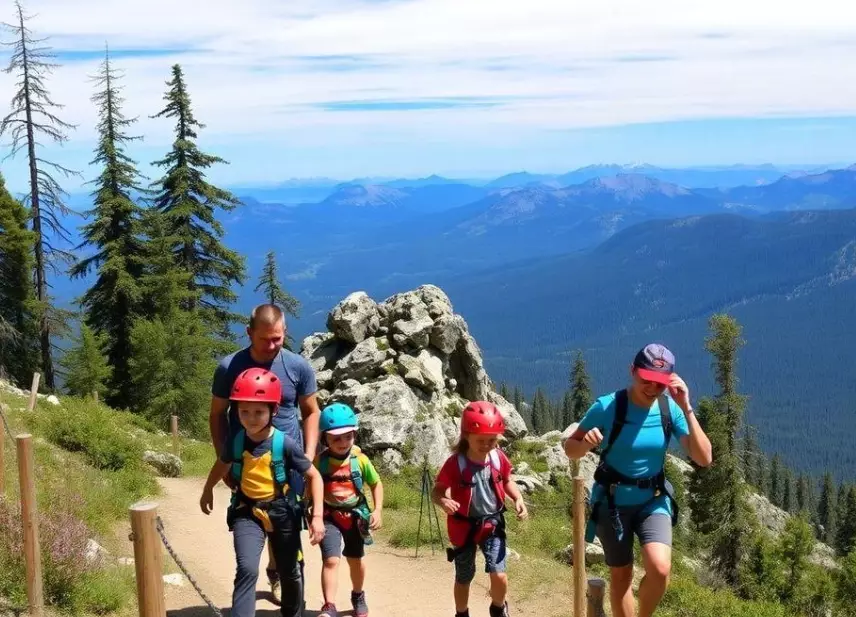
First, research is everything. Don't just look at the trail name and distance. Dig into recent trip reports on sites like AllTrails or SummitPost. Was there a snowfield blocking the path last week? Is the water source dry? I once planned a three-day trek based on a guidebook, only to find the key bridge washed out. A recent forum post saved me a major detour.
Next, understand the metrics. Elevation gain is a bigger factor than distance. A 5-mile hike with 3000 feet of gain is a different beast than a 10-mile flat walk. Use tools like CalTopo or Gaia GPS to map your route and get a profile. Be brutally honest about the group's slowest member's pace, not the fastest.
Pro Tip: Your turn-around time is the most important time of the day. Decide on a hard turn-around time before you start, based on daylight and your pace. If you haven't reached your summit or goal by that time, you turn around. No debates, no "just another 30 minutes." This one rule prevents most night hikes and desperate situations.
Finally, the communication plan. "Telling someone" is vague. Leave a detailed trip plan with a responsible person. It should include:
- Exact trailhead and planned route (with map screenshots).
- Description of your car and license plate.
- Everyone in your group's names and emergency contacts.
- Your planned return time and, crucially, the time they should call for help if they haven't heard from you (the "call time"). The National Park Service recommends this protocol highly.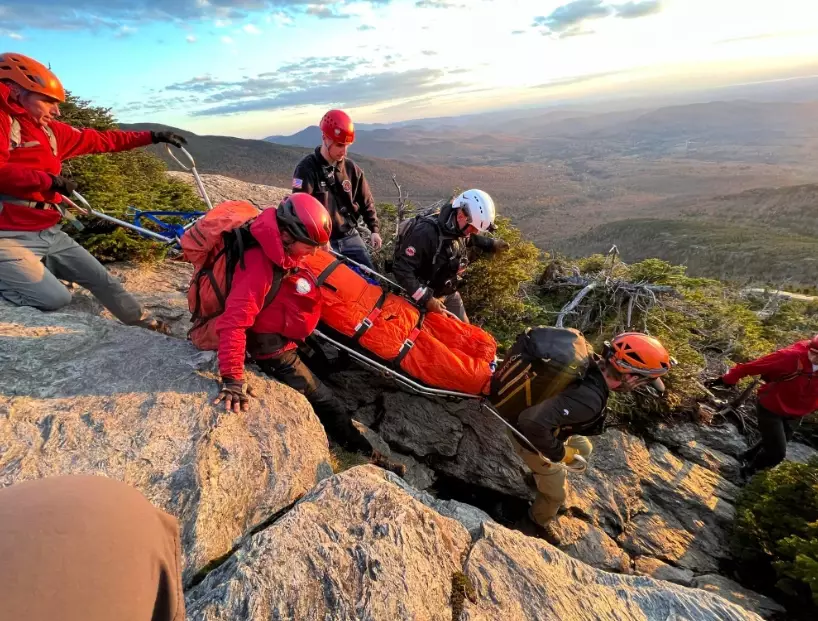
The Gear Essentials: Beyond the 10 Essentials List
Everyone talks about the Ten Essentials. But packing them is one thing; knowing how and when to use them is another. Let's break down the critical ones.
| Essential | Common Mistake | Expert Fix |
|---|---|---|
| Navigation (Map & Compass) | Relying solely on a phone or GPS device. | Carry a detailed paper topographic map and a compass, and know how to orient the map. Practice this in a familiar park first. |
| Insulation (Extra Clothing) | Bringing one heavy jacket. | Use the layering system: moisture-wicking base, insulating mid (fleece/puffy), waterproof/windproof shell. Pack an extra base layer—sweat happens. |
| Sun Protection | Skipping it on cloudy days. | UV intensity increases with altitude. Use SPF 30+ sunscreen, lip balm with SPF, sunglasses (UV400), and a wide-brimmed hat. Every time. |
| Illumination (Headlamp) | Old batteries or a cheap light. | Carry a quality headlamp with fresh batteries (plus spares). Test it before you go. A red-light mode preserves night vision. |
| First Aid Kit | A pre-made kit you've never opened. | Customize it. Add blister care (moleskin, leukotape), personal meds, and know how to use the contents. A course from the American Red Cross is invaluable. |
My personal non-negotiable? Foot care. Your hike ends when your feet do. Quality, broken-in boots and moisture-wicking socks (bring a spare pair) are vital. I pack a small kit with leukotape pre-cut into strips—applied at the first hint of a hot spot, it's better than any blister treatment.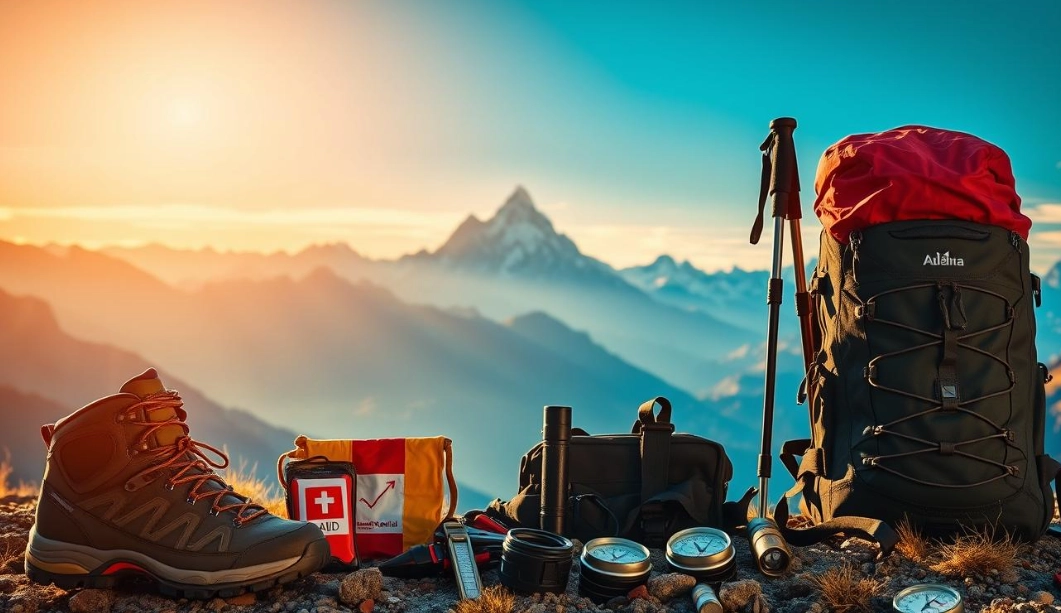
Navigation Skills That Actually Work When Your Phone Dies
GPS is a miracle, but it's a supplement, not a replacement for basic skills. Batteries die, screens break, signal drops.
Start with the basics: orienting your map. Match the north on the map to north in the real world using your compass. Now the map matches the terrain around you. Sounds simple, but most people never do it.
Contour lines are the secret language of topography. Spend 15 minutes before your trip tracing your route on the map. Identify the steep sections (contour lines close together), the ridges, and the drainages. If you lose the trail, knowing you need to go downhill to find a stream can save you.
The Big Error: The "I'll just go back the way I came" assumption on a loop trail. On unfamiliar terrain, especially above treeline or in featureless basins, your inbound and outbound perspectives look completely different. You must actively track your location on the map as you move.
Practice "handrailing" and "catching features." Handrailing is using a linear feature like a stream or ridge to guide you. A catching feature is something obvious, like a road or a large lake, that tells you you've gone too far. Plan these into your route.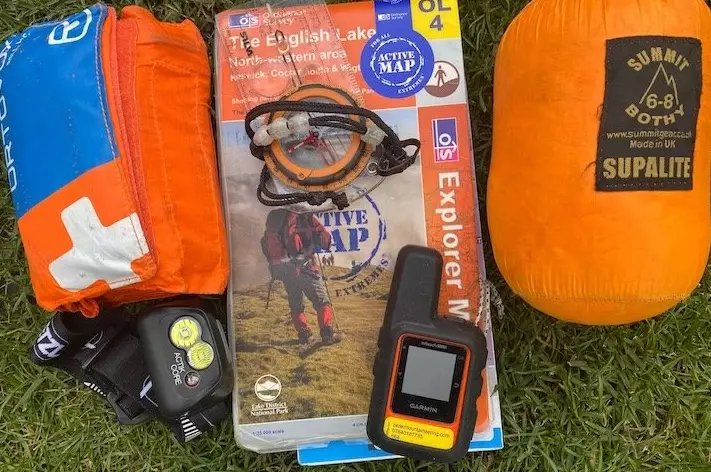
Handling Mountain Weather and Terrain Hazards
Mountains make their own weather. A sunny trailhead can be a stormy summit.
Lightning is a top killer. If you hear thunder, you're already in danger. Get off ridges and summits immediately. Avoid isolated trees, open fields, and water. The safest place is in a forest of uniform height or in a low point like a ravine (watch for flash floods). Crouch on your insulated sleeping pad with your feet close together.
Hypothermia can occur even in temperatures above freezing, especially with wind and rain. The classic sign isn't shivering—it's confusion, slurred speech, and lethargy. Prevention is key: stay dry (sweat is the enemy), eat high-energy food constantly, and add layers before you get cold. If someone shows signs, get them into dry clothes, shelter from wind, and provide warm drinks and calories.
River crossings are deceptively dangerous. Loosen your pack straps so you can ditch it if you fall. Face upstream, shuffle sideways, and use trekking poles or a sturdy stick for a third point of contact. If water is above your knees and moving fast, find another way.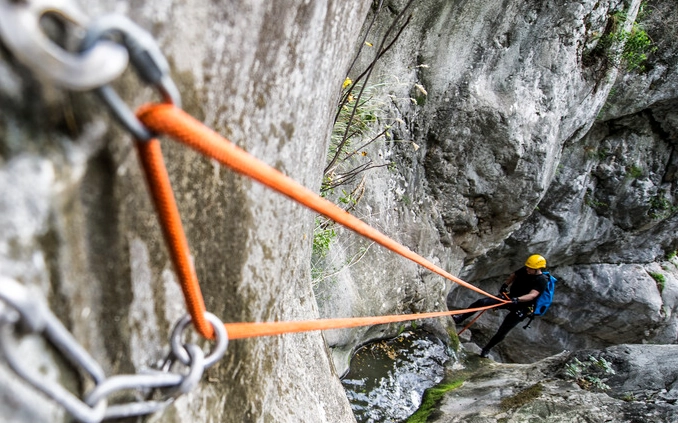
Emergency Response: From First Aid to Getting Rescued
Stay calm. Panic wastes energy and clouds judgment. Assess the situation using the acronym STOP: Stop, Think, Observe, Plan.
For injuries, treat what you can. Most mountain emergencies are sprains, cuts, or breaks. Immobilize the injury, keep the person warm and hydrated. Your goal is to stabilize the situation and prevent it from getting worse.
If you need rescue, you need to communicate that clearly. Three of anything is a universal distress signal: three shouts, three whistle blasts, three flashes of a light. In open terrain, make large X's or SOS symbols with rocks or branches.
If you have a device, call 911. Be ready to give your exact location (GPS coordinates from your phone or map), the nature of the emergency, the number of people, and any injuries. Stay put once you've called for help unless moving is absolutely necessary for immediate safety.
Remember, search and rescue operations are risky for the rescuers too. Being prepared is the best way to ensure you never have to make that call.
Your Mountain Safety Questions Answered
What's the single most overlooked piece of safety gear?
A dedicated emergency whistle. Your voice gives out after a few shouts, but a whistle pierces wind and carries for miles. It's lightweight, cheap, and attached to every pack I own. Three sharp blasts means trouble.
How do I choose a safe spot to camp in the backcountry?
Look for the acronym NOT: Not On the Trail (for privacy and to avoid startling others), Not On a Ridge (exposed to wind/lightning), and Not At the Top of a Drainage (cold air sinks, making it the coldest spot). Find a flat, durable surface like established sites or bare ground, at least 200 feet from water sources.
I'm hiking alone. What extra precautions should I take?
Your margin for error shrinks to zero. Double-check your navigation, be even more conservative with weather and turn-around times, and invest in a reliable satellite communicator (like a Garmin inReach or SPOT). Share your live track with your emergency contact if possible. I hike solo often, but my trip plan is always ironclad.
What's the real risk from wildlife like bears or mountain lions?
Statistically, far lower than risks from weather, falls, or getting lost. For bears in known country, carry bear spray and know how to use it (it's not bug spray—you create a cloud between you and the animal). For all wildlife, make noise on blind corners, store food properly, and never approach. Most want to avoid you.
My friend is exhausted and doesn't want to go on, but we're close to the summit. What do we do?
You turn around. Full stop. Summit fever is a dangerous mindset. Exhaustion leads to poor decisions, trips, and falls. The mountain will be there another day. The safe return of every member is the only goal that matters. Celebrate the turn-around point as a wise group decision, not a failure.