I remember my first climbing gym session. I powered up the wall using pure arm strength, my feet scrambling for any purchase. I was exhausted after three routes. A decade later, I watch new climbers do the same thing. The real game-changer wasn't getting stronger arms—it was learning how to climb efficiently. Good rock climbing techniques transform the sport from a brutal test of strength into a graceful puzzle of movement, balance, and mental focus. Let's break down the skills that matter, from the ground up.
Your Quick Route to Climbing Mastery
The Foundation: It's All in the Feet
If I could give one piece of advice to every new climber, it's this: look at your feet until they are solidly placed. Every time. Your legs are the strongest part of your body, and proper climbing footwork is the single biggest lever for improvement.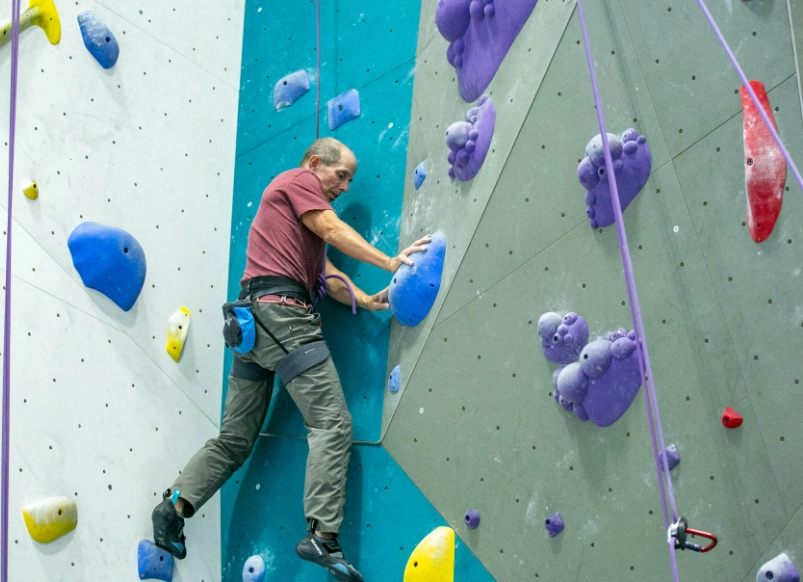
How to Improve Your Climbing Footwork (The Silent Feet Method)
Climb an easy route. Your only goal is to place each foot on a hold without making a sound. No scraping, no stomping. This simple drill forces you to be intentional. You'll start noticing the texture of the hold, the best angle for your shoe's rubber, and how to use your toes with precision.
Most beginners use the inside edge of their shoe for everything. You need to develop a vocabulary with your feet:
- Inside Edge: Your workhorse. Great for edging on small footholds.
- Outside Edge: Crucial for turning your hip into the wall on side-pulls and underclings.
- Toe / Big Toe: For smearing on slabs or pressing directly down on a chip.
- Heel Hook: A rest-saving technique where you hook your heel on a hold to pull your body in.
- Toe Hook: Less common, but essential for certain overhangs to prevent you from swinging out.
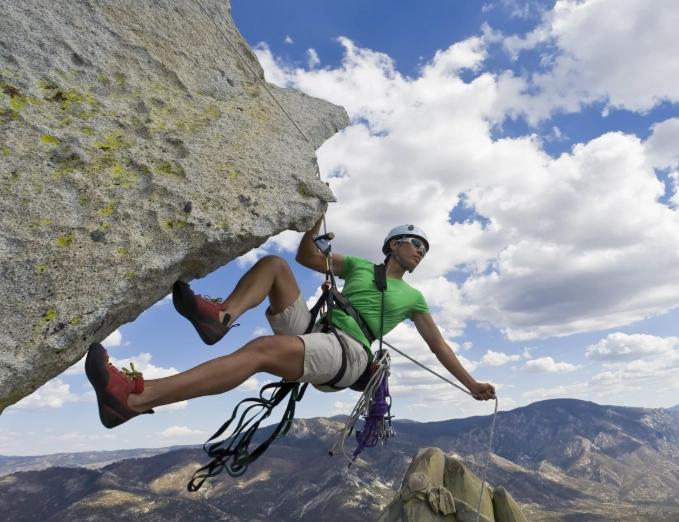
Balance and Body Positioning
Climbing isn't about pulling yourself up. It's about standing up. Your arms are for balance and pulling through crux sections; your legs do the lifting.
The core concept here is center of gravity. You want to keep it over your feet as much as possible. This often means doing things that feel wrong.
The "Hip In" vs. "Hip Out" Rule
On vertical or slabby terrain, you generally keep your hips close to the wall. This centers your weight over your feet. On overhanging terrain, you must push your hips away from the wall to get your feet underneath you. If your hips are glued to an overhang, your feet will cut loose immediately.
Another subtle mistake: keeping arms bent all the time. A straight arm is a resting arm. It allows your skeleton to bear the weight, not your biceps. Look for opportunities to straighten your arms and shift your weight onto your legs.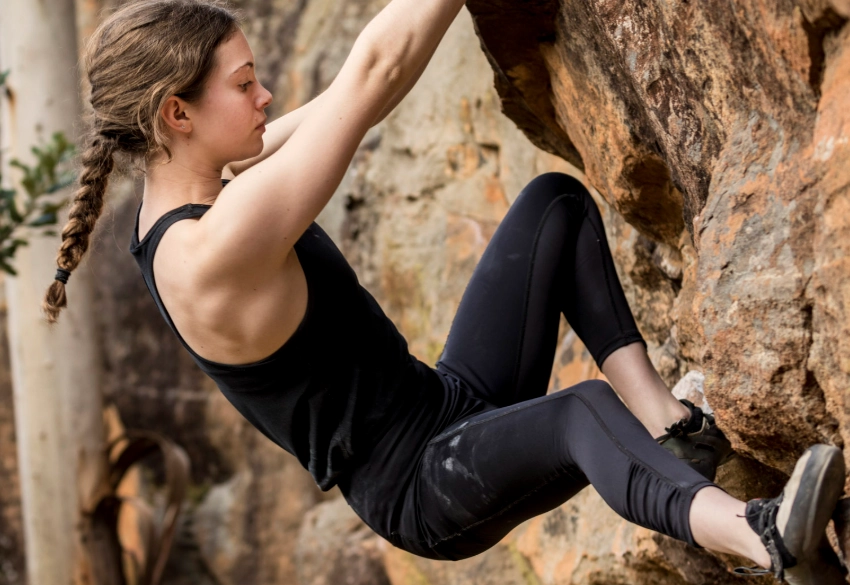
Dynamic Movement and Advanced Techniques
Static movement—moving one limb at a time with control—is the foundation. But to break into harder grades, you need to be comfortable with dynamics. A dyno is the most obvious example, but dynamic movement is often just a small, controlled jump or lunge to the next hold.
The key is coordination. You don't just jump with your legs. You pull with your arms, push with your legs, and aim your hand all in one fluid motion. Practice on a spray wall or boulder problem designed for it. Start small. The goal is to catch the hold accurately, not just touch it.
Other advanced techniques include:
- Flagging: Dangling a leg out to the side to counterbalance your body and prevent a barn door swing.
- Drop Knee: Rotating your knee inward to get your hip incredibly close to the wall, providing leverage on otherwise impossible reaches.
- Mantling: Pushing down on a hold to get your body over it, like getting out of a swimming pool.
Lead Climbing and Beyond
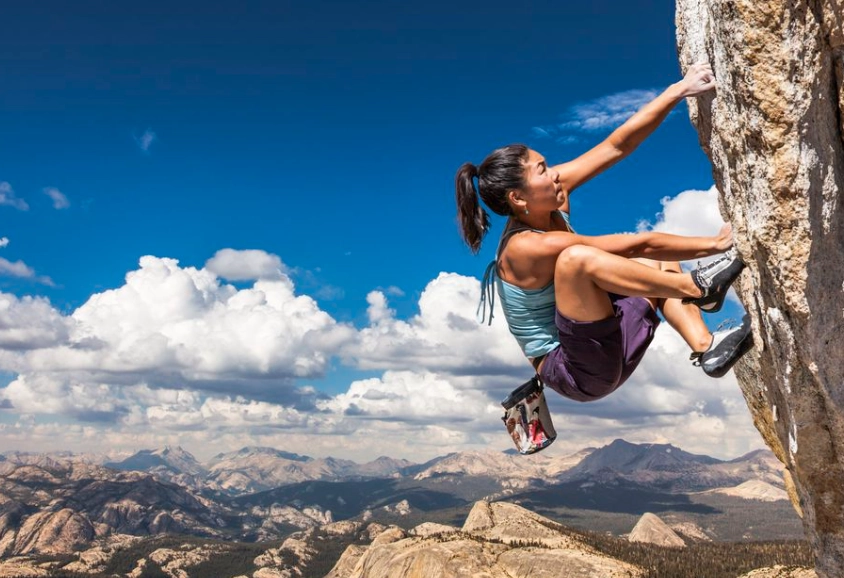
Top-roping is climbing with a safety net. Lead climbing is the real deal, where you clip the rope into protection as you go. The techniques here are as much about risk management as movement.
Good lead climbing tips start with rope management. Don't let loops of rope get behind your leg—that's a recipe for a dangerous backflip if you fall. Clip efficiently. Extend quickdraws on wandering routes to reduce rope drag, which can make pulling rope and even falling much harder.
The mental leap is the fall. You must trust your gear, your belayer, and the system. Taking practice falls in a safe, controlled environment (like above a bolt on an overhang at the gym) is non-negotiable for building this mental resilience. The American Mountain Guides Association (AMGA) emphasizes progressive fall practice as a core component of lead climbing instruction.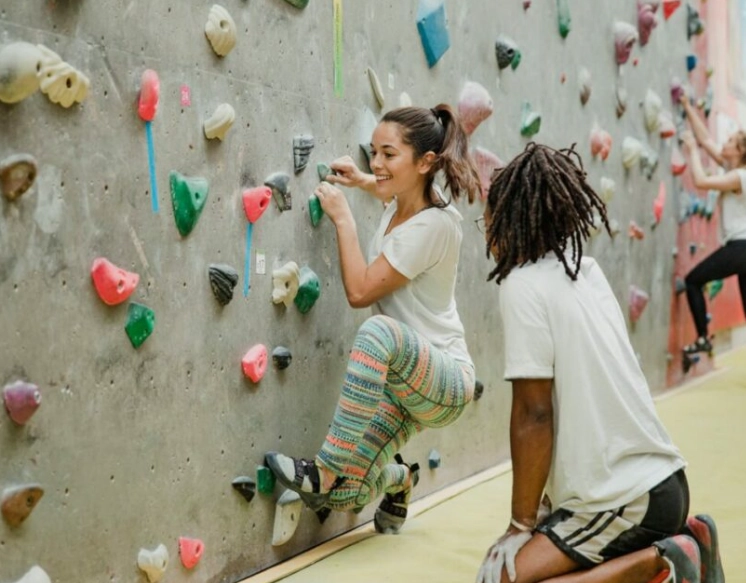
The Gear and Mental Game
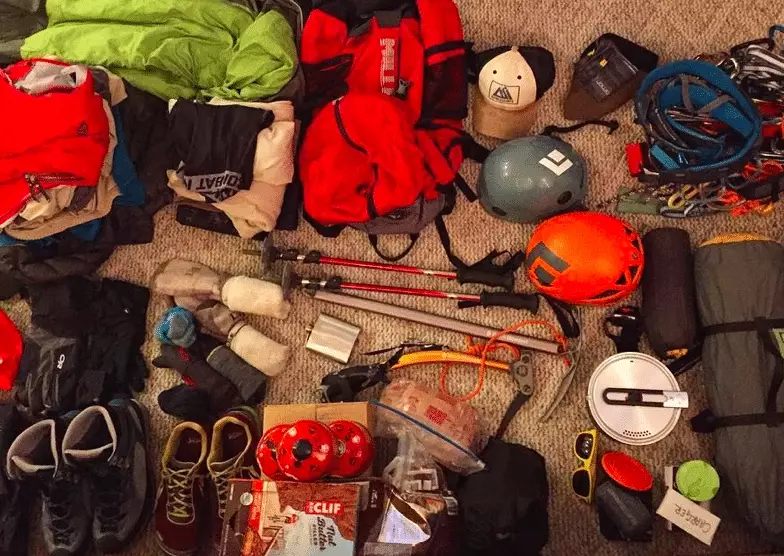
Your gear needs to be second nature. Harness buckled correctly? Double-backed. Knot tied? Figure-eight follow-through, with a sufficient tail. Belay device threaded properly? Check, check, and check. This ritual isn't paranoia; it's the foundation of climbing safety.
The mental game is what separates good climbers from great ones outdoors. It's about route reading. Before you leave the ground, study the line. Identify the crux, look for rest spots, and plan your sequence. This "climbing with your eyes" saves immense energy. On the rock, you'll face fear, frustration, and doubt. Breathing techniques—slow, deliberate breaths from the diaphragm—can calm your nervous system and help you think clearly when pumped.
Putting It Together: Training for Progression
You don't get better at climbing by just climbing randomly. You need intent.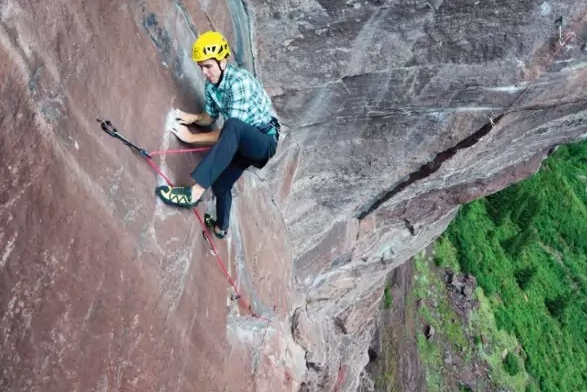
- Skill Days: Focus purely on technique. Climb grades well below your limit and drill specific movements: silent feet, precise hand placement, drop knees on every possible hold.
- Strength Days: Limit bouldering, hangboard sessions (if you're experienced enough to avoid injury), and campusing on large rungs. The International Federation of Sport Climbing (IFSC) resources for athletes highlight the importance of structured strength and power phases.
- Endurance Days: ARC training (Aerobic Restoration and Capillarity)—climbing easy terrain for 20-40 minutes without getting pumped—to build a base.
Listen to your body. Finger tendons adapt much slower than muscles. If you feel a tweak, rest. Chronic injuries from overtraining are the most common reason climbers quit.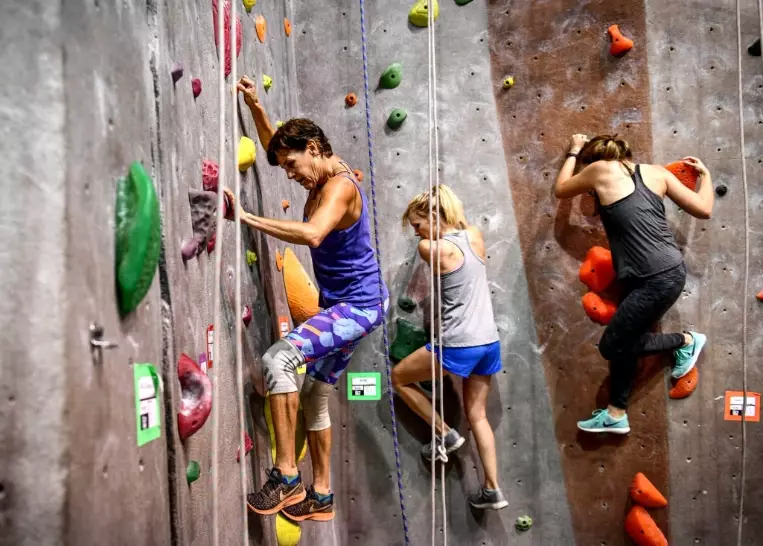
Climbing technique is a lifelong study. There's always a subtle shift, a new body position, a more efficient sequence to discover. Forget about the grade for a moment. Focus on the movement itself—the feeling of flowing up the rock, using your mind and body in harmony. That's where the real joy of the sport lies. Now get out there and practice.