Let's cut to the chase. You're here because you know you need an emergency kit, but the sheer amount of advice online is overwhelming. Should you buy a pre-made one or build your own? What's truly essential versus just nice to have? I've spent over a decade as a wilderness guide and community disaster preparedness volunteer, and I've seen the same mistakes over and over. People pack for the "movie version" of a disaster, not the real, boring, and critically important one. This guide isn't about surviving a zombie apocalypse; it's about practically getting through the 72 hours after a hurricane, earthquake, or extended power outage when help might not be immediate. We'll break down the non-negotiable 10 items, explain the "why" behind each, and I'll share the subtle upgrades most checklists miss.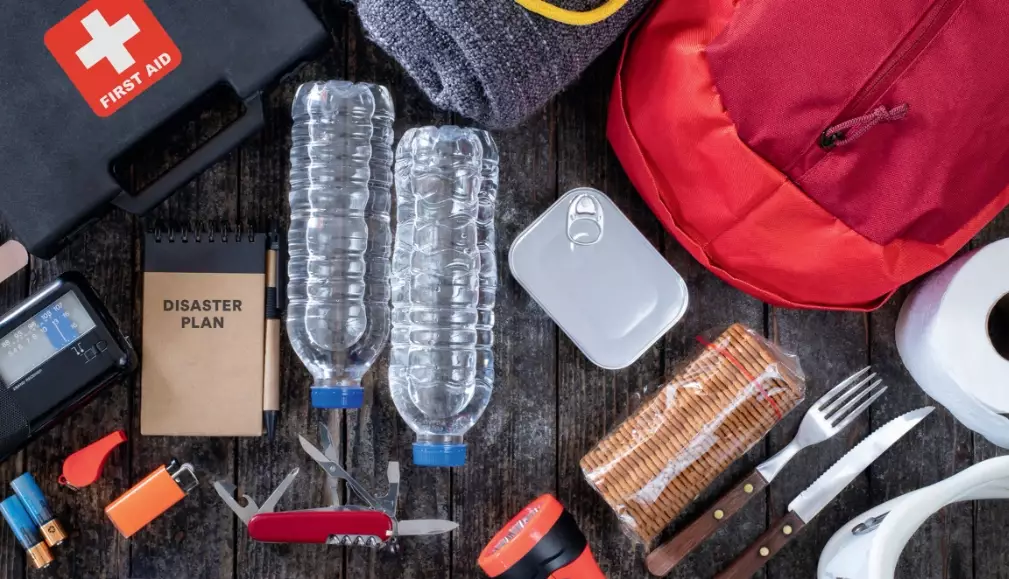
What's Inside This Guide
- The Core 10: Your Emergency Kit Checklist
- 1. Water & 2. Food: The Foundation
- 3. Light & 4. Communication: Staying Informed and Seen
- 5. First Aid & 6. Tools: Handling Injury and Basic Tasks
- 7. Shelter & 8. Warmth: The Comfort Multipliers
- 9. Sanitation & 10. Documents: The Overlooked Essentials
- The 3 Most Common Emergency Kit Mistakes
- Personalizing Your Kit: Beyond the Basics
- Your Emergency Kit Questions Answered
The Core 10: Your Emergency Kit Checklist
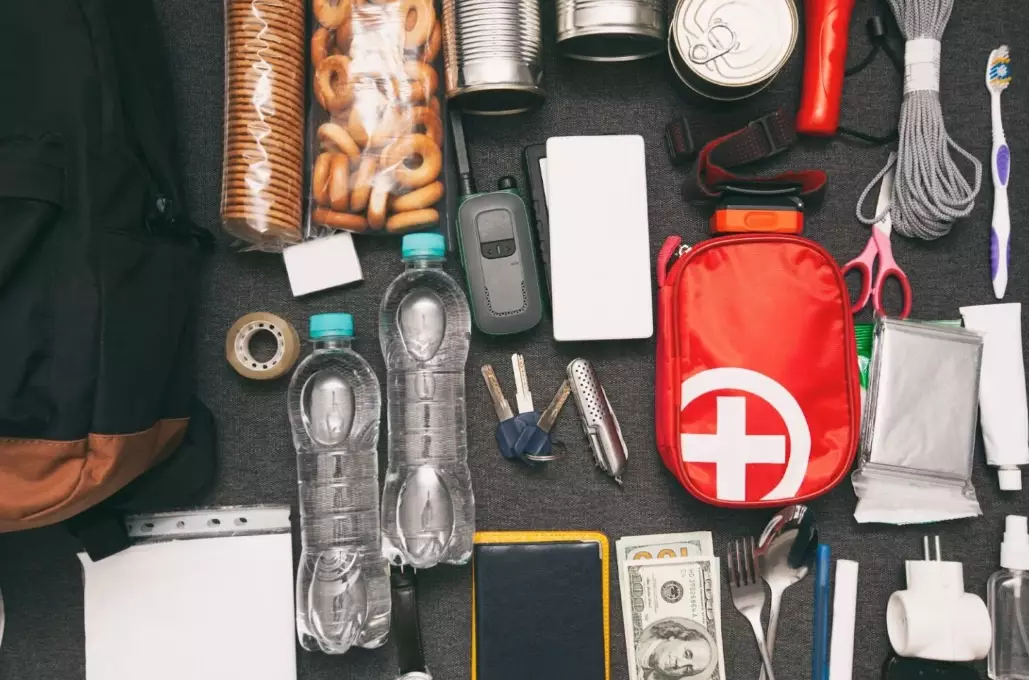
Before we dive into the details, here's the complete list. Think of this as your master shopping list. Each item has a minimum specification, but I'll argue for going beyond the bare minimum in the sections below.
| Item | Minimum Recommendation | Pro-Tip Upgrade |
|---|---|---|
| 1. Water | 1 gallon per person per day for 3 days. | Add water purification tablets or a LifeStraw. |
| 2. Food | 3-day supply of non-perishable, ready-to-eat food. | Include comfort food and vitamins. |
| 3. Light | Flashlight with extra batteries. | Headlamp (hands-free) + solar/crank radio light. |
| 4. Communication | Battery-powered or hand-crank radio. | NOAA Weather Radio with USB phone charger. |
| 5. First Aid Kit | Adhesive bandages, gauze, antiseptic, meds. | Add tourniquet, Israeli bandage, shears. |
| 6. Multi-tool & Supplies | Multi-tool, duct tape, whistle. | Quality multi-tool (Leatherman), contractor-grade tape. |
| 7. Shelter | Emergency blanket (space blanket). | Two heavy-duty emergency blankets or a tube tent. |
| 8. Warmth | Change of clothes, rain poncho. | Wool socks, beanie, hand warmers. |
| 9. Sanitation & Hygiene | Moist towelettes, garbage bags, plastic ties. | Portable toilet, biodegradable bags, soap. |
| 10. Important Documents | Copies of ID, insurance, bank records. | Waterproof document pouch, cash in small bills. |
1. Water & 2. Food: The Foundation You Can't Improvise
Water: Your Number One Priority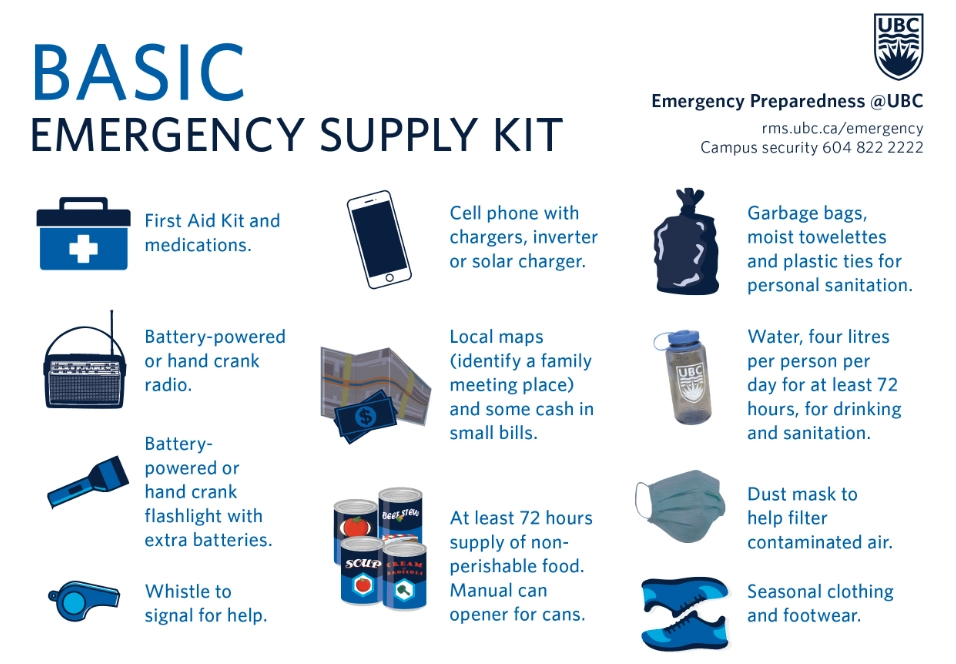
The "one gallon per person per day" rule from Ready.gov is a starting point, not a ceiling. That covers drinking and minimal sanitation. In hot climates or for families with children, you need more. Storing twelve 1-gallon jugs is bulky. I prefer a hybrid approach: store 6-8 gallons and back it up with a means to purify more. A simple eyedropper bottle of chlorine dioxide tablets weighs nothing and can treat hundreds of liters. A common mistake? Storing water in used milk jugs that degrade and leak. Use food-grade plastic containers designed for water storage.
Food: Calories and Morale
Forget MREs unless you like them. Focus on calories that require no cooking, minimal water, and that you'll actually eat. Think protein bars, peanut butter, crackers, canned tuna or chicken (don't forget a manual can opener!), dried fruit, and nuts. The subtle error here is ignoring morale. A bag of hard candy, instant coffee, or a favorite comfort snack can make a stressful situation feel more manageable. Also, rotate your food! Check expiration dates every 6 months when you check your clocks for daylight savings.
3. Light & 4. Communication: Staying Informed and Seen
Light: Ditch the Big Flashlight
A heavy, D-cell battery flashlight is outdated. A modern LED headlamp is superior in every way for emergency use. It leaves your hands free to cook, fix things, or administer first aid. Pack extra lithium batteries (they last longer in storage) for it. But also include a small, cheap LED flashlight as a backup. And here's a tip few follow: put a glow stick in your kit. They're safe, kid-friendly, and provide hours of soft ambient light for a tent or room without draining batteries.
Communication: Your Link to the Outside World
A battery-powered radio is mandatory. During a disaster, cell networks fail, but AM/FM radio broadcasts continue. The gold standard is a NOAA Weather Radio with Public Alert certification. These devices can be set to automatically sound an alarm for life-threatening weather in your area, even if you're asleep. Many modern versions, like those from Midland or Eton, come with a hand crank, solar panel, and a USB port to charge your phone. It's three critical items in one.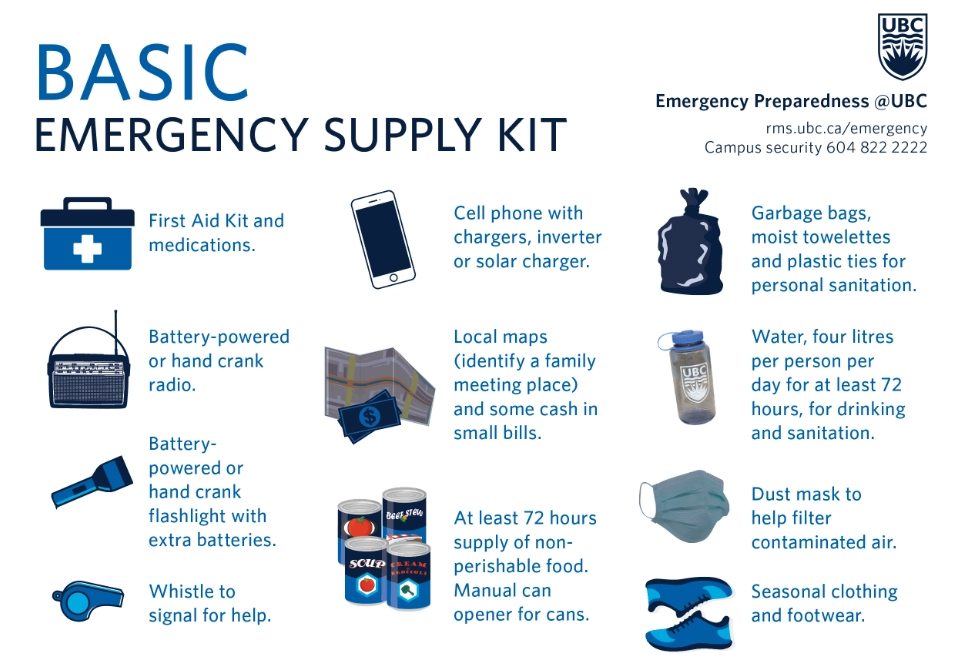
5. First Aid & 6. Tools: Handling Injury and Basic Tasks
First Aid: It's Not Just Band-Aids
Most store-bought first aid kits are pathetic—filled with tiny bandages and not much else. You need to build or augment yours. Beyond antiseptic wipes and gauze, include:
- A quality tourniquet (like a CAT or SOFT-T). For severe bleeding from a cut, this is the single most effective lifesaver. Know how to use it.
- Trauma shears to cut clothing.
- Your personal prescription medications for at least a week, plus backups like pain relievers, anti-diarrheal, and antihistamines.
- Burn gel packets. Cooking on unfamiliar stoves or fires leads to burns.
Consider taking a basic first aid/CPR course. A kit is useless without knowledge.
Tools: The "Fix-It" and "Get Help" Items
A good multi-tool (Leatherman, Gerber) is worth its weight. The pliers, knife, and screwdrivers will be used constantly. Add a roll of high-quality duct tape (gorilla tape) and 50 feet of paracord. The whistle is critical—it can be heard far farther than your voice and takes less energy. Three short blasts is the universal distress signal.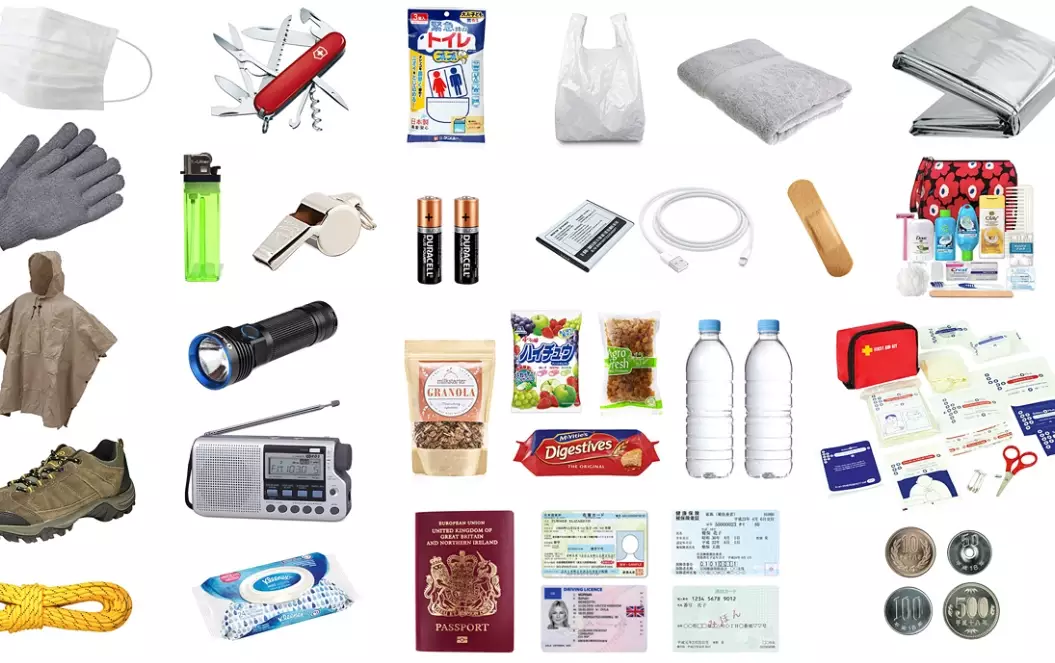
7. Shelter & 8. Warmth: The Comfort Multipliers
Shelter: More Than a Space Blanket
Those flimsy Mylar space blankets tear if you look at them wrong. Pack two heavier-duty "emergency blankets" or, better yet, a tube tent. For about $10, a tube tent provides actual shelter from rain and wind. If you have to leave your home, this is your instant roof.
Warmth: Insulate Your Body
A complete change of clothes, including sturdy shoes, is smart. But focus on extremities. Pack thick wool socks—they keep you warm even when wet. A warm beanie (over 50% of body heat is lost through the head) and compact hand warmer packets are huge morale boosters. A poncho is better than a rain jacket here—it can also be used as a tarp or water collector.
9. Sanitation & 10. Documents: The Overlooked Essentials
Sanitation: Preventing Disease
When the water stops flowing, sanitation becomes a health crisis. Garbage bags and plastic ties are for waste. Moist towelettes are for hygiene. But seriously consider a portable camping toilet with biodegradable waste bags. It's not glamorous, but it preserves dignity and hygiene. Include a small bottle of hand sanitizer and bar of soap.
Important Documents and Cash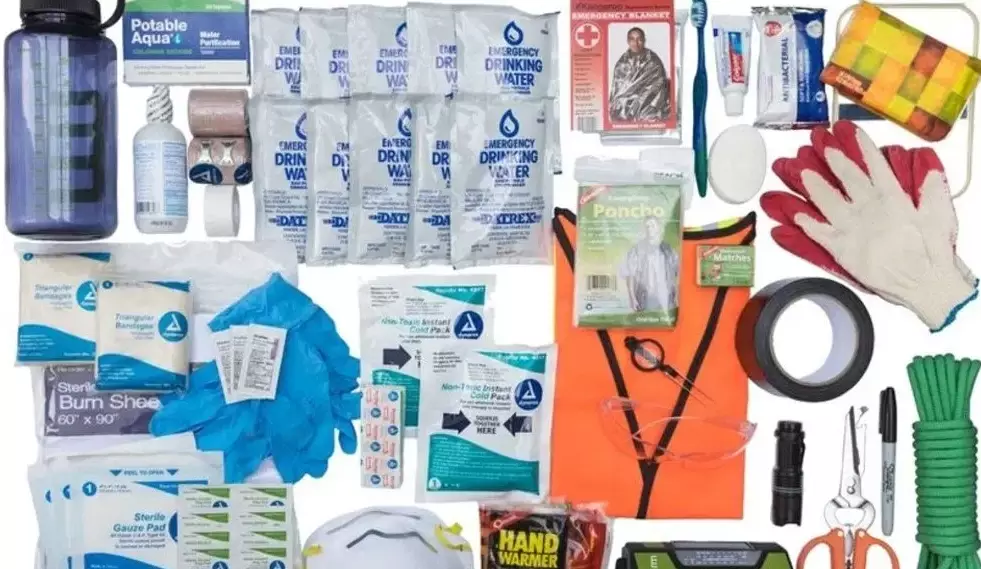
In a waterproof pouch, store copies (or better, scanned PDFs on a USB drive) of: driver's licenses, passports, insurance policies, property deeds, and medical records. Have a list of emergency contacts. And cash. ATMs and credit card readers won't work in a blackout. Keep a mix of small bills—think $1s, $5s, $10s—totaling at least $200 per household.
The 3 Most Common Emergency Kit Mistakes
- The "Set It and Forget It" Kit: You build it, stash it in the garage, and forget for five years. Batteries corrode, food rots, water goes stale. Mark your calendar to check and refresh your kit every 6 months.
- Making It Too Heavy to Carry: If you need to evacuate, can you carry your kit? Use a backpack or a wheeled cooler. Distribute weight among family members.
- Ignoring Personal Needs: No kit is universal. Do you wear glasses? Pack an old pair. Have an infant? You need diapers and formula. Pet owner? Food and bowl for them too.
Personalizing Your Kit: Beyond the Basics
Once the core 10 are covered, add what makes sense for you. A deck of cards, a notebook and pen, a small sewing kit, local maps, extra house and car keys. For families, include activities for kids. The goal is resilience, not just survival.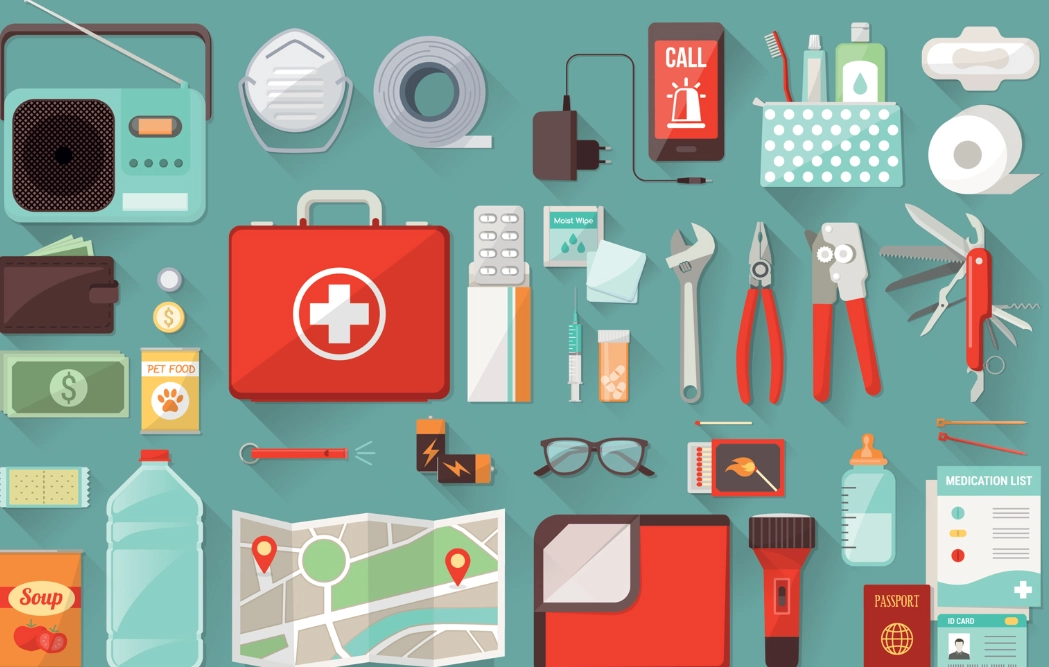
Your Emergency Kit Questions Answered
 Where is the best place to store my emergency kit?
Building a proper emergency kit isn't a paranoid act; it's a responsible one. It brings peace of mind. Start with the 10 essentials outlined here, avoid the common pitfalls, and personalize it for your family's needs. The few hours and dollars you invest now could make all the difference when a real crisis hits. Don't wait for the forecast to turn dire. Assemble your kit this weekend.