You've seen the photos. Epic sunrises over misty valleys, tired but smiling faces at a remote mountain pass. That's trekking. It's not just a long walk; it's the art of moving through a landscape over days, carrying your world on your back. It's equal parts physical challenge, mental reset, and a deep dive into self-reliance. But between that inspiring image and the reality of a heavy pack and sore feet lies a gap that stops most people. This guide bridges that gap. We're skipping the fluff and getting straight to what you need to know to start trekking safely, smartly, and without wasting money on gear you don't need.
What's Inside This Trekking Guide?
How to Start Trekking as a Complete Beginner
Forget trying to mimic a YouTube influencer's 10-day epic right away. Your first trek should be a test run, not a trial by fire.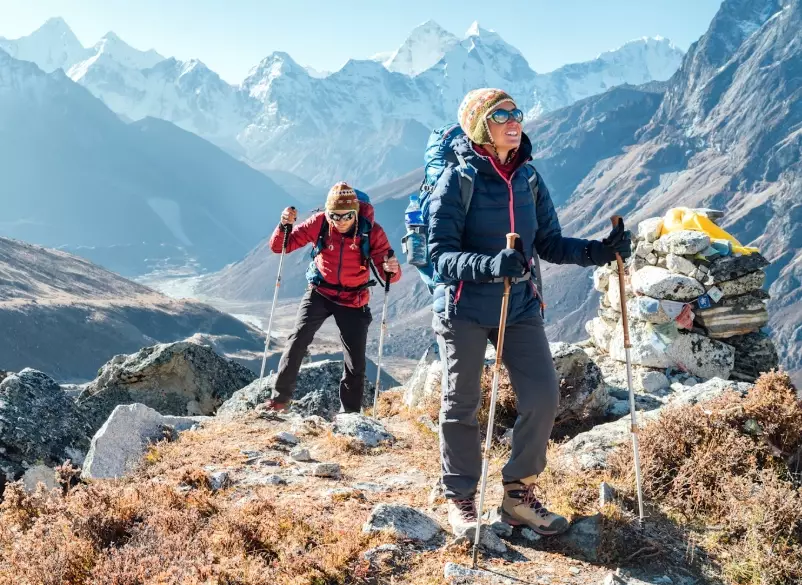
Start with a single overnight trip. Choose a trail within a 2-hour drive. The goal isn't distance; it's to sleep in your tent, use your stove, and carry your packed bag for a few miles. Something goes wrong? You're not far from your car. I made the mistake of planning a 3-night trip for my first outing. By the afternoon of day two, a poorly fitted pack had rubbed my shoulders raw, and I had to bail. A one-nighter would have revealed that issue with minimal pain.
Build fitness with your gear. Don't just go to the gym. Load your pack with 10-15 lbs of weight (use water bottles—you can dump them out if it's too much) and walk. Find a hill, a staircase, anything that mimics trail conditions. This trains the specific muscles you'll use and helps you dial in your pack's fit.
Finding Your First Trail: Resources That Don't Suck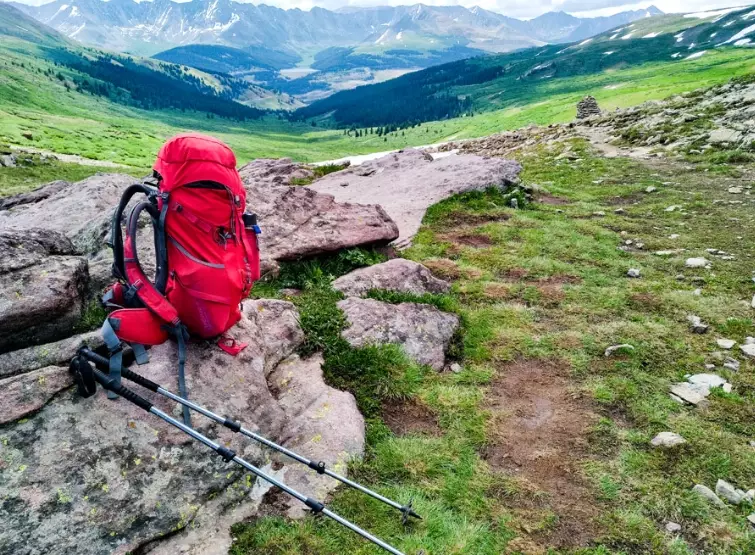
AllTrails is a great start, but use the filters. Set "Length" to "Overnight" and "Difficulty" to "Easy" or "Moderate." Read the recent comments—they often have crucial updates on water sources, downed trees, or bug conditions. Cross-reference with the official land manager's website, whether it's the National Park Service or a state forest. Their sites have the official, most reliable info on permits, regulations, and current trail alerts.
Here’s a concrete example of a perfect beginner trek: The Lakeshore Trail in Pictured Rocks National Lakeshore (Michigan, USA). You can do a manageable 10-mile section from Munising Falls to Beaver Creek. It's mostly flat, follows stunning Lake Superior cliffs, has designated backcountry campsites with bear lockers (so you don't need a bear canister), and water is accessible. You need a permit, which you get online. It’s specific, doable, and teaches you the permit process without overwhelming difficulty.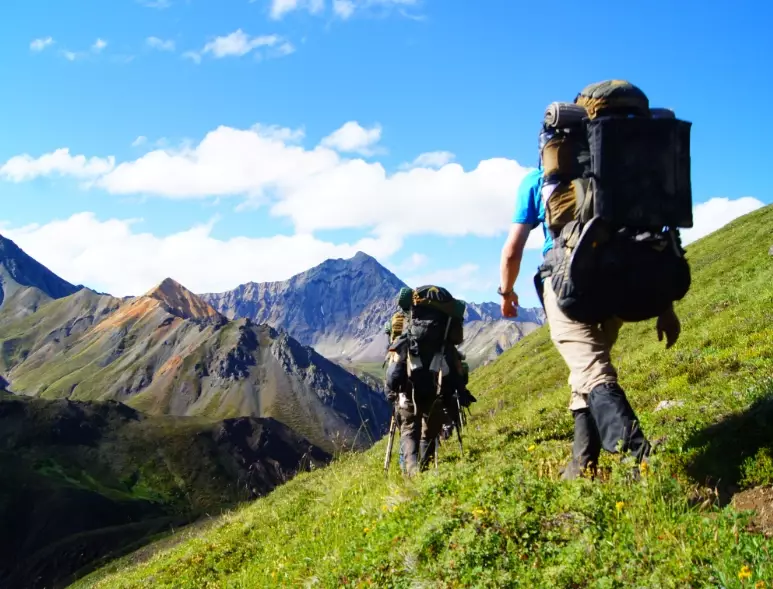
The Non-Negotiable Trekking Gear Checklist
Gear talk is where most beginners either overspend or underprepare. You don't need the lightest, most expensive everything. You need reliable, functional items that work as a system. The "Big Three"—Shelter, Sleep System, Pack—are where your money and research should focus first.
| Gear Category | Specific Recommendation & Why | Budget-Friendly Tip |
|---|---|---|
| Backpack | A 50-65 liter pack with a torso length adjustment, not just shoulder straps. Fit is everything. Go to a store, get measured, and try it on with weight. | Look for previous-year models from Osprey, Gregory, or Deuter. Their warranty is excellent, even on older stock. |
| Footwear | Trail runners vs. boots is a holy war. For most non-technical trails under 30 lbs pack weight, trail runners (like Altra Lone Peak or Salomon Speedcross) are lighter, dry faster, and cause fewer blisters. | Buy last season's colorway. Function is identical, price is often 30% less. |
| Shelter | A freestanding 2-person tent (even for one) gives space for your gear. Look for double-wall construction to reduce condensation. The Big Agnes Copper Spur or REI Co-op Half-Dome are benchmarks. | Consider a quality used tent from GearTrade.com. Inspect the mesh and seams carefully. |
| Sleep System | A sleeping bag rated 10°F colder than the coldest temp you expect. Pair it with an insulated sleeping pad (R-value of 3+ for three-season use). Cold comes from the ground. | You can cheap out on many things, but not your sleep system. A cold, miserable night ruins trips. This is worth investing in. |
| Water & Food | A 2-liter hydration bladder plus a 1-liter smartwater bottle (fits most filters). A Sawyer Squeeze water filter. For food, simple dehydrated meals (Backpacker's Pantry) or instant mashed potatoes, tuna packets, and tortillas. | Repurpose plastic bottles instead of buying "hiking" bottles. Test your stove and meal plan at home first. Hunger magnifies every problem. |
The most common mistake I see? People buy a fancy $300 waterproof jacket but wear cheap cotton socks. Your clothing system should prioritize moisture management. Merino wool or synthetic base layers, a lightweight fleece, and a waterproof shell. Avoid cotton entirely—it's called "death cloth" for a reason. When wet, it loses insulation and takes forever to dry.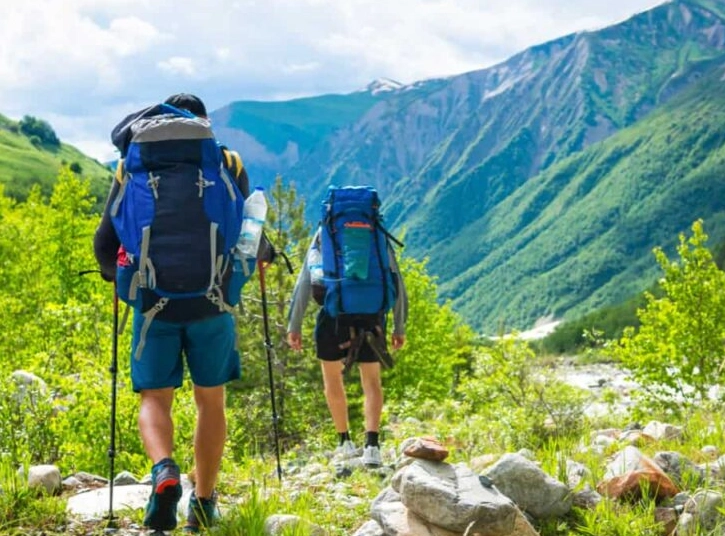
Planning Your Trek: Trails, Navigation & Safety
Planning is what separates an adventure from a misadventure. It's not sexy, but it's critical.
First, understand the logistics. Do you need a permit? For popular areas like the John Muir Trail or Inca Trail, permits are lottery-based and need to be secured months in advance. How do you get there? Is it a point-to-point trail requiring a shuttle? Companies like Trekshuttle (for the Everest region) or local outfitters often provide this service—book it early. What are the water sources? Study maps and trail reports. Carrying 4 liters of water because you're unsure is a brutal weight penalty.
Navigation: Your Phone is a Backup, Not a Plan
Download offline maps on Gaia GPS or AllTrails, absolutely. But also carry a physical map and a compass, and know how to use them. Batteries die. Phones break. I was in the Scottish Highlands when a sudden fog bank reduced visibility to 10 feet. My phone's GPS was laggy in the thick mist. The paper map and compass got me precisely to the bothy (shelter) I was aiming for. Practice at a local park. Orient the map, identify landmarks. It's a simple skill that builds immense confidence.
Leave a detailed trip plan with someone responsible. Include your route, trailhead, car description, and when you expect to be out. Tell them to call for help if you don't check in by a specific time. This simple act is your most powerful safety net.
Let's plan a hypothetical 3-day trek in the Colorado Rockies.
Route: Four Pass Loop (Aspen, CO) – a classic 27-mile loop. It's stunning but serious, with high passes over 12,000 ft.
Permits: Required for overnight stays in the Maroon Bells-Snowmass Wilderness. Reserve online at Recreation.gov.
Logistics: Park at Maroon Lake lot. You need a reservation for the shuttle bus to the trailhead in summer. Shuttle info is on the White River National Forest site.
Key Considerations: Acclimatize in Aspen for a day to avoid altitude sickness. Water is plentiful, but you must filter. Afternoon thunderstorms are common—plan to cross the high passes by midday. This level of detail turns a dream into an executable plan.
Trekking Questions Answered (The Real Stuff)
Trekking strips away the noise. It's just you, the path ahead, and the weight you choose to carry. It teaches you what you actually need, both in your pack and in your life. Start small, respect the process, and the mountains will meet you halfway. Now go find a trail.