Let's be honest. When you ask "what are the famous trails in the Rocky Mountains?" you're not just looking for a list. You're looking for the right trail. The one that matches your legs, your lungs, and the picture in your head. The Rockies stretch over 3,000 miles, so "famous" means something different in Colorado than it does in Montana.
I've spent a decade logging miles out here, from crowded park icons to silent ridgelines. The famous ones are famous for a reason—stunning views, raw challenge, pure magic. But picking the wrong one can turn a dream hike into a miserable slog.
Your Trail-Finding Shortcut
What Makes a Trail "Famous" Anyway?
It's usually one of three things: the view, the challenge, or the story. A trail like Angels Landing in Zion is famous for the adrenaline-pumping, chain-assisted finale. The Highline Trail in Glacier is famous for its endless, jaw-dropping scenery right from the start. Longs Peak is famous for being a true mountaineering test for regular hikers.
But here's the thing most blogs don't tell you: fame brings crowds. And crowds change the experience. Hiking to Dream Lake at sunrise feels different when you're sharing the path with 200 other people. That doesn't mean you shouldn't go—it means you need to plan smarter. Go on a weekday. Start before dawn. Or pick a "side quest" off the main attraction.
The 5 Trails That Define the Rockies
This isn't just a list. It's a spectrum, from walks your grandma could enjoy (with breaks) to climbs that demand respect. I've included the hard numbers, but also what it actually feels like underfoot.
| Trail Name (Park/Area) | Length (Round Trip) | Elevation Gain | Why It's Famous | Best For |
|---|---|---|---|---|
| Emerald Lake Trail (Rocky Mountain NP, CO) | 3.6 miles | ~700 ft | Passes three stunning alpine lakes (Nymph, Dream, Emerald) with epic views of Hallett Peak. | First-time visitors, photographers, families with older kids. |
| Angels Landing (Zion NP, UT) | 5.4 miles | ~1,500 ft | The final, chain-assisted climb along a narrow spine with 1,000-foot drops. | Thrill-seekers with no fear of heights. Requires a permit. |
| Grinnell Glacier Trail (Glacier NP, MT) | 10.6 miles | ~1,600 ft | Unbelievable turquoise lakes and up-close views of a shrinking glacier. | Strong hikers wanting classic Glacier scenery; wildlife spotting. |
| Sky Pond via Glacier Gorge (Rocky Mountain NP, CO) | 9.5 miles | ~1,700 ft | Waterfalls, multiple lakes, and a fun scramble up a rocky waterfall section to a dramatic alpine pond. | Intermediate hikers looking for a challenging, varied full-day adventure. |
| Longs Peak Keyhole Route (Rocky Mountain NP, CO) | 14.5 miles | ~5,100 ft | The only non-technical route to a 14,259-ft summit. A grueling endurance test. | Very experienced, acclimatized hikers comfortable with exposure. Start by 3 AM. |
Emerald Lake Trail: The Crowd-Pleaser
The Bear Lake Trailhead is a zoo. I won't sugarcoat it. Get there by 5 AM in summer or take the park's free shuttle. But once you're past the first 0.5 miles, the crowds thin. The payoff is ridiculous for the effort. Dream Lake at sunrise, with the peaks reflecting in perfectly still water, is my personal favorite. It's busy because it's accessible and absolutely beautiful.
Angels Landing: The Adrenaline Rush
This isn't a hike; it's an experience. The permit system (via a lottery on the National Park Service website) has helped, but it's still intense. The chains are there for a reason. If you hesitate or freeze up, you create a dangerous bottleneck. My advice? If you're even 10% unsure, stop at Scout Lookout. The view is still incredible, and you can watch the brave souls on the spine.
Grinnell Glacier: The Classic Journey
This trail feels like a journey through time. You start in dense forest, climb to wildflower meadows, and end at the ancient ice of the glacier. I've seen more bears and moose on this trail than any other. Bring binoculars and bear spray. The boat shuttle across Swiftcurrent and Josephine Lakes can cut off 3.4 miles, but book it early.
Sky Pond: The All-Star
This might be the best "bang for your buck" hike in the Rockies. You get everything: Alberta Falls, The Loch, Timberline Falls (the fun scramble), and finally the stark, dramatic basin holding Sky Pond. It's long, and that final rock climb is wet and slippery. Waterproof boots are non-negotiable here.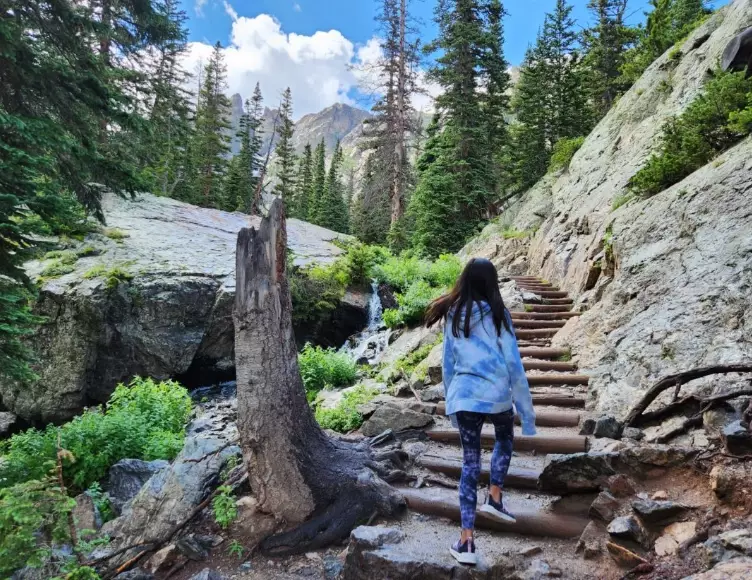
Longs Peak: The Ultimate Test
Calling this a "hike" is a stretch. It's a mountaineering route. The Boulder Field feels endless, the Keyhole is a wind tunnel, and the Ledges require focus. More people turn back from Longs Peak than summit it, and that's okay. Success depends less on fitness and more on weather, acclimatization, and an early start. If thunderstorms are in the forecast, don't even try.
A Quick Reality Check
Don't just look at the mileage. Look at the elevation gain. Sky Pond is 9.5 miles with 1,700 ft of gain—it's a solid day. Longs Peak is 14.5 miles with over 5,000 ft of gain—that's a different universe of difficulty. A good rule: if you haven't hiked at high altitude recently, assume everything will take 25% longer and feel 50% harder.
How to Choose the Right Famous Trail for You
Forget the "must-do" lists. Ask yourself these questions instead.
What's your fitness level at altitude? Be brutally honest. Can you comfortably hike 8 miles with 1,500 feet of gain near your home? If not, Grinnell Glacier or Sky Pond will be a suffer-fest. Start with Emerald Lake or a similar trail to gauge your reaction to thinner air.
How do you handle exposure? Exposure means steep drop-offs. If your palms sweat watching a video of Angels Landing, you will hate it in person. There's no shame in that. The view from Scout Lookout is still phenomenal.
What's your tolerance for crowds? If you crave solitude, you'll hate the Bear Lake area. But you can find it. For every Emerald Lake, there's a quieter, equally stunning lake like Lake Haiyaha or The Loch, accessible from the same trailhead.
What's the goal? A perfect photo? A summit? Seeing a glacier? Just saying you did it? Match the trail to the goal. For a summit, Longs Peak. For a glacier, Grinnell. For iconic photos, Emerald Lake or Angels Landing.
Planning Your Hike: Permits, Bears & Thin Air
The logistics are what separate a good day from a bad one.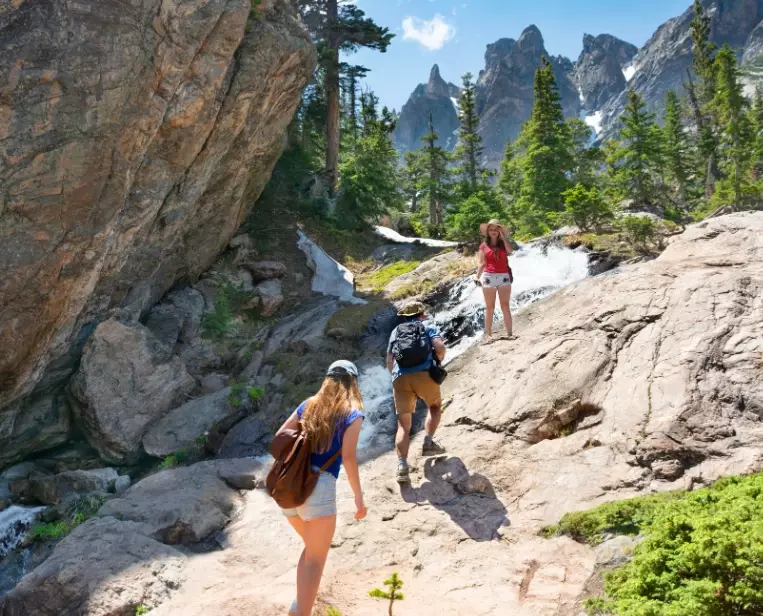
Permits & Reservations: This is the new normal. Rocky Mountain National Park requires a Timed Entry Permit to enter most of the park from late May through October. You need to book these months in advance. Angels Landing requires a separate hiking permit won via lottery. Always check the official NPS site for the specific park.
Altitude Sickness: It's real, and it's random. The best prevention is to spend a night in a mountain town (like Estes Park or Banff) before your big hike. Hydrate like it's your job, and know the symptoms: headache, nausea, dizziness. The only cure is to go down.
Wildlife: You're in their home. In Glacier and parts of the Canadian Rockies, this is grizzly country. Carry bear spray, know how to use it, and hike in groups, making noise. In all parks, give moose, elk, and bison a very wide berth—they are faster and more dangerous than they look.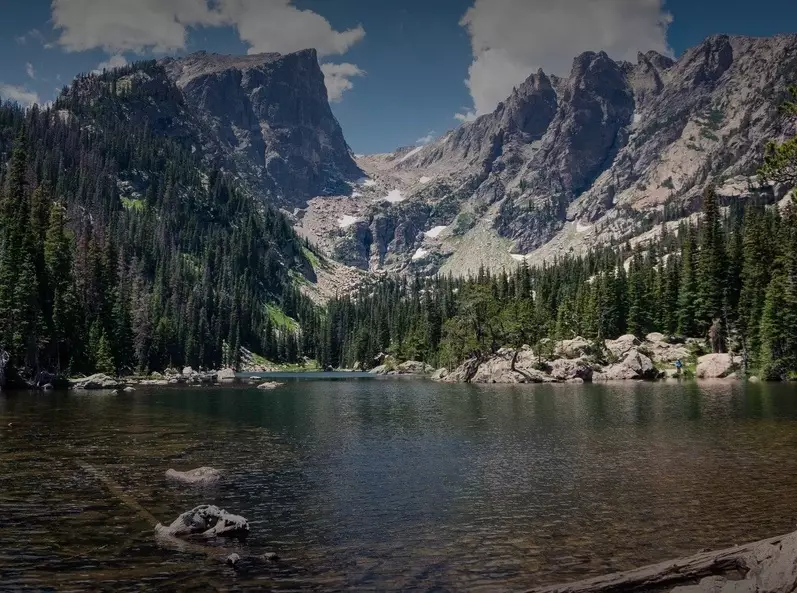
Weather & Gear: Mountain weather changes in minutes. A sunny start can turn into a hail storm by noon. Always pack layers: a moisture-wicking base, an insulating mid-layer (fleece/puffy), and a waterproof/windproof shell. Hiking poles are a game-changer for downhill sections and stream crossings.
So, what are the famous trails in the Rocky Mountains? They're the ones that call to you, not just the ones on the list. They're the challenges you're ready for, the views you've dreamed of, and the experiences you'll plan for responsibly. Pick your adventure, prepare like a pro, and the mountains will give you something unforgettable.