So you've watched Free Solo, felt that pull, and now you're thinking about trying climbing. That's awesome. But staring at a wall of colorful holds or a sheer rock face can be intimidating. Where do you even start? Most guides throw a generic workout at you. I've been climbing for over a decade, coaching newcomers, and I see the same subtle mistakes that stall progress—or worse, lead to injury. This isn't just another list of exercises. It's a blueprint for building a foundation that keeps you climbing stronger and safer for years.
What's Inside This Guide
- Why Start Climbing? Beyond the Thrill
- Gear Up: What You Actually Need to Buy First
- Your First 6-Week Beginner Climbing Workout Plan
- The Secret Sauce: Technique Over Raw Strength
- 3 Beginner Pitfalls Almost Everyone Misses
- From Gym to Rock: How to Start Rock Climbing Outdoors
- Your Climbing Questions, Answered
Why Start Climbing? Beyond the Thrill
Sure, it looks cool. But the real benefits are what keep people hooked. It's a full-body puzzle. Your brain is engaged in route-solving just as much as your muscles are pulling. It builds functional, lean strength—especially in your back, core, and forearms—that translates to everyday life. The climbing community is notoriously supportive. You'll fail constantly, and people will cheer you on for it. It's a unique blend of physical challenge and mental focus that few other activities offer.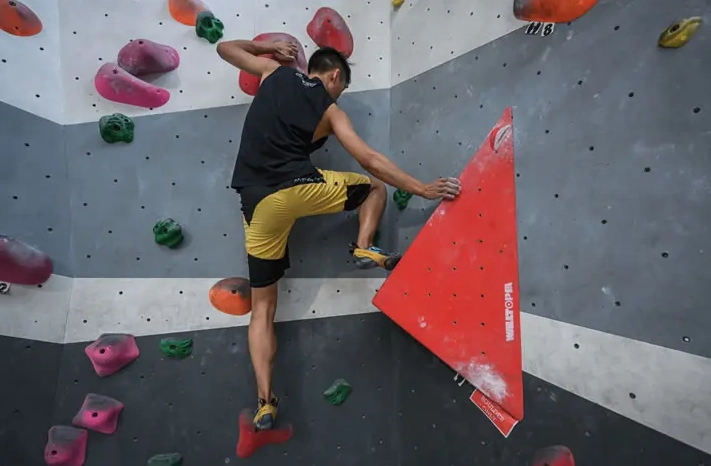
Gear Up: What You Actually Need to Buy First
Don't walk into a store and drop $500. Start simple. Most gyms rent shoes and harnesses. Use them for your first few sessions to see if you like it. When you're ready to buy, here's where to put your money.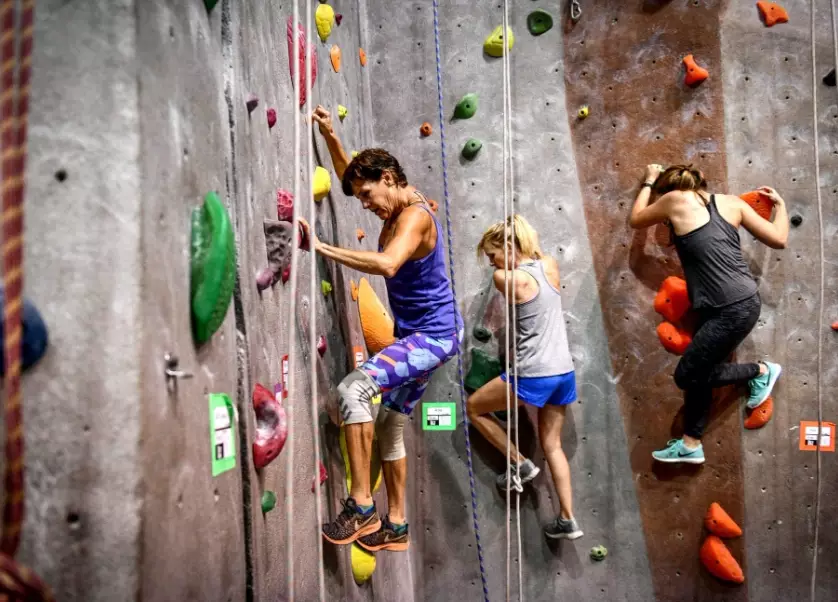
| Gear Item | Beginner Priority | What to Look For & Budget Tip |
|---|---|---|
| Climbing Shoes | #1 Purchase | Look for a flat or slightly downturned profile. They should be snug but not painfully tight. Avoid the "performance" aggressive shoes—they're for advanced climbers. Brands like La Sportiva Tarantulace or Scarpa Origin are perfect starters. Expect to pay $80-$120. |
| Chalk & Chalk Bag | #2 Purchase | Chalk keeps your hands dry. A simple chalk bag with a belt is all you need. Don't get a giant one. Loose chalk is cheaper, but chalk balls are less messy. It's a personal preference. |
| Harness | Essential for Rope Climbing | If you're doing top-rope or lead climbing, you need your own harness for safety and comfort. Get one with adjustable leg loops. Try it on over the clothes you'd climb in. Black Diamond Momentum or Petzl Corax are great first harnesses ($50-$80). |
| Belay Device & Carabiner | After Basic Lessons | Only buy this after you've taken a belay lesson at your gym and know how to use it. An assisted-braking device like a Petzl Grigri or Black Diamond ATC Pilot is safer for beginners. The gym staff can recommend a package. |
| Comfortable Athletic Wear | Use What You Have | You don't need special clothes. Flexible, non-restrictive pants (like stretchy joggers) and a breathable t-shirt are perfect. Avoid baggy shorts. |
Your First 6-Week Beginner Climbing Workout Plan
This plan assumes you're climbing 2-3 times per week. The goal is consistency, not heroics. Listen to your body—finger tendons take months to adapt.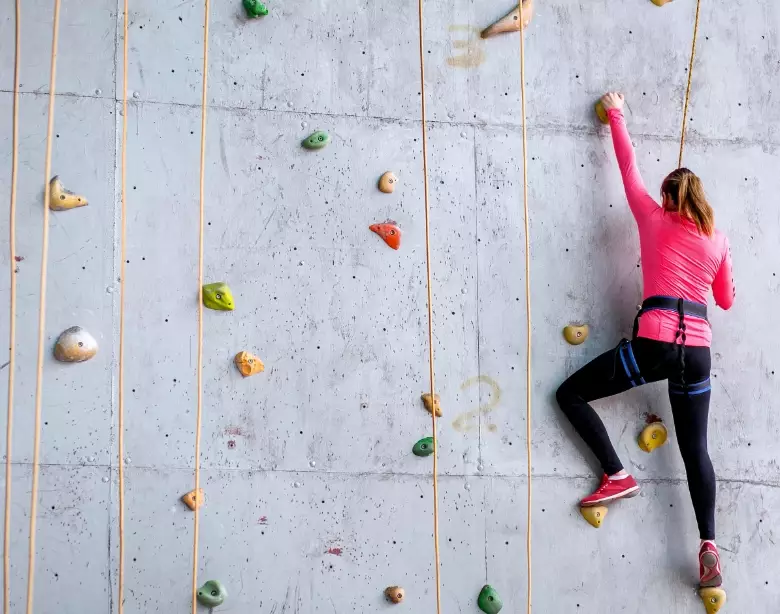
Weeks 1-2: The Discovery Phase
Focus on fun and movement. Go to the gym twice a week.
- Session Goal: Climb for 45-60 minutes total.
- What to Do: Try the easiest routes (often marked V0 in bouldering or 5.5-5.7 in roped climbing). Climb up, downclimb if you can, rest for 3-4 minutes between attempts. Your forearms will pump up and feel like rocks. That's normal. Stop when your form gets sloppy.
- Off-Day Activity: Light walking, stretching, or rest. No extra grip work.
Weeks 3-4: Building a Base
Add structure and very basic supplemental exercises.
- Session Structure: Warm-up (5 min light cardio, arm circles, wrist rolls). 60 mins of climbing. Focus on completing routes rather than trying the hardest move.
- Supplemental Work (after climbing, 2x/week):
- Planks: 3 sets of 30-45 seconds.
- Bodyweight Rows (if available): 3 sets of 8-10 reps.
- Push-ups: 3 sets to near failure (on knees is fine). This balances all the pulling.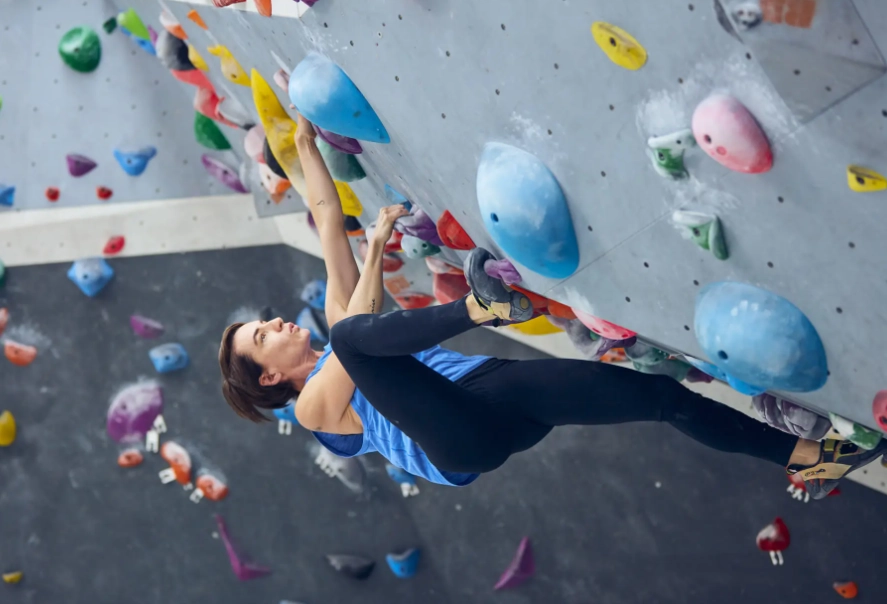
Weeks 5-6: Introducing Intent
Now we add specific technique practice.
- Session Structure: Warm-up. 45 mins of general climbing. Then, 15 mins of "quiet feet" practice. Pick an easy route and place each foot deliberately, making no sound. This builds crucial footwork.
- Add One Skill Drill per Session: "Flagging" (extending a leg for balance) or "drop knees" (rotating your hip into the wall). Ask a staff member to show you.
- Supplemental Work: Add hanging from a pull-up bar (not pull-ups!) for 3 sets of 10-20 seconds to build grip and shoulder stability.
The Secret Sauce: Technique Over Raw Strength
This is the biggest gap in most beginner climbing training. New climbers pull with their arms until they burn out. Experienced climbers use their legs and hips to stand up.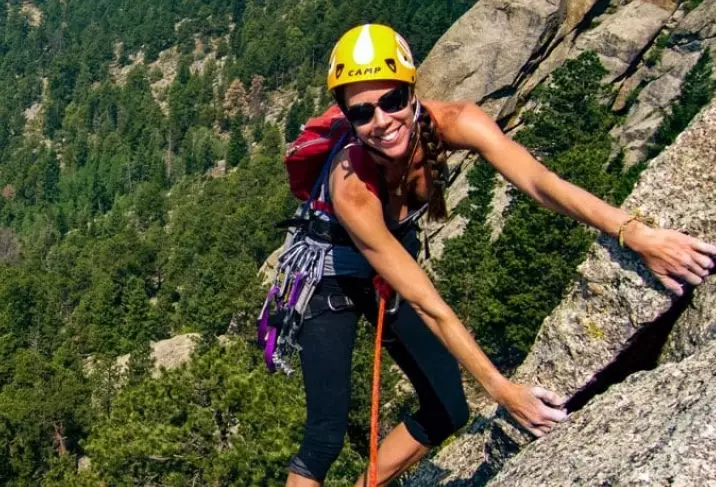
Think of your arms as hooks and your legs as lifts. Your leg muscles are the largest and strongest in your body. The goal is to keep your arms straight as much as possible, using skeletal alignment to rest your muscles, and then push with your legs to move upward. Watch a good climber—their hips are often close to the wall, and they move in a controlled, almost smooth way. That's efficiency.
One drill I force all my beginners to do: climb an easy route using only open-hand grips (fingers straighter, not crimped) and focusing on pushing with their toes. It feels weird, but it rewires the brain away from the death-grip instinct.
3 Beginner Pitfalls Almost Everyone Misses
1. Skipping the Warm-Down. You finish your last climb and head out. Big mistake. Your finger flexors are super tight. Spend 2 minutes after your session gently stretching your forearms (press your palm against a wall, fingers down, and straighten your elbow). It reduces next-day soreness and long-term injury risk dramatically.
2. Chasing Grades Too Early. The grade (V2, 5.10a, etc.) is not a score. It's a rough guide. Obsessing over sending a "V3" in your first month leads to poor technique, injury, and frustration. Spend 80% of your time on climbs you can do with relative control, and 20% projecting harder stuff. Quality over quantity.
3. Negrating the Antagonist Muscles. Climbing is a pulling sport. Your back and biceps get strong while your pushing muscles (chest, triceps) and rotator cuff get neglected. This imbalance can lead to shoulder issues—I've seen it too often. Those push-ups and rows in the workout plan aren't optional; they're preventive medicine.
From Gym to Rock: How to Start Rock Climbing Outdoors
The gym is a controlled playground. Real rock is different—it's sharper, less predictable, and requires more knowledge. Do not go outside alone or with another inexperienced climber. Full stop.
The safest path is through a certified guide service or an experienced mentor. Organizations like the American Mountain Guides Association (AMGA) certify guides. A day with a guide teaches you about outdoor etiquette, anchor basics, and reading real rock. It's worth every penny.
If you're looking for a beginner-friendly outdoor area, places like Joshua Tree National Park (California) or Red River Gorge (Kentucky) have well-documented, easy-access beginner routes. But again, go with someone who knows the area and the safety systems.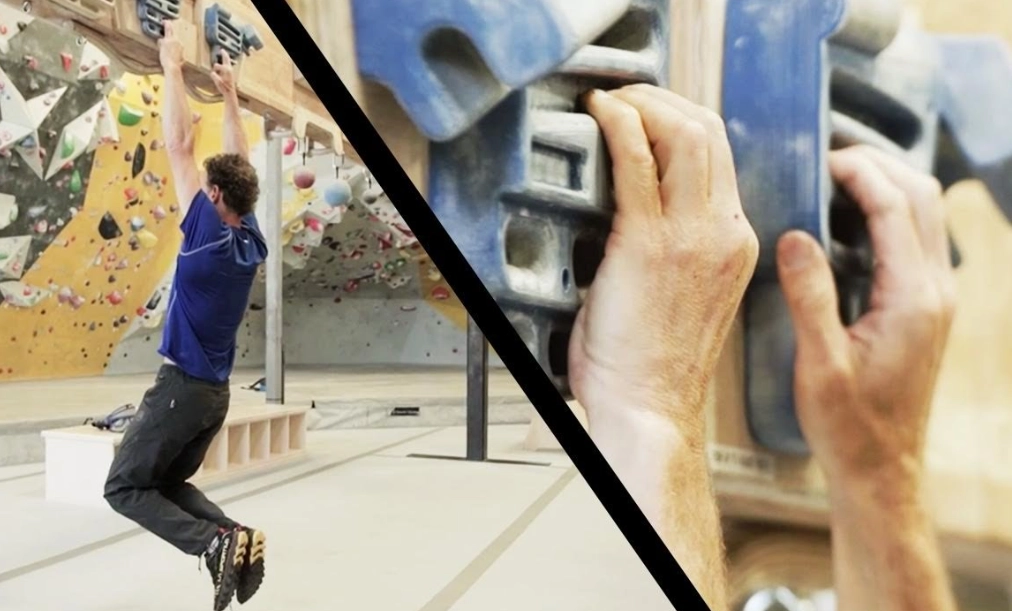
Your Climbing Questions, Answered
I feel like my arms give out long before my legs. Am I just weak?
Probably not. It's almost always a technique issue. You're likely pulling yourself up with your arms instead of pushing with your legs. Next session, consciously try to keep your arms straight between moves. Focus on moving your hips over your feet. The strain will shift from your biceps to your quads and glutes, where it should be.
How do I deal with the fear of falling, especially when bouldering?
This is mental training. Start by taking practice falls from a low height you're comfortable with. Learn how to land properly: knees bent, roll onto your back, don't reach out with straight arms. The Boulder's Universal Landing Position (B.U.L.P.) is a good concept to search for. Trusting your ability to fall safely reduces the fear of the fall itself. Also, always check your landing zone and have a spotter for higher boulders.
My fingers and forearms are sore for days after climbing. Is this normal?
Initial muscle soreness (DOMS) is normal. Sharp, acute pain in your finger joints or tendons is not. Tendonitis is the scourge of eager beginners. If it's general forearm ache, rest, gentle massage, and contrast baths (alternating warm and cool water) help. If you have any joint pain, take extra rest days—tendons heal much slower than muscles. This is why the 6-week plan starts so slowly. Ignoring finger pain is the fastest way to a long-term setback.
Can I get a good climbing workout at home without a wall?
Absolutely, especially for the foundational strength. The supplemental exercises in the plan (rows, planks, push-ups, dead hangs) are perfect. You can add exercises like wrist curls/reverse wrist curls with light dumbbells for forearm health. A doorway pull-up bar is a great investment for hangs and eventually pull-ups. The key is maintaining the mind-muscle connection for climbing: think about engaging your back and core during hangs, not just dangling from your shoulders.
I see people using lots of different grips. What's the most important one for beginners to learn?
The open-hand grip. It places less stress on the delicate pulley tendons in your fingers compared to the full "crimp" grip (thumb over index finger). Most beginners default to crimping everything because it feels stronger initially, but it's a high-risk move. Practice using an open hand on large jugs and even slopers. It builds more sustainable tendon strength from the start. Save the full crimp for when you absolutely need it, years down the line.