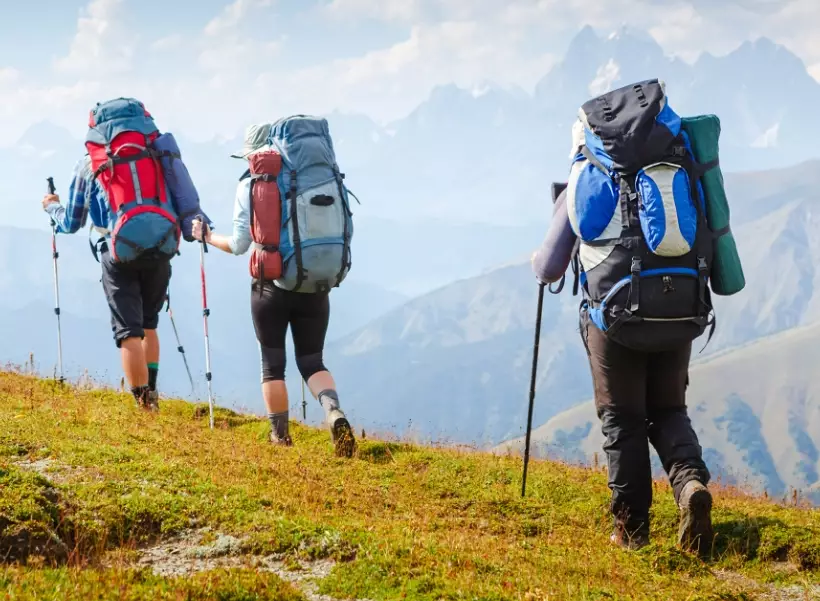
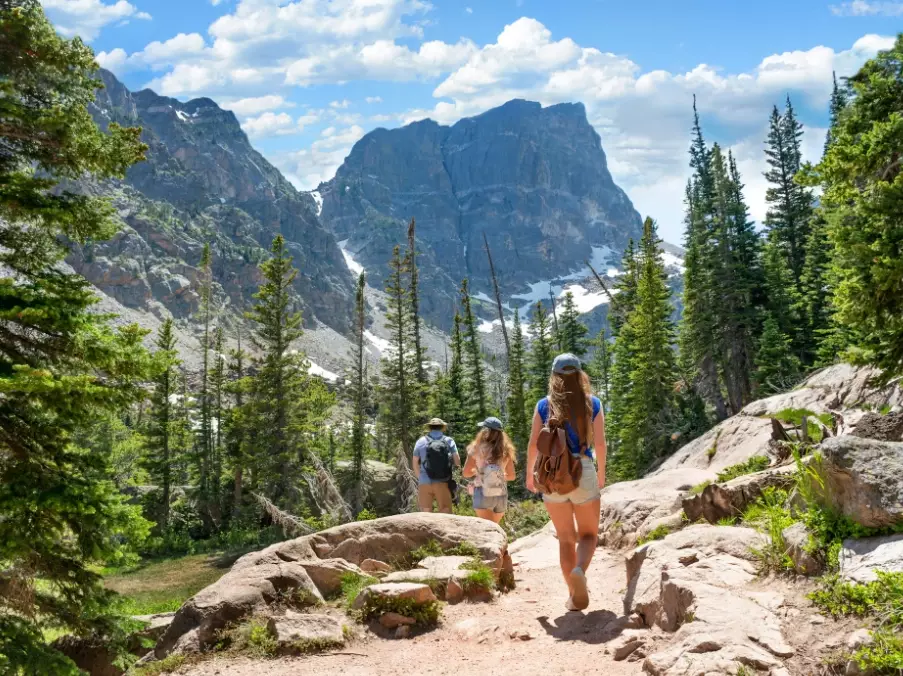
Let's be honest. A lot of general hiking advice feels like it's written for a default hiker who doesn't exist. That default hider often seems to be a guy with a specific body type and concerns. As a woman who's spent over a decade hiking everything from local forest loops to multi-day alpine traverses, I've learned that our needs on the trail can be subtly, yet significantly, different. It's not about making hiking harder; it's about making it more comfortable, safe, and ultimately, more fun for us. This guide cuts through the generic lists and gets into the practical, often overlooked details that make a real difference for female hikers.
Your Quick Trail Guide
Gear That Actually Fits a Woman's Body
This is the biggest gap in most advice. It's not just about size, but about design. A men's small backpack often sits wrong on narrower shoulders and a shorter torso, pulling awkwardly. The same goes for boots designed on a male last—they're often wider in the heel, leading to blisters.
Footwear is Non-Negotiable
Don't just buy the popular brand. Go to a specialty store in the afternoon (feet swell) with the socks you plan to hike in. Women-specific hiking boots and shoes are built on a different last—narrower heel, roomier forefoot. Break them in relentlessly. I made the mistake once of thinking "mostly broken in" was good enough for a 10-mile day. The quarter-sized blister on my heel argued otherwise.
The Backpack Conundrum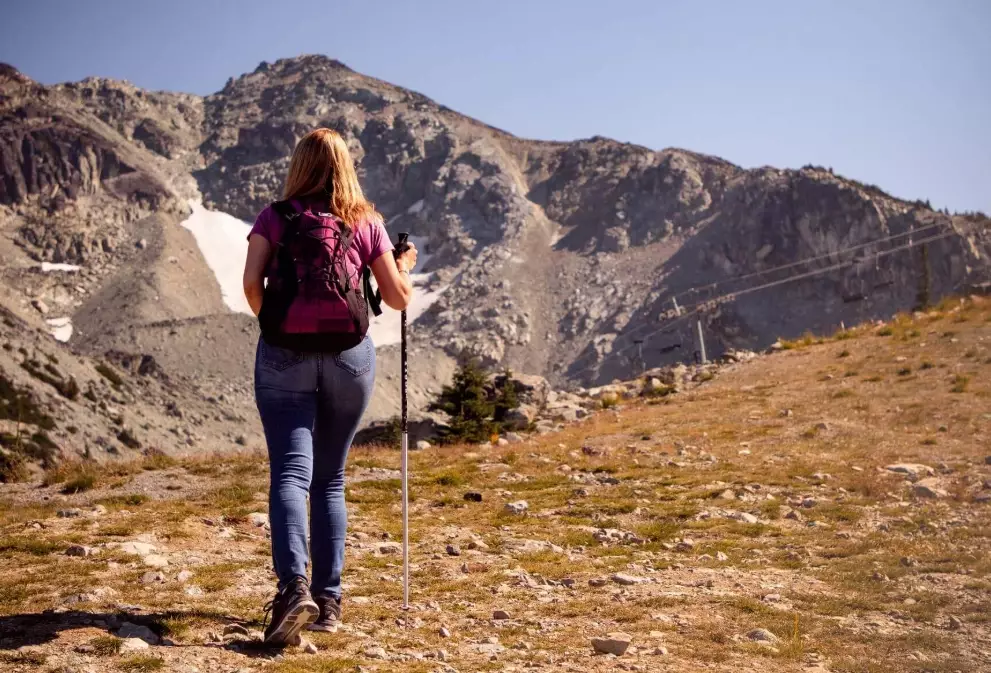
Look for packs with adjustable torso lengths and women-specific shoulder harnesses that are curved and set closer together. The hip belt should sit on your iliac crest (the top of your hip bones), not your waist. Load it up in the store and walk around. A poorly fitting pack will ruin your hike faster than anything.
The Layering System, Re-thought
Merino wool is a game-changer for base layers—it manages moisture, resists odor, and is less prone to chafing than some synthetics. For mid-layers, consider a fitted fleece rather than a boxy one; it traps heat better and doesn't get caught on backpack straps. A common mistake is wearing a cotton sports bra. Once it's sweaty, it stays wet, cold, and can cause chafing. A quick-dry, seamless option is worth the investment.
| Gear Category | Key Consideration for Women | Personal Recommendation / Note |
|---|---|---|
| Footwear | Seek out women-specific lasts. Fit is paramount over brand. | Spend at least 30 minutes trying different models. Don't assume your street shoe size is your hiking boot size. |
| Backpack | Adjustable torso length, contoured women's shoulder straps, and a hip belt that sits on hips. | Get professionally fitted. A good store will measure your torso and load the pack with weight for you to test. |
| Baselayer Top | Material (merino vs. synthetic), seam placement, and fit under a backpack. | I lean towards merino for its odor resistance on multi-day trips. Flatlock or seamless seams are best. |
| Hiking Pants/Shorts | Rise (high-waist can be more comfortable with a hip belt), fabric stretch, and pocket utility. | Look for pants with a gusseted crotch for greater mobility. Real pockets that can hold a phone are a luxury worth finding. |
| Rain Jacket | Room in the shoulders and hips for layering, adjustable hood that fits over a bun or ponytail. | Many women's jackets are cut too slim. Consider a men's or unisex jacket if you need more room for mid-layers. |
Safety Strategies Beyond the Basics
We're often told "hike with a buddy" and "tell someone your plans." That's good, but incomplete. Safety is also about perception, preparation, and trusting your instincts.
First, the navigation tip few mention: learn to use a paper map and compass as a backup. Your phone's battery will die, or you might drop it in a stream. I always carry a physical map of the area, even on well-marked trails. It's not just about not getting lost; it's about the confidence of knowing you can't get truly lost.
When hiking alone, which I do often, I employ a few low-key tactics. I wear one earbud, not two, so I can hear my surroundings. I don't broadcast my solo status to strangers on the trail with phrases like "Just me today!". I might say I'm meeting friends ahead. It's a subtle shift that doesn't assume the worst in people but maintains a boundary.
Carry a small personal safety alarm. It's lighter than pepper spray (which has wind and legal complications) and the sound is a powerful deterrent. Also, a fully charged power bank is a safety item. A dead phone is useless for photos, navigation, or emergencies.
Pro Tip: Program the non-emergency number for the local ranger district or sheriff's office into your phone before you go. In a non-life-threatening situation (a twisted ankle, a lost item), this is often a faster way to get relevant help than 911.
On-Trail Comfort and Hygiene
This is where experience pays off. Dealing with chafing, bathroom breaks, and period management on the trail are rarely discussed in depth, but they're huge for enjoyment.
Chafing is the enemy. It can start as a minor annoyance and become a show-stopping pain. Anti-chafe balms (like Body Glide) are essential. Apply them proactively anywhere seams meet skin—inner thighs, under bra lines, shoulder straps. For inner thighs, some women swear by lightweight compression shorts under hiking skirts or loose shorts.
The wilderness bathroom situation. Practice using a backcountry bidet (a simple bottle with a squirt cap) or learn the "backcountry wipe" with natural materials (smooth rocks, leaves—know your poison ivy!). Carrying out used toilet paper in a dedicated zip-top bag (double-bagged with a dash of baking soda) is the standard Leave No Trace practice and is less gross than it sounds. Having a system you're comfortable with eliminates a major source of stress.
Hiking on your period. It's fine. Better than fine, actually. The key is preparation. Menstrual cups are the gold standard for multi-day hiking—no waste to pack out, can be worn for 12 hours, and no risk of Toxic Shock Syndrome compared to tampons. Pack a small bottle of hand sanitizer and a zip-top bag for cleaning/sterilizing the cup. For shorter hikes, period underwear (like Thinx) is incredibly comfortable and reliable. The point is to choose an option that lets you forget about it and enjoy the hike.
Training and the Right Mindset
You don't need to be an athlete to hike. But targeted strength training makes it infinitely more enjoyable and prevents injury. Focus on areas that support hiking: legs (squats, lunges), core (planks), and surprisingly, ankles (heel raises, alphabet traces with your toes). Strong ankles prevent rolls on uneven terrain.
The mental game is half the battle. It's okay to turn around. If the weather shifts, if a stream crossing looks too risky, if you just don't feel right—turning back is a sign of good judgment, not failure. I've turned around more than once, and each time I was grateful I did. The trail will be there another day.
Finally, embrace hiking at your own pace. There's no prize for finishing first. Stop for photos, watch the birds, snack often. Listen to your body. Need a break? Take one. Thirsty? Drink. The goal is connection with nature, not conquest.
Your Hiking Questions Answered
What's the one piece of gear most women overlook when starting out?
A properly fitted pair of hiking socks. Cotton socks are a blister factory. Invest in merino wool or synthetic blend socks with reinforced heels and toes. They manage moisture, reduce friction, and provide cushioning. Pair them with your boots during the break-in process.
How do I choose a backpack for a 3-day trip versus a day hike?
Volume is the key difference. For a summer weekend trip, a 50-65 liter pack is typical for women. For a day hike, 20-30 liters is ample. The bigger mistake is buying a huge pack "for the future" and using it half-empty on day hikes. An improperly loaded large pack is unstable and uncomfortable. It's better to have two packs suited for different missions.
 I often get lower back pain after hiking. What could be the cause?
This is frequently a sign of weak core muscles or a poorly adjusted backpack. Your core stabilizes your torso under load. If it's weak, your lower back muscles overcompensate. Start incorporating planks and bird-dogs into your routine. Also, re-evaluate your pack's fit. The hip belt should carry 80% of the weight. If the shoulder straps are taking too much load, it strains your back. Tighten the hip belt first, then the shoulder straps.
Are there any specific safety apps you recommend for solo female hikers?
AllTrails or Gaia GPS for reliable offline maps are my top picks. For emergency communication where there's no cell service, a personal locator beacon (PLB) or satellite messenger (like a Garmin inReach) is the gold standard, but it's an investment. A more accessible step is using the "Share My Location" feature in Google Maps or Find My for a set duration with a trusted contact, giving them your planned route and return time.
 What's your best tip for avoiding chafing on long, hot hikes?
Proactive application of anti-chafe balm is number one. But also, consider your clothing fabric and fit. Lightweight, moisture-wiking fabrics that aren't too tight are best. At the first hint of a hot spot, stop and re-apply balm or even use a piece of leukotape or moleskin as a barrier. Ignoring it never works—it only gets worse.