Let's get straight to the point. The most important rule of indoor climbing safety isn't about your knot or your harness. It's this: your safety is intrinsically linked to the safety of everyone around you. A gym is a shared space. That kid traversing along the bouldering wall, the couple learning to belay, the strong dude projecting a hard route above you—they're all part of your safety ecosystem. Most articles list the gear checks (and yes, those are vital), but they miss the nuanced, social, and observational skills that truly separate safe climbers from accident-prone ones. After a decade of climbing in gyms from Tokyo to Toronto, I've seen the same subtle mistakes lead to close calls. This isn't just about following posted rules; it's about developing a safety mindset.
What You'll Learn Here
Why Indoor Climbing Safety is Different?
Outdoor climbing has objective hazards: rockfall, weather, remote locations. Indoor climbing swaps those for subjective hazards: complacency, congestion, and communication breakdowns. The padding is soft, the walls are clean, and help is nearby. This breeds a false sense of security.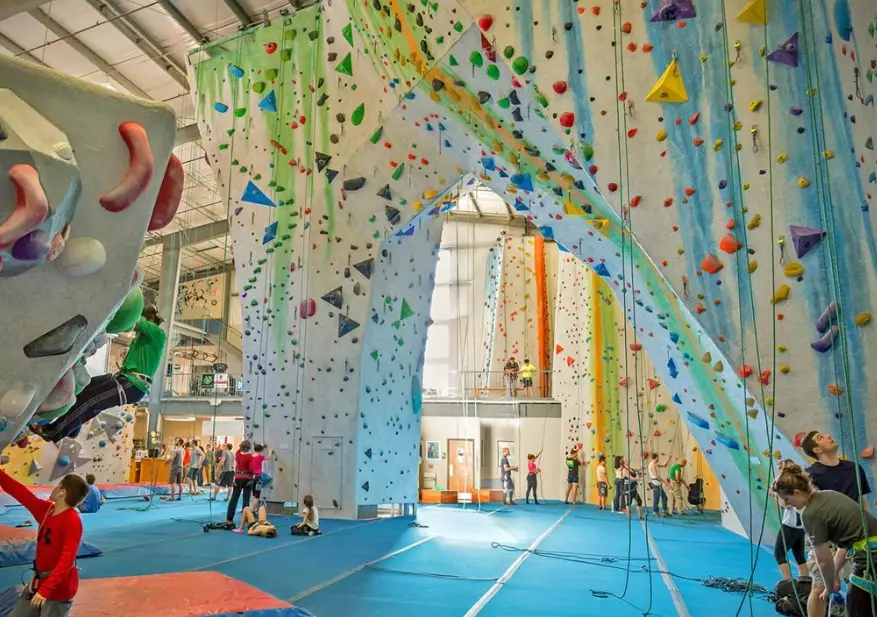
The real danger indoors is other people. A dropped chalk bag. A climber falling blindly. A distracted belayer. Your job is to manage these shared risks. Think of it as defensive driving, but vertical.
Expert Insight: New climbers often fixate on their own technique and forget to scan their environment. A seasoned climber spends as much time looking around as looking up. They're aware of the climber on the route next to theirs, the trajectory of a potential fall, and the objects on the mat. This 360-degree awareness is the first skill to master.
The 4 Pillars of Indoor Climbing Safety
Forget a long list of dos and don'ts. Focus on these four interconnected responsibilities. If everyone in the gym upheld these, accidents would plummet.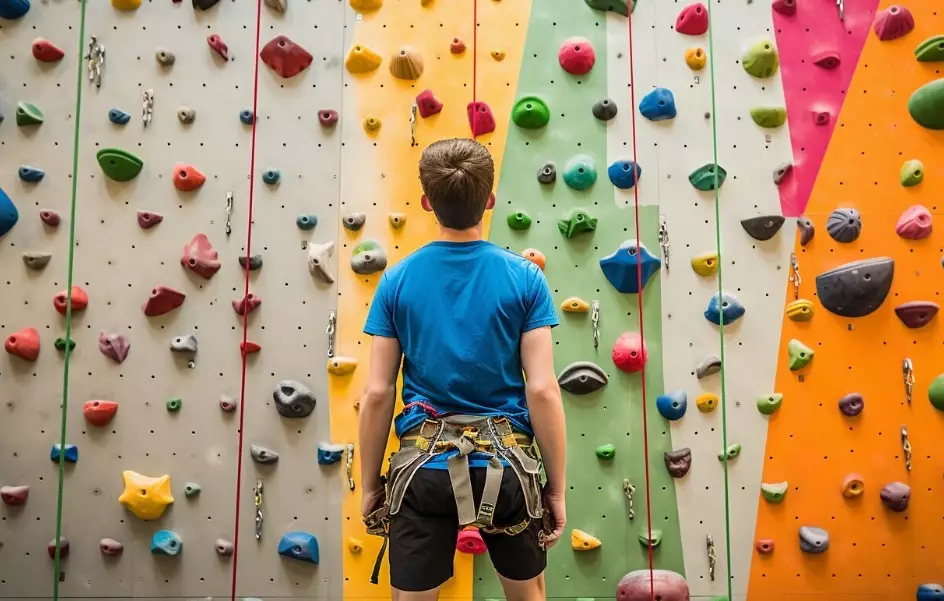
Pillar 1: Personal Preparedness (Your Gear & Body)
This is the baseline. It's non-negotiable.
The ABCDE Pre-Climb Check (for Roped Climbing):
- A - Anchors: Are the rope and quickdraws/clips correctly attached to the wall's anchor?
- B - Buckles: Is your harness double-backed? All buckles, including leg loops, secured?
- C - Carabiner: Is the belay device correctly attached with a locked carabiner?
- D - Device: Is the belayer's device threaded correctly? Is their brake hand on the rope?
- E - End of Rope: Is there a stopper knot in the tail end of the climber's rope? (A shocking number of people skip this.)
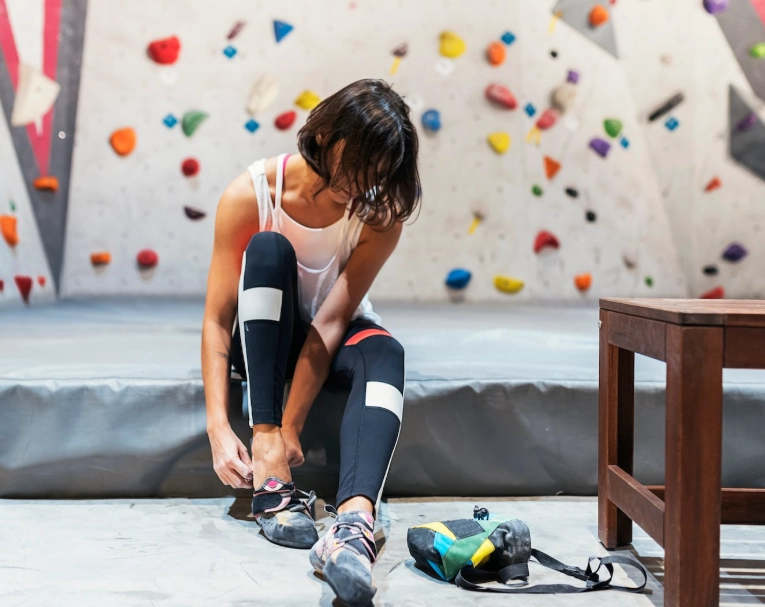
For bouldering, your "gear" is your landing. Scan the mat. Is your water bottle three feet away? Move it. Is someone's phone on the edge? Tell them.
Pillar 2: The Climber's Responsibility
You are the active participant. Your actions dictate the risk.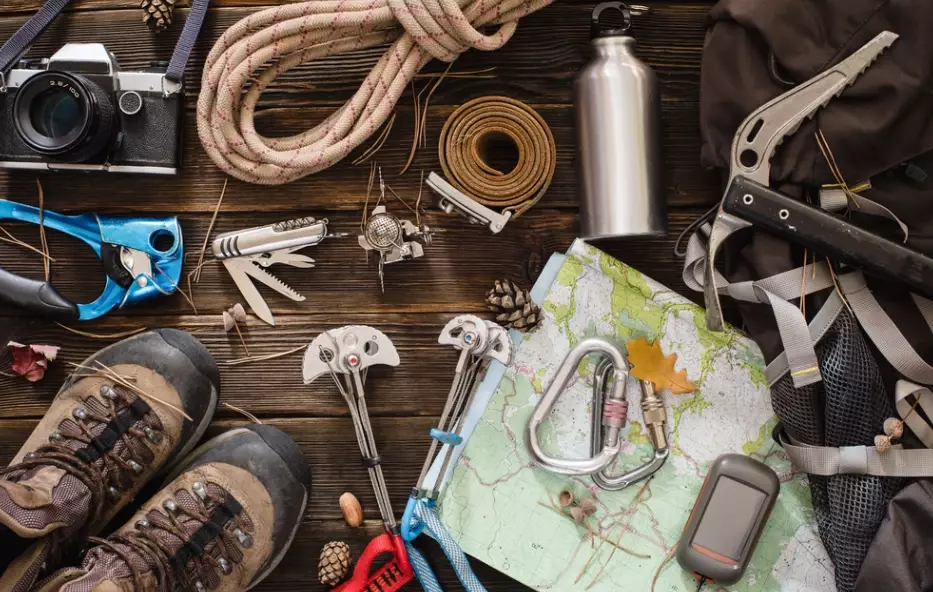
Communication is Key: Before you leave the ground, establish a clear "Climbing!" call with your belayer and wait for their "Climb on!" response. It sounds formal, but it confirms both parties are ready. When bouldering, a quick "Below!" lets people know you're starting under them.
Fall Management: On ropes, if you're about to take a practice fall, warn your belayer. On boulders, practice falling. Seriously. Spend 10 minutes during a quiet session falling from the third hold. Learn to land with soft knees and roll onto your back. Never stick your arms out straight to catch yourself—that's a broken wrist waiting to happen.
Pillar 3: The Belayer's/Spotter's Responsibility
This is a sacred trust. Your sole focus is the climber.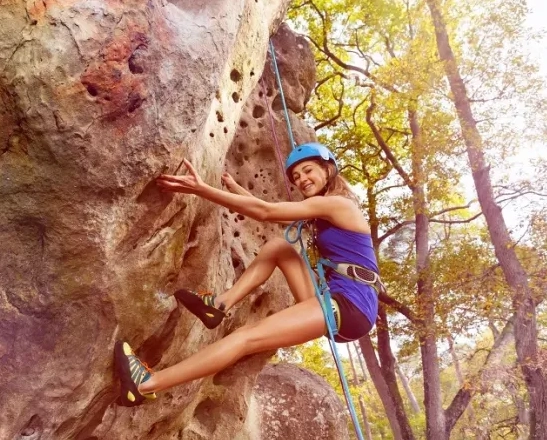
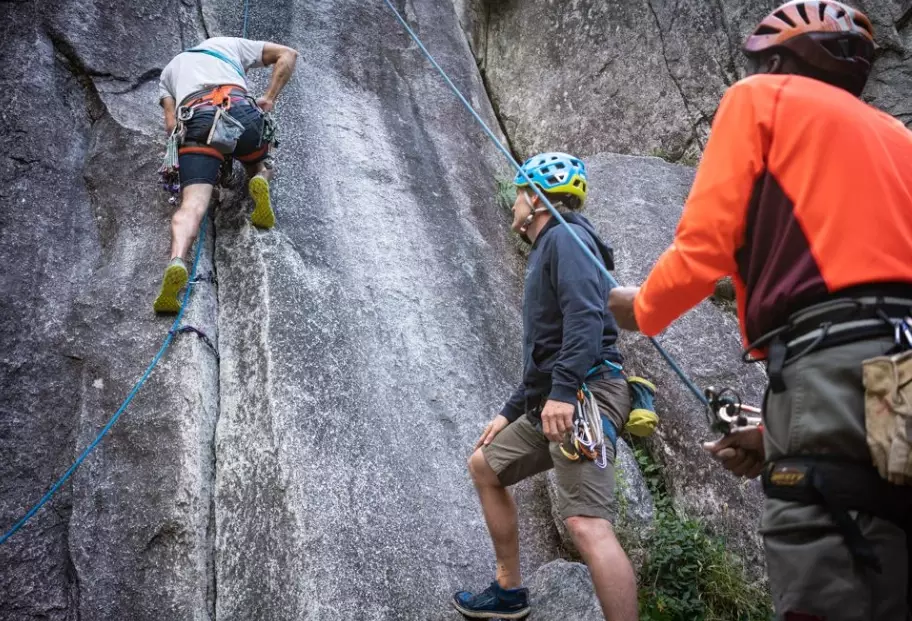
The Belayer's Mantra: Brake hand never leaves the rope. Eyes on the climber. Stand close to the wall unless giving a soft catch. Anticipate falls, don't just react to them. I've seen more belayers chatting with friends than watching their climber. It's infuriating.
Spotting for Bouldering: It's not about catching. You can't stop an adult's fall. It's about guiding their torso towards the mat and protecting their head/neck from an awkward impact. Keep your hands up, elbows bent, and direct their momentum. Remove any hazards from their path as they climb.
Pillar 4: The Bystander's Responsibility
This is the most overlooked pillar. You're not just a spectator.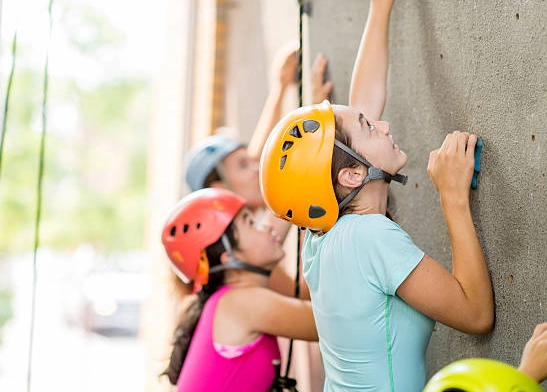
Keep walkways clear. Don't stand or sit on the bouldering mats unless you're actively spotting or climbing. If you see an unattended bag under a wall, move it to a bench. If you witness a blatantly unsafe act—like someone climbing without a knot—it's okay to politely point it out or, better yet, alert a staff member immediately.
How to Be a Safe and Considerate Climber
Safety blends with etiquette. Being aware and polite prevents most problems.
Let's talk about a specific, hairy scenario: a crowded bouldering area. Routes criss-cross. Beginners are on V0s, experts are on V8s. Here’s how to navigate it safely: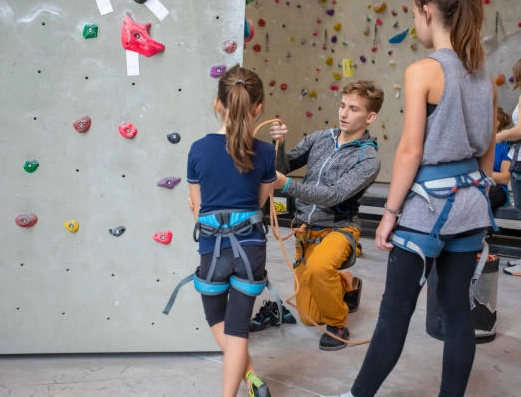
| Scenario | Unsafe Action | Safe & Considerate Action |
|---|---|---|
| Starting a climb | Jump on a problem without looking above or around you. | Scan the wall above for at least 10 seconds. Make eye contact with anyone on intersecting routes. A simple "Mind if I start this one?" works wonders. |
| Mid-climb awareness | Hyper-focus on the next hold, ignoring the climber moving into your fall zone. | If paths cross, pause. Communicate. "Hey, I'm moving left here!" It's better to come down and try again than create a collision risk. |
| After falling | Lie on the mat catching your breath, blocking the landing zone for others. | Roll off the mat immediately. Recover on the benches. The mats are for active falling, not lounging. |
| Chalking up | Stand directly under an active climber while you chalk your hands. | Step well away from any climbing line to chalk up. Your chalk cloud shouldn't be in someone's face, and you shouldn't be in their fall path. |
Another subtle point: clothing. I once saw a woman take a lead fall in loose-fitting sweatpants. The harness leg loops rode up over the fabric dangerously high. Wear fitted clothing. If you have long hair, tie it back so it doesn't get caught in a belay device or obscure your vision.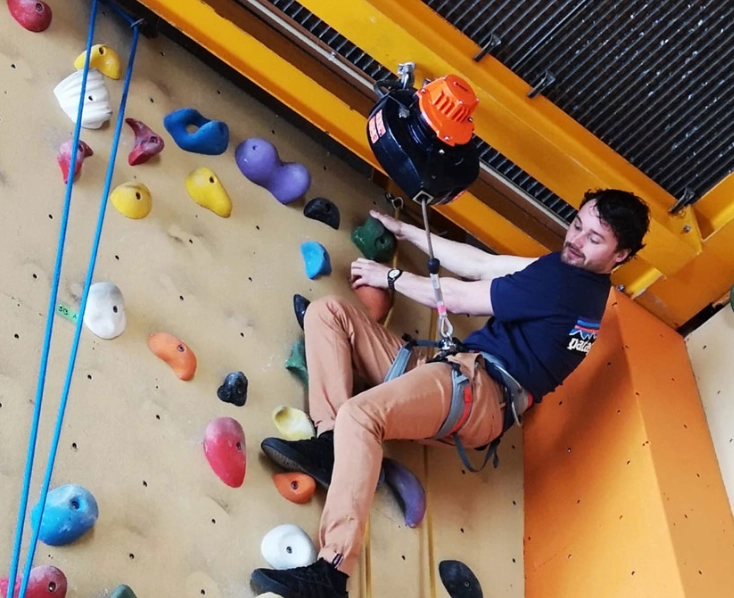
Finally, know your limits and the gym's rules. If you're not certified to lead climb or use an auto-belay, don't. Staff aren't there to ruin your fun; they're your last line of defense. The International Federation of Sport Climbing provides guidelines that most gyms follow, but your local gym's specific rules are the final authority.
Your Indoor Safety Questions Answered
Indoor climbing safety isn't a set of hoops to jump through. It's the culture you help create. It's the habit of looking out, speaking up, and putting communal well-being above your immediate send. Master the gear checks, absolutely. But then graduate to mastering the space. That's when you stop being just a climber and become a responsible member of the tribe. The wall will always be there tomorrow, but only if we all make sure everyone gets to walk away from it today.