Let's cut to the chase. Mountain safety isn't just about having the right gear—it's a mindset. I've spent over a decade guiding and hiking in ranges from the Rockies to the Alps, and the most common mistakes I see aren't about forgetting a rain jacket. They're about decisions made before and during the hike that put people in avoidable danger. This guide is about building that safety mindset, backed by a concrete, actionable plan.
What You'll Find in This Guide
The Mindset: Your Most Important Piece of Gear
You can have all the gear in the world and still get into trouble. The foundation of mountain safety is how you think.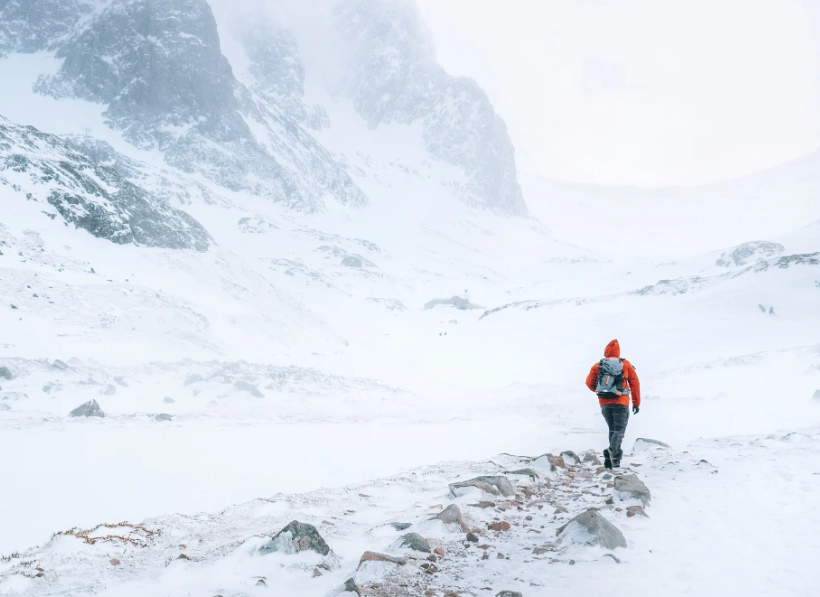
A big one? Overestimating your ability and underestimating the mountain. That 8-mile loop you do at home with 500 feet of gain is a different beast at altitude with 2,500 feet of gain on rocky, uneven terrain. Your pace will slow, fatigue sets in faster, and the weather is a wild card.
My Rule of Thumb: For a new trail, take the estimated hiking time from a reliable source (like a National Park Service page or a trusted guidebook) and add 25-50%. This builds in time for rest, photos, navigation checks, and slower-than-expected conditions.
The second part of the mindset is humility. The mountain doesn't care about your summit photo. Turning back because of worsening weather, fatigue, or a wrong turn isn't failure—it's the smartest safety decision you can make. I've turned around within sight of a summit more than once. It stings, but I've never regretted it.
The Gear: What to Pack (and Why)
Your pack is your lifeline. This isn't a fashion show; every item should have a clear purpose. Forget "just in case"—think "this could save me."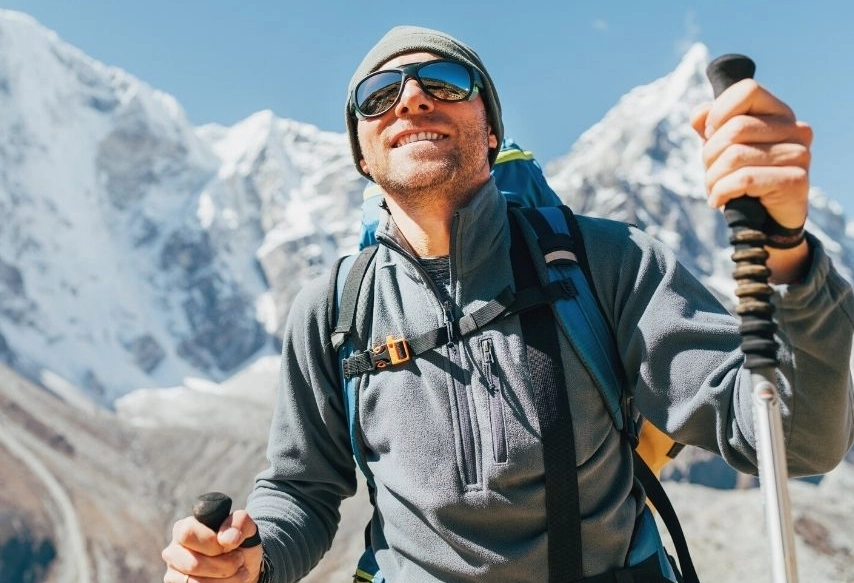
Everyone talks about the Ten Essentials. I break them into three functional categories: Navigation, Insulation, Hydration. If you get these three right, you cover 90% of potential problems.
Navigation: Don't Rely on Your Phone Alone
Phone GPS is great... until the battery dies, you drop it, or there's no signal. A physical map and compass are non-negotiable. And you need to know how to use them. I took a group out once where everyone's phone died in the cold. The one person who had a paper map got us back. The American Alpine Club has great basic resources on navigation—look them up before you go.
Insulation: The Weather Can Change in Minutes
I pack for the worst weather I could reasonably encounter, not the forecast. A sunny start can turn into a windy, rainy mess above the tree line. Always have a waterproof/windproof shell, an insulating layer (fleece or puffy), and a moisture-wicking base layer. Cotton is a killer—it holds moisture and drains body heat.
Hydration & Nutrition: Fuel and Water
Dehydration leads to poor decisions and altitude sickness. I aim for half a liter of water per hour of moderate hiking, more if it's hot. A water filter or purification tablets are essential for longer hikes—you can't carry all you'll need. For food, bring high-energy, easy-to-eat snacks (nuts, bars, jerky) and more than you think you'll need.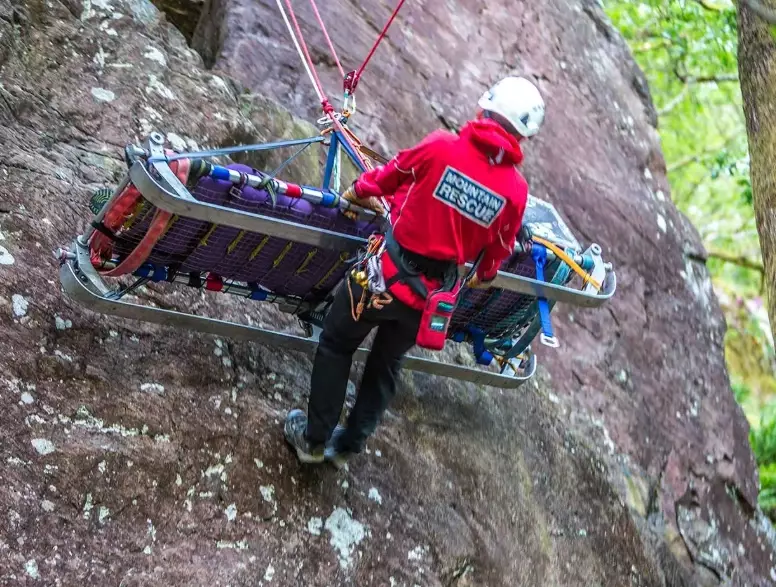
Here’s a quick-hit checklist that goes beyond the basics. Think of it as your safety audit.
| Category | Essential Items | Pro-Tip / Why It Matters |
|---|---|---|
| Navigation & Communication | Paper map, compass, headlamp (extra batteries), power bank, whistle | Test your headlamp before you go. A whistle carries farther than your voice if you need help. |
| Protection | Rain jacket & pants, sun hat & sunscreen, sunglasses, insulating layers, emergency blanket | Sunburn and windburn at altitude are severe. An emergency blanket is tiny and can prevent hypothermia. |
| First Aid & Repair | Personalized first-aid kit, duct tape, multi-tool, blister treatment | Most store-bought kits are weak. Add more blister pads, pain meds, and any personal meds. |
| Sustenance | Extra food (1 day), water + filter/purification, electrolyte tabs | Electrolytes prevent cramping. "Extra food" means calorie-dense, like a packet of nut butter. |
On the Trail: Smart Moves for Mountain Safety
You're packed and on the trail. Now what? This is where situational awareness separates the prepared from the precarious.
Tell Someone Your Plan. This is the single most overlooked step. Give a trusted person a detailed itinerary: trailhead name, route, expected return time, and when they should call for help if they don't hear from you. Not a vague "going hiking," but specifics.
Check the Weather—For the Summit. Don't just look at the town forecast. Mountain weather is its own beast. Use resources like the National Oceanic and Atmospheric Administration (NOAA) for mountain-specific forecasts. If thunderstorms are predicted for the afternoon, start early and plan to be off exposed ridges by noon.
Pace Yourself. Start slower than you think you need to. A steady, sustainable pace wins every time. If you're too breathless to have a conversation, you're going too fast.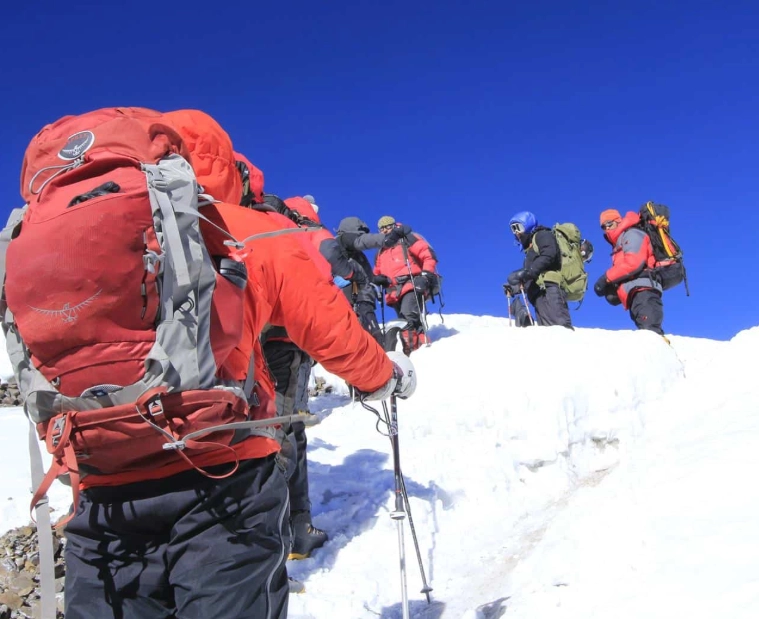
Watch for Trail Fatigue Cues: Are you stumbling more? Getting irritable? Making silly navigation errors? These are signs you need to stop, eat, drink, and seriously consider if you should continue.
Leave No Trace. Safety is also about preserving the environment. Stay on designated trails to prevent erosion and avoid getting lost. Properly dispose of waste. It's not just ethical; a clean trail is a safer trail for everyone.
When Things Go Wrong: Emergency Response Basics
Okay, you're lost, injured, or caught in a storm. Panic is your worst enemy. Stop. Sit down. Drink some water. Eat a snack. Then follow this hierarchy.
1. Shelter First. If the weather is bad, getting out of the elements is priority one. Use your rain gear, find natural wind cover, or deploy that emergency blanket. Hypothermia can set in even in temperatures above freezing if you're wet and windy.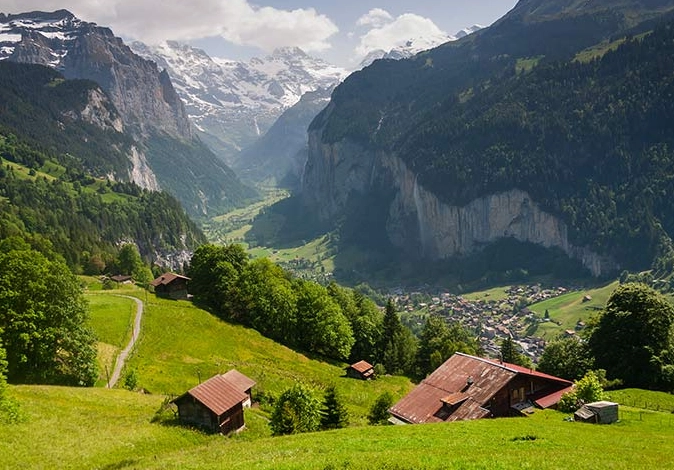
2. Signal for Help. Three of anything is the universal distress signal. Three whistle blasts, three flashes of a mirror or headlamp, three piles of dark rocks on light snow. If you have cell service, call 911. Be ready to give your location (use your GPS coordinates from your phone or map).
3. Treat Injuries. Administer first aid to stabilize yourself or your partner. Stop bleeding, immobilize sprains or breaks.
4. Conserve Resources. Stay put if you've signaled. Wandering burns calories and increases the search area. Huddle for warmth, ration your food and water wisely.
I once had to spend an unplanned night out due to a teammate's injury. Because we had our layers, extra food, and could make a shelter, it was uncomfortable but not life-threatening. We were found the next morning because we stayed put.