Let's cut to the chase. The United States is home to some of the most diverse and awe-inspiring mountain ranges on the planet. From the icy, storm-battered summit of Denali to the sun-bleached granite of the Sierra Nevada, these peaks define landscapes, challenge adventurers, and hold a special place in the national psyche. But if you're planning a trip—whether to gaze up from a scenic overlook or to strap on crampons—you need more than just pretty pictures. You need concrete details, logistical realities, and advice that doesn't sugarcoat the difficulties. This guide dives deep into America's iconic summits, giving you the actionable information to plan your visit or climb, covering everything from park entry fees to the subtle mistakes that can ruin a summit bid.
Your Peak-Bagging Roadmap
The Highest Three: Denali, Whitney & Elbert
Every conversation about US peaks starts with elevation. Here’s a detailed breakdown of the three tallest, because they couldn't be more different.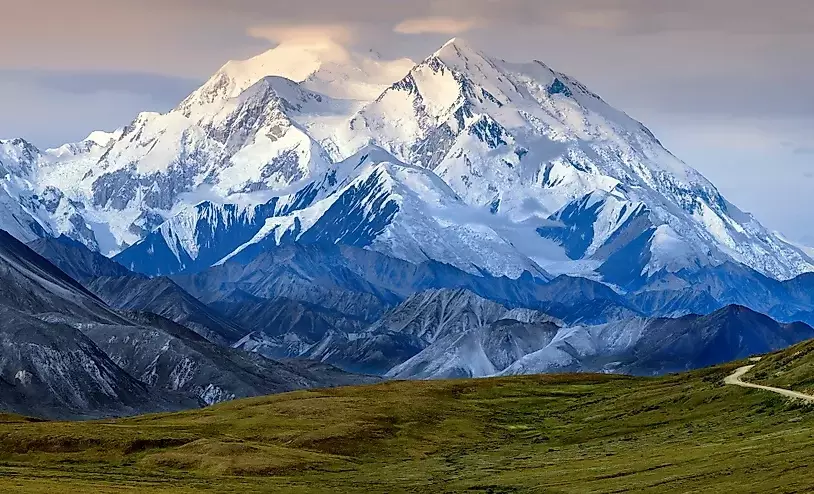
| Peak Name | Elevation | Location & Park | Key Climbing Details | Best Time for Viewing/Climbing |
|---|---|---|---|---|
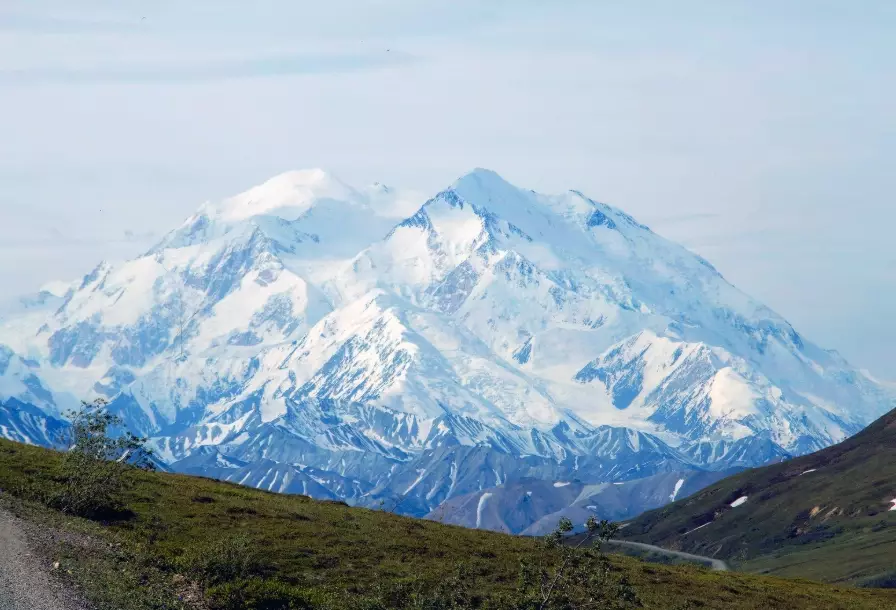
| Denali (Mount McKinley) | 20,310 ft (6,190 m) | Denali National Park & Preserve, Alaska | Expedition-style climb; 2-4 weeks; guide required for most; permits via NPS lottery. | Climbing: May-July. Viewing: June-August. The mountain is often shrouded in clouds. |
| Mount Whitney | 14,505 ft (4,421 m) | Inyo National Forest / Sequoia National Park border, California | Day hike or overnight via Whitney Portal Trail; highly competitive permit lottery (February). | Climbing/Hiking: July-September. The trail is usually snow-free during this window. |
| Mount Elbert | 14,440 ft (4,401 m) | San Isabel National Forest, Colorado | Non-technical hike via East Ridge or Northeast Face; no permit required, but parking fills early. | July-September. Afternoon thunderstorms are a serious, daily hazard in summer. |
Most blogs will tell you Whitney is a tough hike. They're right, but they miss the crucial point: the altitude gain from Whitney Portal (8,360 ft) is brutal if you're not acclimatized. I've seen more people turn around from pounding headaches at Trail Camp (12,000 ft) than from sheer exhaustion. A pro tip? Spend two nights at 10,000 ft in nearby Horseshoe Meadow or Onion Valley before your permit date. It makes a world of difference.
Denali is a different beast entirely. It's not just a climb; it's a logistical siege in one of the coldest environments on Earth. The common mistake? Focusing only on physical training and ignoring the mental grind of weeks in a whiteout, managing sleds, and the sheer weight of expedition logistics. As per the National Park Service's mountaineering summary, success rates hover around 50%, with weather being the primary deciding factor.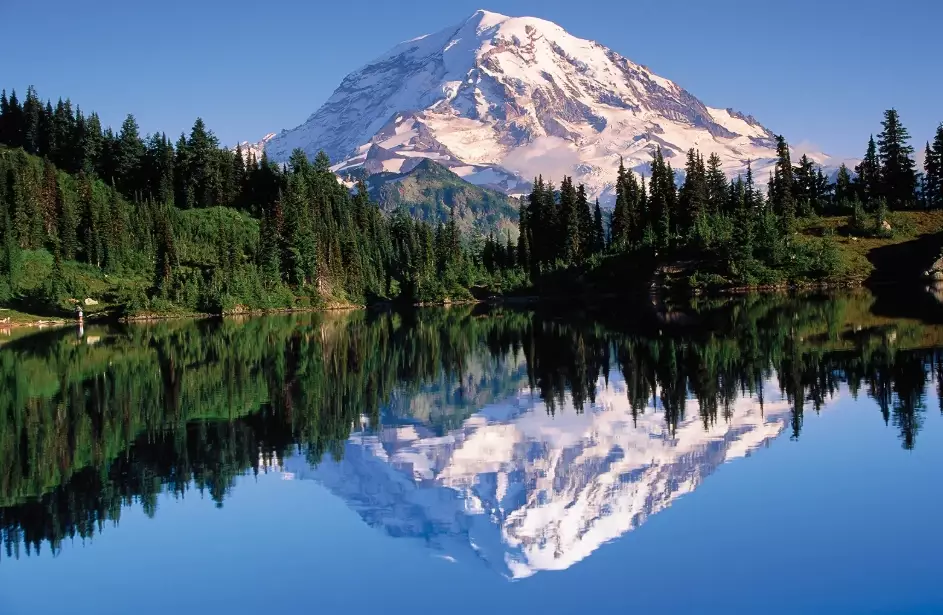
Iconic Volcanic Peaks of the Pacific Northwest
The Cascade Range offers a lineup of stunning, glacier-clad volcanoes. They're accessible, incredibly photogenic, and serve as premier training grounds for alpine climbers worldwide.
Mount Rainier, Washington
At 14,411 ft, it's the most glaciated peak in the contiguous U.S. and dominates the Seattle skyline. Climbing it is a serious undertaking requiring glacier travel skills. **Most climbers use a guide service** like RMI Expeditions or Alpine Ascents International, which handle permits and provide instruction. The standard Disappointment Cleaver route takes 2-3 days. For non-climbers, the **Paradise area** in Mount Rainier National Park ($30 vehicle entry, valid 7 days) offers breathtaking views and wildflower meadows. Sunrise, on the northeast side, is another spectacular (and slightly less crowded) viewpoint accessible by car in summer.
Mount Hood, Oregon
Hood's 11,239 ft pyramid is a iconic sight from Portland. The **South Side route** (Hogsback) is a popular but hazardous climb, famous for its steep fumaroles and ice fall danger. It's often attempted as a one-day push, leading to a predawn start. The Timberline Lodge serves as the base and is a National Historic Landmark worth visiting year-round. A common error? Underestimating the descent. More accidents happen on the way down tired climbers.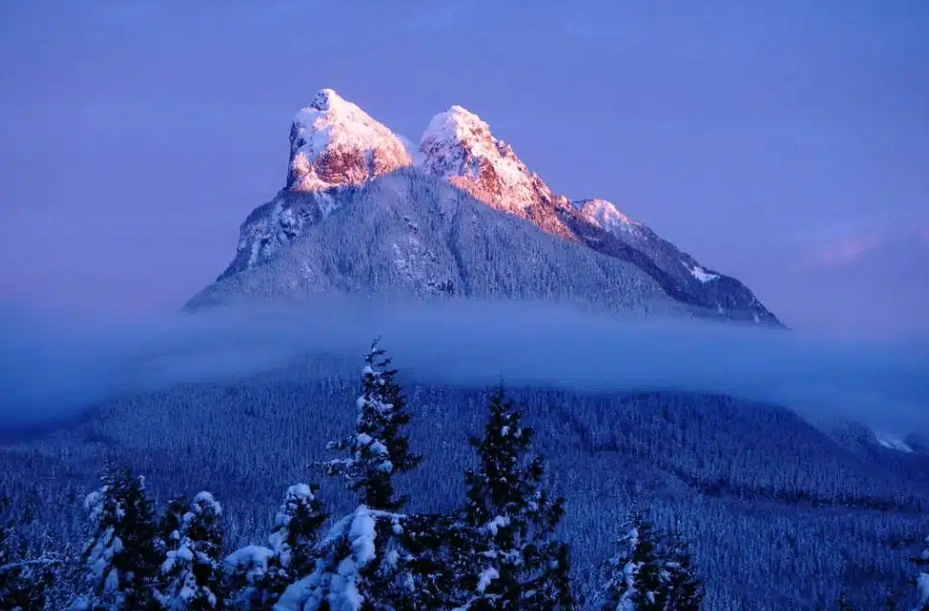
How to Plan Your Ascent: A Realistic Framework
Dreaming is easy. Planning is where trips succeed or fail. Forget a generic checklist; think in phases.
- Phase 1: The Permit Puzzle. This is your first and biggest hurdle. The systems are fragmented and competitive. Whitney uses a Recreation.gov lottery. Rainier requires climbers to register and pay a fee through its guide services or the NPS. Many Colorado 14ers just need a self-issued permit at the trailhead. Research this first—your entire calendar depends on it.
- Phase 2: Fitness vs. Altitude Acclimatization. You can be marathon-fit but still get knocked out by altitude. Fitness is built over months with weighted pack hikes and stair training. Acclimatization is a separate strategy: sleeping at progressively higher elevations in the days before your climb. Schedule extra days for this, especially for peaks above 13,000 ft.
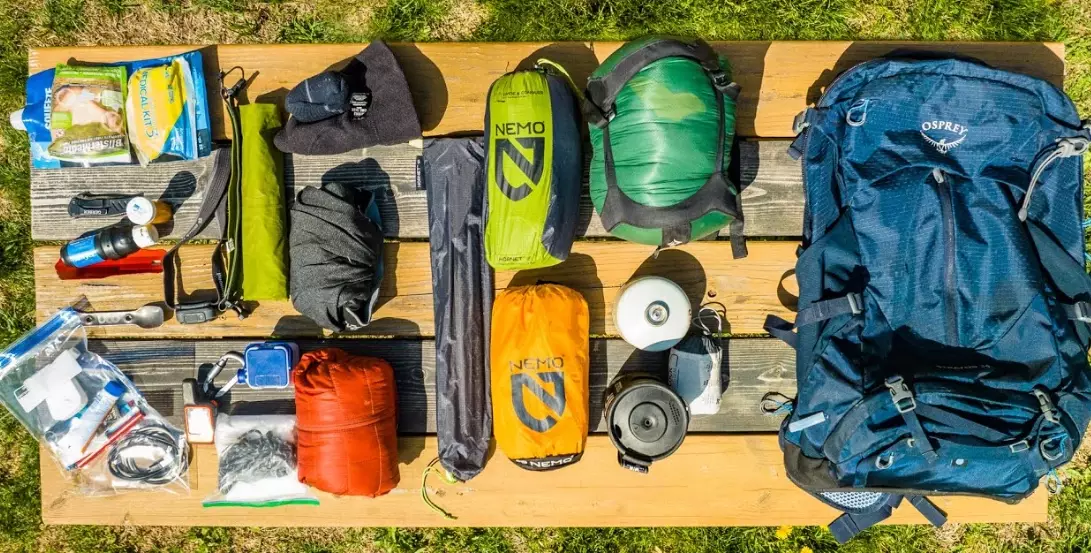
- Phase 3: The Gear Deep Dive. Rent big-ticket items (ice axe, crampons, helmet) if you're new. But never rent or buy new boots right before a climb. Blisters are a top reason for failure. Break them in over dozens of miles. A subtle mistake? Using a heavy, bulky backpack because it was cheap. A comfortable, well-fitting pack is worth every penny when you're 10 hours into a climb.
Let's talk about a specific scenario: planning a Mount Whitney day hike. You win the late-season permit. Your itinerary shouldn't just be "start at 2 AM." It should be: Acclimatize at Horseshoe Meadow for two nights. Drive to Whitney Portal the afternoon before, eat a big meal, and be in bed by 7 PM. Start hiking at 3 AM (not 2, to maximize sleep), aim to summit before noon to avoid potential storms, and have a headlamp and warm layers ready for the inevitable finish in the dark. This level of detail is what separates a sufferfest from a successful, memorable summit.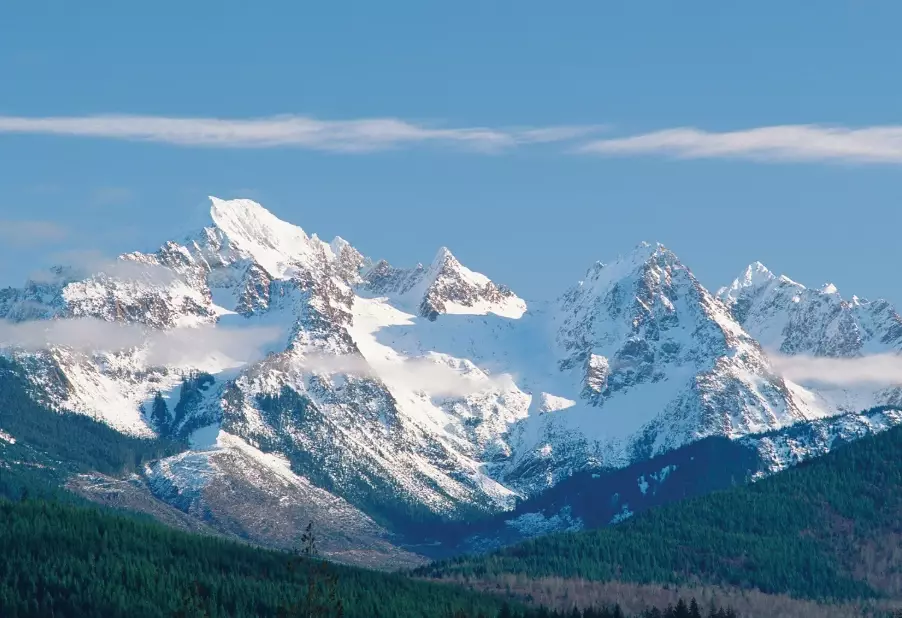
Beyond the Summit: Scenic Drives and Viewpoints
Not everyone wants to climb. The beauty of US mountain peaks is that many are showcased by world-class scenic drives.
Going-to-the-Sun Road, Glacier National Park: This engineering marvel cuts across the park's heart, offering jaw-dropping views of the Lewis Range. Vehicle reservations are required in summer. Stop at Logan Pass for a chance to see bighorn sheep and meadows dotted with bear grass.
Trail Ridge Road, Rocky Mountain National Park: The highest continuous paved road in the US, reaching over 12,000 ft. It feels like driving across the alpine tundra. Watch for elk herds. Timed entry permits are needed for most of the day.
Denali Park Road: Unlike the others, this is mostly unpaved, and private vehicle access is limited. The best way to experience it is on a narrated bus tour (like the Tundra Wilderness Tour), which increases your chances of seeing Denali itself, along with grizzlies, caribou, and Dall sheep.
The view is never guaranteed. I've been to Glacier three times and only seen the full, clear skyline once. Manage your expectations—sometimes the mountains hide, adding to their mystery.