You see a cliff face or a weirdly shaped boulder and think, "I could climb that." Then the questions hit. What gear do I need? Is it safe? How do I even start? The world of climbing isn't one thing—it's split into three main tribes, each with its own gear, mindset, and community. Asking "what are the three types of climbing?" is your first real step. They are bouldering, sport climbing, and traditional (trad) climbing.
I've spent over a decade in all three worlds, from gym plastic to alpine granite. I've seen people waste hundreds on the wrong gear because they didn't understand the difference. Let's fix that.
What You'll Find in This Guide
1. Bouldering: The Gymnastic Puzzle
No ropes, no harnesses. Just you, climbing shoes, a bag of chalk, and a thick crash pad below. Bouldering is about solving short, intense sequences of moves (called "problems") usually under 20 feet high.
You'll find it everywhere: indoors on color-coded plastic holds, outdoors on real rock boulders. The community is social—people gather around a boulder, working on the same sequence, shouting beta (advice).
What You Actually Need to Start
Gear list is blissfully short:
- Shoes: Tight, sensitive rubber slippers. Rent them first ($5-10). Don't buy aggressive downturned shoes as a beginner; it's like learning to drive in a Formula 1 car.
- Chalk & Bag: Keeps hands dry. A must.
- Crash Pad(s): For outdoors. One is okay for easy landings; for taller boulders, you link multiple pads with friends. Indoor gyms have padded floors.
- A Spotter: Not to catch you, but to guide your torso toward the pad if you fall awkwardly.
Where to Try It & The V-Scale
Your local climbing gym is the perfect, controlled start. Look for "bouldering-only" gyms or the bouldering area in a bigger gym. Outdoors, areas like Hueco Tanks in Texas or Bishop in California are meccas, but every region has local boulderfields.
Difficulty is measured by the V-scale (V0, V1, V2...). V0 is beginner. A common trap? Comparing V-grades between gyms or different rock types. A gym V4 might feel like an outdoor V2. The rock doesn't lie.
A Personal Note on Fear: Bouldering taught me more about falling than any other style. You fall every session. Learning to fall well—relaxed, feet first, rolling onto your back—is a non-negotiable skill. I sprained an ankle early on because I stiffened up. Don't be me. Practice falling from the easy sections first.
2. Sport Climbing: The Athletic Dance on a Rope
This is what most people picture: a climber on a rope, high on a cliff. In sport climbing, the safety system is pre-installed. Permanent metal bolts are drilled into the rock, and you clip your rope into them as you go using quickdraws.
The focus shifts from pure power (like bouldering) to endurance, pacing, and clipping technique. You can climb much longer routes, from 30 to over 100 feet.
The Essential Gear Loadout
The shopping list gets longer and more serious:
- Harness: Your connection point. Get one comfortable for hanging.
- Dynamic Climbing Rope: Usually 60m or 70m long. It stretches to absorb fall energy.
- Quickdraws (12-16): Two carabiners connected by a fabric sling. One end clips the bolt, the other clips your rope.
- Belay Device & Locking Carabiner: For your partner to control the rope and catch falls.
- Helmet: Non-negotiable outdoors. Rockfall happens.
- Climbing Shoes & Chalk.
The Crucial Partner: Belaying
You must learn to belay from a certified instructor. Your partner's life is in your hands. Gyms offer courses. This skill is the foundation of all rope climbing. The American Alpine Club and local guiding services are authoritative sources for learning standards.
Routes are graded on the 5. scale (e.g., 5.8, 5.10a, 5.12d). It starts at 5.0 (easy) and goes up. Sport climbing areas are abundant: Red River Gorge (Kentucky), Kalymnos (Greece), or your local crag with bolted routes.
Here's the subtle mistake I see: new climbers get fixated on the "send" (reaching the top cleanly) and ignore the practice of taking. Hanging on the rope to rest and work a hard move is not failing. It's learning. Use the rope as a tool, not just a safety line.
3. Traditional (Trad) Climbing: The Ultimate Problem-Solving
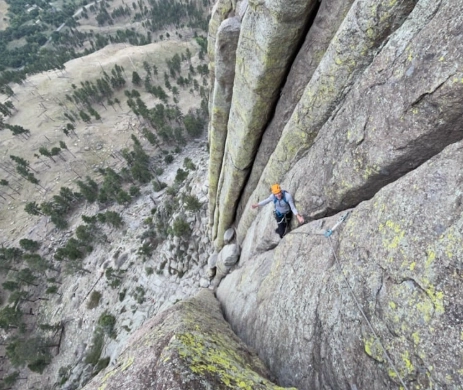
Trad climbing is the purest, most self-reliant form. There are no pre-placed bolts. As the leader climbs, they place removable protection gear—nuts, cams, hexes—into cracks and features in the rock. This gear forms the anchor points for the rope. The last climber removes it all.
It's a massive mental game. You're not just climbing; you're constantly reading the rock for gear placements, assessing their quality, and managing the fear that comes with creating your own safety net.
The Gear is Your Rack (and It's Expensive)
A trad "rack" is a collection of gear. A starter single set of cams (like Black Diamond C4s in sizes 0.3 to 3) can cost over $700. Add nuts, slings, carabiners, and you're well over $1000. You do not buy this to start. You learn with a mentor or guide who has the gear.
How You Actually Learn Trad
You cannot learn trad from a book or YouTube. Full stop. The consequences are terminal. The path:
- Become a proficient sport climber (confident leading 5.9/5.10).
- Take a multi-day course from an AMGA (American Mountain Guides Association) certified guide. They teach gear placement, anchor building, and risk assessment.
- Find a patient, experienced mentor through a local alpine club. This is an apprenticeship.
Classic trad areas include Yosemite Valley (California), Joshua Tree (California), and the Gritstone edges of the UK. The ethic is "leave no trace"—you protect the rock and leave it as you found it.
My hardest lesson? A perfect-looking crack can lie. I once placed a cam that seemed solid, only for it to shift slightly under weight. The sound still haunts me. You learn to test placements with a gentle tug, to listen to the rock, and to always have a backup plan. It humbles you.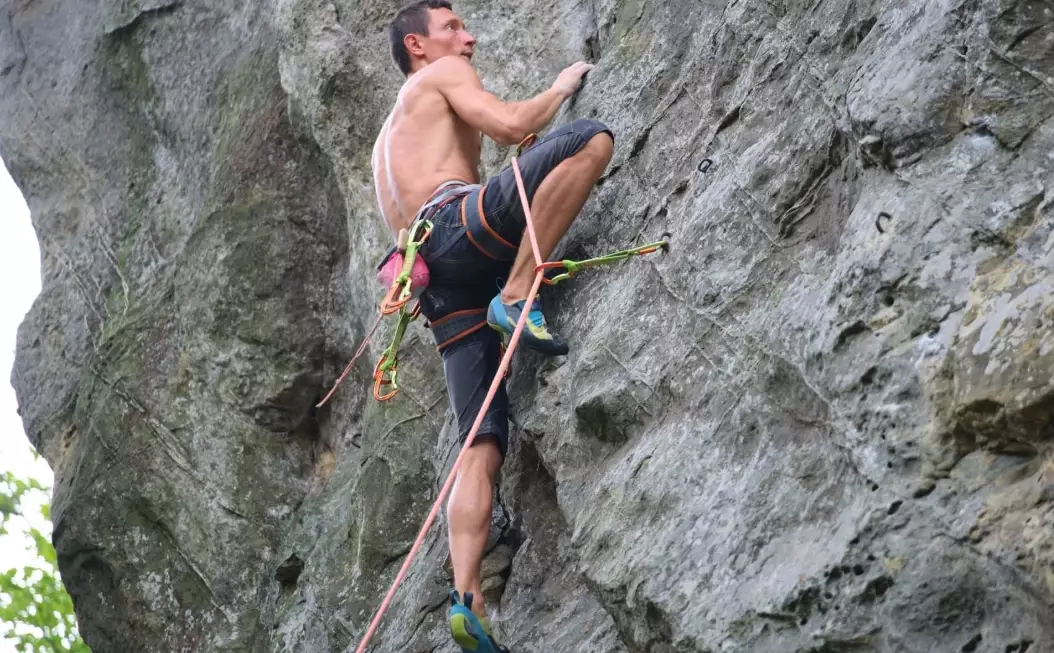
The Quick-Compare Table: Which Style Fits You?
| Aspect | Bouldering | Sport Climbing | Trad Climbing |
|---|---|---|---|
| Core Focus | Power, technique, solving short sequences | Endurance, flow, clipping bolts on longer routes | Adventure, self-reliance, gear placement & mental fortitude |
| Typical Height | 10-20 feet | 30-100+ feet | 50-1000+ feet (multi-pitch) |
| Safety System | Crash pads & spotters | Pre-placed bolts, rope, belayer | Removable gear you place yourself, rope, belayer |
| Startup Cost | Low ($100-200 for shoes/chalk) | Medium-High ($500-1000+ for full kit) | Very High ($1500+ for rack, plus courses) |
| Best For Personality | Social, puzzle-loving, enjoys intense bursts | Goal-oriented, enjoys sustained effort and partnership | Meticulous, patient, loves wilderness and problem-solving |
| Common Grading Scale | V-scale (V0-V17) | YDS 5. scale (5.6-5.15) | YDS 5. scale |
Your Climbing Questions, Answered Honestly
 So, what are the three types of climbing? They're not just different activities; they're different languages for speaking to the rock. Bouldering is a quick, witty haiku. Sport climbing is an expressive poem. Trad climbing is a novel you write as you go, with real stakes.
Don't feel pressured to pick one forever. I started with bouldering, fell in love with the movement. Sport climbing taught me endurance and trust. Trad climbing taught me respect and humility. Your journey will be your own. Go to a gym this week. Rent some shoes. Feel the rubber on the hold. That's the only start you need.