Ask ten climbers where the best climbing in the world is, and you'll get eleven different answers. That's because "best" is deeply personal. It depends on what you climb, the experience you want, and even the season you travel. After two decades of chasing rock and ice around the globe, I've learned the real answer isn't a single spot—it's a collection of world class climbing areas, each offering something uniquely brilliant.
This guide cuts through the hype. We'll look at the definitive top rock climbing destinations for different styles, from sun-drenched sport crags to epic big walls. More importantly, we'll talk about how to choose the right one for your next trip.
Your Quick Route to the Top
What Makes a Climbing Destination "The Best"?
Before we list places, let's define the criteria. A world-class area needs more than just hard routes. Here's what I look for:
- Quality & Quantity of Rock: Endless lines on solid, featured stone. Think Kalymnos' pocketed limestone or Yosemite's flawless granite.
- Climbing Variety: A good spread of grades and styles within a reasonable distance. Can you find warm-ups, projects, and maybe even a different type of climbing (trad, sport, bouldering) nearby?
- Supporting Infrastructure: This is huge and often overlooked. Reliable guidebooks, accessible approaches, nearby accommodation (camping to hostels), and a town with food and gear shops. A remote crag with no water source can turn a dream trip into a survival challenge.
- The "Vibe": The local climbing community and overall atmosphere. Is it friendly? Is there a sense of shared stoke? Places like Smith Rock foster this beautifully.
- Conservation & Access: Is the area well-managed? Are climbers following sustainable climbing practices? Long-term access depends on this. The Access Fund in the US and local groups worldwide are critical here.
A common mistake I see? New climbers pick a destination based solely on its famous hardest route. If you're a 5.10 climber going to a crag famous for its 5.14s, you might have a thin and frustrating trip. Match the place to your current pyramid.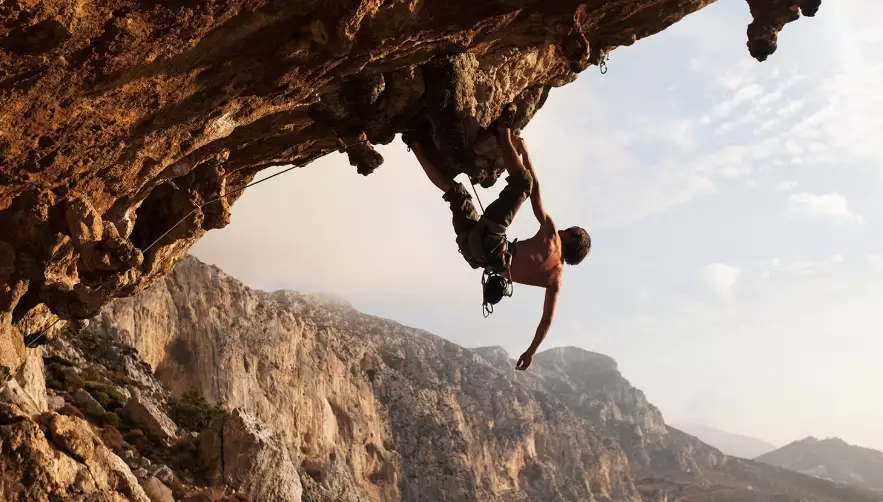
Global Spotlight: The Undisputed Top Tier
These are the hall-of-famers. The places that consistently deliver and have shaped climbing history.
Yosemite Valley, USA - The Cathedral of Climbing
You can't talk about the best climbing in the world without Yosemite. It's not just a place; it's a pilgrimage. The sheer scale of El Capitan and Half Dome defines big wall climbing. But the Valley is more than just the Nose. The Tuolumne Meadows high country offers brilliant alpine granite, and the valley walls have countless multi-pitch traditional routes.
Yosemite Beta
Best For: Traditional climbing, big wall aid and free climbing, crack climbing.
Prime Season: Spring (April-May) and Fall (September-October). Summers are hot and crowded, winters are cold with some road closures.
Key Intel: Camp 4 is the legendary walk-in campground but is fiercely competitive. Book accommodations in Curry Village or outside the park well in advance. A climbing trip planning fail here is not reserving your spot. Permits are required for overnight big wall climbs. The Yosemite Climbing Association is a great resource for current conditions and ethics.
Kalymnos, Greece - The Sport Climber's Paradise
If Yosemite is the church, Kalymnos is the festival. This Greek island is almost a cliché in sport climbing circles—because it's that good. Imagine tufa-strewn, pocketed limestone overlooking the Aegean Sea. The routes are steep, technical, and endlessly fun. The island is built for climbers, with scooter rentals, seaside tavernas serving fresh octopus, and crags accessible by scooter or short hikes.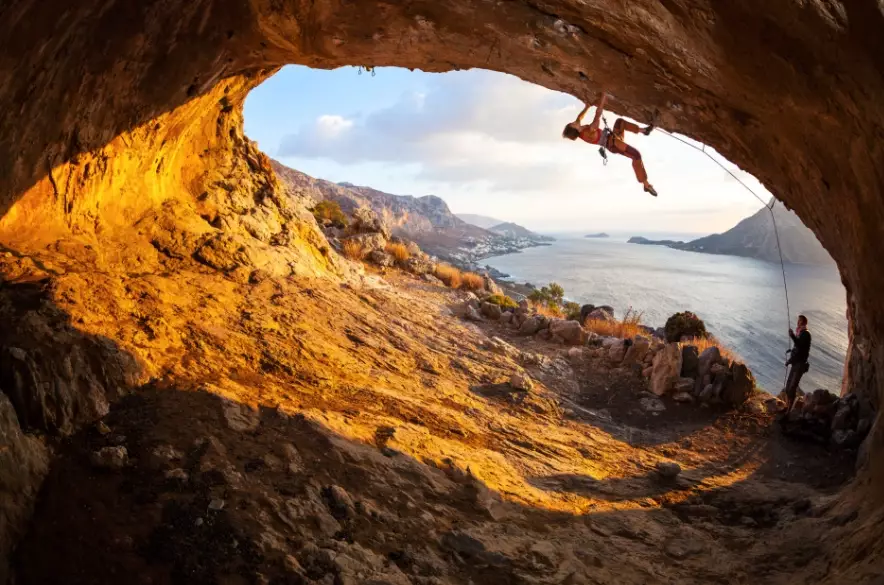
Kalymnos Beta
Best For: Sport climbing across all grades (an abundance of 5.10-5.12), tufa and pocket specialists.
Prime Season: Spring (April-May) and Autumn (September-October). July and August are scorching.
Key Intel: Stay in Massouri or Myrties for easy access to the main crags. The "Kalymnos Climbing" guidebook by Aris Theodoropoulos is essential. The local community is incredibly welcoming, and the post-climb swim is mandatory.
Railay Beach, Thailand - The Adventure Playground
Climbing out of a jungle onto a limestone tower above a turquoise ocean? That's Railay. Accessible only by boat, it's a unique blend of world class climbing and beach vacation. The climbing is primarily sport and deep-water soloing (DWS). The rock is sharp and featured, offering everything from juggy overhangs to delicate slabs.
One subtle error beginners make here is not bringing enough quickdraws. Many routes are long (up to 35 meters), and 12 draws might not cut it. Pack 16-18.
Railay Beta
Best For: Sport climbing, deep-water soloing (seasonal), a mix of climbing and relaxation.
Prime Season: Dry season, from November to April. The monsoon (May-Oct) brings rain and makes DWS impossible.
Key Intel: Tons of accommodation for all budgets on Railay East and West. Tonsai Beach, a 10-minute walk away, has a more backpacker vibe. Fresh fruit shakes are your best friend. Be mindful of tide schedules for DWS and some crag approaches.
But the list doesn't end there. To give you a broader view, here’s a snapshot of other elite destinations:
| Destination | Country | Rock Type / Style | Best For | Sample Classic |
|---|---|---|---|---|
| Chamonix | France | Alpine Granite & Ice | Mountaineering, alpine rock & ice, high consequence climbing | Cosmiques Arête |
| Red River Gorge | USA (Kentucky) | Sandstone / Sport | Steep, powerful endurance climbing on juggy routes | Table of Colors (5.12a) |
| Siurana | Spain | Limestone / Sport | Technical face climbing on pockets and edges, historical hard climbs | La Rambla (9a+) |
| Squamish | Canada | Granite / Trad & Bouldering | Crack climbing, multi-pitch trad, world-class bouldering | Grand Wall (5.11a A0) |
| Rocklands | South Africa | Sandstone / Bouldering | Bouldering on unique, featured rock in a wild landscape | Black Eagle (8A) |
How to Choose Your Perfect Climbing Destination
Now, how do you pick? Don't just chase Instagram photos. Ask yourself these questions: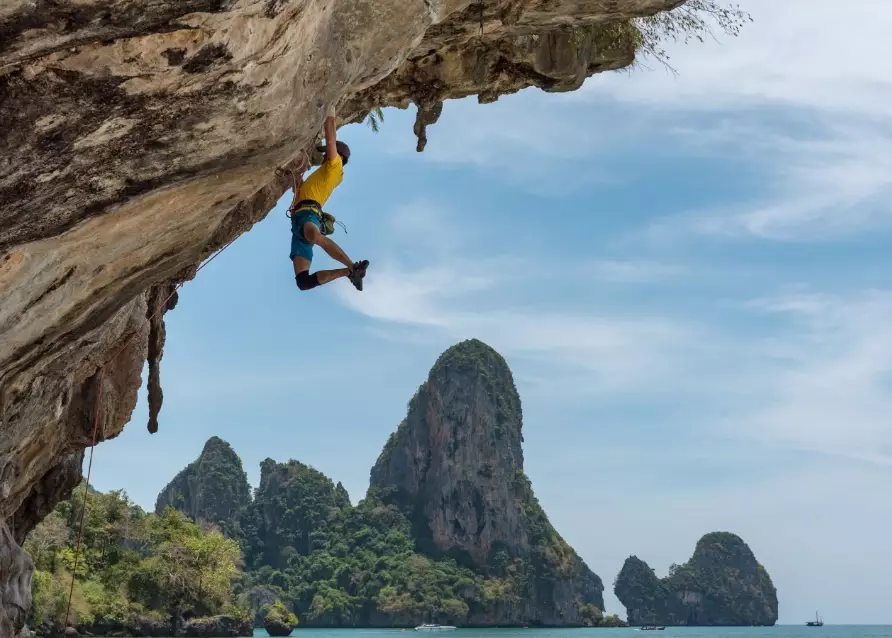
What is your primary climbing discipline?
If you live for gear placements, Squamish or the Peak District (UK) will satisfy more than a pure sport crag. If you're a boulderer, prioritize fontainebleau or hueco tanks over multi-pitch meccas.
What grade range are you solidly climbing?
Be realistic. A destination with 50 classic routes at your onsight level and a few projects is ideal. A place with only two routes at your grade and a hundred far above it will be demoralizing. Guidebooks and sites like Mountain Project or UKClimbing let you audit a crag's grade spread before you go.
What's your trip budget and style?
Climbing in Switzerland is incredible but expensive. Eastern Europe (like the Czech Republic's Adršpach) or Mexico (El Potrero Chico) offers amazing climbing at a lower cost. Are you camping, hostel-hopping, or looking for a resort-style stay? This drastically narrows the field.
Do you want a pure climbing trip or a climbing+culture mix?
Kalymnos and Railay blend climbing with a strong local culture and other activities (swimming, eating). A place like the Red River Gorge is more focused—you climb, you eat at Miguel's Pizza, you sleep, you repeat. Both are valid, but know what you're signing up for.
My personal rule? For a first international climbing trip, pick a place with a strong, established climbing infrastructure. It removes so much logistical stress and lets you focus on the rock.
Your Climbing Trip Questions Answered
 How do I manage a tight budget for a world-class climbing trip?