You walk into a climbing gym, and the walls are a mosaic of colorful plastic holds. It's exciting, maybe a bit overwhelming. Most beginners think climbing is just about pulling hard. They're wrong. The real game is played between your ears. Success on indoor climbing routes isn't just strength; it's a puzzle-solving skill called route reading. I've seen countless strong newcomers fail on "easy" routes while lighter, more experienced climbers float up seemingly impossible lines. The difference? Knowing how to decode the intention behind the holds. Let's cut through the noise and get you thinking like a route-setter.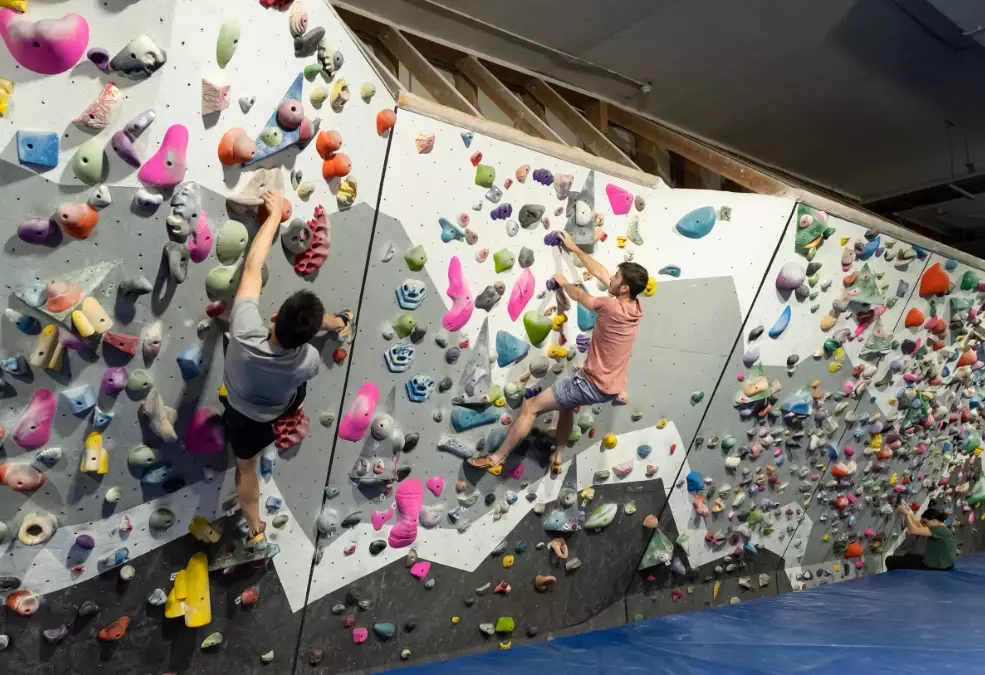
What's Inside This Guide
What Are Indoor Climbing Routes, Really?
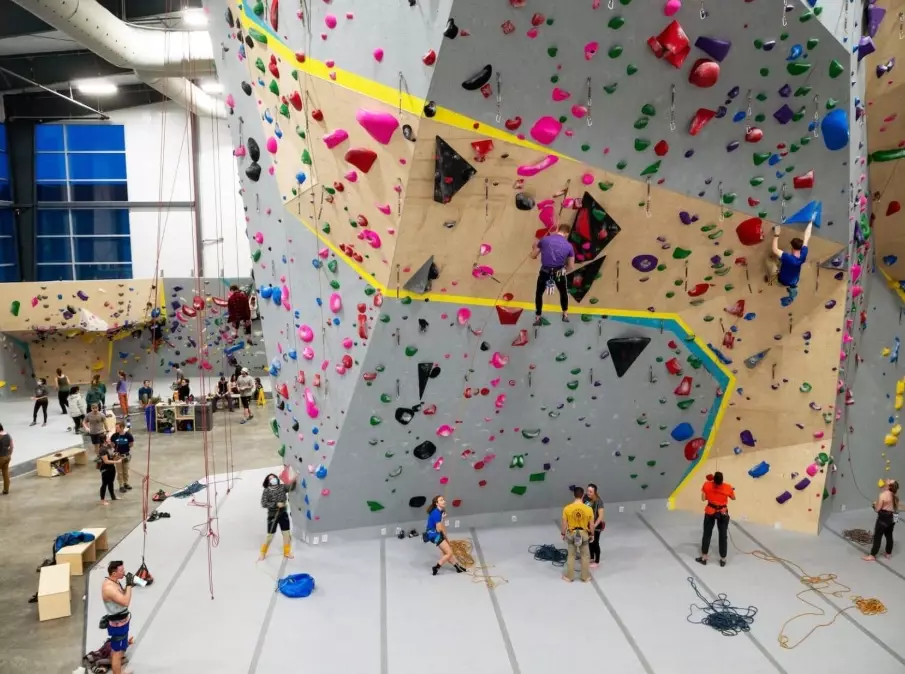
Think of a route (or a "problem" in bouldering) as a sentence written on the wall. The route-setter is the author. The colored holds are the words. Your job is to read that sentence fluently, understanding the grammar (the sequence) and the punctuation (the rests and cruxes). It's a physical and mental dialogue. A common mistake is treating all holds of the same color as equal. They're not. The orientation of a hold—whether it's a positive jug, a slopey pinch, or an incut edge—dictates exactly how your body should be positioned. The route isn't just a path upward; it's a specific series of movements, or a "movement library," designed to teach you something.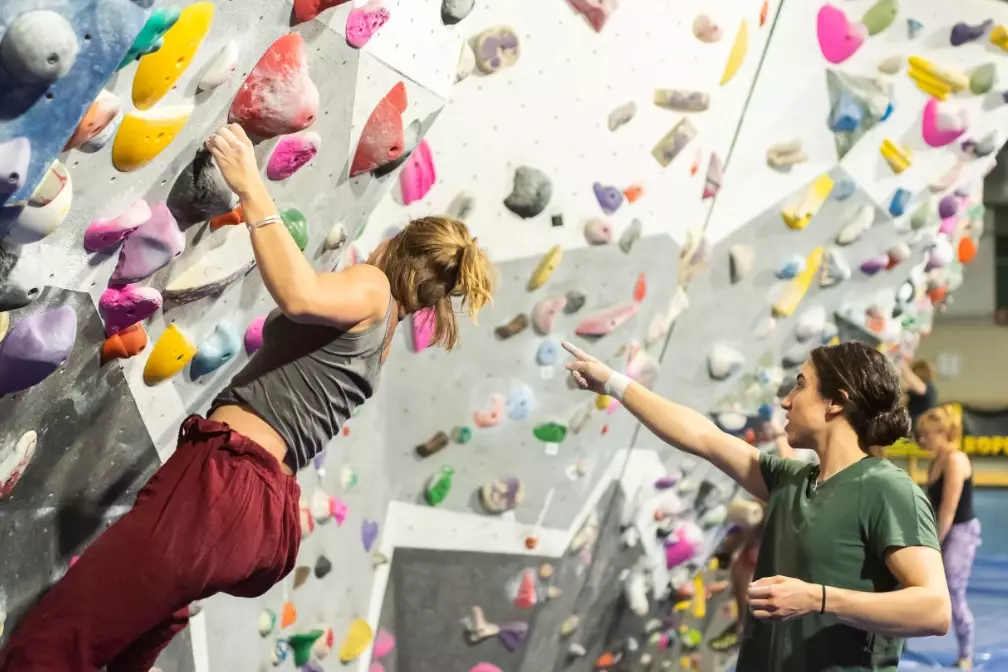
How to Read a Route: Color, Tape, and Grades
Before you touch a single hold, stand back. Look at the entire line from start to finish. This is your "preview."
The Universal Language: Color and Tape Systems
Gyms use one of two systems. The Color-Coded System is simplest: all holds for one route are the same color. The Tape System uses strips of colored tape next to each hold to mark the route. Tapes allow for more creative setting on crowded walls but require more attention to follow. My pro-tip? In a tape gym, identify the start holds first—they usually have two matching tapes, indicating both hands must be on them. Missing this is a classic beginner error.
Deciphering the Difficulty Grade
Grades are a shorthand for intensity, not a measure of your worth. The two main scales are for roped climbing (Yosemite Decimal System, e.g., 5.10a) and bouldering (V-scale, e.g., V4). Here's a rough translation of what you're in for:
| Bouldering (V-Scale) | Roped Climbing (YDS) | What It Typically Feels Like | Key Skill Focus |
|---|---|---|---|
| V0-V1 | 5.6-5.8 | Straightforward laddering on positive holds. Great for building basic movement confidence. | Foot placement, balance, trusting your feet. |
| V2-V3 | 5.9-5.10a/b | Introduces specific techniques like flagging, heel hooks, and mild overhangs. The "fun" zone for many. | Body positioning, learning basic techniques. |
| V4-V5 | 5.10c-5.11b | Requires precise footwork, core tension on steeper terrain, and smaller holds. Strength starts to matter more. | Core engagement, dynamic movement, grip strength. |
| V6+ | 5.11c+ | Highly technical, often requiring campusing, complex body sequences, and significant finger strength. | Advanced technique, power, project mentality. |
Remember, a V4 in one gym can feel like a V2 in another. Grades are subjective. Use them as a guide, not a gospel. The International Federation of Sport Climbing (IFSC) oversees competition standards, but your local gym's setting style has a bigger impact.
How to Choose Routes at Your True Level
Picking the right indoor climbing routes is how you progress without injury or frustration. Don't just climb what looks cool.
The 3-Attempt Rule: If you can do all the moves of a boulder problem within three honest attempts, it's at your flash/onsight level. If it takes you 4-10 tries over a session, it's a perfect project. More than that, and it's likely a future goal—still valuable to try moves, but don't burn out on it.
Your session should be a pyramid:
- Base (60%): Routes 1-2 grades below your max. Climb them smoothly, focusing on perfect technique and breathing. This builds your movement library.
- Project (30%): Routes at your current limit. These require problem-solving and multiple attempts.
- Stretch (10%): Routes a grade or two above. Just try individual moves to expose yourself to harder requirements.
Ignoring the easy stuff is the biggest plateau-creator I see. Easy routes are where you drill good habits.
A 4-Week System to Actually Climb Harder Routes
Random climbing gets random results. Here's a simple, structured plan. Assume you climb twice a week.
Week 1 & 2: The Technique Acquisition Phase.
Forget about grades. Pick three routes in the V1-V3 (or 5.9-5.10a) range that feel different—one slab, one vertical, one slight overhang. Climb each one three times in a row, but with a different focus each ascent: 1) Silent feet (make no sound). 2) Deliberate hand placement (look at the hold before you grab it). 3) Controlled breathing (exhale on the hard move). This builds mindful movement.
Week 3: The Projecting Phase.
Pick one route at your limit (your "project"). Don't just throw yourself at it. Break it down. Can you do the first two moves? The last two? Where do you fall? Is it a strength issue or a balance issue? Work the individual sections, then try to link two sections together. The American Mountain Guides Association emphasizes systematic problem-solving in their training—it applies perfectly indoors.
Week 4: The Consolidation & Benchmarking Week.
Go back to the project from Week 3 and try to send it. Then, revisit the routes you used for technique in Week 1. They should feel noticeably easier. That's your progress metric, not just a number grade.
Let me give you a case study. My friend Alex was stuck at V3 for months. He'd only try V4s, fail, get pumped, and leave. I made him spend two sessions only climbing V1s and V2s, but with the strictest technique cues. On his next session, he flashed two V4s he'd previously struggled on. His body had the strength; his brain just needed the movement patterns.
Climbing Route Questions Only Experienced Climbers Ask
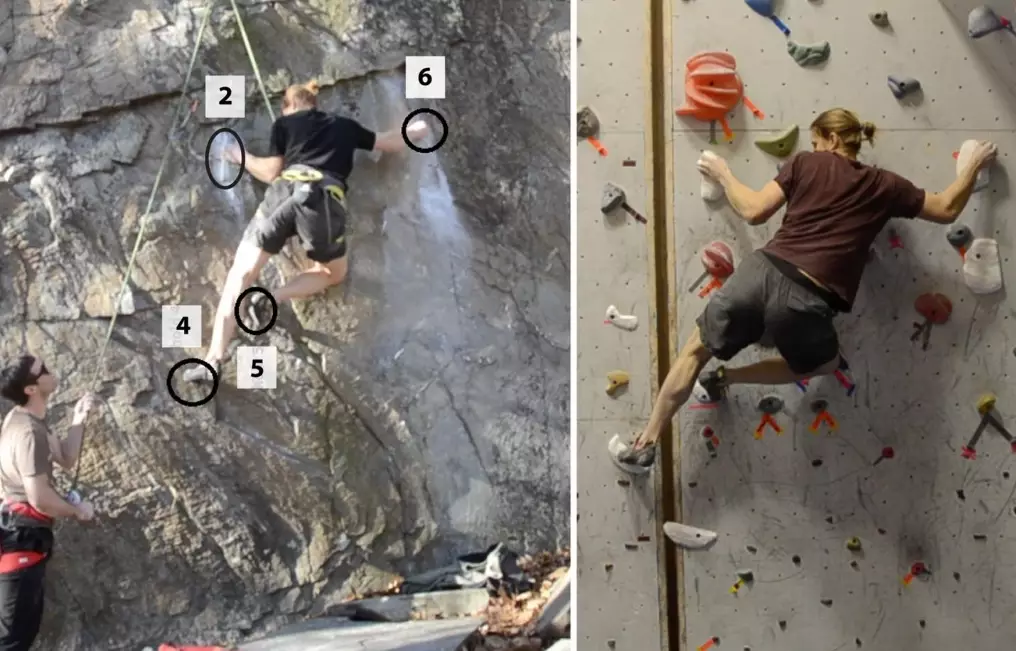 I see climbers "match" on a hold. When should I do that versus moving to the next hold directly?
 The landscape of indoor climbing routes is your playground and your teacher. Stop looking at them as obstacles to conquer and start seeing them as movement puzzles to understand. Pay attention to the setter's intention, be honest about your current level, and structure your practice. The grades will follow. Now get to the gym, find a green V2 you've never tried, and read it like a book before you even touch it. You might be surprised by what you learn.