You're at the crag or in the gym, watching someone struggle up a route. Their partner is on the ground, rope in hand, looking focused. A thought pops into your head: which job is tougher? Is belaying harder than climbing? After fifteen years of clipping bolts and catching falls, my answer isn't simple. It's a resounding "it depends," but leaning heavily towards belaying being the more consistently demanding role for your brain. Climbing is an intermittent burst of problem-solving and power. Belaying is a marathon of unwavering attention where a single, subtle mistake can have real consequences. Let's unpack why.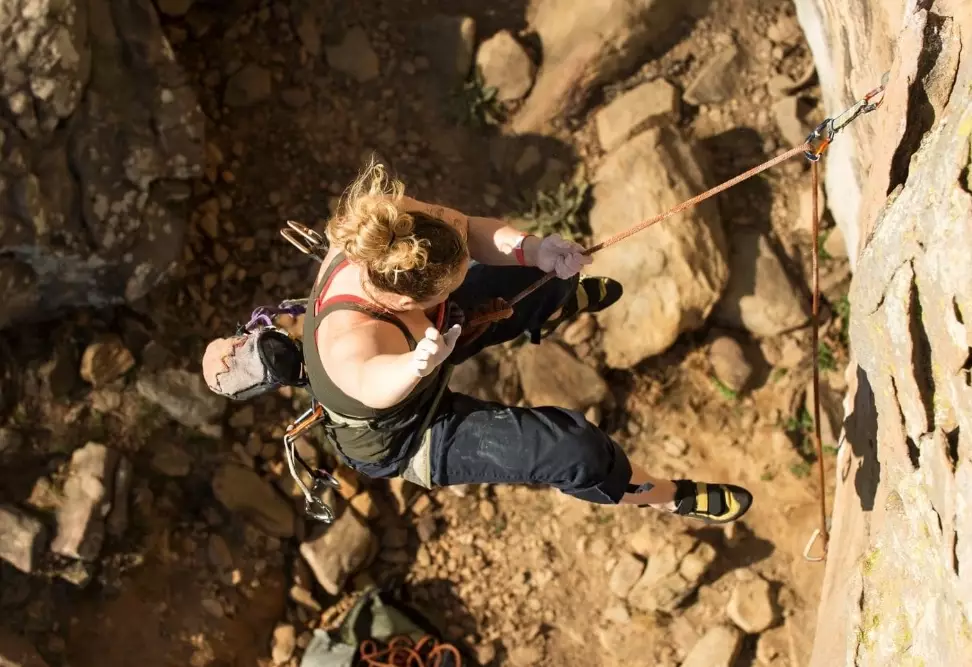
What You'll Uncover in This Guide
The Core Skills: Climbing vs. Belaying
To compare them, we need to define what each role actually requires. It's not just "pull on rocks" versus "hold the rope."
What Climbing Demands
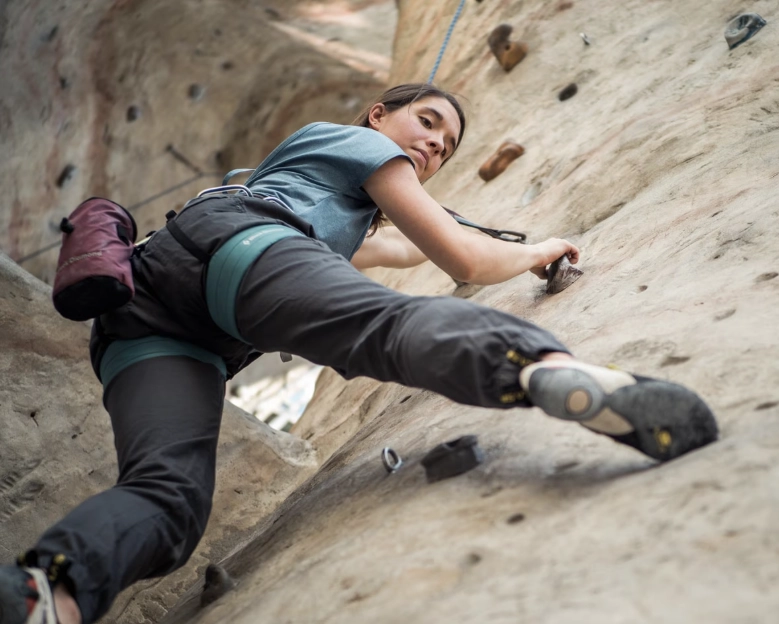
Climbing is a brilliant, selfish puzzle. Your world shrinks to your body, the rock, and the next move. The primary skills are physical and tactical.
- Physical Strength & Technique: Finger strength, footwork, core tension, and endurance. It's athletic.
- Route Reading & Problem-Solving: You're constantly planning sequences, adjusting beta on the fly.
- Risk Management (for the climber): You decide if a move is safe, if you're too pumped, when to clip.
- Mental Fortitude: Overcoming fear of falling, pushing through pump, managing frustration.
The challenge is intense but episodic. You get to rest between attempts. The focus is inward.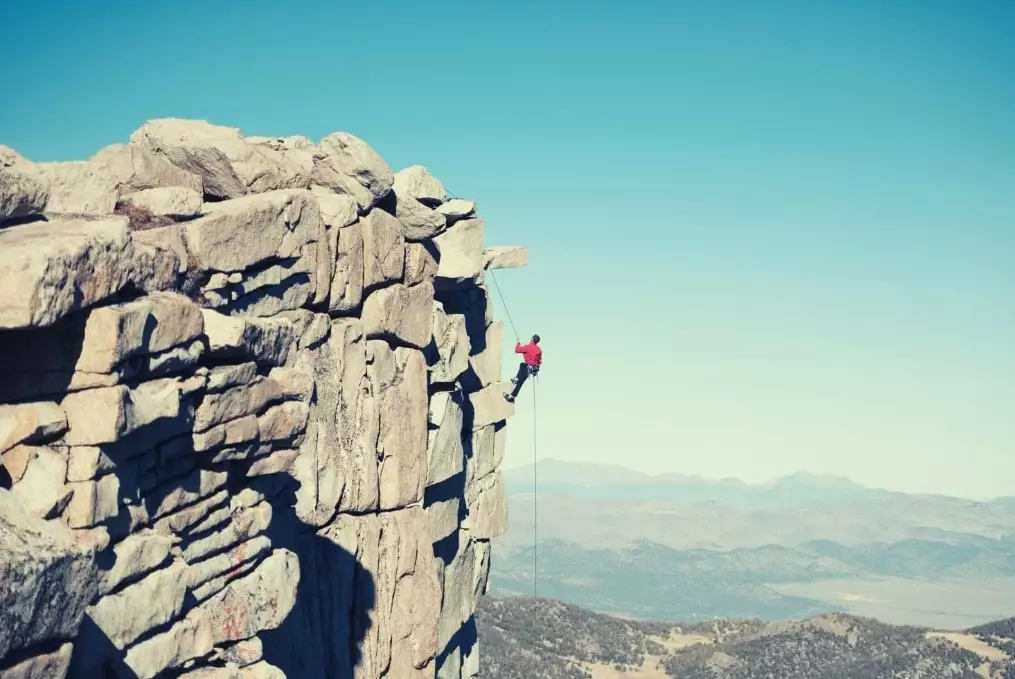
What Belaying Demands
Belaying is a service role with a life-critical function. Your world is your partner, the rope system, and the entire environment. The skills are procedural, perceptual, and psychological.
- Procedural Mastery & Muscle Memory: Operating the belay device smoothly, giving slack, taking in rope, catching falls—all without conscious thought.
- Hyper-Vigilant Attention: Watching the climber's position, anticipating clips, monitoring rope drag, ignoring distractions. For 100% of the climb.
- Risk Management (for the *system*): You're the backup. You check knots, anchor setups, and foresee potential ground falls.
- Communication & Psychology: Giving useful beta (if asked), offering encouragement, sensing when your partner is scared and needs a tight rope.
The challenge is a low-grade, continuous burn. There's no "off" switch until your partner is down.
| Aspect | Climbing | Belaying |
|---|---|---|
| Primary Focus | Internal (body, sequence) | External (partner, system, environment) |
| Peak Intensity | During hard moves or falls | During a fall or tricky clip—must be ready instantly |
| Sustained Intensity | Medium-High, but intermittent | Medium, but constant and unrelenting |
| Skill Decay if Unpracticed | Strength fades, technique gets rusty | Procedural memory fades—can lead to dangerous hesitation |
| Consequence of Minor Error | You might fall | Your partner might get hurt |
Here's a subtle error I see constantly: a belayer stands too far from the wall to "get a better view." This creates massive, unnecessary rope drag, saps the climber's energy, and makes a soft catch nearly impossible. Stand close. Your job isn't to watch a movie, it's to be part of the physical system.
Why Belaying Often *Feels* Harder (The Mental Load)
This is where the rubber meets the road. Physically, climbing is harder. No debate. But the mental and emotional weight of belaying tips the scales for many.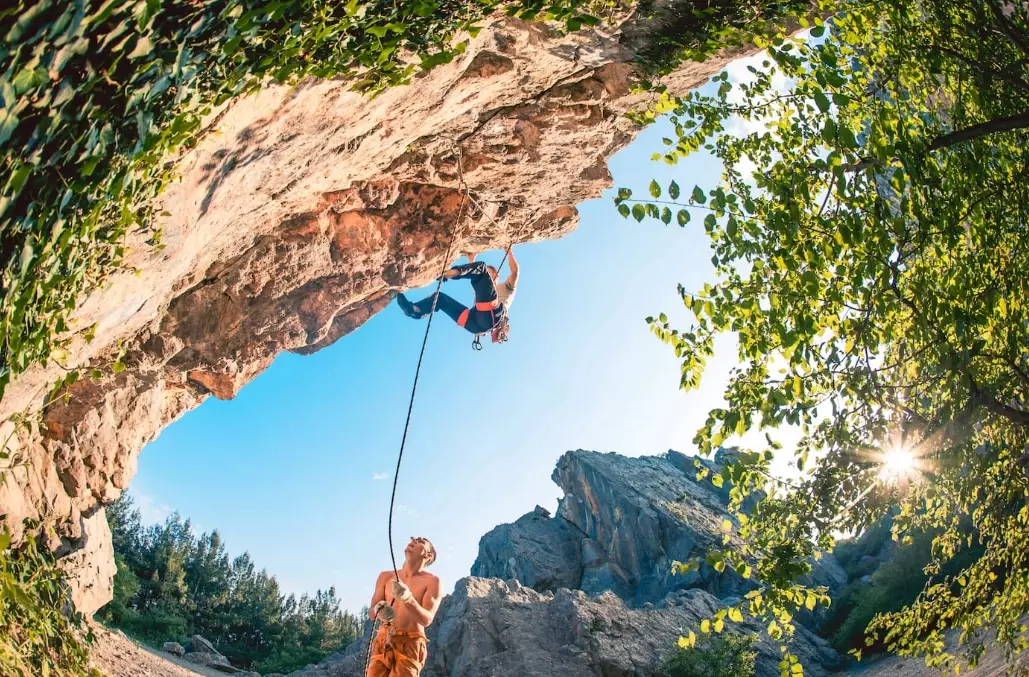
Imagine this scene: Your friend is working a project, 50 feet up. They're shaking, yelling about being pumped. You're giving a tight, attentive belay. They lunge for a hold, miss, and peel off. In that split second, your body needs to react perfectly—soften the catch, brake hand locked. They weight the rope, swing, and are safe. Your heart is pounding. Theirs is too, but for them, the stressful event is over. For you, the stress just peaked, and you now need to calmly lower them, manage the rope, stay alert for any hazards on the way down. The adrenaline dump is yours to manage while still on duty.
That's the asymmetry. The climber's stress is acute and personal. The belayer's stress is anticipatory and custodial. You're responsible for someone else's well-being. That psychological burden is unique and, for many, more draining than confronting their own fear of heights.
Furthermore, belaying well requires a kind of boring discipline. It's not glamorous. You don't get the send photo. Your reward is invisible—a climb where nothing went wrong because you did your job perfectly. Maintaining focus during an "easy" climb for your partner, when your mind wants to wander to dinner plans, is a specific and underrated skill.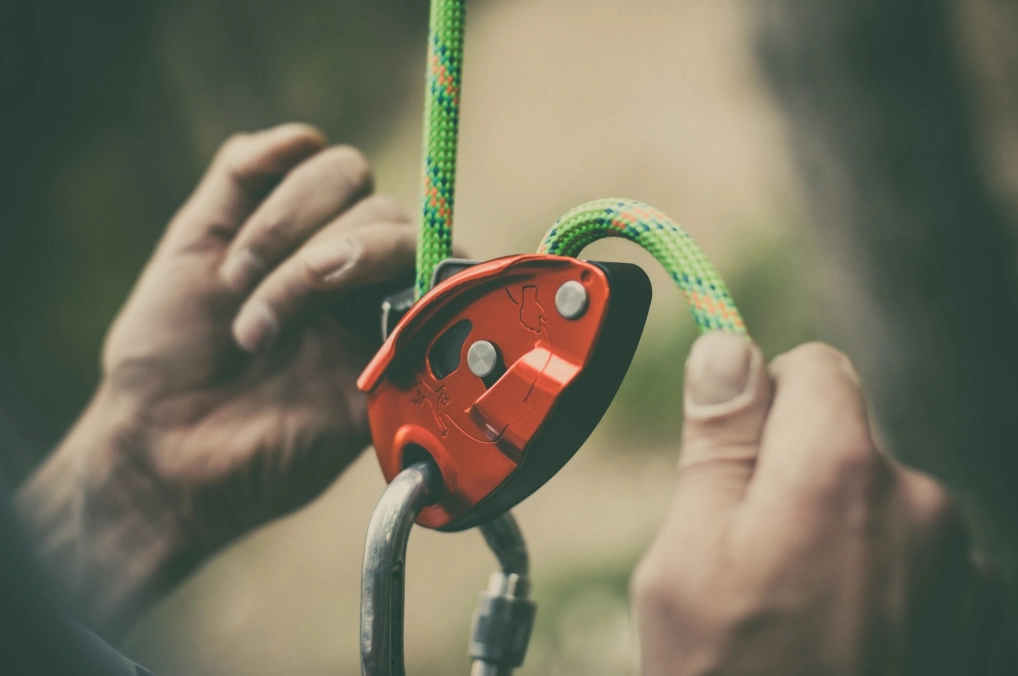
The Partner Trust Factor
This is the ultimate user pain point. Nothing kills a climbing day faster than distrust in your belayer. If you, as the climber, have even a flicker of doubt about your belayer's attention or skill, your ability to push your limits evaporates. Conversely, a truly solid, confident belayer is a gift that allows a climber to perform at their peak. This dynamic makes the belayer's role foundational to the partnership's success, adding another layer of pressure.
How to Become a Better, More Confident Belayer
Feeling convinced that belaying deserves more respect? Good. Here's how to elevate your game beyond the basic certification. This isn't about checking boxes; it's about building unconscious competence.
Drill the Basics Until They're Boring: Don't just belay. Practice specific drills with a partner on the ground. Have them simulate a fall on command while you're looking away. Practice giving quick, smooth slack for a clip. Do this until you can have a conversation while doing it perfectly. The American Mountain Guides Association (AMGA) emphasizes this kind of stress-proof practice in their professional curricula.
Communicate, Then Communicate More: Establish a clear pre-climb checklist ("Knot, buckle, belay device on, brake strand identified?"). During the climb, use clear commands. But also, talk about more than just commands. "You've got plenty of rope for the next clip" or "I'm right below you, you're safe" can be huge for a nervous leader.
Learn to "Read" Your Climber: Watch their body language. Are their hips sagging? Give a micro-tug of rope to hint they should engage their feet. Are they hesitating below a clip? Get ready to take in rope quickly. Are they breathing erratically? A calm "You're good, breathe" from below can work wonders.
Practice with Different Devices and Scenarios: If you only use an ATC, try an assisted-braking device (like a GriGri). Understand their pros and cons. Practice top-rope belaying, lead belaying, and belaying a follower on multi-pitch. Each has different rhythms and attentional demands.
The goal is to make the technical act of belaying so automatic that your mental bandwidth is freed up for the higher-order tasks: strategizing with your partner and managing the overall safety of the system.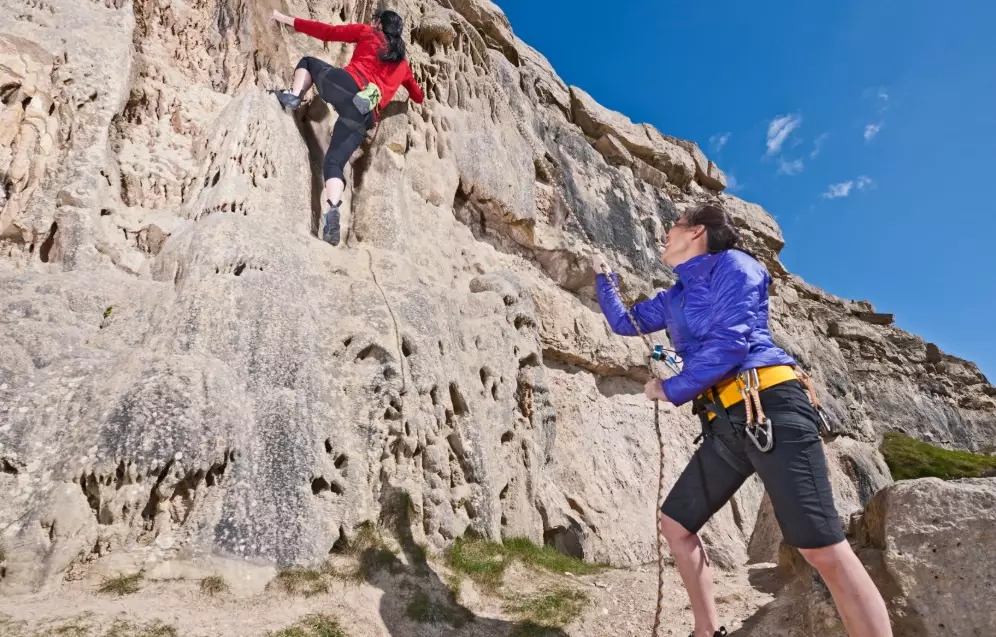
Your Belaying Questions, Answered
I get nervous belaying someone much heavier than me. How do I manage that?
This is common. First, technique is crucial. Always stand close to the wall, and in the event of a fall, allow your body to move upward slightly to soften the catch—don't just death-grip and get yanked. Using an assisted-braking device (GriGri, MegaJul) adds a mechanical safety margin. For top-roping, you can use a ground anchor, but this is a more advanced technique that requires proper instruction. Ultimately, a dynamic catch and proper positioning matter more than raw body weight. Practice catching falls in a controlled gym environment to build confidence.
How can I practice belaying skills without access to a climbing gym or partner?
You can build muscle memory and procedural fluency at home. Tie a rope to a sturdy anchor point (like a banister post, with a towel to protect it). Sit or stand in a belay stance and practice the full sequence: taking in rope smoothly, simulating giving slack for a clip, and going through the motions of locking off your brake hand. Do this while watching TV. The goal is to make the hand movements second nature. You can also practice tying your figure-8 follow-through one-handed, or with your eyes closed.
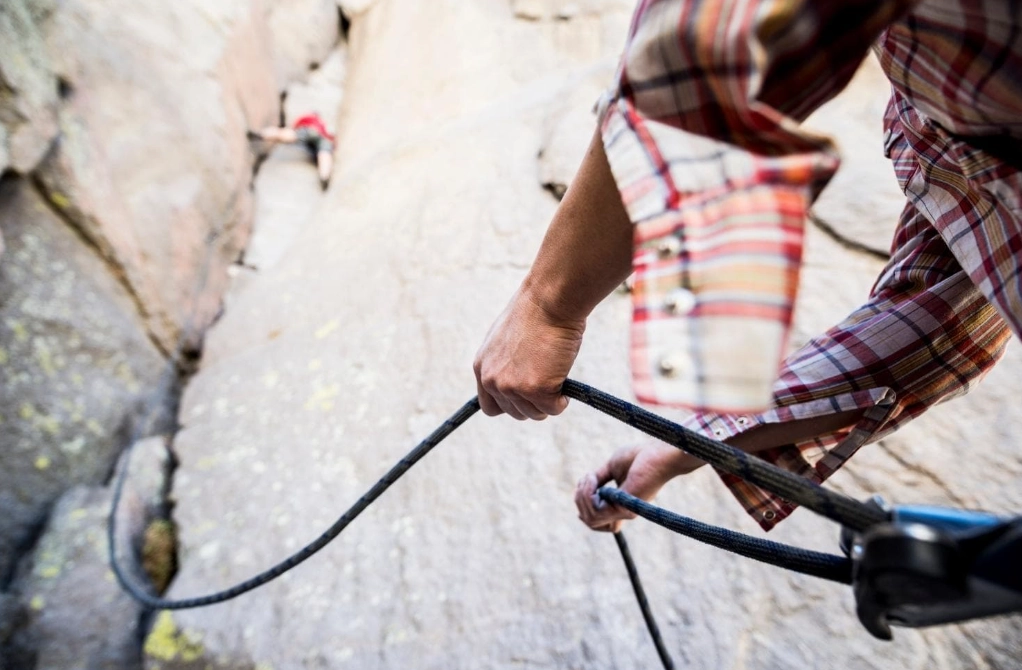 My partner wants me to "give a soft catch," but I'm not sure what that means physically.
A soft catch means allowing a small amount of controlled upward movement as the falling climber's weight comes onto the rope. It absorbs energy and reduces the peak force on their gear and body. Don't jump. The motion is more of a slight, yielding squat or stepping forward. The most common mistake is standing rigid, legs locked, far from the wall. This creates a harsh, jarring stop. To practice, have your partner take small, controlled falls low to the ground while you focus on relaxing your stance and letting your knees bend.
Is it okay to belay with a GriGri on auto-pilot since it's "safer"?
This is a dangerous misconception. The GriGri is not auto-belay. It's an assisted-braking device that still requires an attentive operator. You must keep your brake hand on the rope at all times. Complacency with a GriGri has led to accidents, often during lowering when the belayer, distracted, inadvertently holds down the cam lever. The device doesn't replace vigilance; it adds a layer of security to a vigilant belayer. Treat it with the same respect as a tube-style device.
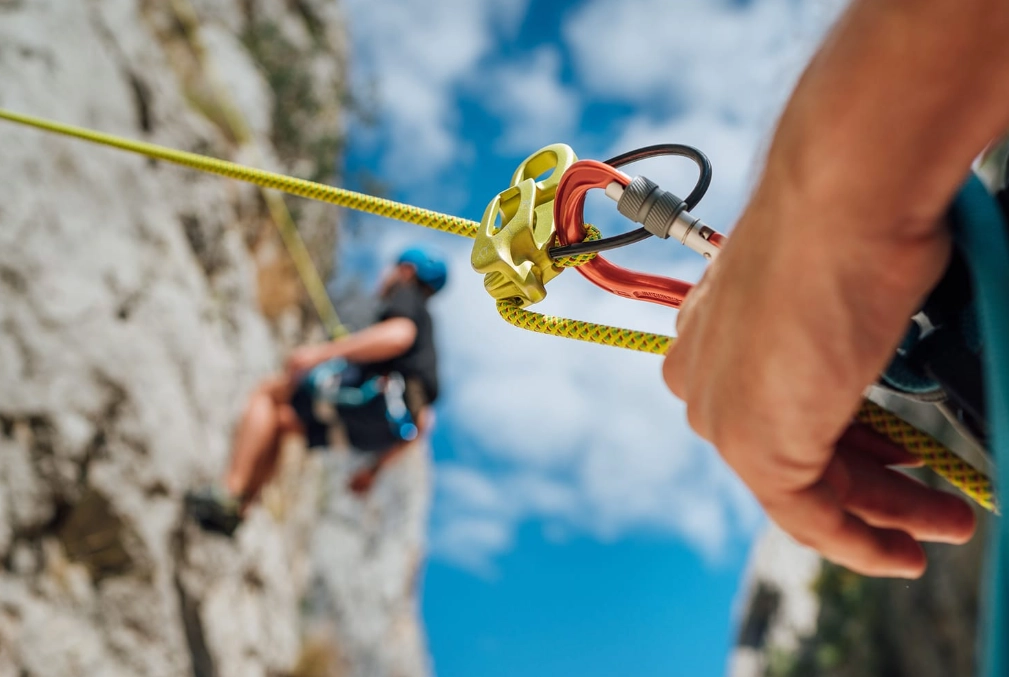 So, is belaying harder than climbing? Physically, no. The climber does the gymnastic work. But in terms of sustained mental engagement, psychological burden, and the unforgiving nature of the consequences for error, belaying presents a unique and profound challenge. It's the silent, steady foundation that makes the spectacular act of climbing possible. The best climbers aren't just those who send hard grades; they're the ones who are also trusted, dialed-in belayers, understanding that the rope goes both ways. Mastering that end of the rope might just be the most important skill you develop at the crag.