Let's cut to the chase. You're here because you've heard about creatine. Maybe from a gym buddy, maybe from a forum. You know it's supposed to build muscle, but you're a climber, not a bodybuilder. You haul yourself up rock faces, tackle multi-pitch routes, and suffer through long alpine approaches. Your needs are different. So, does a supplement famous for bench press have any place in your climbing pack? The short answer is a resounding yes, but the how and why are where most articles drop the ball. I've been using and researching climbing-specific nutrition for over a decade, and I've seen climbers make the same subtle mistakes with creatine—mistakes that waste money and, more importantly, potential performance gains on the wall.
What's Inside: Your Quick Guide
How Creatine Actually Works for Climbers
Forget the bro-science. Creatine isn't a steroid or some magical potion. It's a natural compound found in your muscles, primarily in the form of phosphocreatine. Think of phosphocreatine as your body's instant energy currency for high-intensity, short-duration efforts. When you make a powerful, explosive move—like a dynamic lunge to a distant crimp, a campus board pull, or a heavy deadlift—your muscles burn adenosine triphosphate (ATP) for fuel. ATP gets used up fast.
Here's the key: phosphocreatine's main job is to replenish ATP. It's the rapid-response system that lets you perform that second, third, or fourth hard move in quick succession before fatigue slams the door shut. By supplementing with creatine monohydrate (the most researched and effective form), you increase the phosphocreatine stores in your muscles. More stored phosphocreatine means a larger, quicker-refilling battery for those intense bursts of power.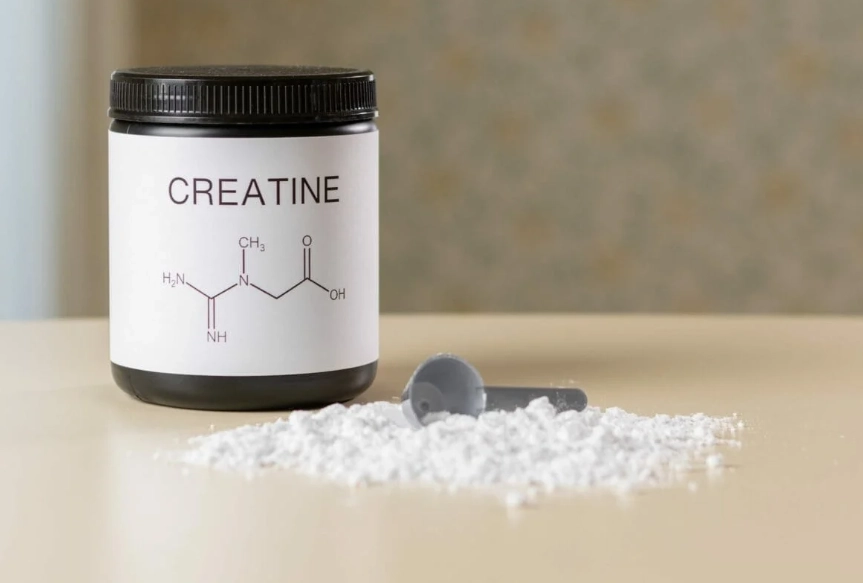
The 3 Key Benefits for Your Climbing Performance
The research on creatine is extensive, but let's filter it through a climber's lens.
1. Increased Maximal Strength and Power Output
This is the most direct benefit. Studies consistently show creatine supplementation improves performance in short-term, high-intensity exercise. For climbing, this translates directly to:
More powerful moves: Sticking that dyno feels more in control.
Stronger fingers: Improved capacity for maximal grip contractions, which is everything on small holds.
Better lock-offs: Holding a strenuous position to find the next foothold becomes slightly less draining.
It's not about making you stronger overnight, but about allowing you to express your existing strength more fully and more often during a session.
2. Enhanced Muscular Endurance and Recovery
This is where it gets interesting for longer routes or volume days. By speeding up ATP regeneration, creatine can delay the onset of muscular fatigue. You might find you can do an extra rep or two on your hangboard routine, or that your forearms pump out a little slower on that 30-meter sport route. Furthermore, some evidence suggests creatine may aid post-exercise recovery by reducing muscle damage and inflammation. For a climber tackling a multi-day trip or a big wall, better recovery between days is a game-changer.
3. Potential Cognitive and Hydration Support
This is less talked about but highly relevant. Your brain uses a ton of energy. Some emerging research, including reviews by the International Society of Sports Nutrition, points to creatine's potential role in brain energy metabolism, possibly reducing mental fatigue. On a long, complex lead where focus is critical, every bit helps. Also, creatine draws water into muscle cells, promoting cellular hydration. While you must still drink plenty of water, this intracellular hydration can be beneficial, especially in dry, high-altitude environments.
How Should Climbers Take Creatine?
Here's where I see the biggest gap in advice. Most guides are written for weightlifters. Our needs are different.
The Gold Standard: Creatine Monohydrate. Don't get fancy with hydrochloride, ethyl ester, or other "advanced" forms. Monohydrate is cheap, proven, and effective. Look for a product that is Creapure® certified or from a reputable brand that uses third-party testing for purity.
Dosage: The Daily Maintenance Approach. You'll hear about "loading phases" (20g/day for 5-7 days). It works faster, but it's also a great way to get bloated and feel weird if you're not used to it. For climbers, I almost always recommend skipping the load. Start with a daily dose of 3-5 grams. That's one level teaspoon. It will saturate your muscles just as effectively; it just takes about 3-4 weeks instead of one. It's gentler on the system and easier to stick with.
Timing: It Doesn't Matter (Much). The old anabolic window myth is mostly dead. Consistency is key. Take your 3-5 grams whenever you remember. With a meal, with your post-climb protein shake, with your morning coffee. Just take it every day. On rest days, take it. On climbing days, take it.
Timing, Loading, and a Real-World Supplement Plan
Let's get practical. What does a month of climbing-focused creatine use look like? Here's a sample plan, assuming you're a sport climber with weekend projects and weekday training.
| Timeframe | Daily Dosage | Key Activity | What to Expect |
|---|---|---|---|
| Week 1-4 | 5 grams | Daily maintenance dose. Continue normal climbing/training. | Muscle stores slowly saturate. You might notice a slight weight gain (1-2 lbs) from water retention in muscles. Don't panic. |
| Week 5+ | 3-5 grams | Performance phase. Full saturation achieved. | This is where benefits shine: extra power rep on the hangboard, less pump on link attempts, faster recovery between days at the crag. |
| Pre-Project Day | 5 grams with breakfast & post-climb | Big outdoor day on your proj. | Ensures maximal muscle phosphocreatine stores. Pair with solid carbs and electrolytes. |
| Rest Day | 5 grams with any meal | Active recovery or complete rest. | Supports muscle repair and replenishment for the next session. |
A personal note: I used to be skeptical about the "mental" benefits. But on a recent trip to Red River Gorge, after being saturated for months, I felt a noticeable difference in my focus and decision-making fatigue on long, pumpy 5.12s in the afternoon heat. It wasn't a massive shift, but it was the edge I needed to send a long-term project.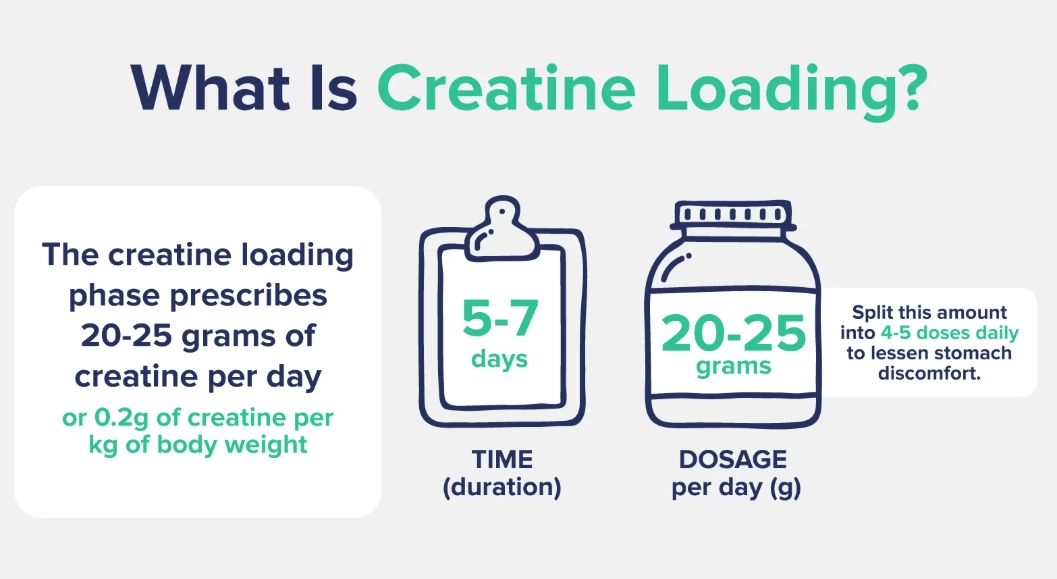
Myths & Common Mistakes to Avoid
- Myth: Creatine causes kidney damage. This is debunked for healthy individuals. If you have pre-existing kidney issues, consult a doctor. For everyone else, it's safe.
- Mistake: Taking it only on training days. Consistency builds and maintains muscle saturation. Take it daily.
- Mistake: Using a sugary "loading" product. Buy pure creatine monohydrate powder. Mix it yourself in water, juice, or a protein shake.
- The Subtle Mistake: Expecting a miracle. Creatine is a performance enhancer, not a replacement for technique, structured training, and good sleep. It gives you a few extra percent. In climbing, a few percent is often the difference between falling and sending.
- Mistake: Not accounting for the weight. The initial water weight (1-3 lbs) is real. It's intramuscular, not fat, but it's weight. For boulderers obsessed with power-to-weight ratio, this is a legitimate consideration. The trade-off is more power. You have to decide if it's worth it for your discipline.
Your Climbing Creatine Questions Answered
 I get an upset stomach from creatine. Any tips for a climber who needs to feel good on the wall?