Ask a new climber for the belaying meaning, and you'll likely get a textbook answer: "It's the technique of managing the rope to catch a falling climber." That's not wrong. But it's like describing a symphony as "organized sound." It misses the entire point, the soul of the thing. After over a decade of tying in with everyone from gym newbies to alpine guides, I've learned that the true meaning of belaying lives in the silent space between partners, in the weight of the rope, and in a specific, rarely discussed mental shift that separates a safe day from a scary one.
This article isn't just another gear guide. We're digging into the layers—technical, psychological, and social—that give belaying its real weight. If you've ever felt a vague unease about your belay skills, or wondered why some partnerships feel rock-solid while others feel shaky, you're in the right place. We're going beyond the device manual.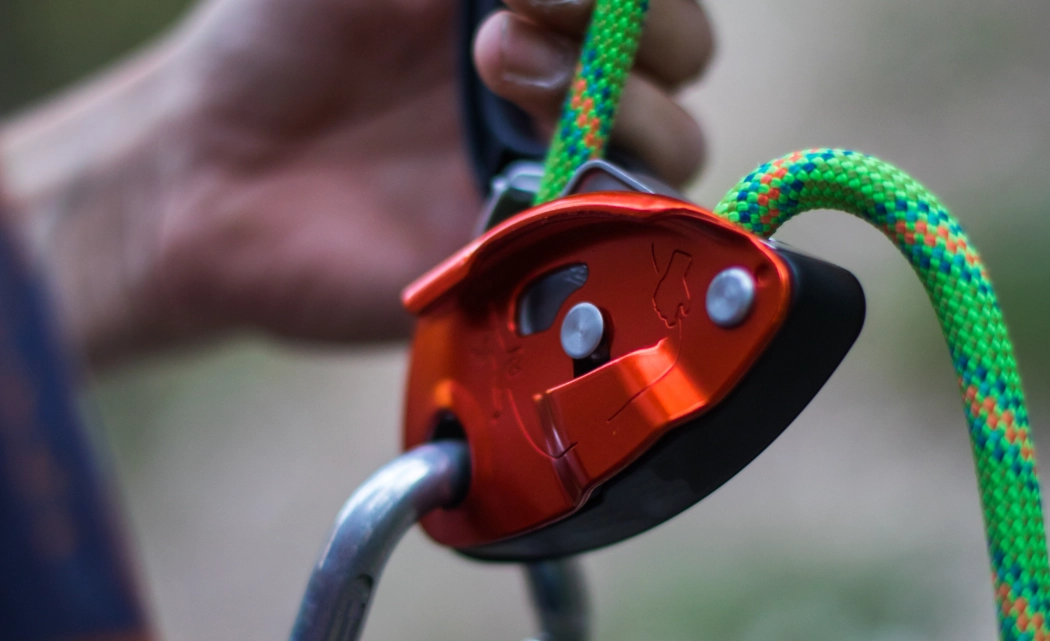
What You'll Learn Inside
What is the Core Meaning of Belaying?
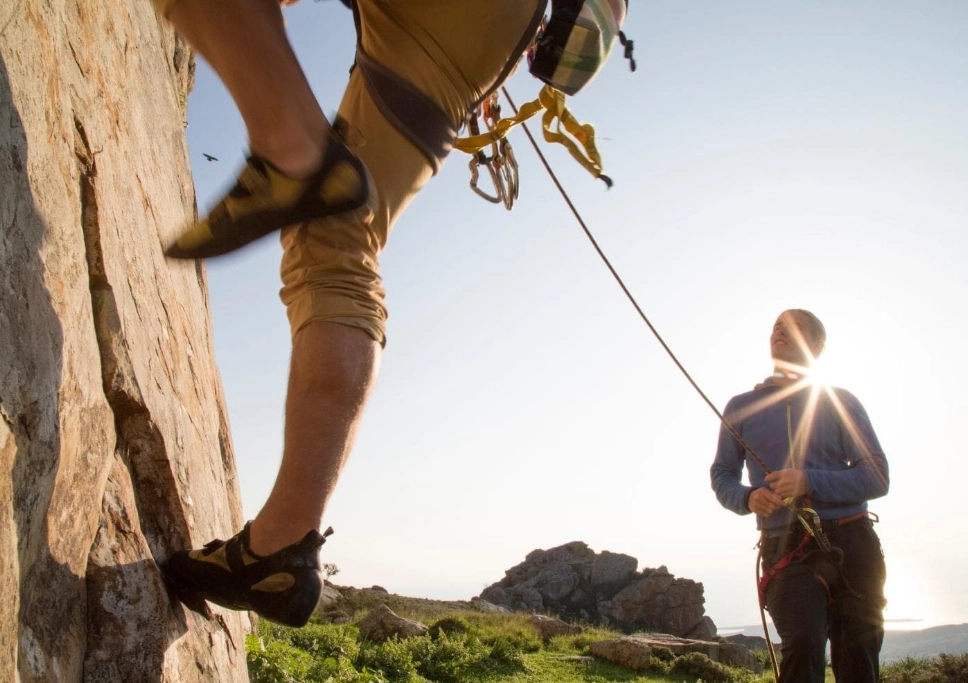
At its heart, belaying is an act of deliberate, focused trust. You are not a passive rope-feeder. You are an active life-support system. The dictionary might say it's a "safety technique," but that's sterile. In practice, it's a dynamic conversation without words, where the rope is your medium.
Think about the last time you were on belay. The moment your partner says "On belay!" and you confirm "Climbing!"—that's a contract. It's not just procedure. It's the moment you hand over a significant portion of your physical safety to another person's judgment, attention, and skill. And as the belayer, you accept that responsibility fully. That exchange, that weight, that's the meaning.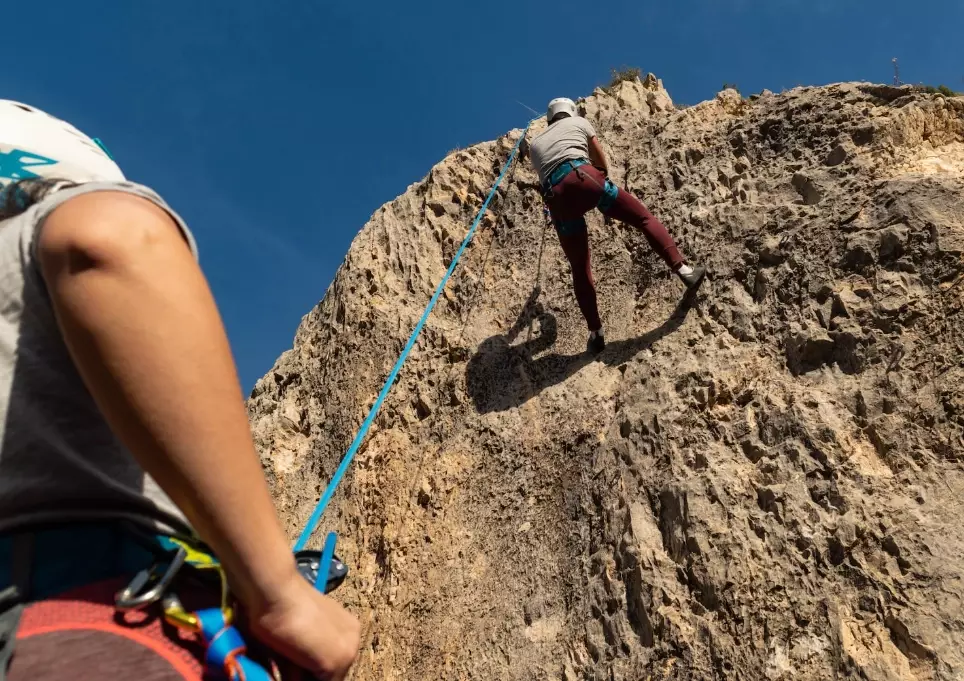
The Three Unspoken Pillars of Belaying
Forget just the PBUS method (Pull, Brake, Under, Slide) for a second. That's the alphabet. The meaning is in the poetry you write with it. It rests on three pillars that rarely get top billing.
1. Situational Awareness (Not Just Rope Awareness)
Everyone talks about watching the rope. I'm talking about watching the whole scene. Where is the climber's next move? Is that foot hold chossy? Is the rope running over a sharp edge they can't see? Are they getting pumped and about to make a desperate lunge? A belayer with true situational awareness is like a co-pilot, scanning the instrument panel and the horizon. I once prevented a nasty ledge fall not by a heroic catch, but by calmly saying, "Hey, your left foot is two inches higher on that gray ripple," as my partner was gassing out. That's belaying.
2. Communication as a Rhythm
"Climbing." "Climb on." This is the basic beat. The meaning is in the syncopation. The soft "You're fine" when they hesitate. The specific "Slack!" or "Tension!" instead of a panicked "Uh, rope!" A tired mumble of "Take!" needs to be met with a crystal-clear "Got you!" I see pairs in the gym who communicate like robots reading a script, then go silent for 20 minutes. The rope tugs and shouts become a shared language. When that language is fluent, the trust is implicit.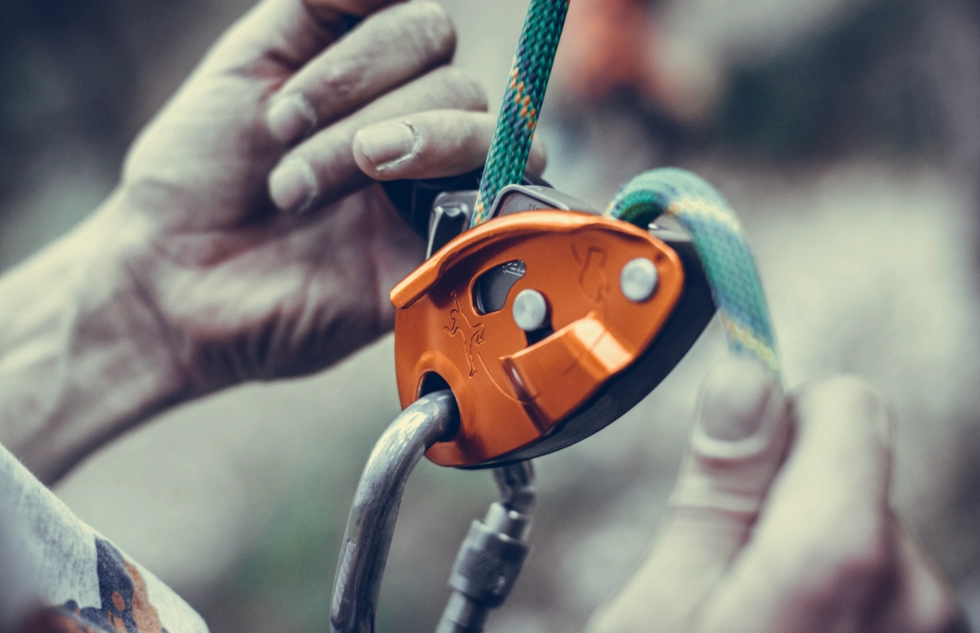
3. The Psychology of the Brake Hand
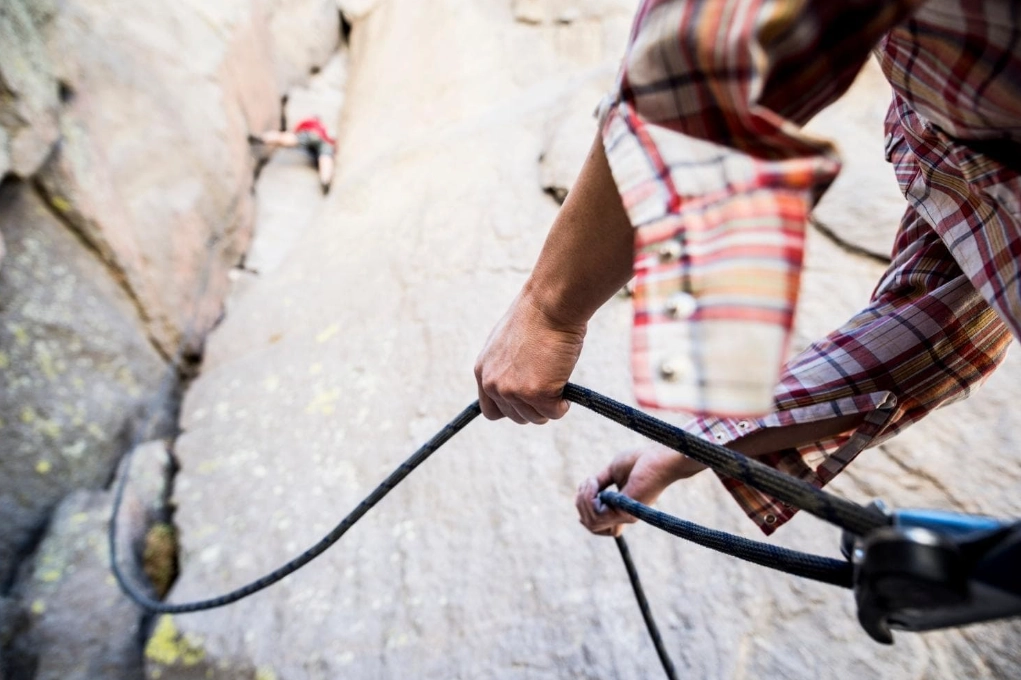
This is the subtle one. Your brake hand isn't just a mechanical grip. Its position is a direct reflection of your mental state. A loose, wandering brake hand often means a wandering mind—checking a phone, chatting with someone else, looking at another route. A brake hand that's glued to the rope, even during easy climbing, shows engaged, active vigilance. Your brain should be in your brake hand. If your mind drifts, your hand will too. It's the most honest tell in climbing.
Common Mistakes That Miss the Meaning
These aren't the "you forgot to double-back your harness" mistakes. These are the nuanced errors that happen when people learn the mechanics but not the meaning.
Mistake 1: The Zone-Out Belay. The climber is 15 feet up on a vertical wall, moving steadily. The belayer, thinking it's "easy," lets their gaze drift to another climb, or worse, dips into their pocket. The moment of inattention is exactly when a foot slips on a dusty hold. The belay is technically "correct," but the meaning—the focused guardianship—is absent.
Mistake 2: The Death-Grip. The opposite problem. The belayer is so terrified of dropping someone they keep the rope painfully tight on every move, even on a top-rope. They've confused safety with control, robbing the climber of the fluid movement that is half the joy of the sport. The meaning of belaying includes providing appropriate freedom, not just a leash.
Mistake 3: The Silent Partner. No beta-spraying, sure. But complete silence is unnerving. A climber working a crux often has no spatial awareness. A simple "Halfway!" or "You're at the bolt" provides crucial orientation. Silence can feel like abandonment on the other end of the rope.
I learned about Mistake 2 the hard way. I was belaying a much lighter friend on a steep sport climb. Fearful, I kept the rope too tight. She fought against the constant upward pull on her harness, wasted energy, and fell exhausted at the crux. "I felt like I was climbing with a backpack full of bricks," she said. I was so focused on not failing that I failed at supporting her climb. Big difference.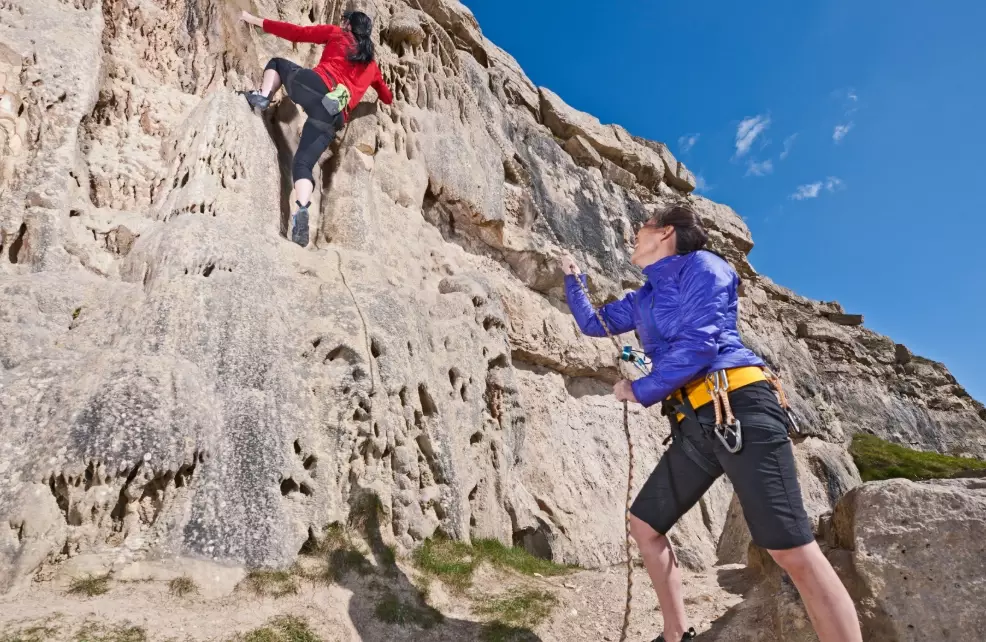
How to Practice the True Meaning of Belaying
You don't practice this in a single session. You cultivate it. Here's how to move from competent to meaningful.
Drill the "Eyes-On" Rule. From the moment your partner leaves the ground until they are back down or anchored, your primary visual focus is on their center of mass (their hips/torso). Not their face, not the hold they're going for—their core. This is where falls initiate. Your peripheral vision manages the rope path. This single habit fixes 80% of attention problems.
Narrate Your Belay (Quietly). When you're learning, talk to yourself. "Okay, she's moving up, feeding slack smoothly... now she's clipping, pausing, need to take in a little... clip made, back to feeding." This internal monologue forces active engagement. It makes you the director of the safety movie, not just a passive viewer.
Practice with Purpose on Top-Rope. Top-rope isn't belay practice downtime. It's your lab. Practice giving perfect slack—enough for movement, none dragging on the ground. Practice anticipating a "take" command the second you see them stall. Simulate a fall (with warning!) to feel the system engage. The American Mountain Guides Association (AMGA) stresses that proficiency in low-consequence environments builds the muscle memory for high-stakes moments.
Have the Pre-Climb Chat. Before you tie in, spend 30 seconds. "Any old injuries today?" "How are we calling for tension?" "See any tricky sections?" This isn't paranoia. It's professionalism. It signals that you're both entering the shared mental space the meaning of belaying requires.
I integrate this every time I climb at my local crag, Smith Rock. The wind, the crowds, the complex routes—it demands that my belay meaning be dialed. There's no room for autopilot.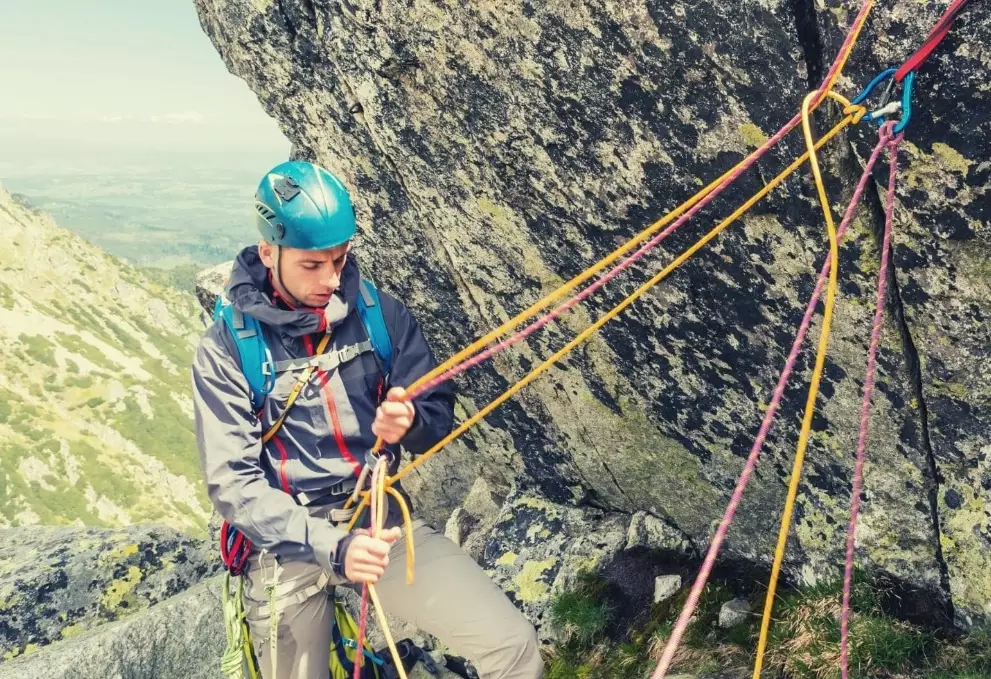
Your Belaying Questions, Answered
 Is the meaning of belaying different for sport climbing vs. trad climbing vs. the gym?
 So, the next time you step up to belay, think beyond the device. You're not just operating a friction brake. You're entering a pact. You're the anchor of confidence, the manager of risk, and the silent partner in every move. That's the belaying meaning that turns a skill into a sacred part of the climb. It's what makes coming back down to the ground together the best part of the day.