Watch any rock climber, from a beginner at the local gym to a pro scaling El Capitan, and you'll see the same ritual: hands dipping into a chalk bag, a quick clap, and fingers coated in white powder. It's so universal it seems obvious. But if you're new to climbing, a logical question pops up: why chalk? Wouldn't gloves offer more consistent protection and grip? The short, direct answer is no. Climbers use chalk because it uniquely optimizes the skin-to-rock interface by managing moisture and increasing friction, while gloves fundamentally undermine the tactile sensitivity and fine motor control that climbing demands. It's not about tradition; it's about physics, biology, and performance.
What's Inside This Guide
The Core Problem: Sweat and Friction
Climbing is a battle against gravity, and your primary weapons are your fingers and toes. The enemy? Sweat. When your palms get sweaty—a natural stress response—you create a thin, slippery layer of water and oils between your skin and the rock or plastic hold. This layer drastically reduces the coefficient of friction. Think of trying to turn a doorknob with wet hands versus dry hands. In climbing, that difference isn't just inconvenient; it's the difference between sticking a tiny edge and peeling off.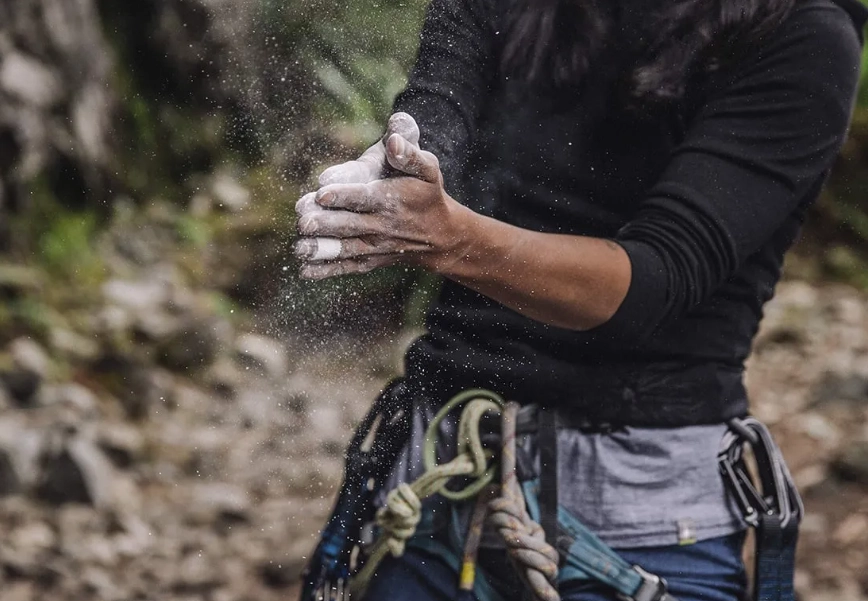
The goal isn't to create a sticky substance like glue. The goal is to maximize the natural friction of your dry skin. Your skin, when dry, has a remarkable ability to conform to microscopic imperfections in the rock surface. This is the real source of grip. Chalk's job is to keep your skin in that optimal, dry state.
Why Gloves Fail on the Rock
Gloves seem like a sensible solution. They'd protect your skin from abrasion and might seem like they'd offer a consistent grip. I remember thinking this myself when I first started. But gloves introduce a host of problems that make them unusable for serious rock climbing. Let's break down the five critical failures.
>Bulky and imprecise. Fingers are bundled, making small holds and intricate hand movements impossible.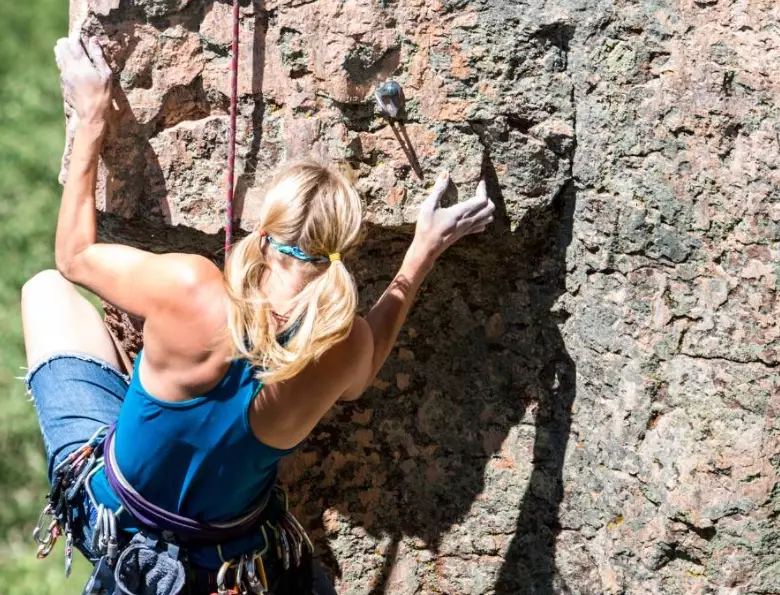
| Factor | Climbing Chalk (Magnesium Carbonate) | Typical Gloves (Leather/ Synthetic) |
|---|---|---|
| Tactile Feedback | Unobstructed. You feel every crystal, edge, and texture directly. | Severely dampened. A layer of material deadens the crucial nerve feedback from your fingertips. |
| Friction Coefficient | Enhances natural skin friction by removing moisture. The grip is your skin on the rock. | Adds a middle layer with its own, often lower, friction properties. You're gripping with glove material, not skin. |
| Heat & Moisture Management | Absorbs sweat, keeping the skin cool(er) and dry. | Traps heat and sweat, creating a hot, humid, and slippery environment inside the glove. |
| Precision & Dexterity | Full dexterity. Allows for complex grips like pinches, pockets, and crimps. | |
| Durability & Consistency | Replenishable. Wears off evenly and can be reapplied in seconds. | Wears out unevenly, creating unpredictable slick spots, especially on fingertips. |
The tactile feedback point is the killer. When you're searching for a hold or adjusting your grip by a millimeter, you need to *feel* what you're doing. Gloves turn your precise instruments into blunt tools. Furthermore, the heat buildup is a deal-breaker. Your hands sweat more in a sealed environment, and that sweat has nowhere to go, guaranteeing a slip.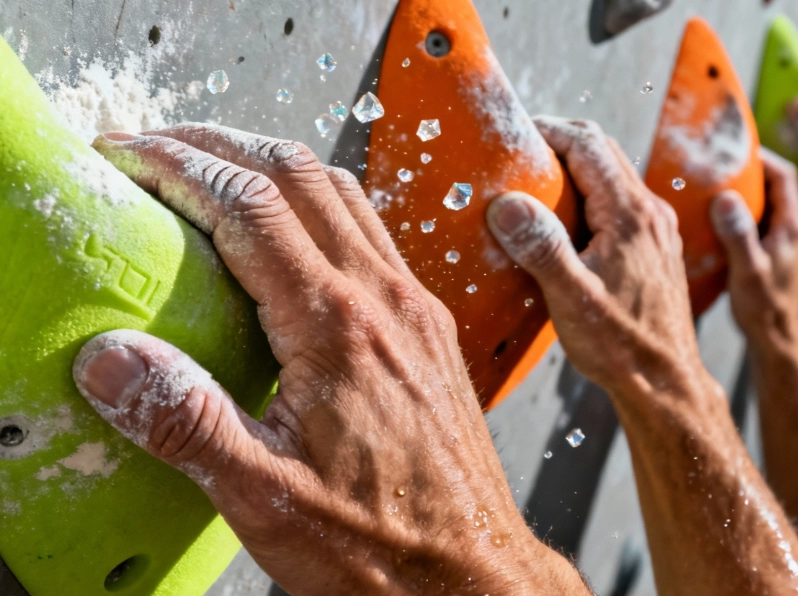
The Science Behind Chalk's Superiority
Climbing chalk is almost always magnesium carbonate (MgCO₃). It's not the same as sidewalk chalk (calcium carbonate). Magnesium carbonate is a highly hygroscopic powder, meaning it attracts and absorbs water molecules from the air and your skin. It acts like a microscopic sponge.
How Does Climbing Chalk Actually Work?
It works in two primary ways:
1. Moisture Absorption: The powder soaks up sweat and oils from the surface of your skin before they can form a continuous slippery film.
2. Increased Effective Contact Area: This is the subtle, often missed benefit. The chalk particles fill in the microscopic valleys and pores of your skin. When you press your chalked finger onto a hold, these particles create a more uniform, slightly rougher surface that makes better overall contact with the rock. It's like filling the treads on a tire with a fine grit to prevent hydroplaning.
Liquid chalk, a popular modern variant, mixes magnesium carbonate with alcohol. You rub it in like hand sanitizer. The alcohol kills bacteria (good for gym hygiene) and evaporates quickly, leaving a thin, even layer of chalk bonded to your skin. It lasts longer than loose chalk but can be less easy to reapply mid-climb.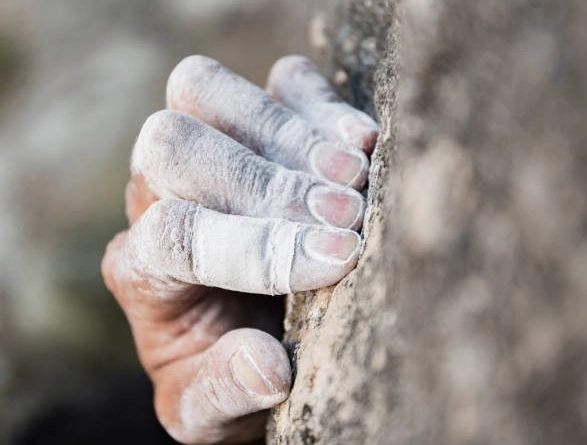
Can You Use Gloves for Climbing? (The Exceptions)
Are there *any* situations where a climber might wear gloves? Yes, but they are niche exceptions that prove the rule.
Aid/ Big Wall Climbing: On multi-day climbs where you're hauling heavy bags and handling lots of metal gear (carabiners, ascenders, ropes), thin leather or synthetic gloves protect hands from repetitive abrasion and rope burn during hauling. But when it's time to make a free climbing move on the rock, the gloves come off.
Rescue & Rope Access: Professionals doing technical rope work for long periods wear gloves primarily for hand protection from the rope itself, not for grip on the rock or structure.
Extreme Cold: In alpine or ice climbing, thin liner gloves might be worn under bulky mittens and removed for delicate technical sections. The primary goal is frostbite prevention, not enhancing rock grip.
In every case, the glove is a compromise for a secondary task. For the core act of gripping the rock, skin + chalk remains the undisputed standard.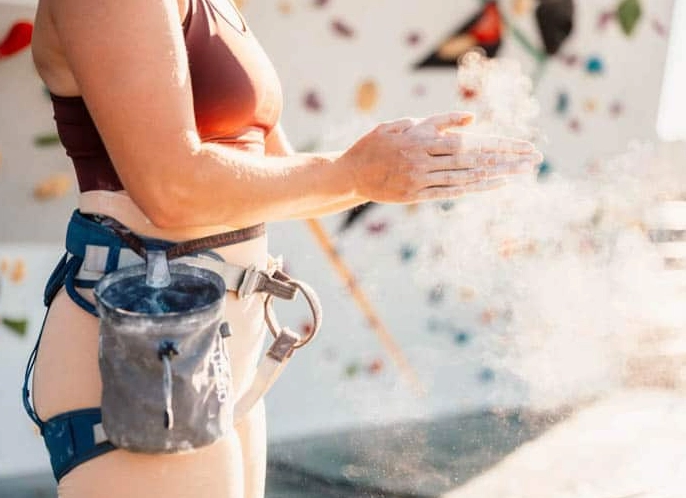
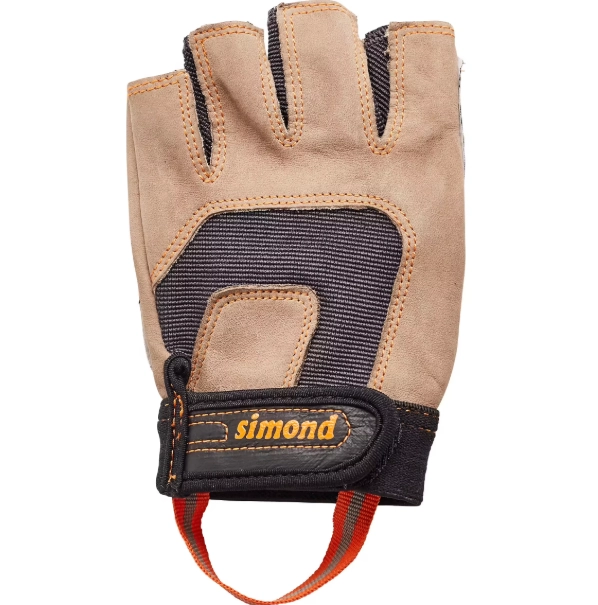
A Note from Experience: I've seen new climbers try fingerless gloves or very thin liners, thinking it's a clever hack. It never works. Even that thin layer eliminates the subtle feedback needed to trust a small edge. The moment you switch back to bare, chalked skin, the difference is night and day. You instantly feel more connected and in control.
The Unseen Factor: Why 'Feel' is Everything
This is the part most non-climbers don't get. Climbing is as much about information processing as it is about strength. Your fingertips are your primary sensors. They tell you:
- Is this hold as good as it looks?
- Is my foot slipping because my weight is off?
- Can I shift my grip a few millimeters to a better crystal?
- Is the rock texture changing (e.g., from gritty sandstone to slick quartz)?
This constant stream of tactile data allows for micro-adjustments that are the hallmark of efficient climbing. A glove acts like earplugs for your hands. You're climbing blind, relying only on gross motor vision. It's incredibly disorienting and unsafe on challenging terrain.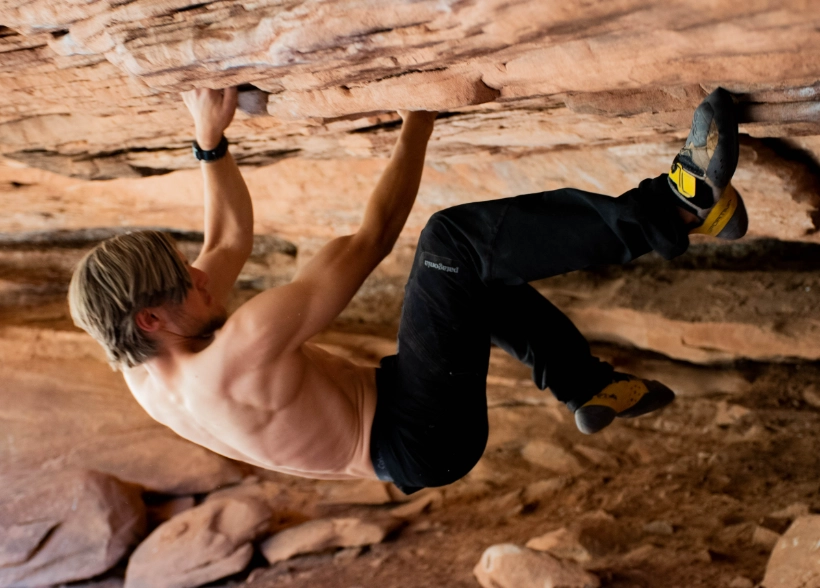
A Practical Guide to Using Chalk Correctly
Using chalk isn't just about dumping it on your hands. There's a technique to it, and getting it wrong can be as bad as not using it at all.
When and How to Apply Chalk
Before you start: Apply a moderate amount. Don't cake it on. You want a light, even dusting.
During your climb: Reapply at secure stances or rests. Listen to your body. If you feel your fingers starting to slip or get clammy, it's time for a quick chalk-up.
The Method: Dip your fingers into your chalk bag, then clap your hands together away from the wall to disperse the excess. Rubbing your hands together works too. The goal is coverage, not thickness.
Common Chalking Mistakes to Avoid
Over-chalking: This is the #1 mistake. A thick layer of chalk can act like a lubricant, creating a barrier between your skin and the hold. It also creates huge dust clouds in gyms, which many are now trying to reduce with better ventilation and liquid chalk policies. If your hands look like you've dipped them in cake flour, you've used too much.
Under-chalking: Not reapplying when you need to. Your skin produces sweat continuously. One application won't last a 10-minute climb on a hot day.
Chalking on the wall: Creating a dust storm right where you or the next climber needs to grip. It's poor etiquette and can make the hold slippery for a moment.
For more on sustainable practices and climbing ethics in natural areas, the principles outlined by the National Park Service and Leave No Trace are excellent guides to minimizing your impact.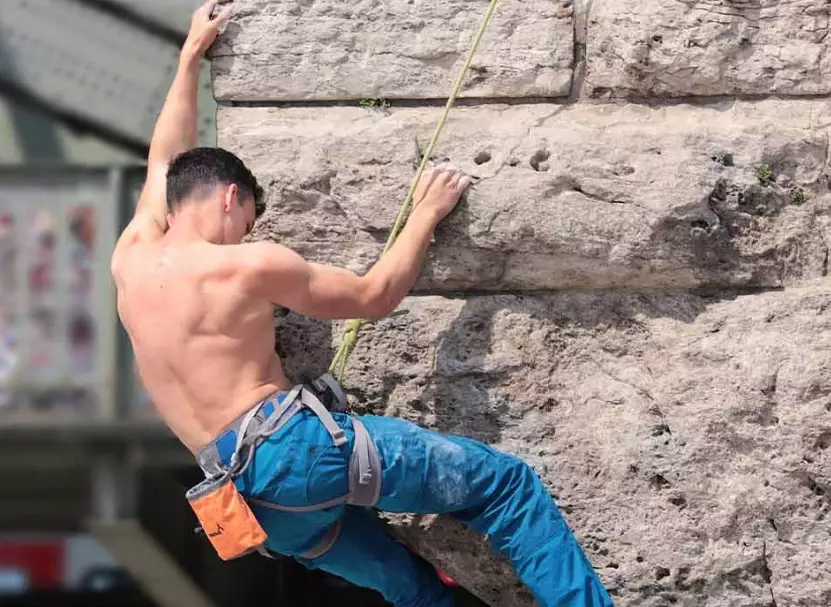
Your Climbing Chalk Questions, Answered
The choice of chalk over gloves isn't arbitrary or traditionalist. It's a refined solution to a complex physical problem. Gloves separate you from the rock, dull your senses, and ultimately fail under climbing's specific demands. Chalk, by keeping your skin dry and enhancing its natural properties, creates a direct, high-fidelity connection between your body and the stone. It's a simple tool that supports the profound complexity of the sport. Next time you see that white powder, you'll see it for what it is: not just a substance, but the key to a better feel for the wall.