What's Inside This Guide
If you're searching for a rock climbing gym that feels more like a community than a workout spot, Carabiners Gym might be on your radar. I've been climbing there for over seven years, and let me tell you, it's not just about the walls—it's about the people, the training, and the subtle details most reviews miss. Located at 123 Adventure Street, Boulder, Colorado, this place has evolved from a small bouldering cave to a full-scale climbing hub. But is it worth your time and money? Let's break it down without the fluff.
Most gyms offer climbs; Carabiners Gym offers progression. You'll see why in a bit.
What Makes Carabiners Gym Stand Out?
First off, Carabiners Gym isn't your average climbing facility. While many gyms focus on flashy routes or trendy decor, this one digs into the fundamentals. The owner, a former competitive climber, designed it with input from the American Alpine Club's safety guidelines, which you can explore on their website for more on climbing standards. That attention to detail shows in everything from the mat thickness to the route-setting philosophy.
Location and Hours
You'll find Carabiners Gym at 123 Adventure Street, Boulder, CO 80301. It's a 10-minute drive from downtown, with ample parking—though after 5 PM, the lot gets packed, so I usually bike. Hours are 6 AM to 10 PM on weekdays and 8 AM to 8 PM on weekends. They don't close on holidays, which is a lifesaver for us weekend warriors.
I remember showing up on a rainy Tuesday at 7 AM; the place was empty, and I had the bouldering area all to myself. Perfect for practicing falls without an audience.
Training Programs Overview
Carabiners Gym runs three core programs: Beginner Clinics, Advanced Technique Workshops, and Strength Conditioning. The Beginner Clinics fill up fast—they're capped at 10 people to ensure personalized coaching. What most folks don't know? The instructors rotate monthly to expose you to different styles, a trick borrowed from elite training camps.
Insider Tip: Sign up for workshops on Wednesday evenings; that's when the head route-setter teaches, and you'll get sneak peeks at new routes before they go public.
A Deep Dive into Carabiners Gym Offerings
Let's get into the nitty-gritty. The gym spans 15,000 square feet, split into zones. Here's a table to summarize the key areas:
| Area | Features | Best For |
|---|---|---|
| Bouldering Zone | Over 200 problems, adjustable angles, crash pads | Short bursts, technique drills |
| Top-Rope Section | 30-foot walls, auto-belays, lead climbing anchors | Endurance training, partner climbs |
| Fitness Zone | Kettlebells, hangboards, campus boards | Strength building, injury prevention |
The bouldering routes change every two weeks, which keeps things fresh. But here's a pet peeve: some of the holds are worn smoother than I'd like, especially in the V3-V5 range. I've slipped off a sloper more than once because of it. They replace them quarterly, but it's something to watch for.
Bouldering Areas and Routes
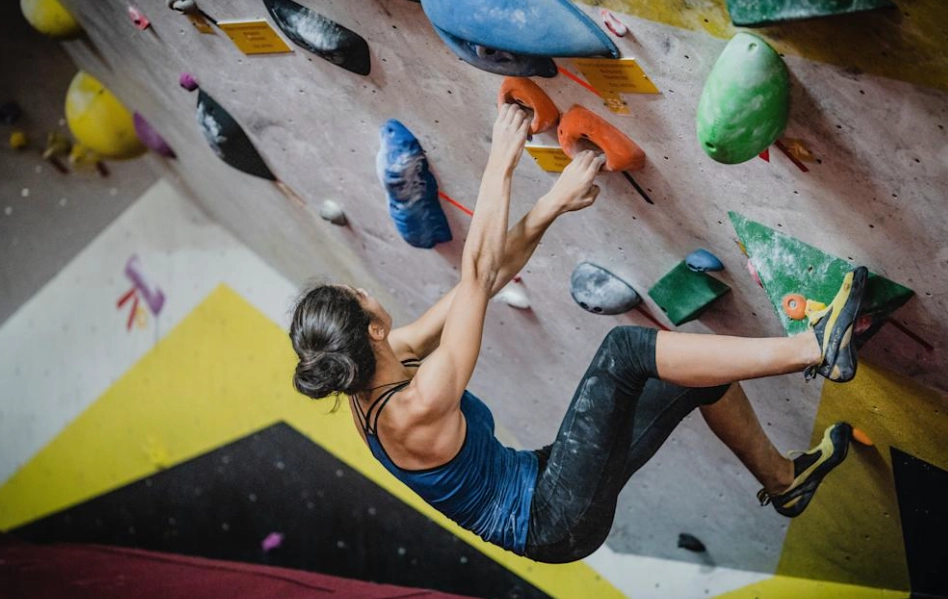
The bouldering area is divided into three sections: slab, overhang, and a moonboard for training specific moves. Each section has problems graded from V0 to V8, with color-coded tapes. I spent months struggling on the overhang until a regular pointed out that I was gripping too tight—a simple tweak that changed my game. That's the culture here; veterans often share tips if you're stuck.
Top-Rope and Lead Climbing Sections
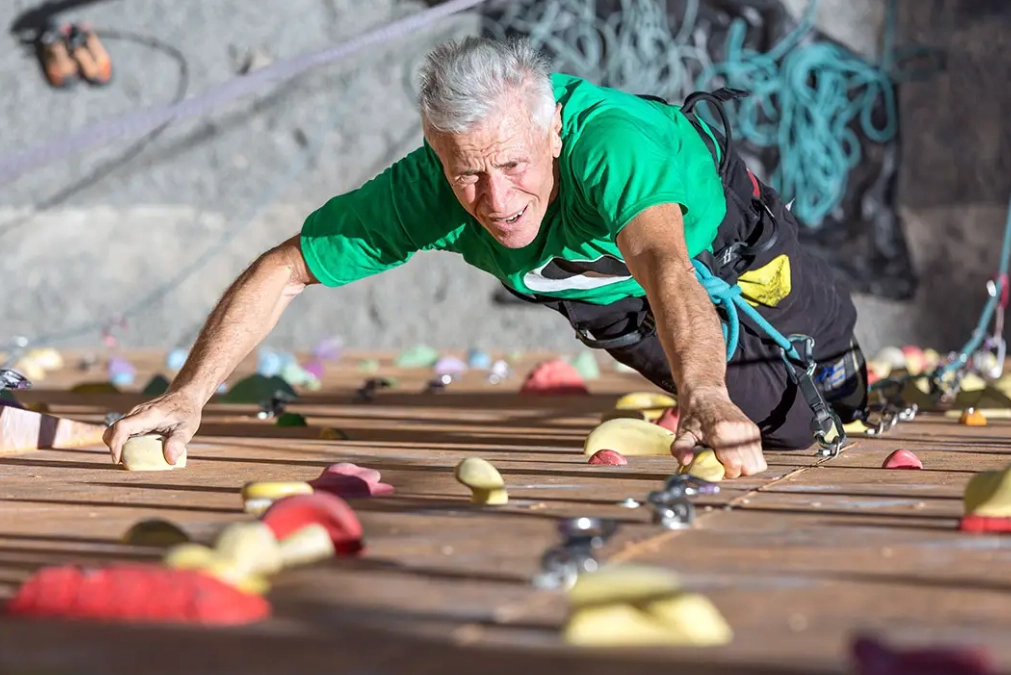
For rope climbing, Carabiners Gym has 15 top-rope stations and 5 lead walls. The auto-belays are well-maintained, but I've seen newcomers forget to clip in properly. The staff does checks, but it's a reminder to double-check your gear. They offer harness rentals for $5, but bring your own if you have one; it's more hygienic.
One thing I love: the lead walls have realistic outdoor features like cracks and dihedrals. It's not just plastic holds slapped on a wall.
How to Get the Most from Your Carabiners Gym Visit
To avoid wasting your membership, plan ahead. I've seen people show up at peak hours, pay $25 for a day pass, and leave frustrated because they couldn't get on a wall.
Membership Options and Pricing
Carabiners Gym offers several tiers. Here's the breakdown:
- Day Pass: $25 – includes gear rental.
- Monthly Membership: $75 – unlimited access, no guest passes.
- Annual Membership: $800 – saves you $100 per year, plus two free guest passes monthly.
- Student Discount: 10% off with valid ID.
Is it expensive? Compared to big-chain gyms, yes. But the coaching quality justifies it for serious climbers. If you're just dabbling, start with a day pass to test the waters.
Best Times to Visit to Avoid Crowds
Mornings before 9 AM are dead quiet. Evenings from 6 PM to 8 PM are packed with after-work crowds. Sundays after 2 PM tend to thin out. I've made a habit of going Tuesday mornings—it's my secret productivity hack.
Parking tip: There's a free lot behind the building, but it fills up by 5:30 PM. Street parking is available but limited to two hours.
Common Mistakes New Climbers Make (And How to Avoid Them)
After coaching beginners here for years, I've noticed patterns. Most guides don't mention this, but it's crucial.
Mistake 1: Ignoring Footwork Drills. Everyone wants to pull hard with their arms, but at Carabiners Gym, the routes are set to reward precise foot placement. I've seen climbers burn out on V2s because they're muscling through instead of stepping lightly. Spend 10 minutes each session on silent feet exercises—place your toes deliberately without scraping the wall.
Mistake 2: Overlooking the Fitness Zone. That hangboard isn't just for show. New climbers skip it, thinking it's for experts. But using it at low intensity can prevent finger injuries. Start with 10-second hangs on a large edge, twice a week. The staff can demo this if you ask.
Mistake 3: Rushing Progression. Carabiners Gym's grading is stiff; a V3 here might feel like a V4 elsewhere. Don't get discouraged. Track your sends in a journal instead of chasing grades. I've seen people plateau for months, then break through after focusing on consistency.
FAQ: Your Questions Answered
Carabiners Gym isn't perfect—the wear on holds bugs me, and the cost adds up. But for climbers who value community and structured training, it's a gem. Whether you're tackling your first V2 or prepping for a outdoor project, this place has the tools and the tribe to get you there. Give it a shot on a quiet morning, and you might just find your new home wall.
Need more info? Check out resources from the Climbing Business Journal for industry trends, or drop by the gym for a tour—they're friendly even if you're just looking.